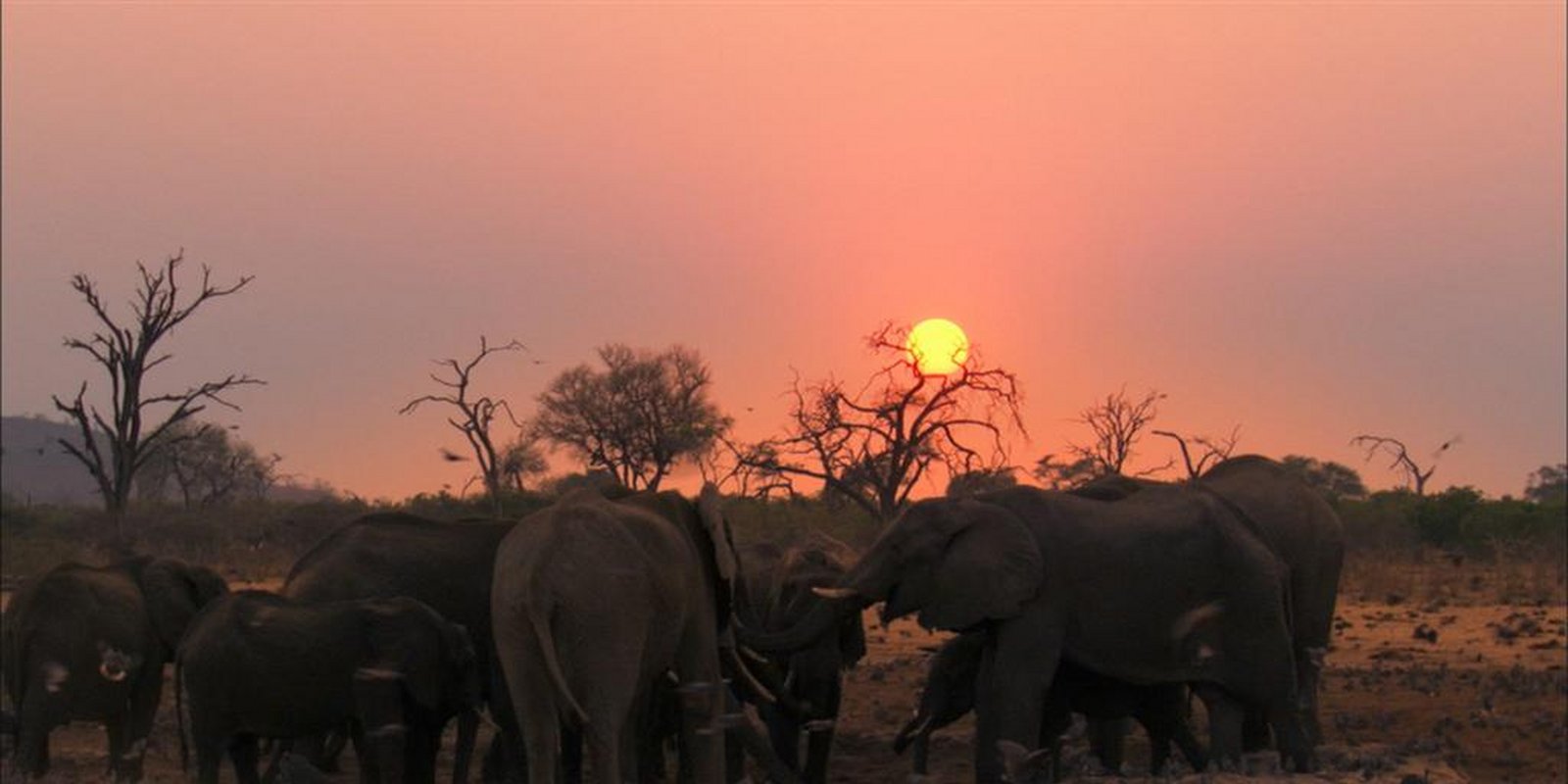
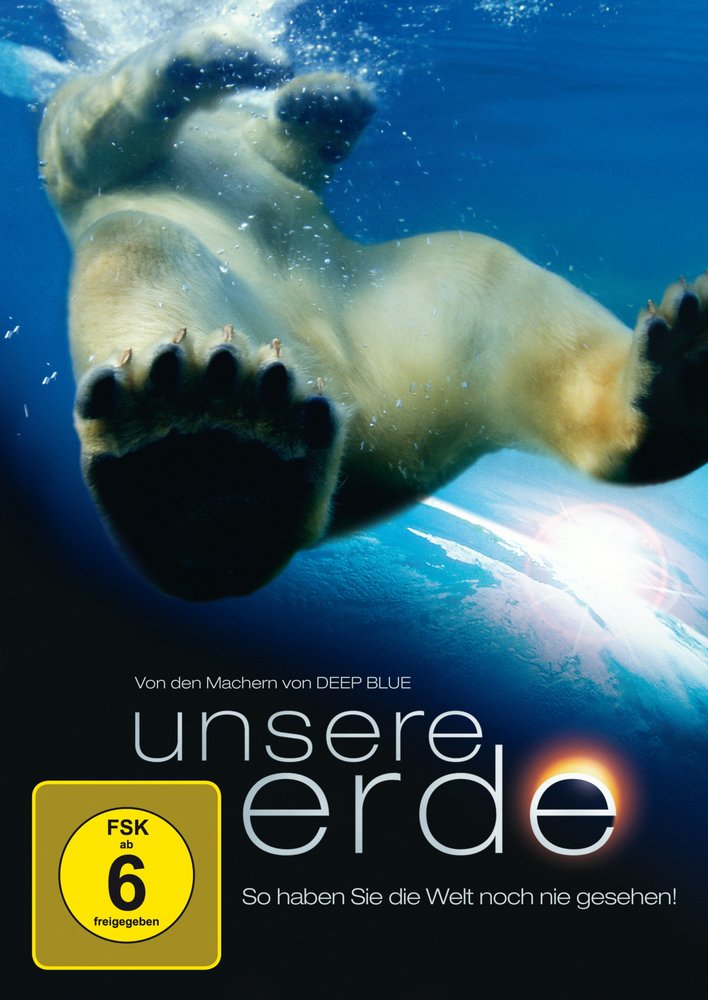
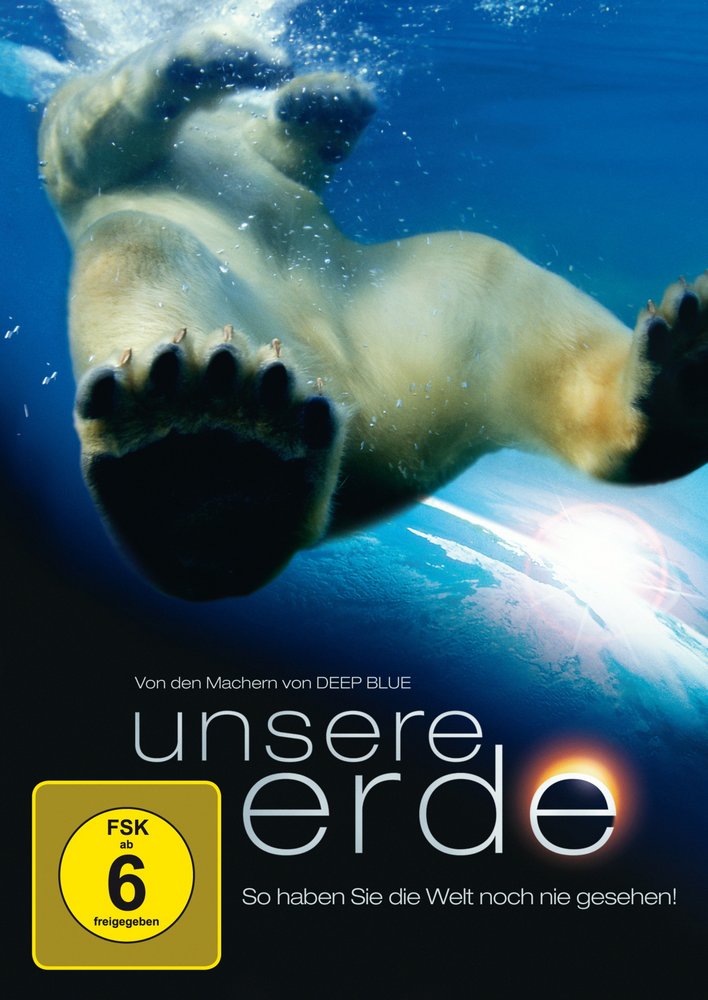
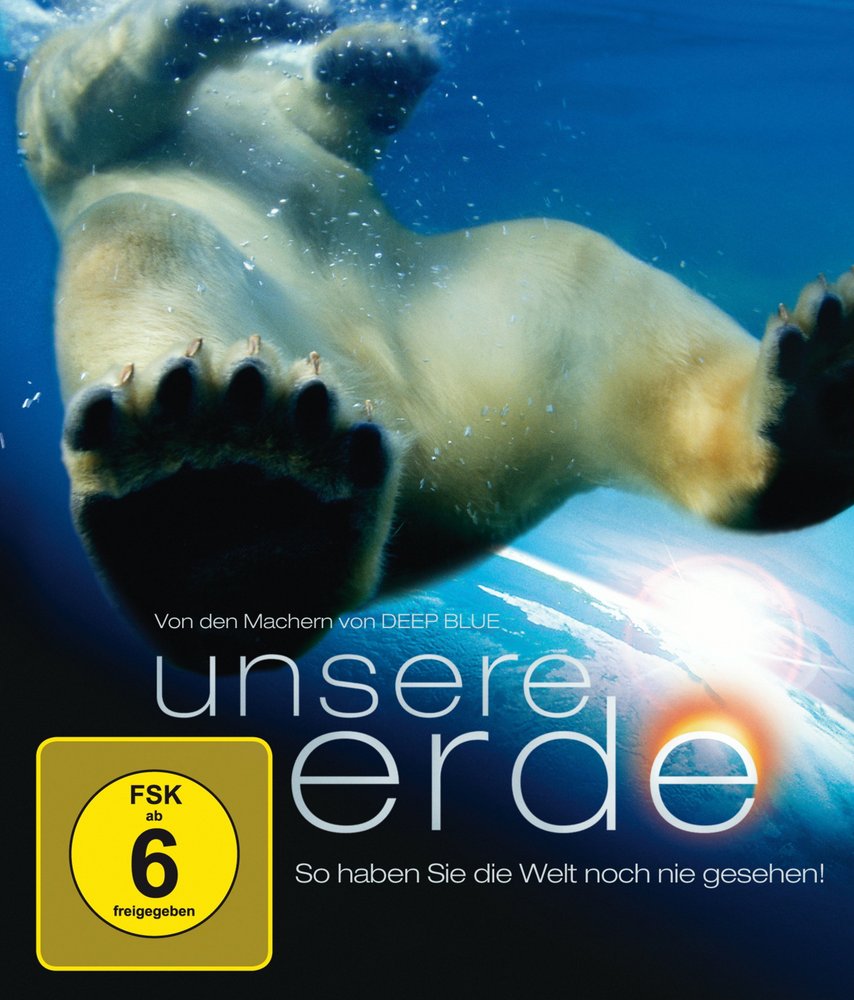
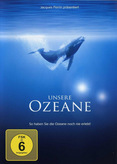
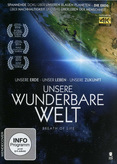
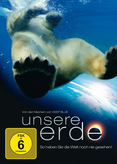
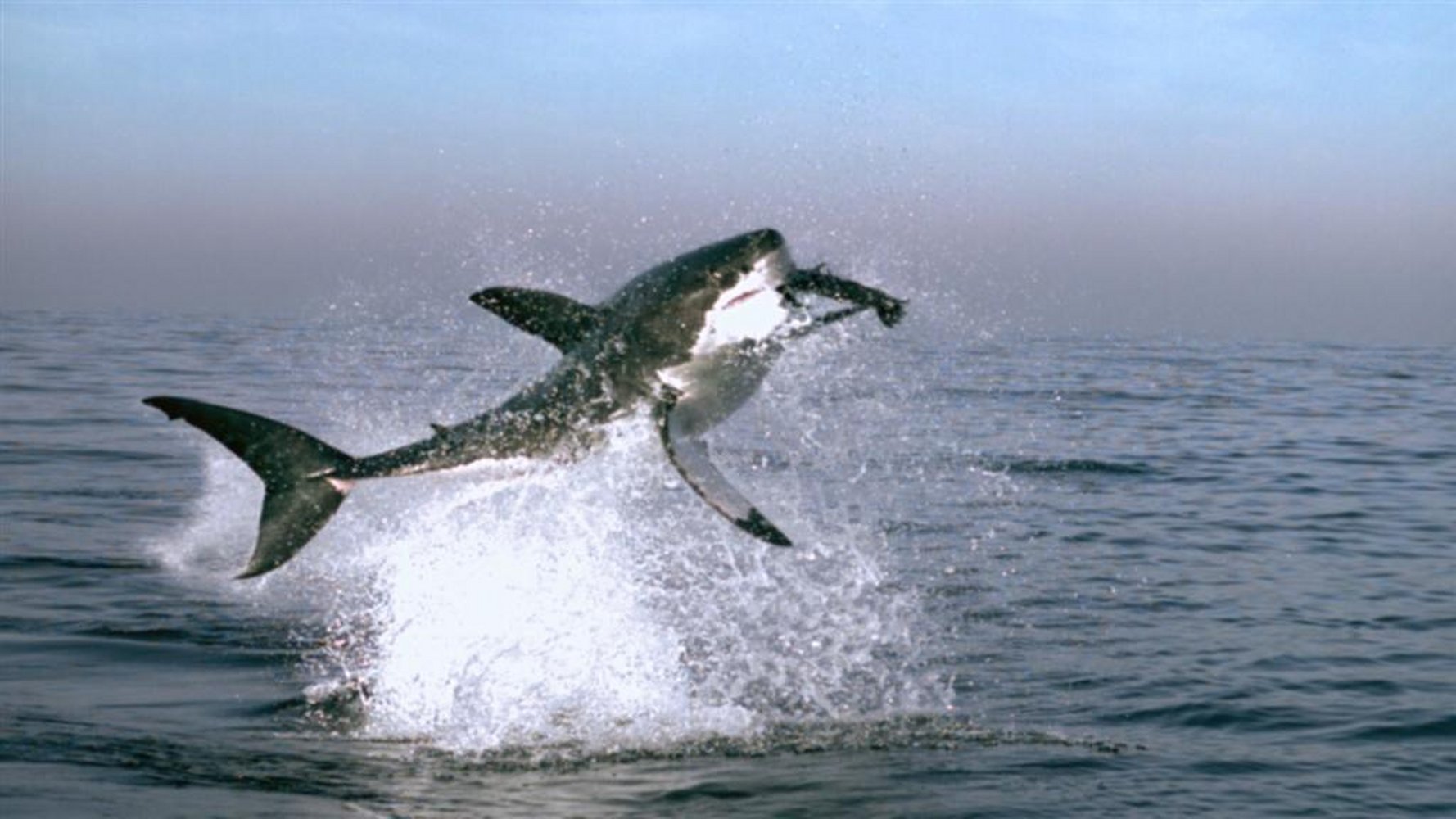
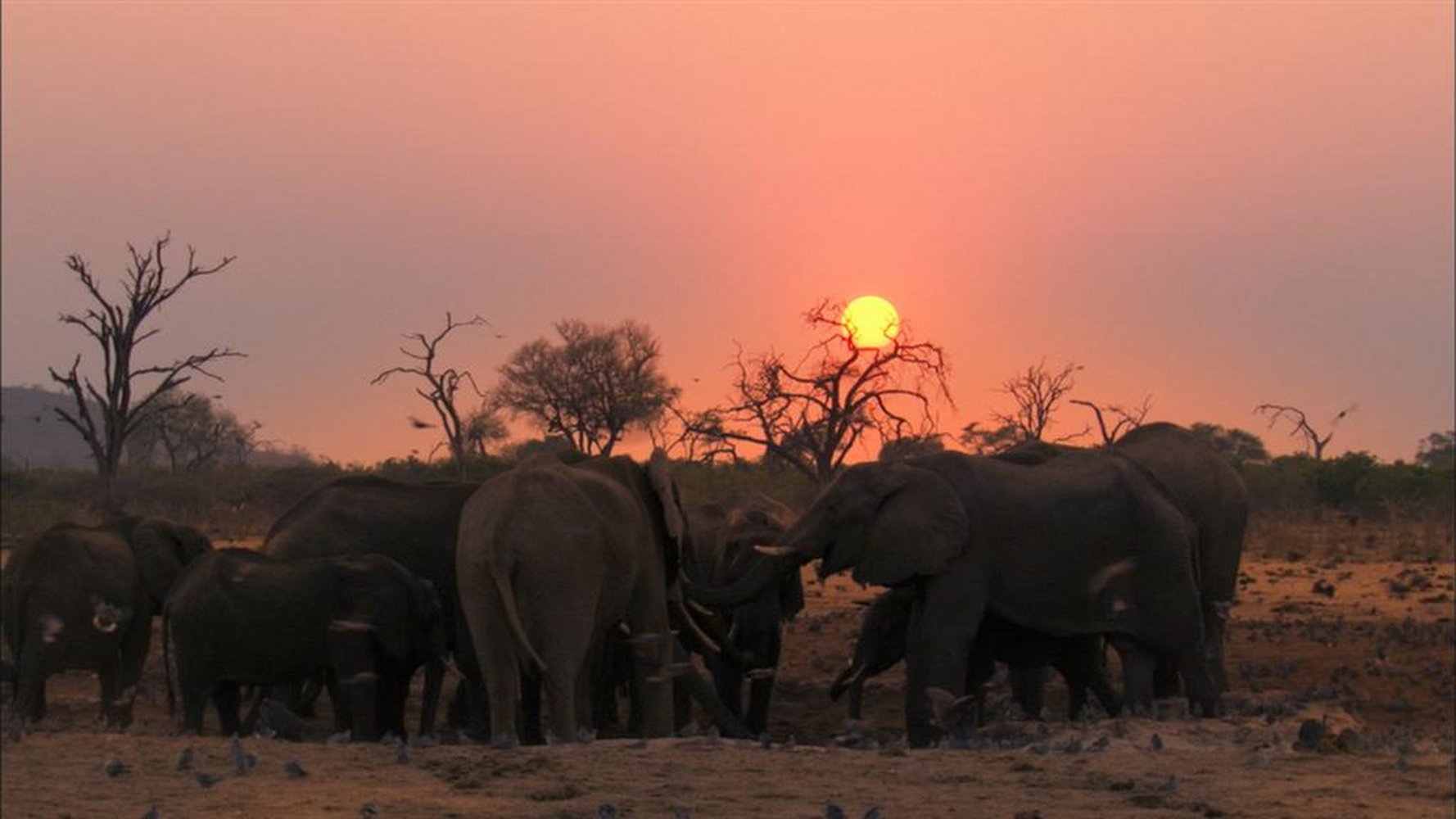
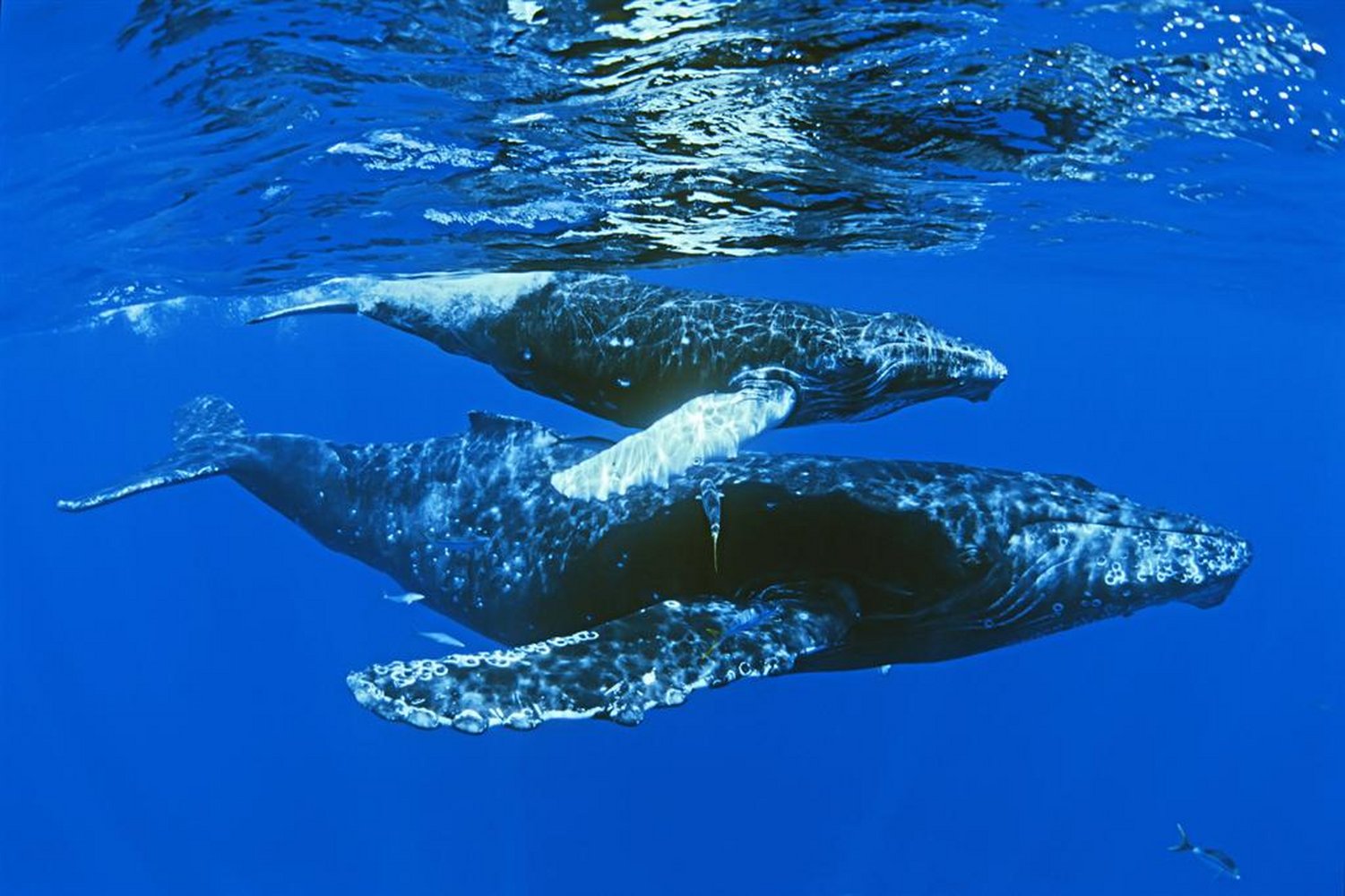
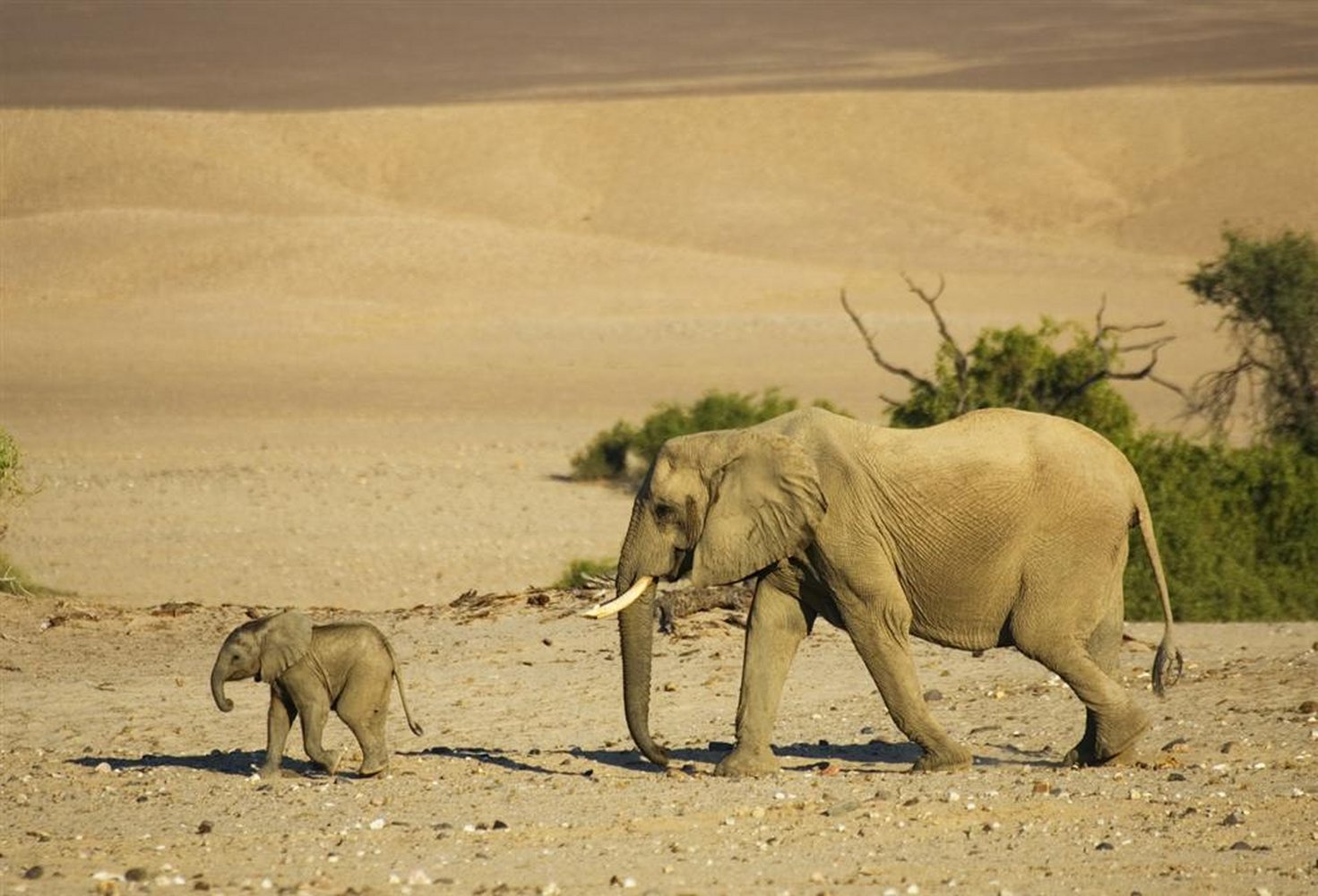
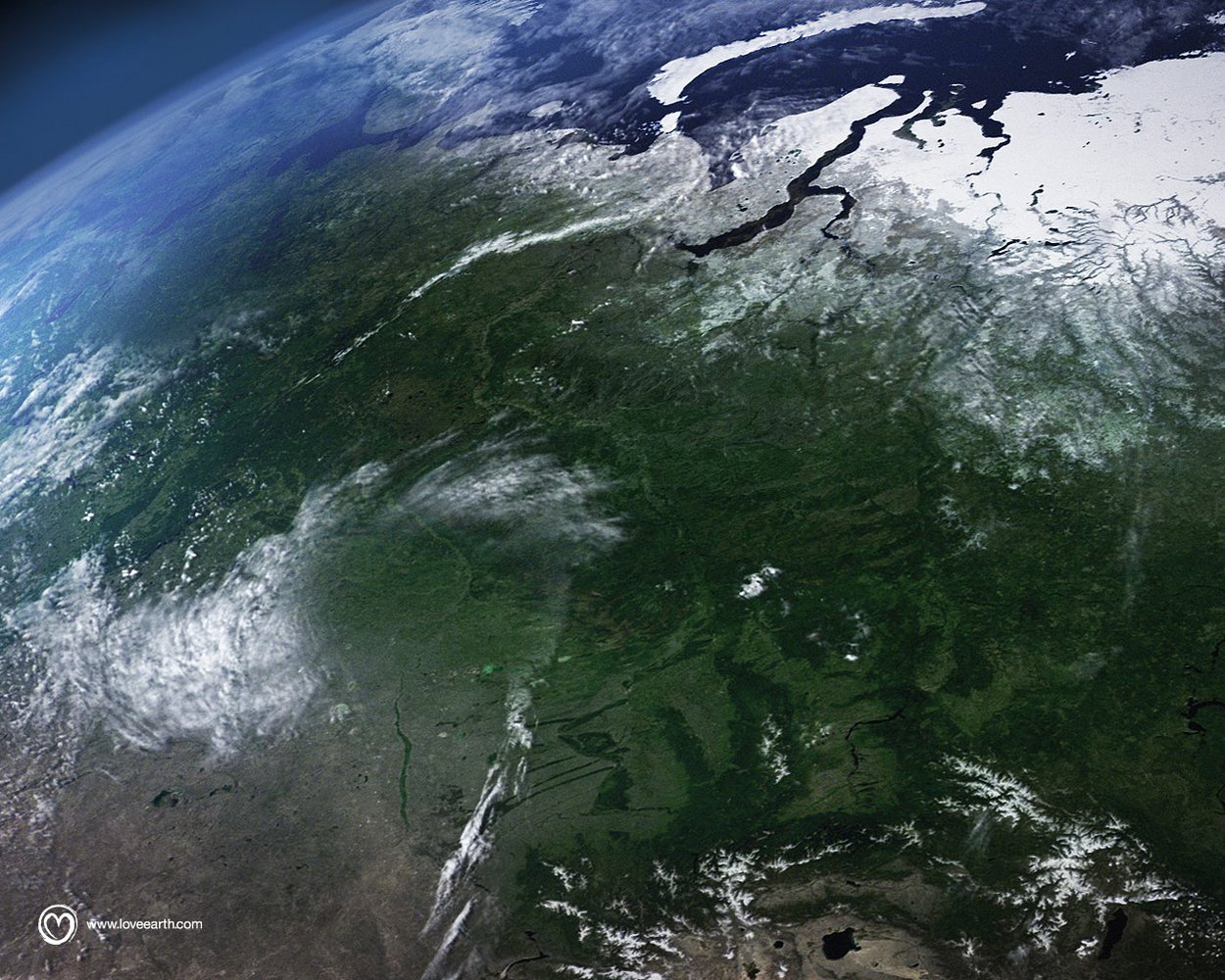
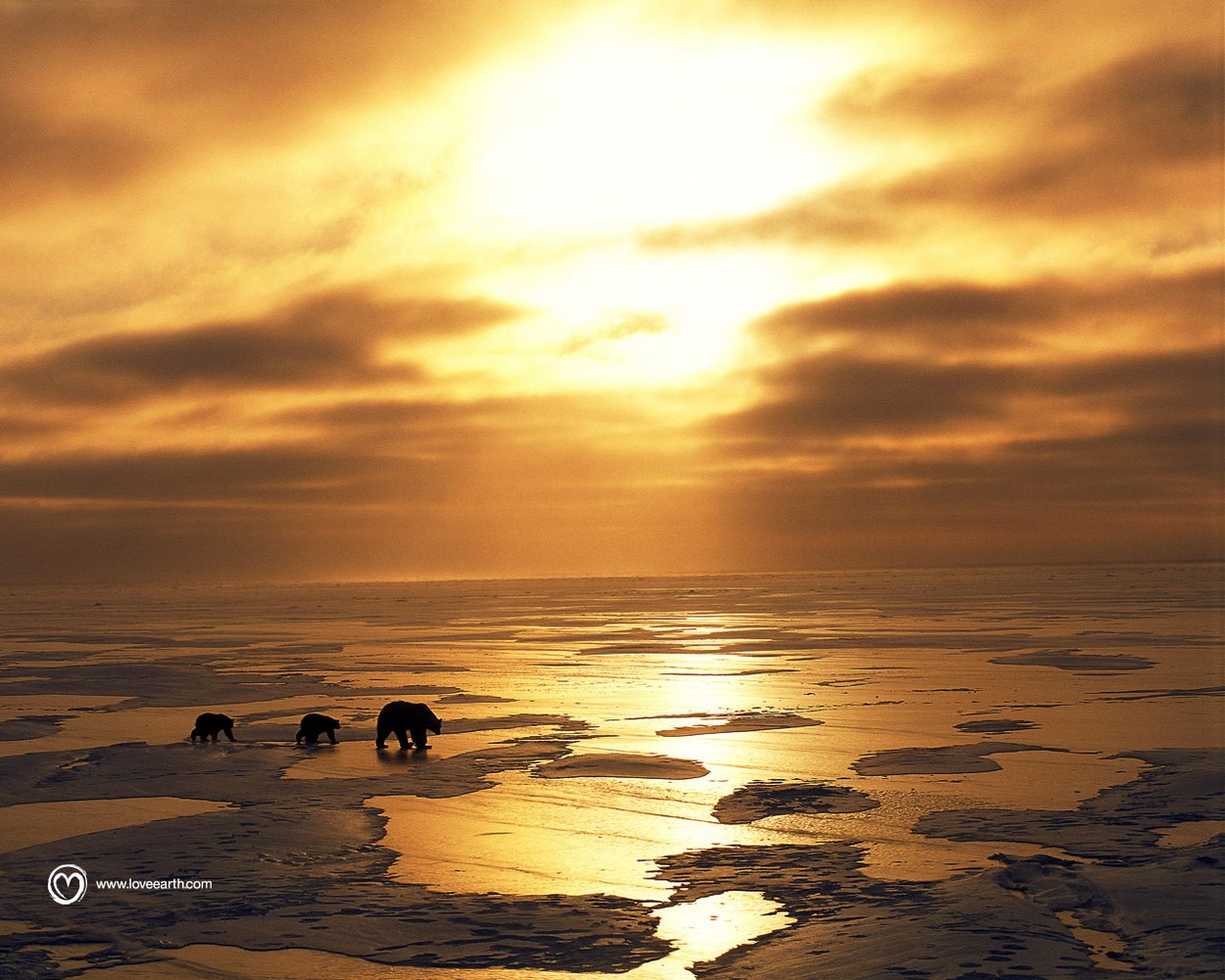
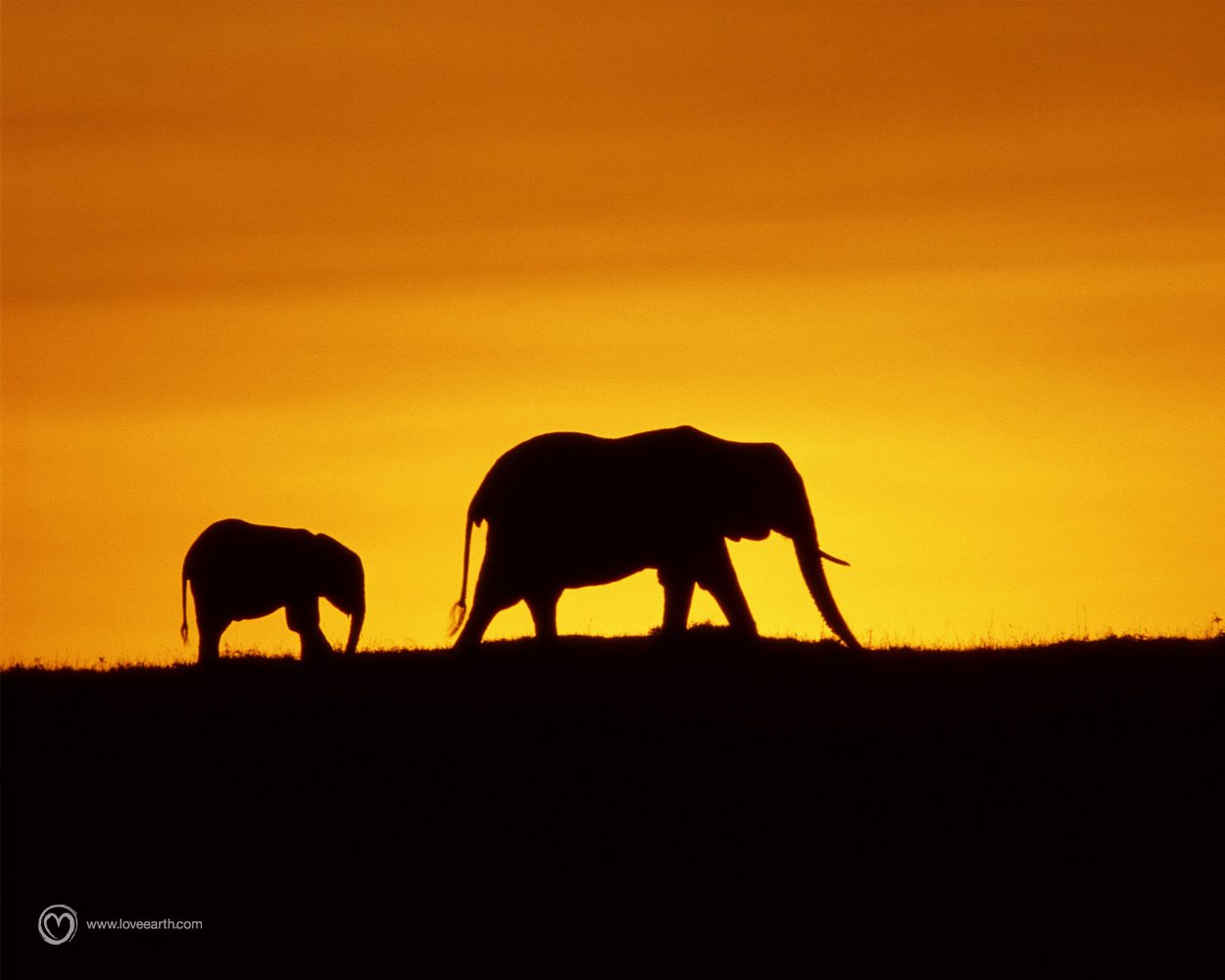
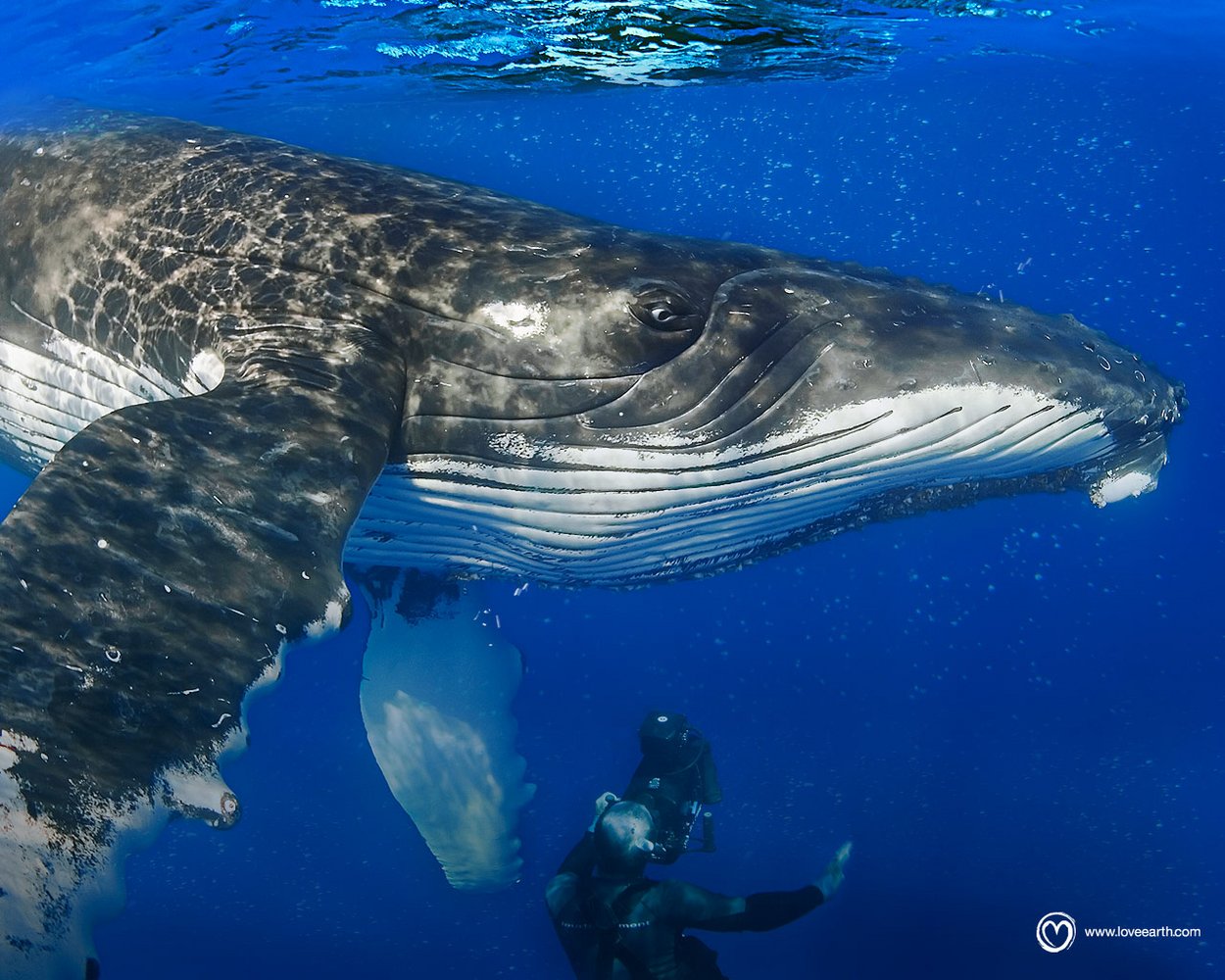
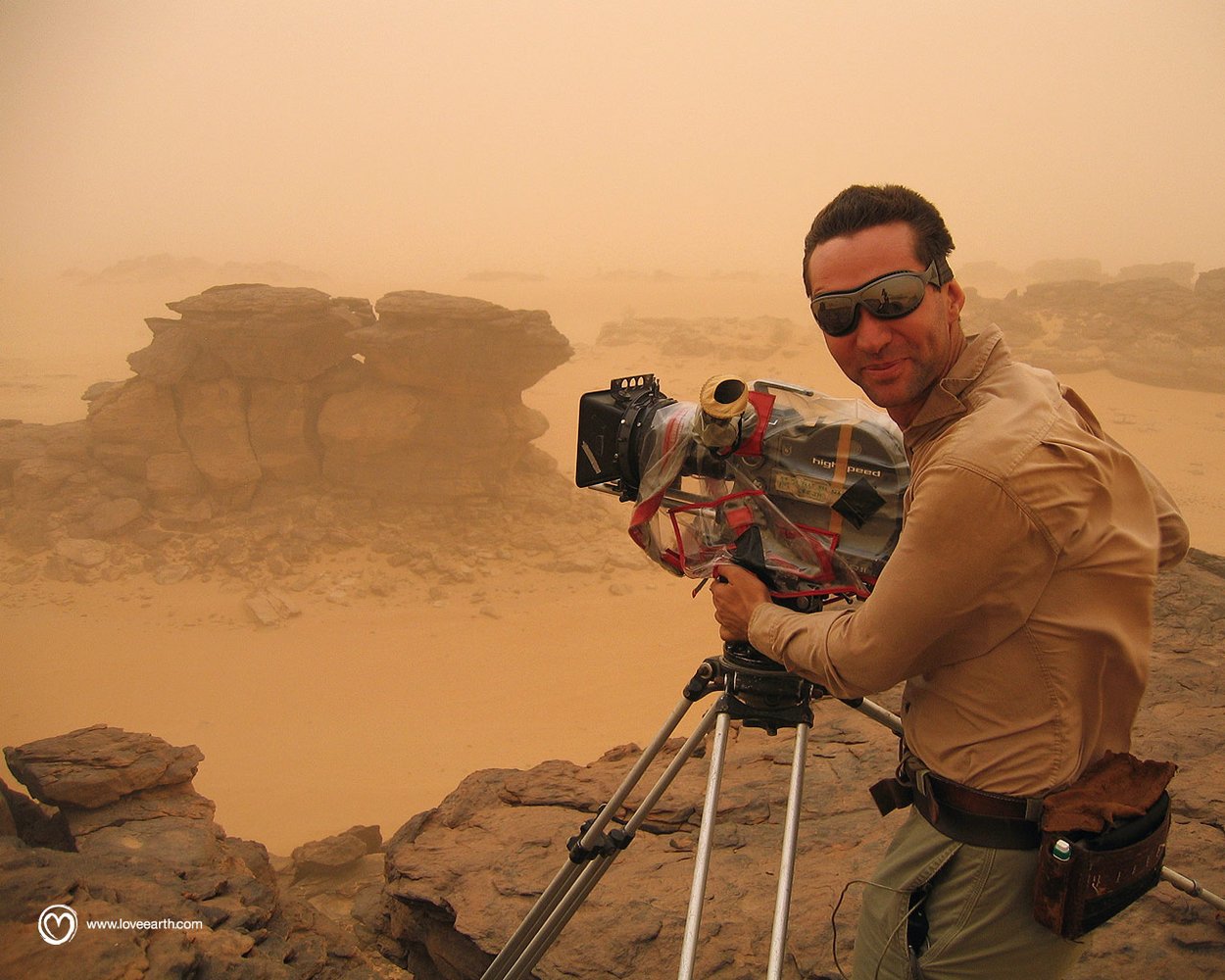
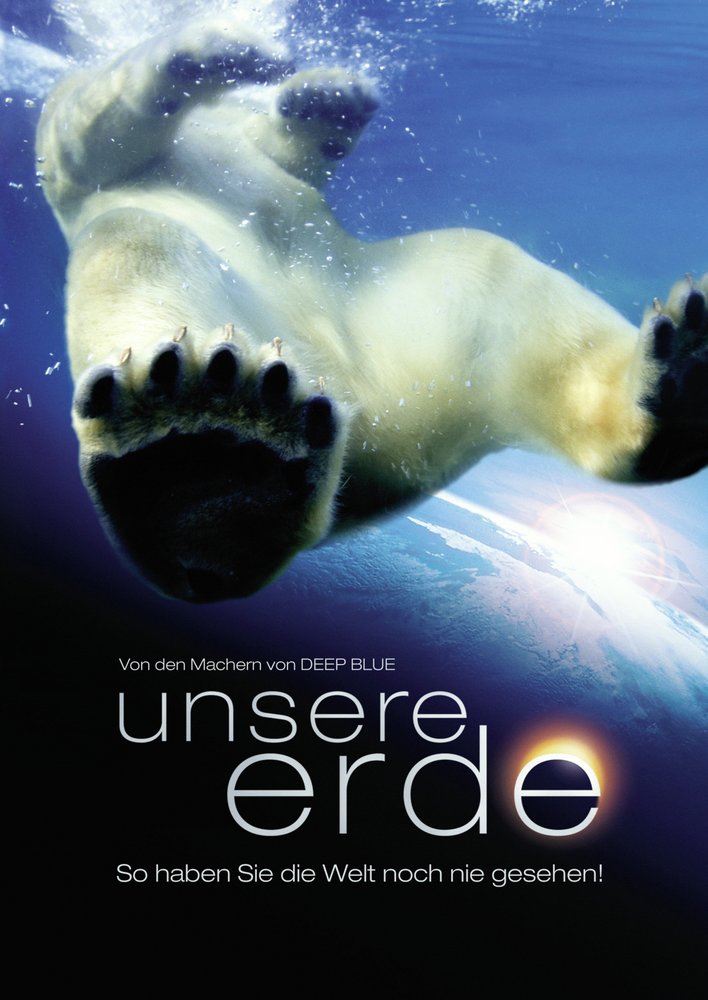
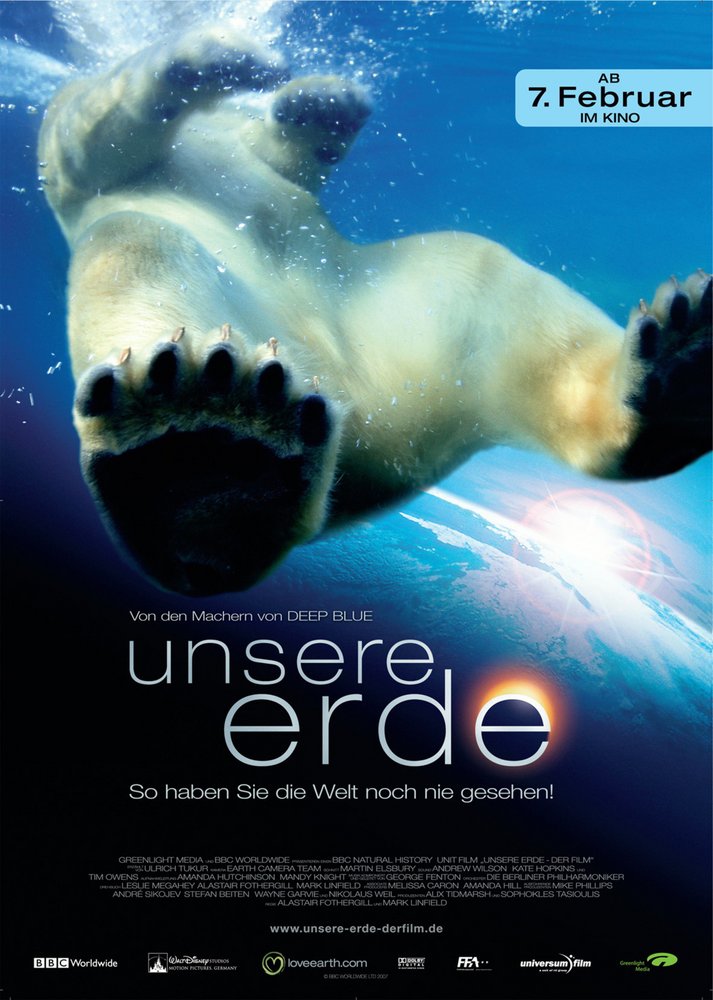
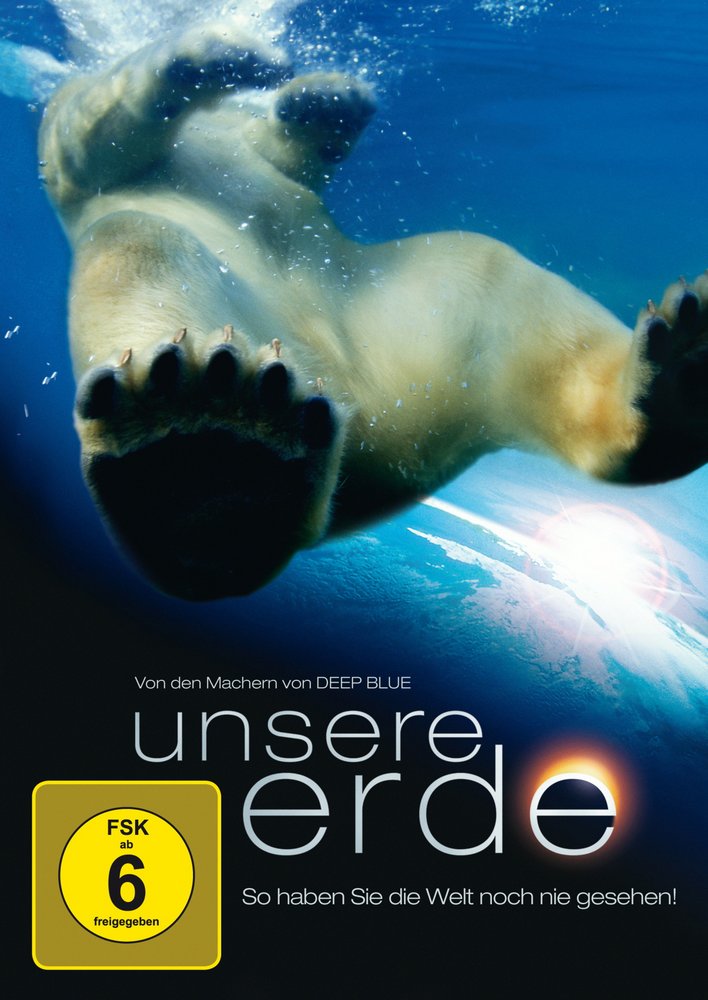
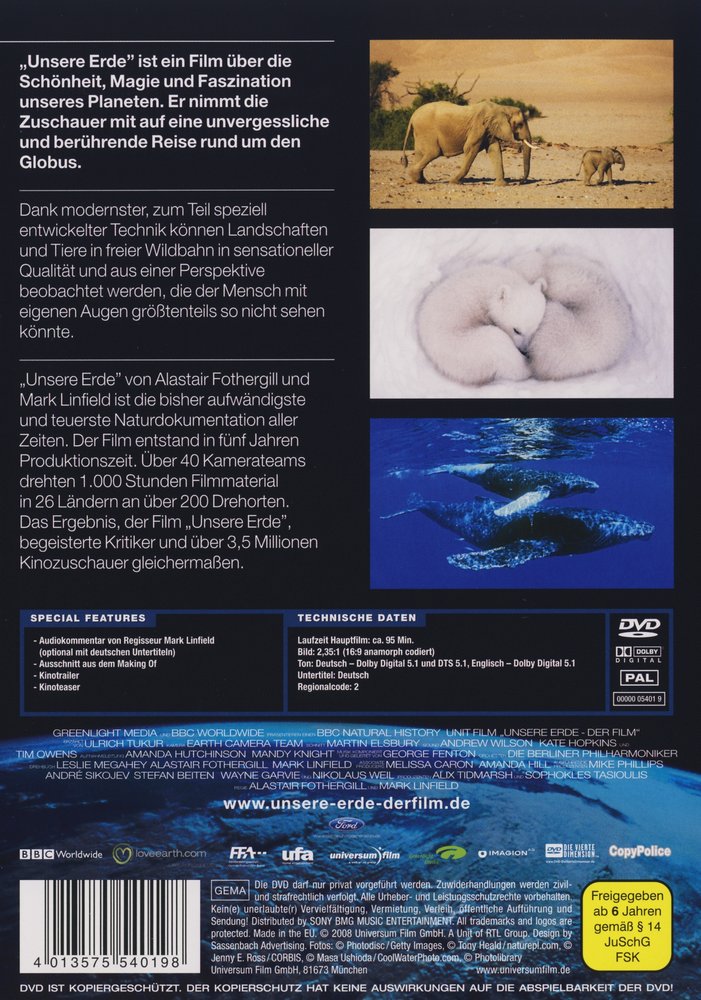
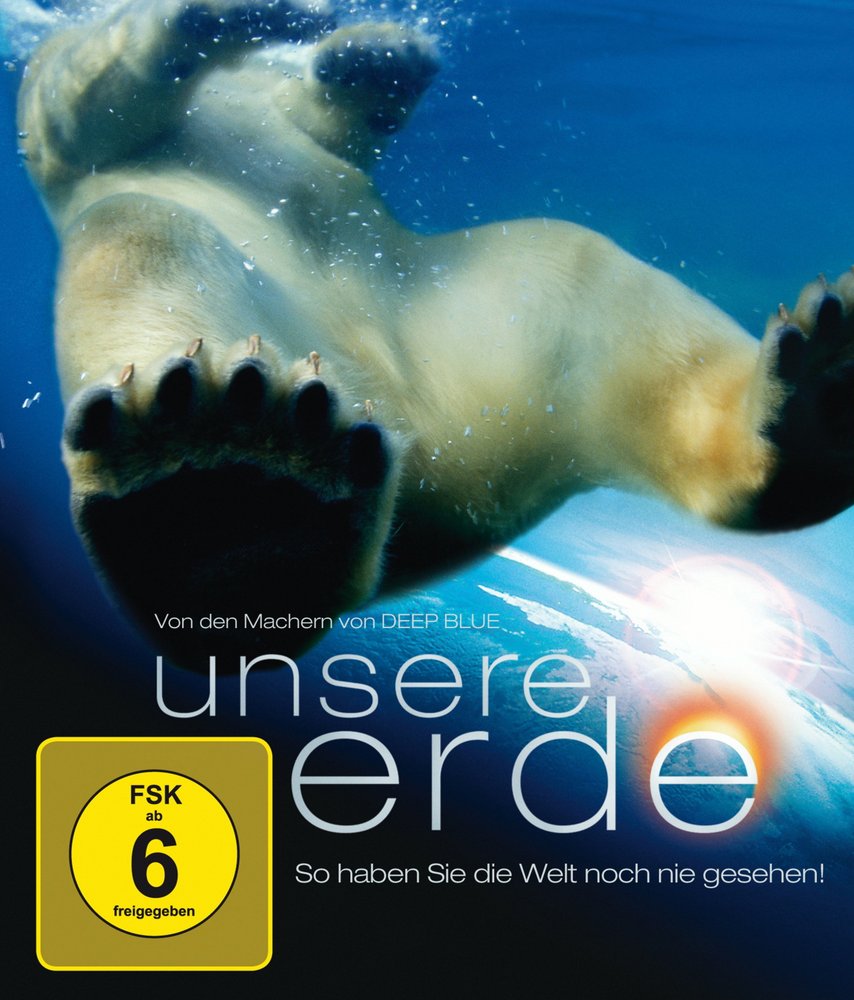
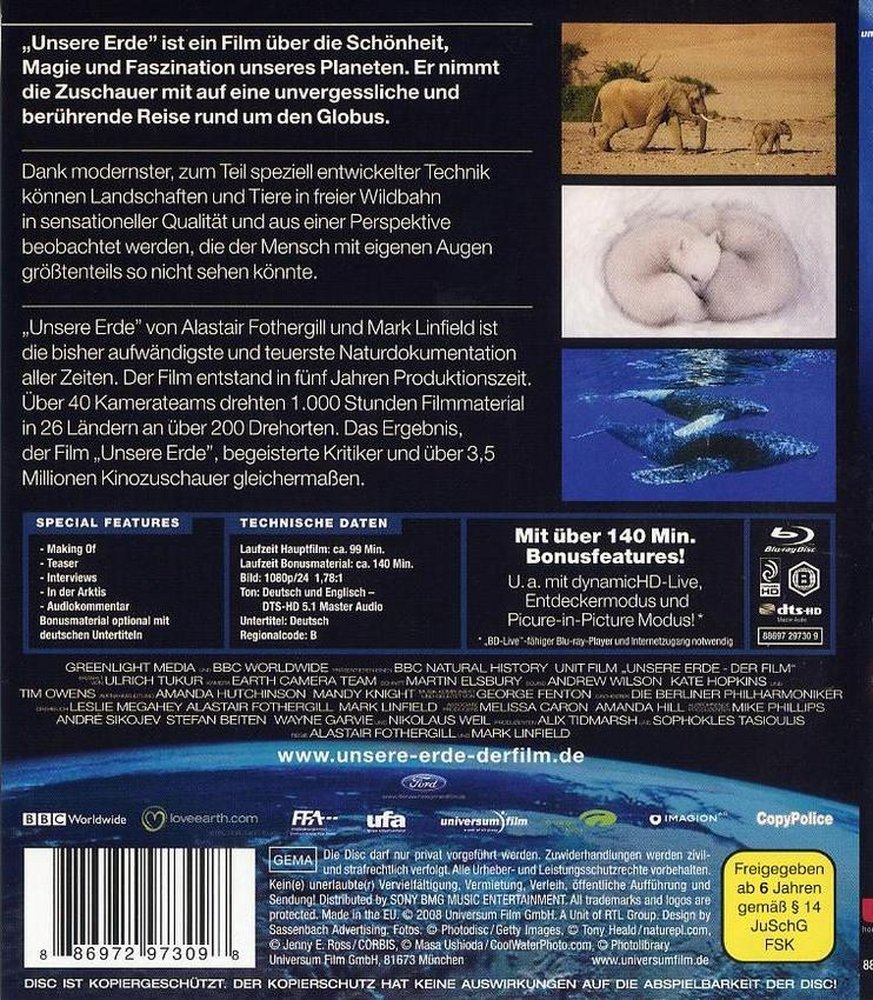
Als vor fünf Milliarden Jahren ein gigantischer Asteroid auf die Erdoberfläche stürzte, war der Aufprall so gewaltig, dass sich der Neigungswinkel der Erde verschoben hat. Und genau dieser kosmische Unfall war entscheidend für die Entstehung von Leben auf der Erde. Ohne diese Veränderung des Erdneigungswinkels gäbe es vermutlich weder die Vielfältigkeit der Landschaften noch die Jahreszeiten oder die Gegensätze von Hitze und Kälte: die Voraussetzung für die Entstehung von Leben auf der Erde überhaupt. In 'Unsere Erde' begeben wir uns auf eine Reise um den Erdball. Dabei begegnen wir drei Muttertieren, die um das Überleben ihrer Jungen kämpfen. Mit den ersten Strahlen der Frühlingssonne erwacht in der Arktis eine Eisbärenfamilie: Wird es ihr gelingen, Nahrung zu finden, bevor das lebensnotwendige Eis schmelzen wird? Am anderen Ende der Welt, im Herzen der Kalahari-Wüste, versuchen eine Elefantenkuh und ihr Junges nach einer gefahrvollen Wanderung das lebensrettende Wasserloch zu erreichen. Auf unserem letzten Reiseabschnitt folgen wir einer Buckelwalmutter. Sie muss es schaffen, ihr Jungtier sicher vom Äquator bis zur Arktis zu bringen - eine Distanz von 6000 Kilometern. Keinem Film ist es zuvor gelungen, dieses Naturschauspiel in seiner ganzen epischen Vielfalt einzufangen und dabei das Leben der Hauptdarsteller - Eisbären, Elefanten und Buckelwale - so ergreifend zu erzählen. 'Unsere Erde' von Alastair Fothergill und Mark Linfield ist die bisher aufwändigste und teuerste Naturdokumentation aller Zeiten. Der Film entstand in fünf Jahren Produktionszeit. Über 40 Kamerateams drehten 1.000 Stunden Filmmaterial in 26 Ländern an über 200 Drehorten, die zum Teil noch nie zuvor besucht wurden. Das Ergebnis begeisterte Kritiker und Zuschauer gleichermaßen. Seit dem Kinostart haben über 3,5 Millionen Zuschauer den Film gesehen, er gilt als erfolgreichste Naturdokumentation Europas der letzten zehn Jahre.
Weiterlesen »
When a gigantic asteroid crashed onto the Earth's surface five billion years ago, the impact was so powerful that the Earth's angle of inclination shifted. And it was precisely this cosmic accident that was decisive for the emergence of life on Earth. Without this change in the angle of inclination of the Earth, there would probably be neither the diversity of landscapes, nor the seasons, nor the contrasts of heat and cold: the prerequisite for the emergence of life on Earth at all. In 'Our Earth' we embark on a journey around the globe. In the process, we meet three mothers who are fighting for the survival of their young. With the first rays of the spring sun, a polar bear family awakens in the Arctic: Will they succeed in finding food before the vital ice melts? At the other end of the world, in the heart of the Kalahari Desert, a female elephant and her cub try to reach the life-saving waterhole after a dangerous hike. On our last leg of the journey we follow a humpback whale mother. She has to manage to bring her cub safely from the equator to the Arctic - a distance of 6000 kilometers. No film before has succeeded in capturing this natural spectacle in all its epic diversity and telling the lives of the main characters - polar bears, elephants and humpback whales - so poignantly. 'Our Earth' by Alastair Fothergill and Mark Linfield is the most elaborate and expensive nature documentary of all time. The film was made in five years of production. More than 40 camera teams shot 1,000 hours of film material in 26 countries at over 200 locations, some of which had never been visited before. The result thrilled critics and viewers alike. Since its theatrical release, more than 3.5 million viewers have seen the film, which is considered the most successful nature documentary in Europe in the last ten years.
Automatically translated with AI
More »