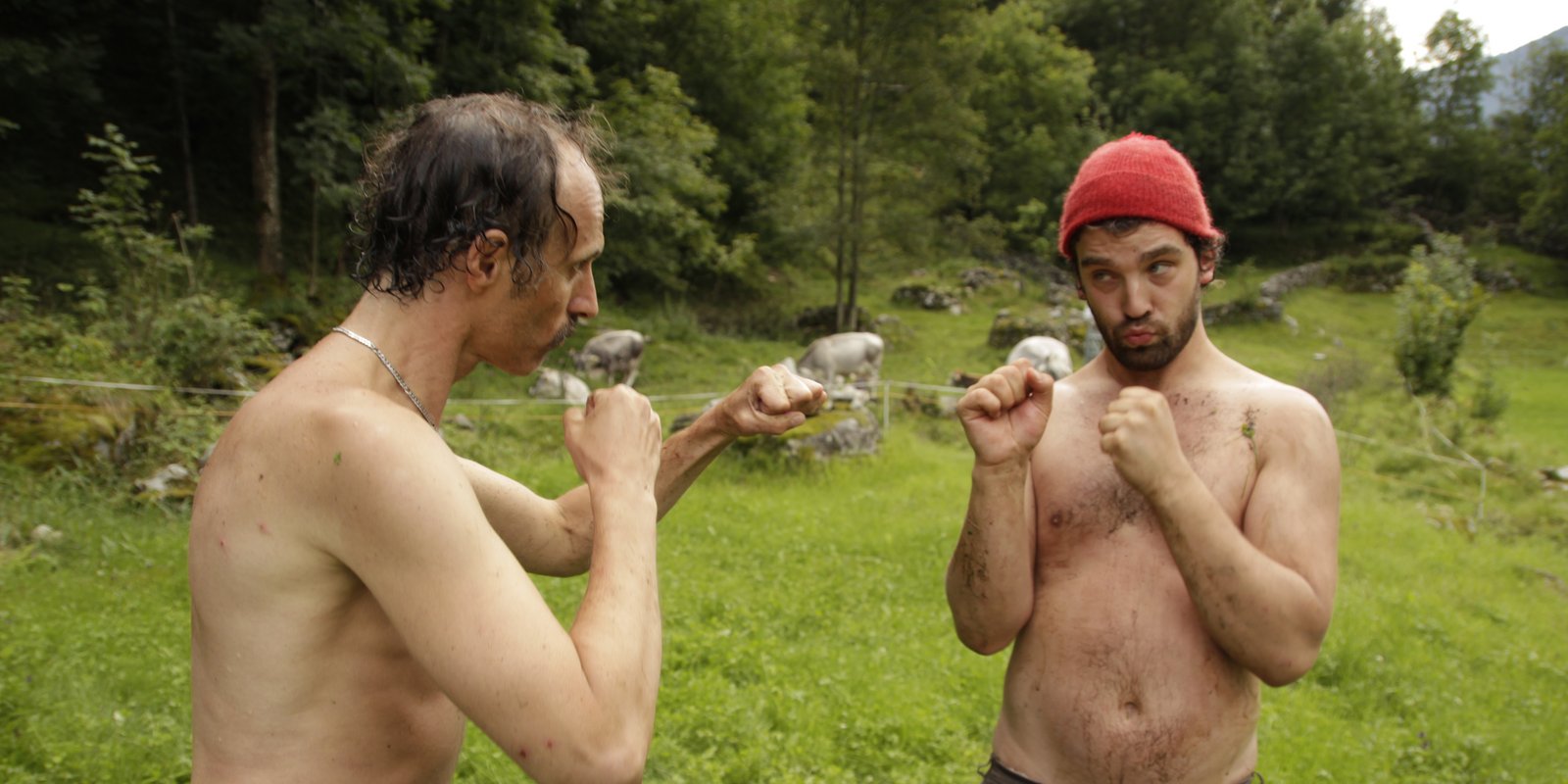
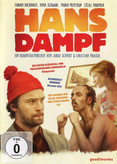
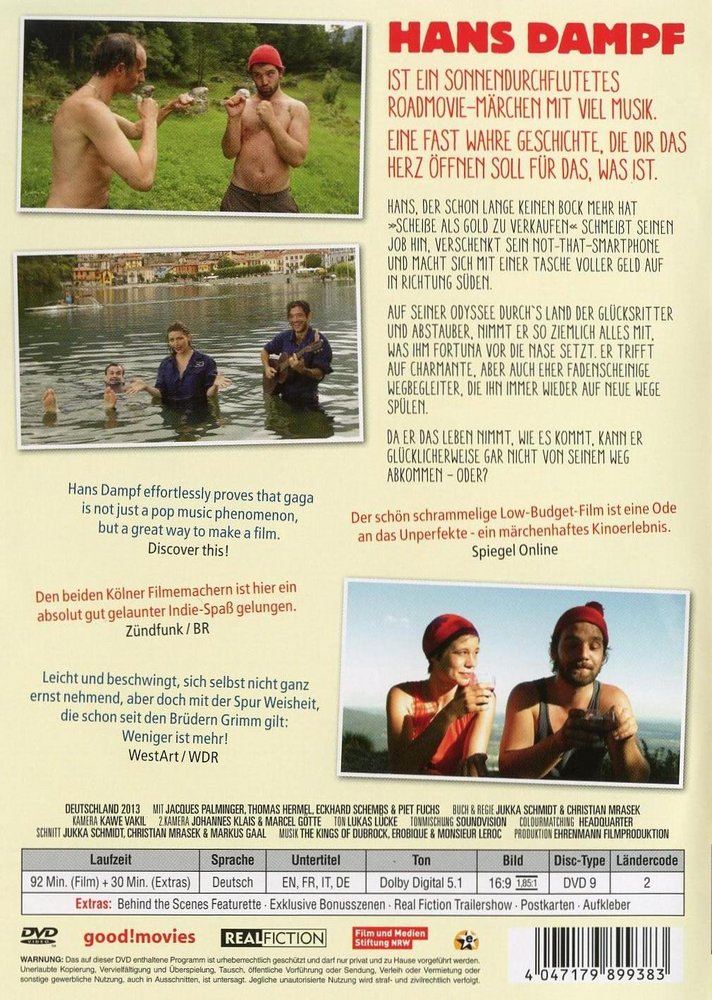
Hans (Fabian Backhaus) hat es gründlich satt, Scheiße für Gold zu verkaufen. Er hängt sein schniekes Jackett an den Nagel und lässt auch das Smartphone dahinfahren, denn für seine Sehnsucht gibt es keine App. Man hat ihm die Tasche tüchtig vollgemacht, damit er nicht mehr arbeitet - aber was nun, was tun? Ein Foto der Amalfiküste beim Italiener um die Ecke trifft den Drifter wie eine Offenbarung, schon träumt er vom Land, wo die Sonne im Meer versinkt, während der schlitzohrige Pizzabäcker ihm dazu leis ein 'O Sole Mio' singt. Es wird eine Bildungsreise der besonderen Art. Hansens Tasche mit dem Abfindungsgeld schrumpft zusehends, während er unaufhaltsam südwärts zieht, der roten Sonne entgegen. Unterwegs nimmt er so ziemlich alles mit, was ihm Fortuna vor die Nase setzt - seien es ungewöhnliche Tauschgelegenheiten wie Geld gegen VW-Bus, Bus gegen Motordreirad, Dreirad gegen Gummiboot oder schräge Reisegefährten wie die überaus charmante Rose (Cécile Marmier) und der leicht fadenscheinig wirkende Anhalter Django (Mario Mentrup). Verblüfft beobachten wir, wie alle ihre eigenen Pläne mit unserem arglosen Helden verfolgen und ihn am Ende doch immer seinem Ziel näher bringen. Im Süden angekommen, lernen Hans und Django die geheimnisvoll Fee (Nina Schwabe) kennen, die Django ihm dreist vor der Nase wegschnappt, nur um sich direkt am nächsten Tag aus dem Staub zu machen. Ein weiterer Glücksfall für unseren Hans, auch wenn das Glück manchmal anders aussieht, als man denkt. Alles könnte so schön sein, aber da ist ja noch das Amalfibild. Die Unruhe wächst unter Hansens roter Bommelmütze und wir wissen, bald schon muss er weiter, denn sein Weg ist sein Ziel und einem Rendezvouz mit dem Schicksal geht man bekanntlich selten aus dem Weg...
Der Film 'Hans Dampf' ist ein buntes Roadmoviemärchen mit viel Musik, eine fast wahre Geschichte, die einem das Herz öffnet, für das, was ist. Statt sich über Verlorenes oder Vergangenes zu grämen oder sich über die Zukunft Sorgen zu machen, umarmt unser Hans freudig sein Schicksal und immer dann kommt ihm das Glück entgegen. Und das sieht immer wieder anders aus, als man denkt. Dank des großartigen Einsatzes aller Beteiligten konnte dieses Roadmoviemärchen mit einem Mikrobudget von 50.000 Euro ohne Fernsehbeteiligung und Corporate-Sponsoring gedreht und fertig gestellt werden. Selbst- und Fremdausbeutung natürlich leider inbegriffen, eine ganze Menge Spaß allerdings auch. Als Ehrenmann-Filmproduktion war man sehr auf gute Stimmung und gute Arbeitsbedingungen bedacht - das bedeutet zum Beispiel: Keine übertrieben langen Drehtage, öfter mal Fünfe gerade sein lassen und auch der Koch darf mitreden. Wenn die Leute schon auf Rückstellungsbasis mitarbeiten, soll auch ein bisschen Urlaubsstimmung aufkommen. Dass das Team offen für neue Ideen war, hat dem Film auf jeden Fall gut getan. Die Dreharbeiten begannen im Juli 2011 in Köln, wo sich die Beteiligten erst einmal eingrooven mussten. Dann ging es mit drei Bussen, einem Küchenanhänger und einem Dutzend Leute in Richtung Süden. Nach diversen gemeinsamen Seebädern, Saunagängen und feinen Menüs war die Flotte auf Kurs und auch Produzenten und Regisseure konnten sich mal einen aufflocken. Als sie am Lago Mergozzo dann auf die extra aus dem Urlaub angereisten 'Kings of Dub Rock' trafen, ging mal wieder nicht nur im Herzen die Sonne auf. Der Song 'Il Viaggio Lungo alla Fortuna' für die Traumsequenz mit dem musikalischen Mechanikertrio wurde in der Nacht vor dem Dreh in der Low-Budget-Nobelherberge mit heißer Nadel gestrickt und war am nächsten Abend im Kasten. Im Valle Verzasca hatte man dann Ziegen vor dem Haus und Spaß mit der 78er 'Ape' und einem 'Bolero' von der Kölner Bootswerft 'Pischelmarine', Baujahr 77 - einem Schlauchboot, das sie für keine Abwrackprämie der Welt hergeben würden. Die Standardantwort auf die Frage aus dem Team, wann denn am nächsten Tag Drehbeginn sei, lautete meist ungefähr so: "Also nach dem Frühstück fahren wir mit Kawe (unserem Kameramann) erstmal eine geile Location suchen." Oft war man schon froh, wenn man wusste, WO man dreht. Beim Gondeldreh am Lago Maggiore waren sie einigermaßen überrascht, als die Seilbahn unerwartet ihren Betrieb einstellte und das ganze Team musste mit geschultertem Equipment den Abstieg an den See zu Fuß absolvieren - mit Flipflops im Zickzack durch Brennnesselfelder. Irgendwann wurde klar, dass Budget und Zeit nicht ausreichen würden, um den Schluss des Films wie geplant an der Amalfiküste zu drehen. Zum Glück konnte auch das ihre Laune nicht trüben und dank des großartigen Locationscouts Tim ließen sich alle Motive rund um den Lago Maggiore finden. Beschränkte Mittel sind der Kreativität eben immer zuträglich und so wurde mal wieder vieles besser als geplant. Am 15. August - dem letzten Drehtag und Playback-Dreh zu Adriano Celentanos 'PayPay Pay' lief alles wie geschmiert und in bester Stimmung nahm man Abschied von Italien mit einer Träne im Knopfloch. Dass der Sommer pünktlich zum Nachdreh am 3. Oktober dann auch nach Deutschland zurückkam, könnte man als Zufall bezeichnen - da glauben sie aber nicht mehr dran. Herzlichen Glückwunsch an alle, die geholfen haben, ihre Version von 'Hans im Glück' erst ins Kino und dann ins Heimkino zu bringen.
Weiterlesen »
Hans (Fabian Backhaus) is thoroughly tired of selling shit for gold. He hangs up his snazzy jacket and lets his smartphone drive away, because there is no app for his longing. His pocket has been filled so that he no longer works - but what now, what to do? A photo of the Amalfi Coast at the Italian restaurant around the corner hits the drifter like a revelation, and he is already dreaming of the land where the sun sinks into the sea, while the sly pizza baker quietly sings him a 'O Sole Mio'. It will be an educational trip of a special kind. Hansen's bag with the severance money shrinks visibly as he moves inexorably southwards, towards the red sun. On the way, he takes pretty much everything that fortune puts in front of his nose - be it unusual exchange opportunities such as money for a VW bus, bus for a motor tricycle, tricycle for rubber boat or weird travel companions like the extremely charming Rose (Cécile Marmier) and the slightly flimsy-looking hitchhiker Django (Mario Mentrup). Stunned, we watch as everyone pursues their own plans with our unsuspecting hero and in the end always brings him closer to his goal. Once in the south, Hans and Django meet the mysterious fairy (Nina Schwabe), who brazenly snatches Django from under his nose, only to make off the next day. Another stroke of luck for our Hans, even if luck sometimes looks different than you think. Everything could be so beautiful, but there is still the Amalfi picture. The restlessness grows under Hansen's red bobble hat and we know that soon he will have to move on, because his path is his goal and as we all know, you rarely avoid a rendezvous with fate...
The film 'Hans Dampf' is a colourful road movie fairy tale with lots of music, an almost true story that opens your heart to what is. Instead of grieving over what has been lost or the past or worrying about the future, our Hans joyfully embraces his fate and luck always comes to meet him. And that always looks different than you think. Thanks to the great commitment of all those involved, this road movie fairy tale could be shot and completed with a micro-budget of 50,000 euros without television participation and corporate sponsorship. Of course, self-exploitation and exploitation of others are unfortunately included, but also a lot of fun. As a Ehrenmann film production, they were very concerned about a good atmosphere and good working conditions - this means, for example: No excessively long shooting days, more often let the joke be straight and the chef is also allowed to have a say. If people are already working on a reserve basis, a bit of holiday mood should also arise. The fact that the team was open to new ideas definitely did the film good. Filming began in July 2011 in Cologne, where the participants first had to get into the groove. Then we went south with three buses, a kitchen trailer and a dozen people. After various joint sea baths, sauna sessions and fine menus, the fleet was on course and producers and directors were also able to flocculate. When they met the 'Kings of Dub Rock' at Lago Mergozzo, who had come especially from vacation, the sun rose once again, not only in their hearts. The song 'Il Viaggio Lungo alla Fortuna' for the dream sequence with the musical mechanic trio was knitted with a hot needle the night before the shoot in the low-budget luxury hotel and was in the can the next evening. In the Valle Verzasca you had goats in front of the house and fun with the 78 'Ape' and a 'Bolero' from the Cologne boatyard 'Pischelmarine', built in 77 - an inflatable boat that they would not give away for any scrapping bonus in the world. The standard answer to the question from the team when filming would start the next day was usually something like this: "So after breakfast, we'll go with Kawe (our cameraman) to look for a great location." Often you were happy to know WHERE you were shooting. During the gondola turn on Lake Maggiore, they were somewhat surprised when the cable car unexpectedly stopped operating and the whole team had to complete the descent to the lake on foot with equipment on their shoulders - zigzagging through nettle fields with flip-flops. At some point, it became clear that the budget and time would not be enough to shoot the end of the film on the Amalfi Coast as planned. Fortunately, this could not dampen their mood and thanks to the great location scout Tim, all motifs around Lake Maggiore could be found. Limited means are always conducive to creativity and so once again many things turned out better than planned. On August 15 - the last day of shooting and playback shooting for Adriano Celentano's 'PayPay Pay' everything went like clockwork and in the best of moods they said goodbye to Italy with a tear in their buttonhole. The fact that summer came back to Germany just in time for the reshoot on October 3 could be described as a coincidence - but they no longer believe in it. Congratulations to everyone who helped bring their version of 'Hans im Glück' first to the cinema and then to the home cinema.
Automatically translated with AI
More »