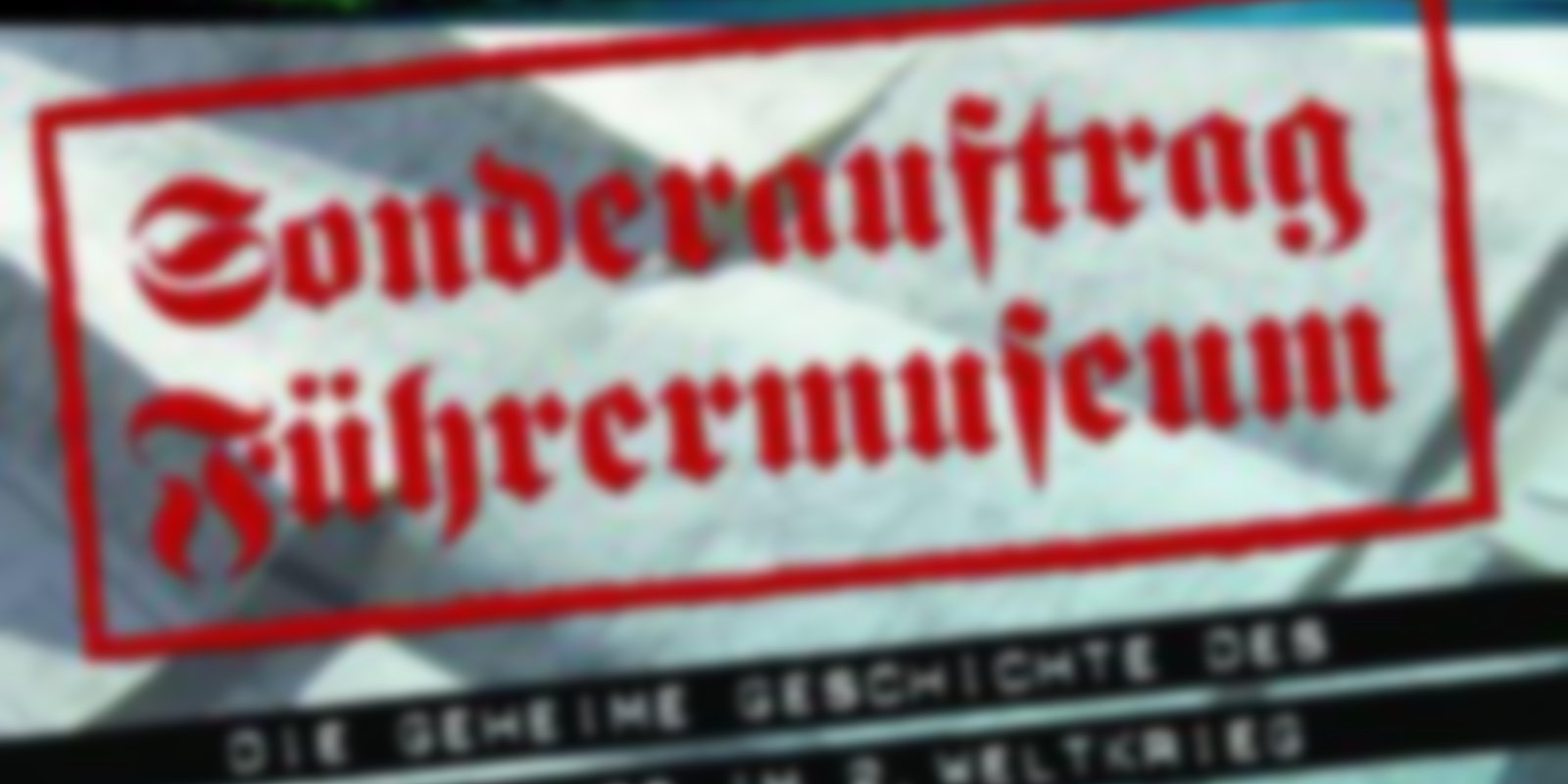
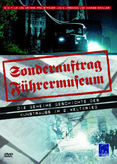
Die Linzer jubeln und schwenken die Fahnen: Es ist der 13. März 1938 und Adolf Hitler ist in Österreich einmarschiert. Zum Dank für diesen triumphalen Empfang gedenkt der Führer, den Bewohnern dieser Provinzstadt ein einmaliges Museum zu schenken und sich wenigstens als Kunstkenner ein - sehr zweifelhaftes - Denkmal zu setzen, sieht Hitler sich doch selbst als verhinderten Künstler. Auf Geheiß des Führers werden Modelle für das Gebäude erstellt und die Kunstsammlungen Europas durch getarnte deutsche Wissenschaftler ausspioniert. Am 1. September 1939 bricht der Zweite Weltkrieg über den Kontinent herein. Und der größte Kunstraub der Geschichte nimmt seinen Lauf. Anhand des Schicksals des Genter Altars von Jan van Eyck spielt der Dokumentarfilm die Jagd nach den berühmtesten Gemälden und Kunstschätzen Europas nach. Er erzählt spannender als jeder Krimi von der Odyssee der Kostbarkeiten und dem verzweifelten Kampf derjenigen, die sich geschworen hatten, sie gegen Plünderung und Vernichtung zu schützen. Er berichtet von der Gier der Mächtigen, die auch nach 1944 keine Grenzen kannte: Nachdem das Blatt sich gewendet hatte, plante Stalin, unter dem Deckmantel der Wiedergutmachung, der unschätzbar wertvollen Beutekunst habhaft zu werden. Damit begab er sich jedoch in einen Wettlauf mit den Westalliierten, deren erklärtes Ziel es war, die Symbole der Zivilisation zu retten. Das Salzbergwerk im kleinen österreichischen Dorf Altaussee wird im April 1945 zum Ort des spektakulären Showdowns.
Die DVD 'Sonderauftrag Führermuseum' zeigt die folgenden 2 Teile:
01. Hitlers Museum: 1939-1942/43 (ca. 51 Minuten)
02. Der Wettlauf: 1944-1945 (ca. 51 Minuten)
Weiterlesen »
The people of Linz cheer and wave their flags: It is March 13, 1938 and Adolf Hitler has invaded Austria. In gratitude for this triumphant reception, the Führer intends to give the inhabitants of this provincial town a unique museum and to erect a - very dubious - monument to himself, at least as an art connoisseur, since Hitler sees himself as a prevented artist. At the behest of the Führer, models of the building are created and the art collections of Europe are spied on by disguised German scientists. On September 1, 1939, the Second World War broke out over the continent. And the biggest art theft in history takes its course. Based on the fate of the Ghent Altarpiece by Jan van Eyck, the documentary re-enacts the hunt for Europe's most famous paintings and art treasures. More excitingly than any crime novel, it tells of the odyssey of treasures and the desperate struggle of those who had sworn to protect them against plundering and annihilation. He reports on the greed of the powerful, which knew no bounds even after 1944: After the tide had turned, Stalin planned to get hold of the priceless looted art under the guise of reparations. In doing so, however, he entered into a race with the Western Allies, whose declared goal was to save the symbols of civilization. The salt mine in the small Austrian village of Altaussee becomes the site of the spectacular showdown in April 1945.
The DVD 'Sonderauftrag Führermuseum' shows the following 2 parts:
01. Hitler's Museum: 1939-1942/43 (approx. 51 minutes)
02. The race: 1944-1945 (approx. 51 minutes)
Automatically translated with AI
More »