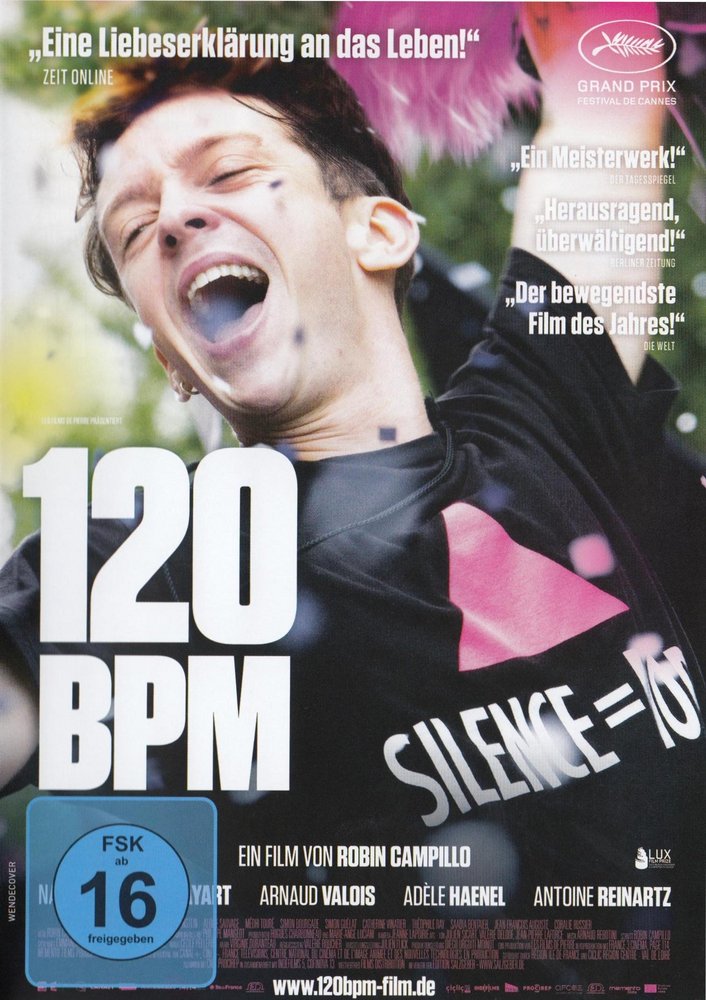
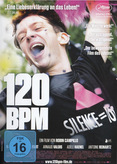
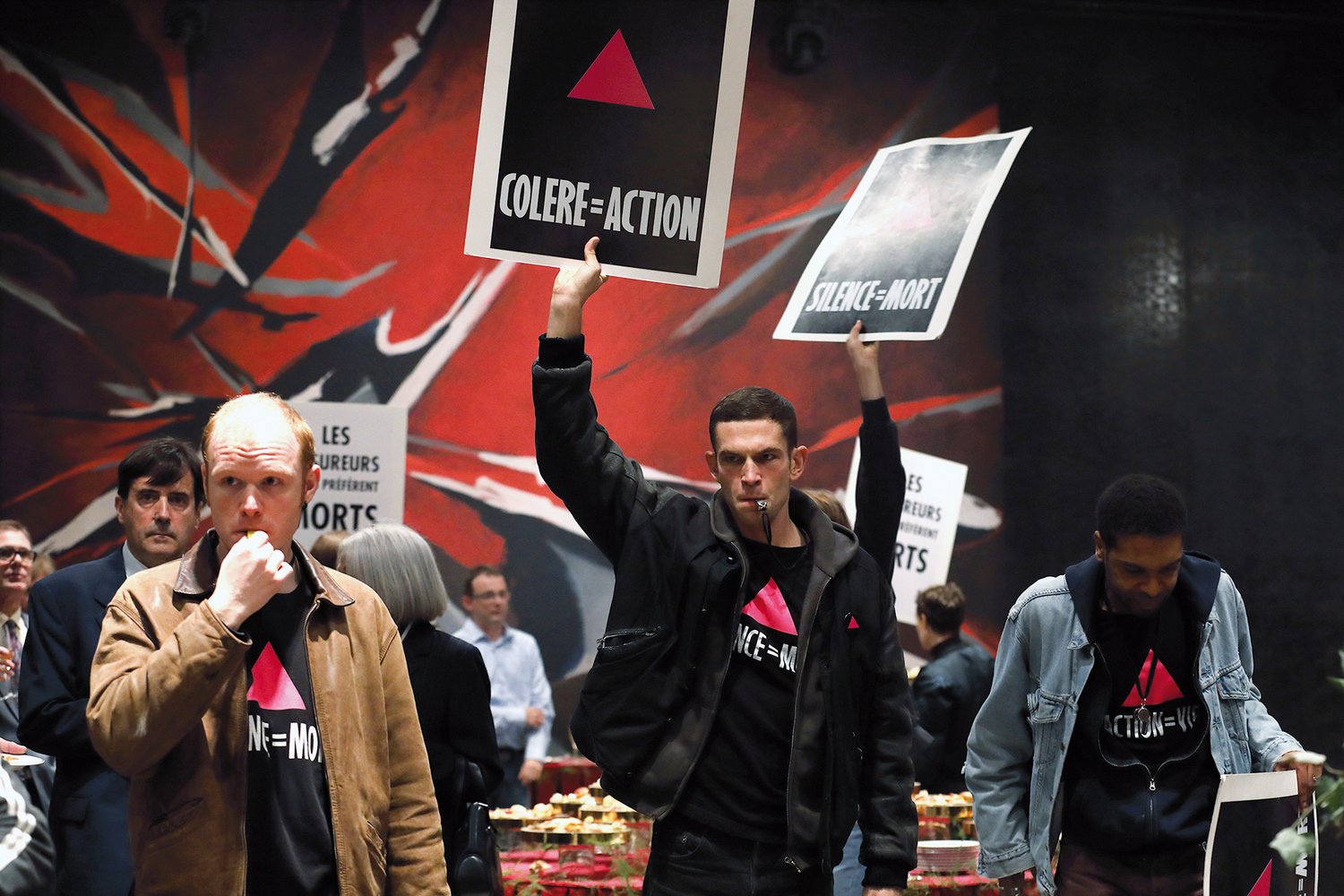
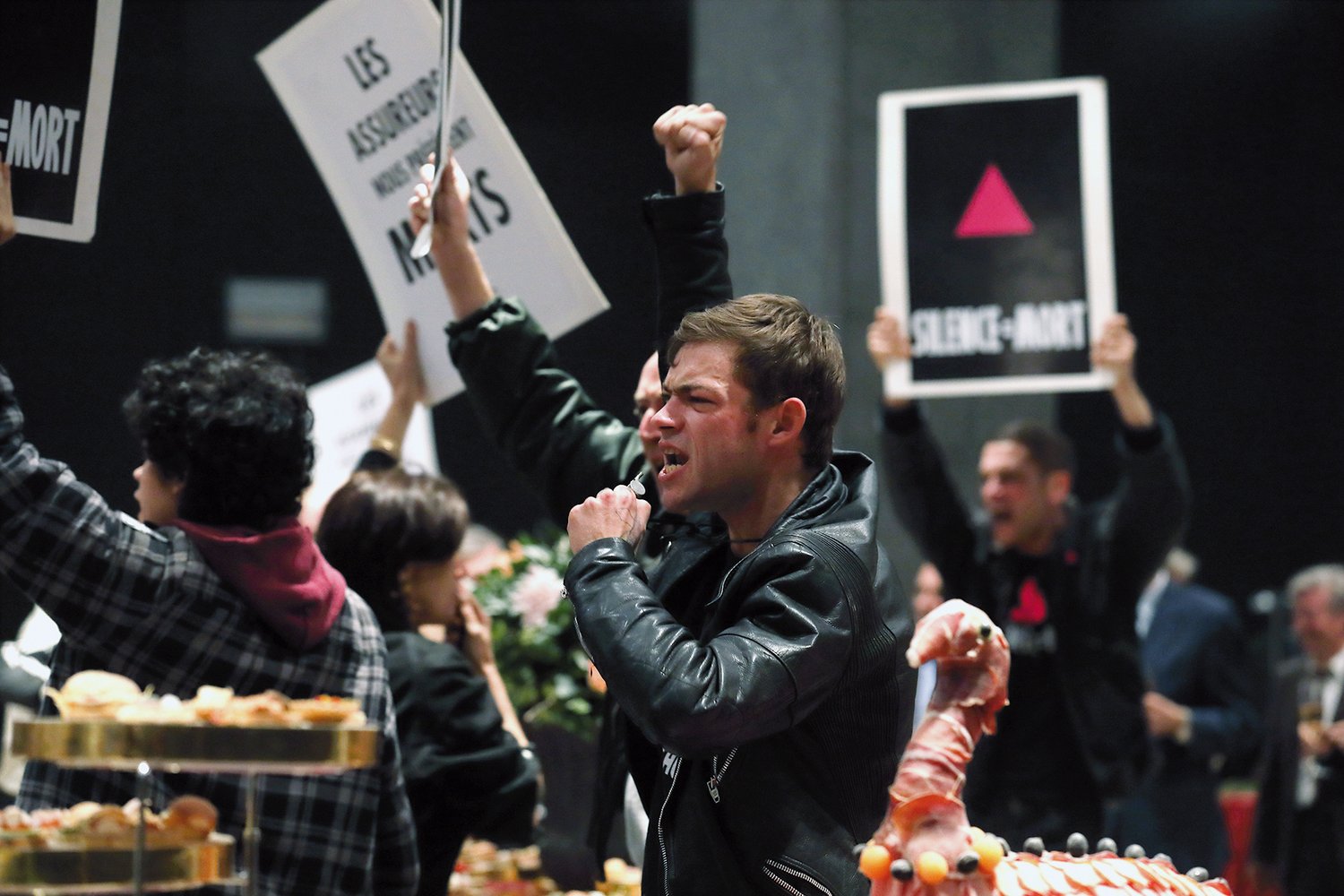
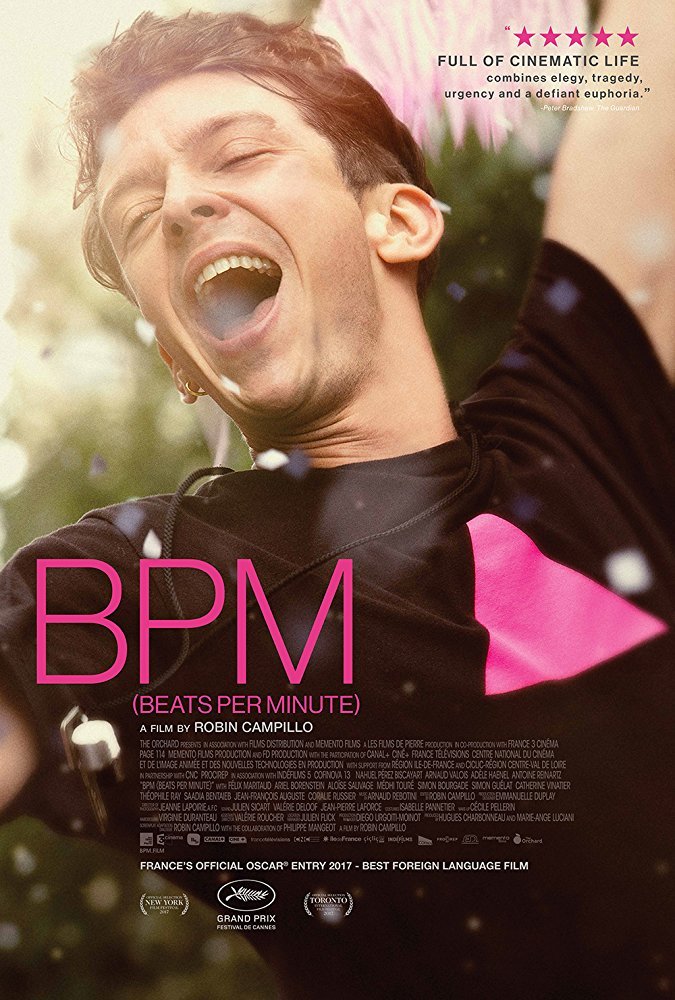
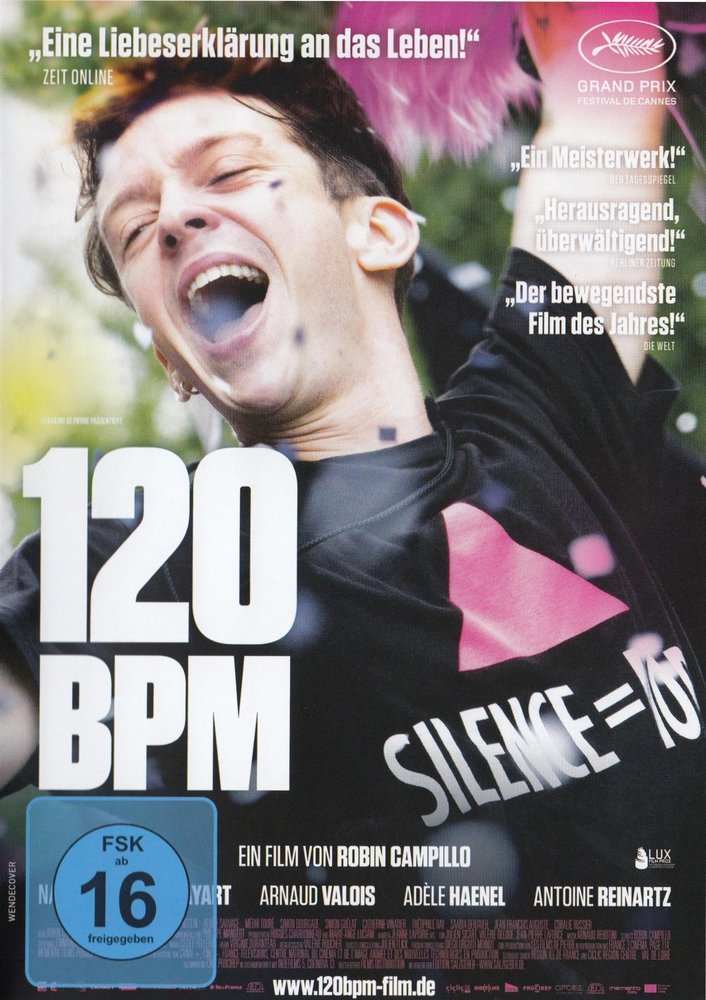
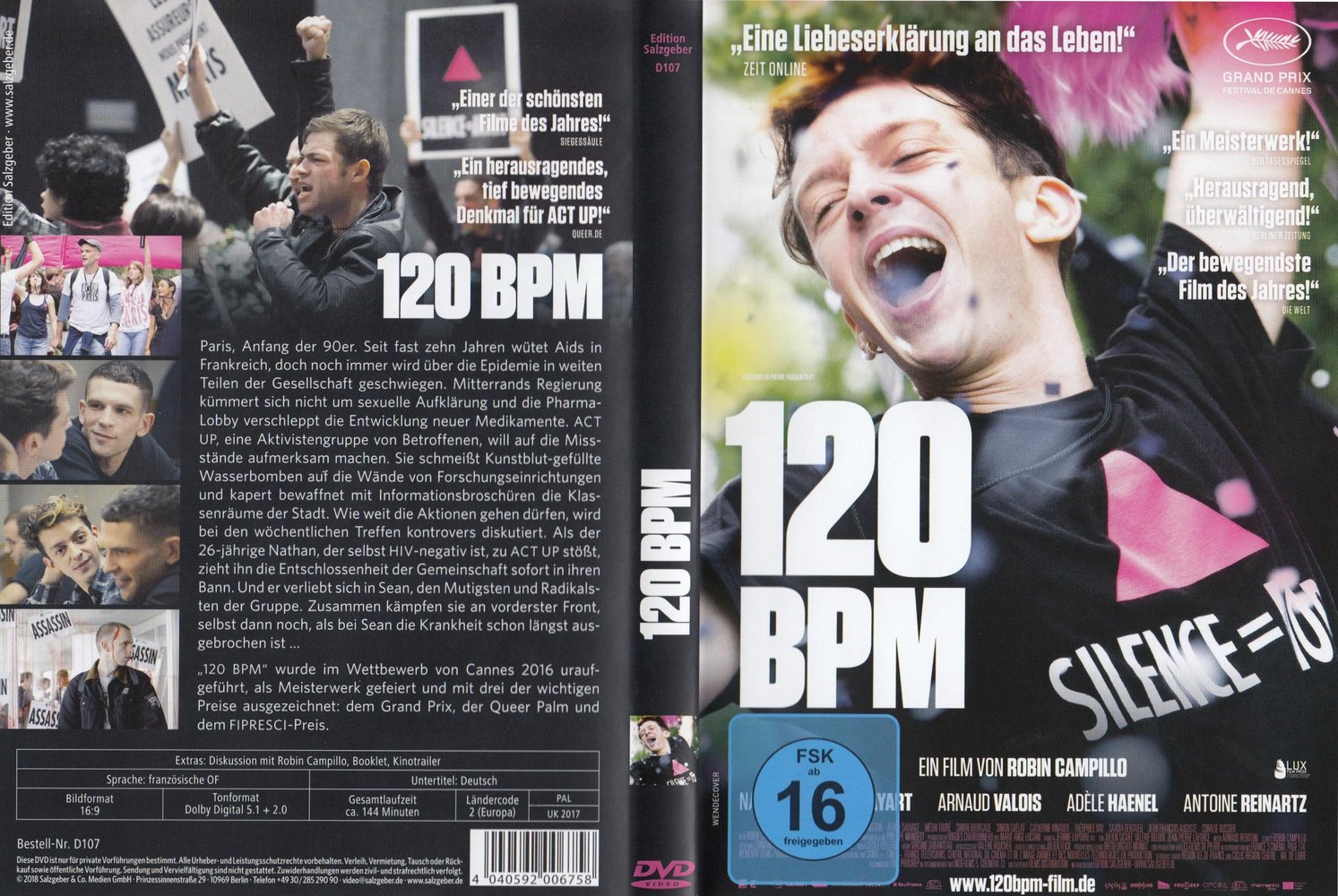
Paris, Anfang der 90er. Seit fast zehn Jahren wütet AIDS in Frankreich, doch noch immer wird über die Epidemie in weiten Teilen der Gesellschaft geschwiegen. Mitterrands Regierung kümmert sich nicht um sexuelle Aufklärung und die Pharma-Lobby verschleppt die Entwicklung neuer Medikamente. 'Act Up', eine Aktivistengruppe von Betroffenen, will auf die Missstände aufmerksam machen. Sie schmeißt Kunstblut-gefüllte Wasserbomben auf die Wände von Forschungseinrichtungen und kapert bewaffnet mit Informationsbroschüren die Klassenräume der Stadt. Wie weit die Aktionen gehen dürfen, wird bei den wöchentlichen Treffen kontrovers diskutiert. Als der 26-jährige Nathan (Arnaud Valois), der selbst HIV-negativ ist, zu 'Act Up' stößt, zieht ihn die Entschlossenheit der Gemeinschaft sofort in ihren Bann. Und er verliebt sich in Sean (Nahuel Pérez Biscayart), den Mutigsten und Radikalsten der Gruppe. Zusammen kämpfen sie an vorderster Front, selbst dann noch, als bei Sean die Krankheit schon längst ausgebrochen ist...
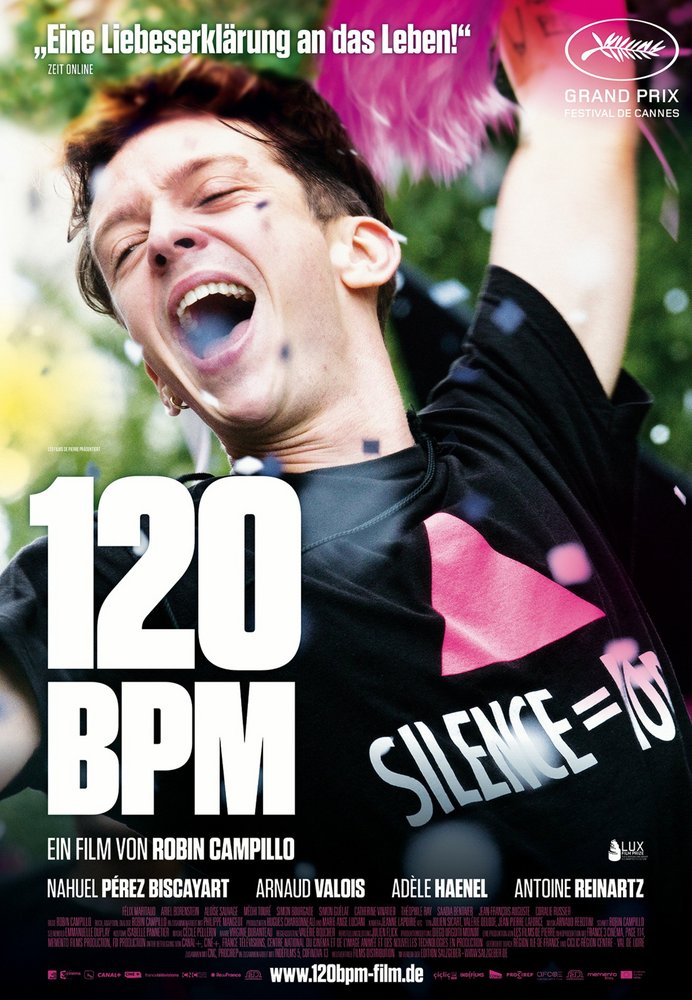
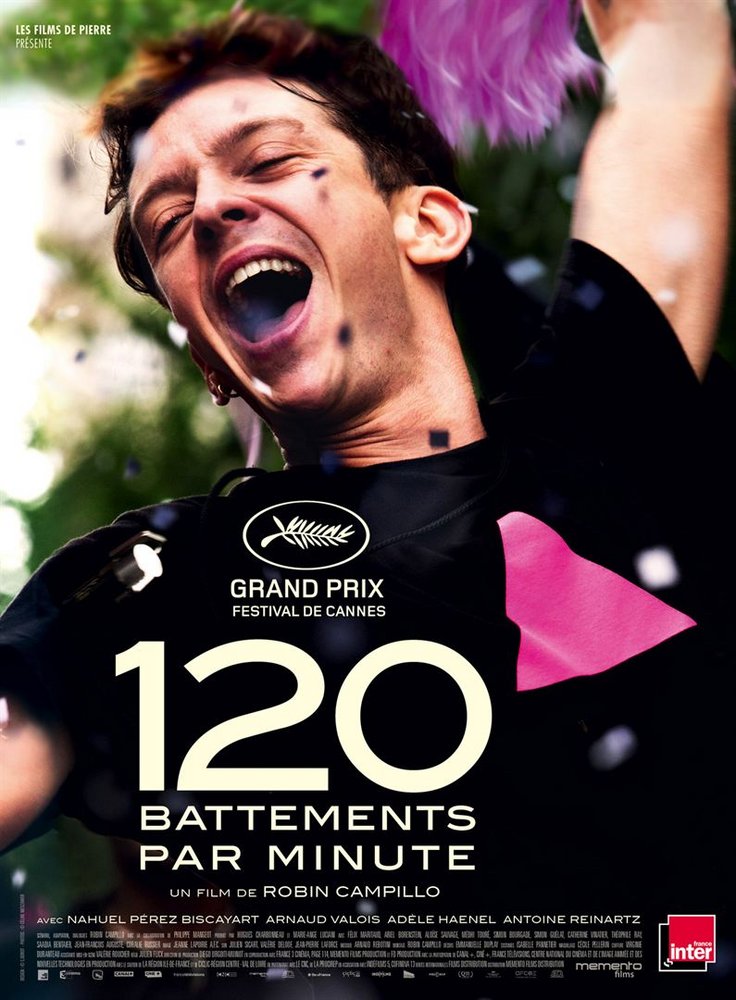
Der aus Marokko stammende französische Regisseur Robin Campillo (siehe auch 'The Returned' von 2004 und 'Eastern Boys' 2013 im Verleihprogramm) engagierte sich in den 90ern jahrelang selbst bei 'Act Up', kurz für 'AIDS Coalition to Unleash Power'. Auf Basis seiner persönlichen Erfahrungen zeigt er in '120 BPM' die kontroversen Debatten und spektakulären Aktionen der Gruppe und setzt damit dem europäischen Aids-Aktivismus ein längst überfälliges filmisches Denkmal. Sein mitreißendes Zeitstück entfaltet aber erst durch die darin eingebettete intime Liebesgeschichte zwischen Nathan und Sean seine volle, revolutionäre Kraft. In einem historischen Moment, in dem für HIV-Positive und deren Angehörige und Freunde das Politische von persönlicher, ja existentieller Bedeutung ist, begegnet ein Liebespaar der gesellschaftlichen Ignoranz und der Angst vor dem eigenem Tod mit rasendem Widerstand, wildem Sex und einem unbändigen Willen zu leben. '120 BPM' wurde im Entstehungsjahr 2017 im Wettbewerb von Cannes uraufgeführt, als Meisterwerk gefeiert und mit drei der wichtigen Preise ausgezeichnet: dem 'Grand Prix', der 'Queer Palm' sowie dem 'FIPRESCI' Preis.
Weiterlesen »
Paris, early 90s. AIDS has been raging in France for almost ten years, but the epidemic is still kept silent in large parts of society. Mitterrand's government does not care about sexual education and the pharmaceutical lobby is delaying the development of new drugs. 'Act Up', an activist group of those affected, wants to draw attention to the grievances. It throws water balloons filled with fake blood on the walls of research institutions and, armed with information brochures, hijacks the city's classrooms. How far the actions may go is controversially discussed at the weekly meetings. When 26-year-old Nathan (Arnaud Valois), who is HIV-negative himself, joins 'Act Up', he is immediately captivated by the community's determination. And he falls in love with Sean (Nahuel Pérez Biscayart), the bravest and most radical of the group. Together they fight on the front line, even when Sean's disease has long since broken out...
The Moroccan-born French director Robin Campillo (see also 'The Returned' from 2004 and 'Eastern Boys' 2013 in the distribution program) was involved in 'Act Up', short for 'AIDS Coalition to Unleash Power', for years in the 90s. Based on his personal experiences, he shows the controversial debates and spectacular actions of the group in '120 BPM' and thus creates a long overdue cinematic monument to European AIDS activism. However, his rousing period play only unfolds its full, revolutionary power through the intimate love story between Nathan and Sean embedded in it. In a historical moment in which the political is of personal, even existential importance for HIV-positive people and their relatives and friends, a pair of lovers encounter social ignorance and the fear of their own death with frenzied resistance, wild sex and an irrepressible will to live. '120 BPM' premiered in the Cannes Competition in 2017, celebrated as a masterpiece and awarded three of the important prizes: the 'Grand Prix', the 'Queer Palm' and the 'FIPRESCI' Prize.
More »