
DVD & Blu-ray Verleih im Abo
In unserem Blu-ray und DVD Verleih im Abo erhältst du monatlich die neuesten Kracher, zeitlose Klassiker und packende Serien zum super günstigen Preis. Erstelle deine Wunschliste und wir schicken dir deine Lieblingsfilme automatisch zu.
DVD

Vertrieb:Arthaus
Bildformate:16:9 Breitbild
Sprachen:Deutsch Dolby Digital 5.1
Untertitel:Deutsch für Hörgeschädigte
Extras:Interaktive Menüs, Kapitelanwahl, Interviews, Entfallene Szenen, Biographien, DVD-Rom Part, Trailer
Erschienen am:23.03.2007
EAN:4006680038841
Passend zu Der unbekannte Soldat













DVD & Blu-ray Verleih
Du möchtest kein Abo? Wir verleihen auch einzelne Filme aus unserem Angebot! Wähle aus aktuellen Blockbustern, zeitlosen Klassikern und packenden Serien.
DVD
Vertrieb:Arthaus
Bildformate:16:9 Breitbild
Sprachen:Deutsch Dolby Digital 5.1
Untertitel:Deutsch für Hörgeschädigte
Extras:Interaktive Menüs, Kapitelanwahl, Interviews, Entfallene Szenen, Biographien, DVD-Rom Part, Trailer
Erschienen am:23.03.2007
EAN:4006680038841
Passend zu Der unbekannte Soldat

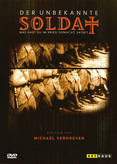
Der unbekannte Soldat
Aktuell ist zu diesem Titel leider kein Stream vorhanden.