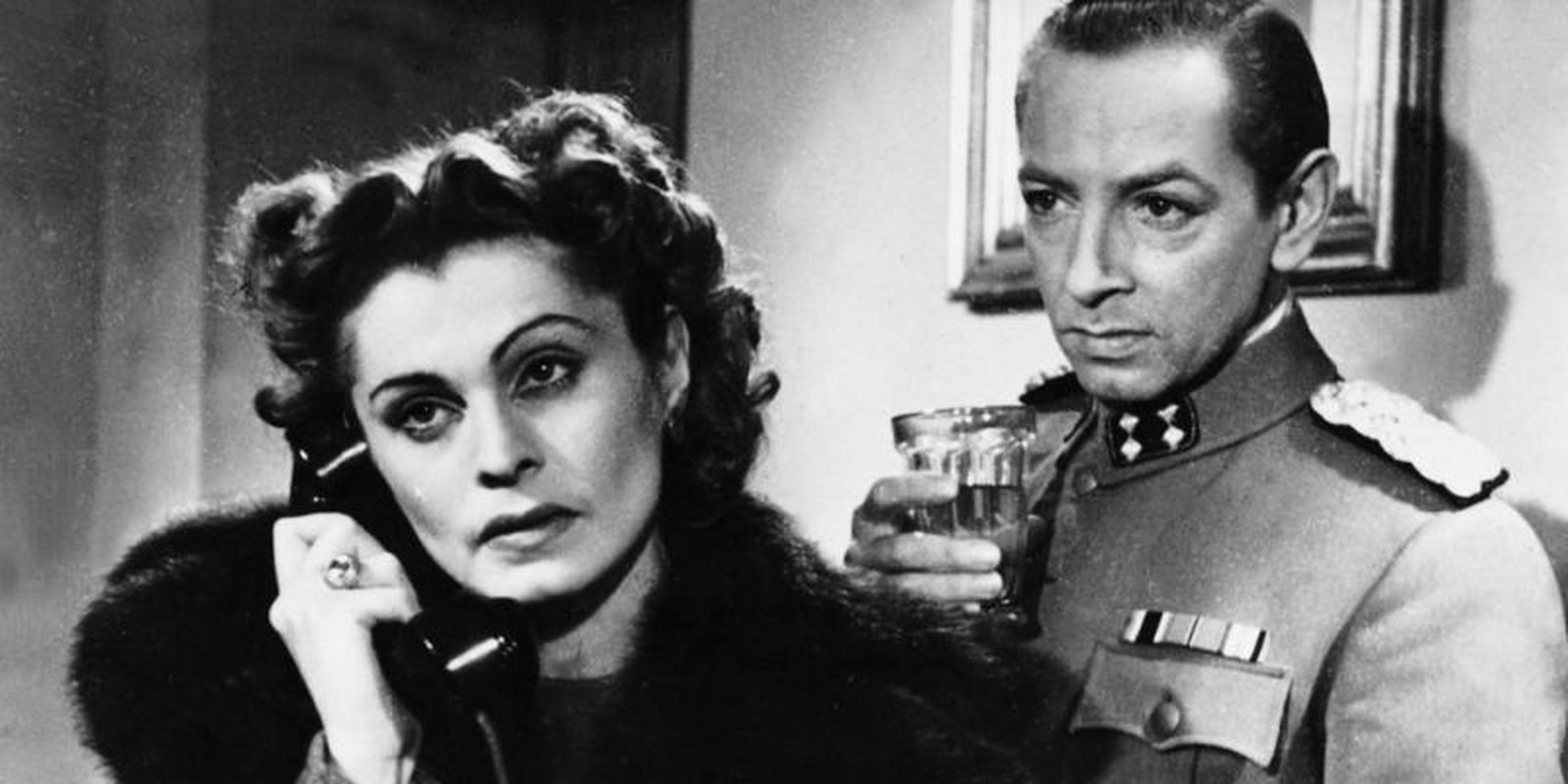
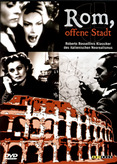
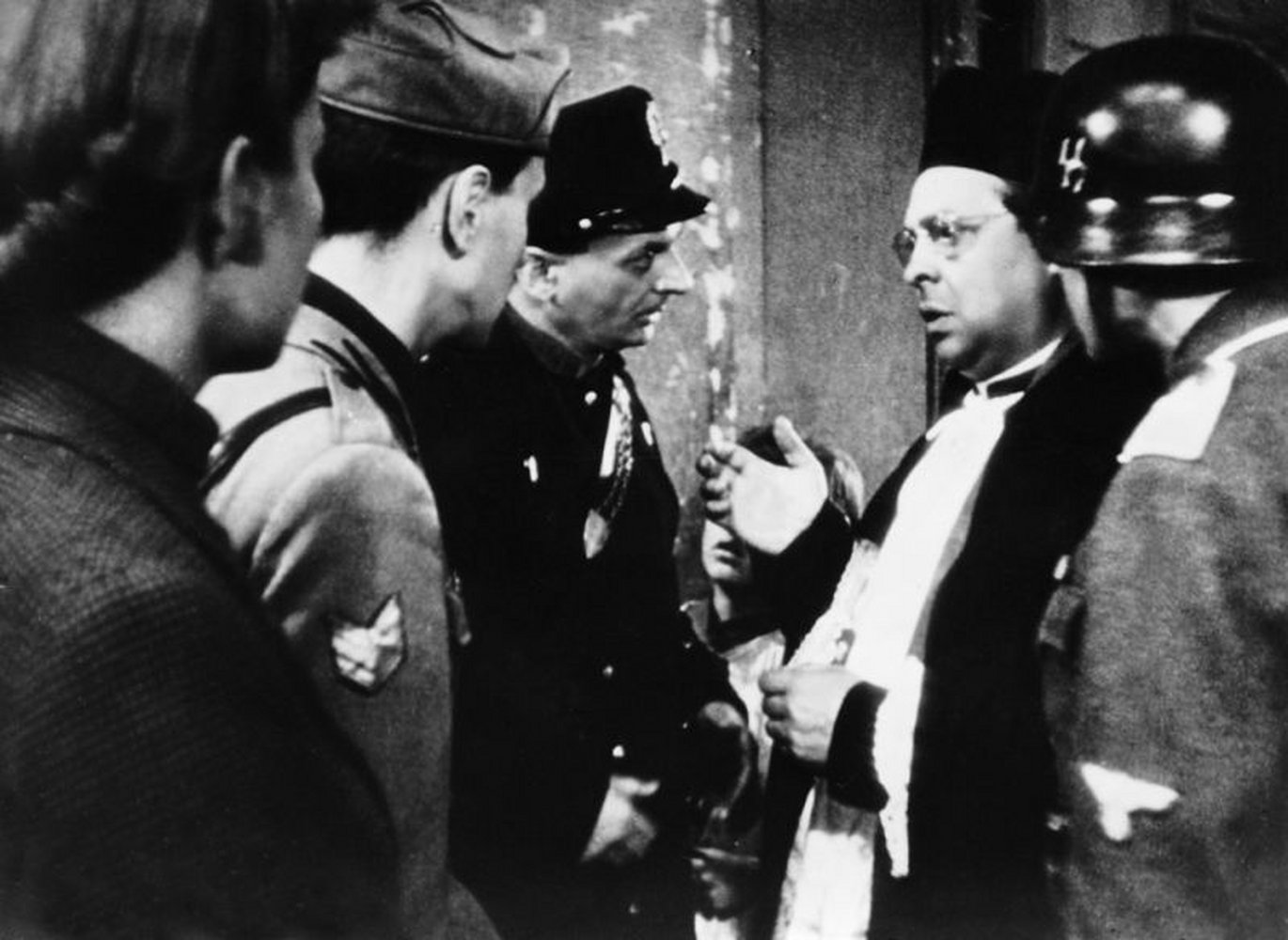
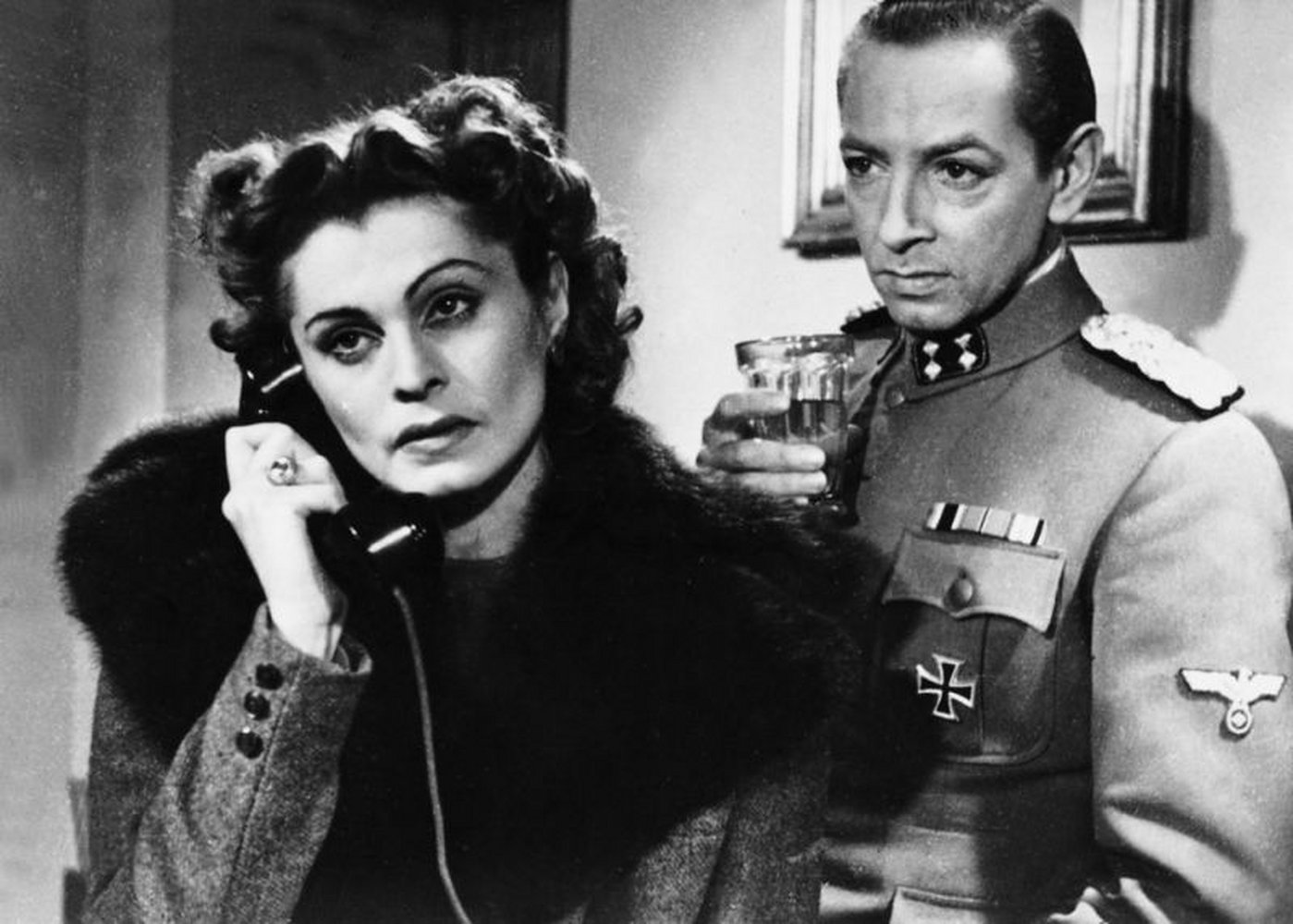
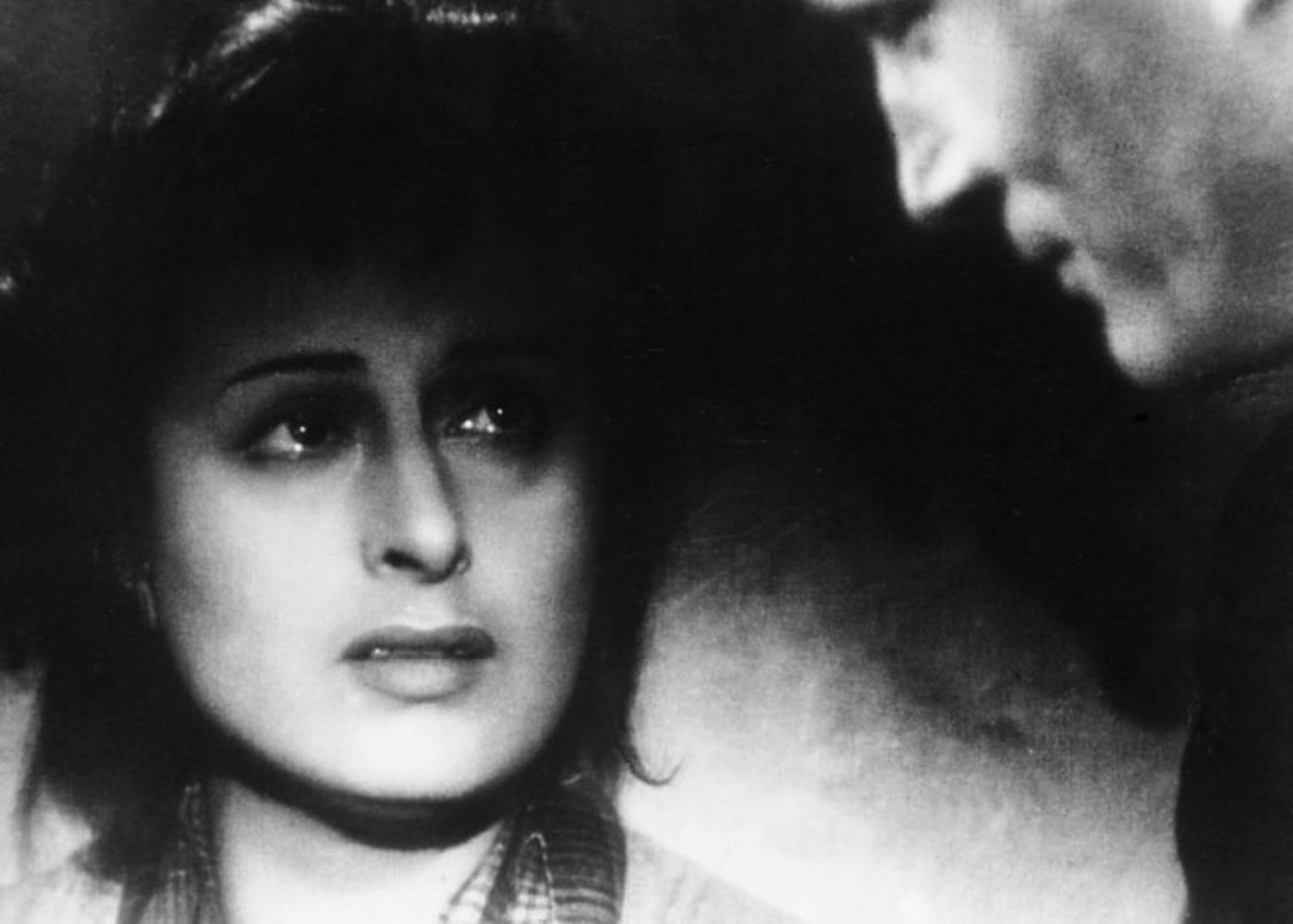
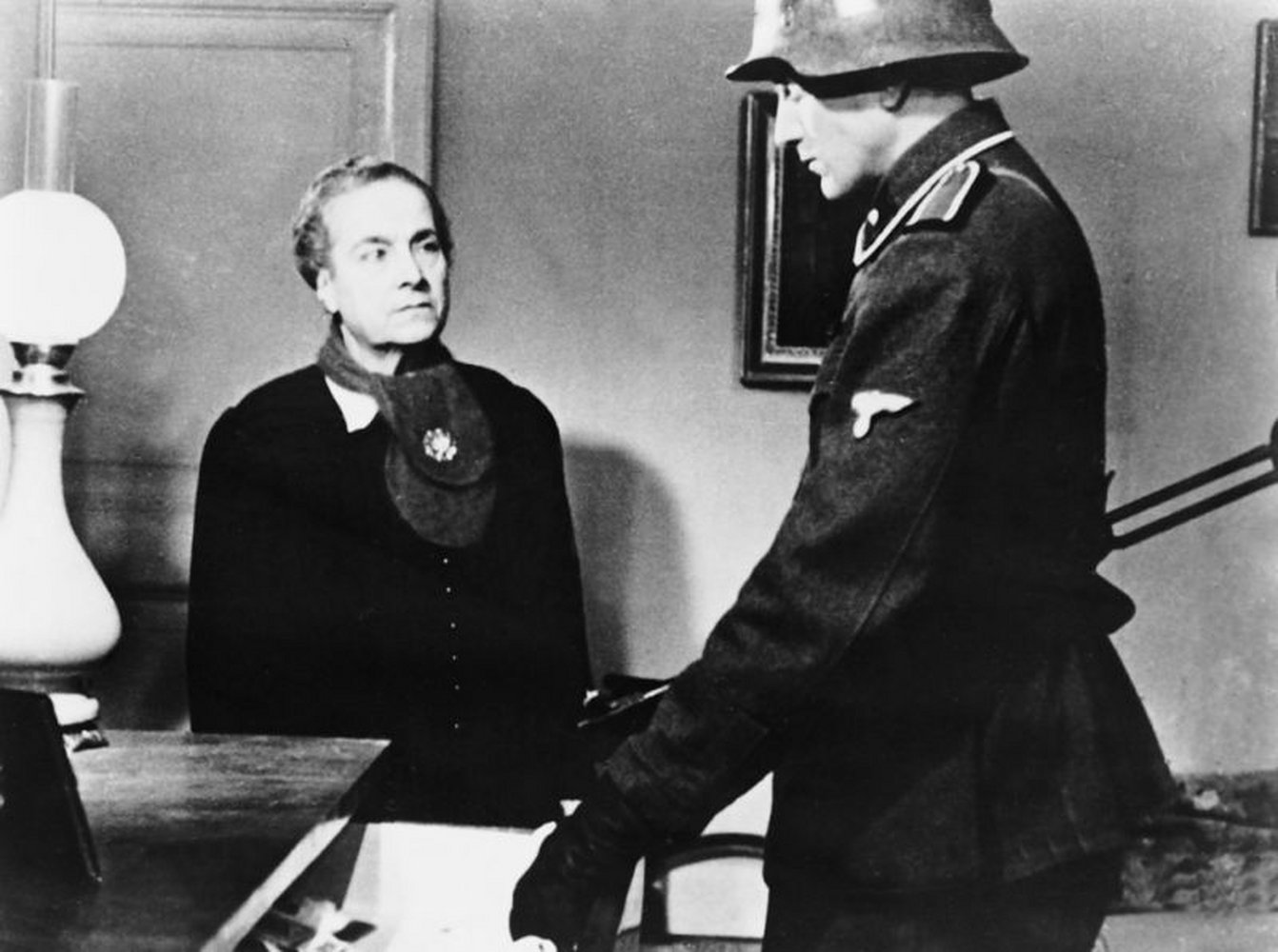
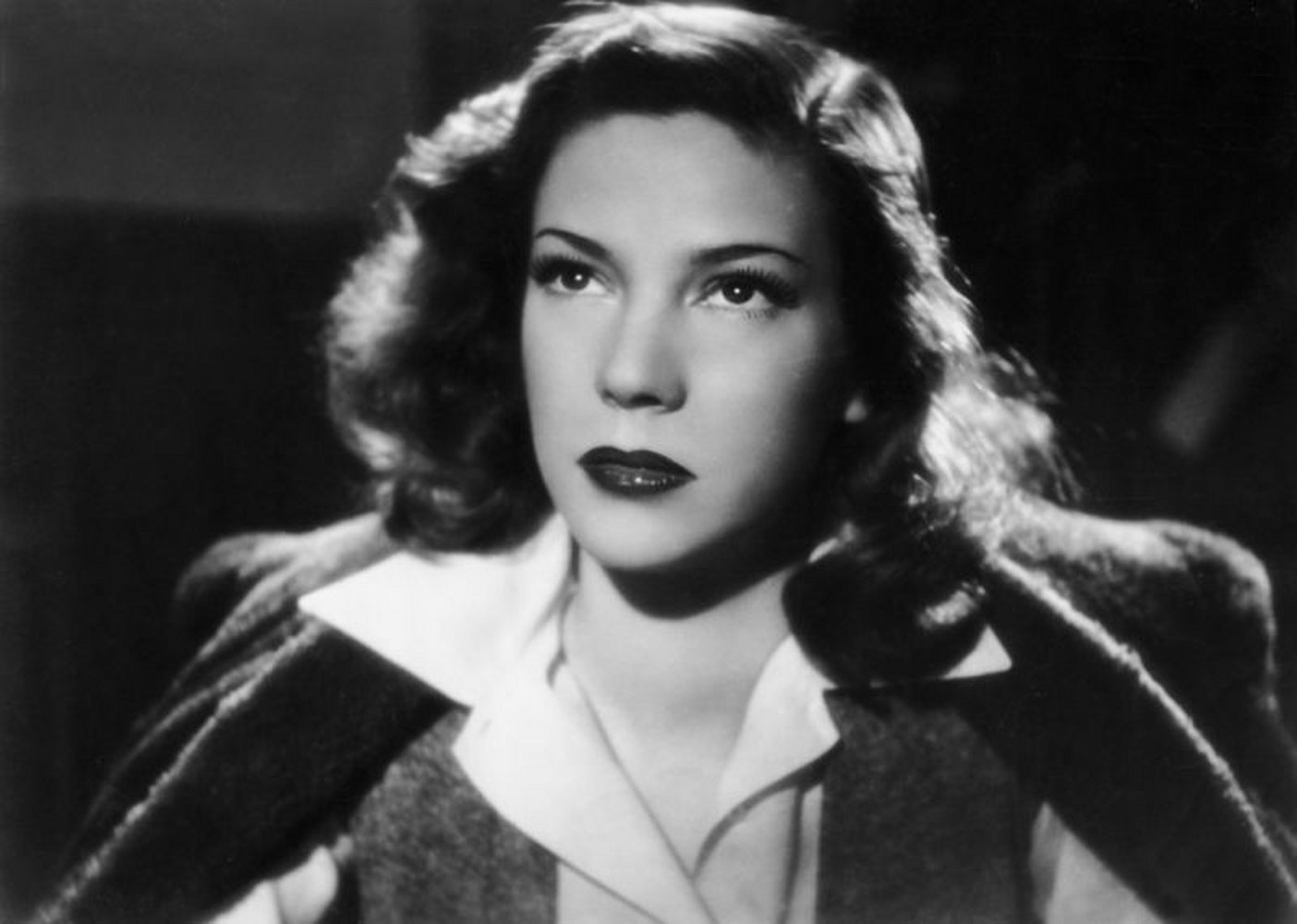
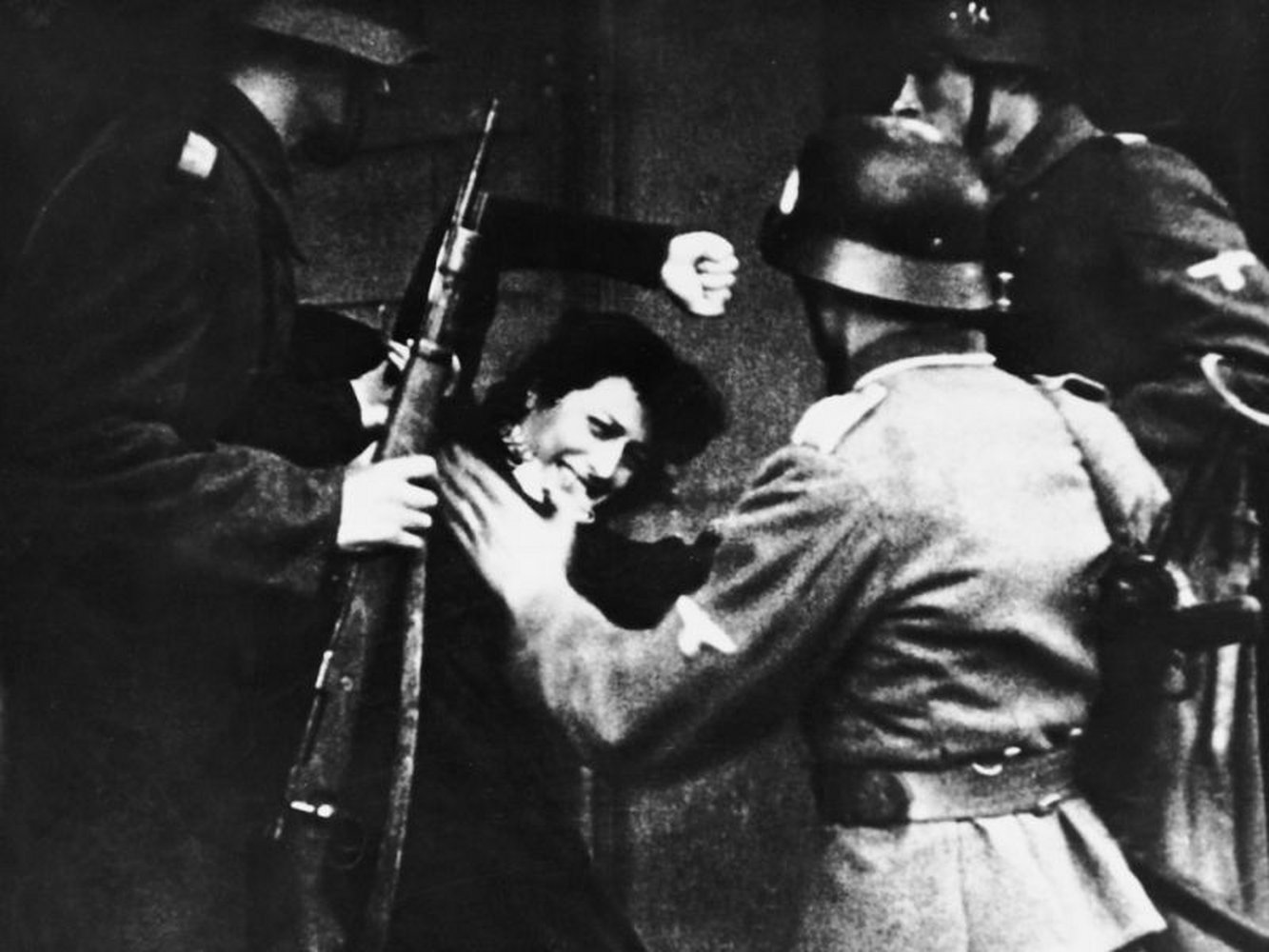
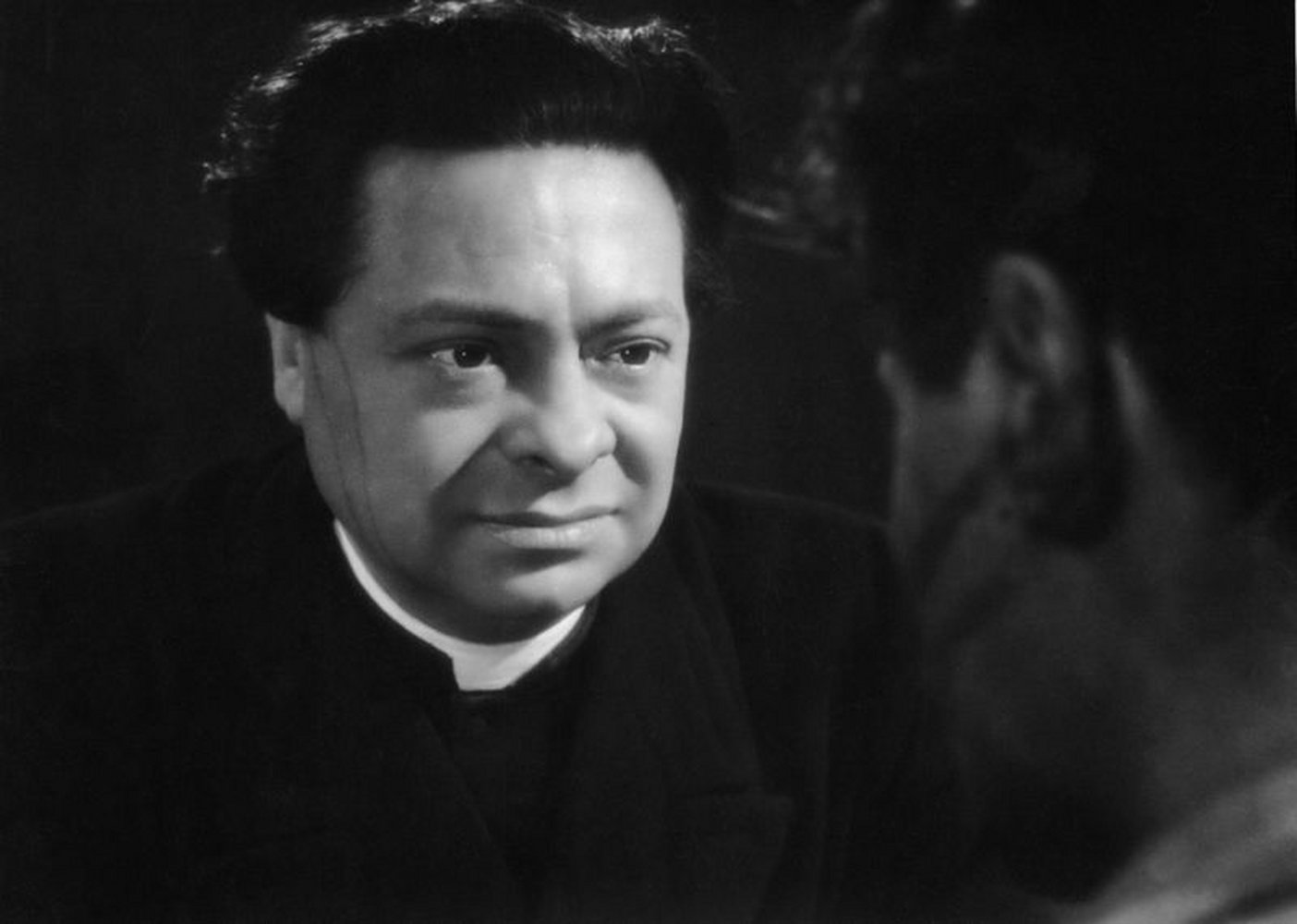
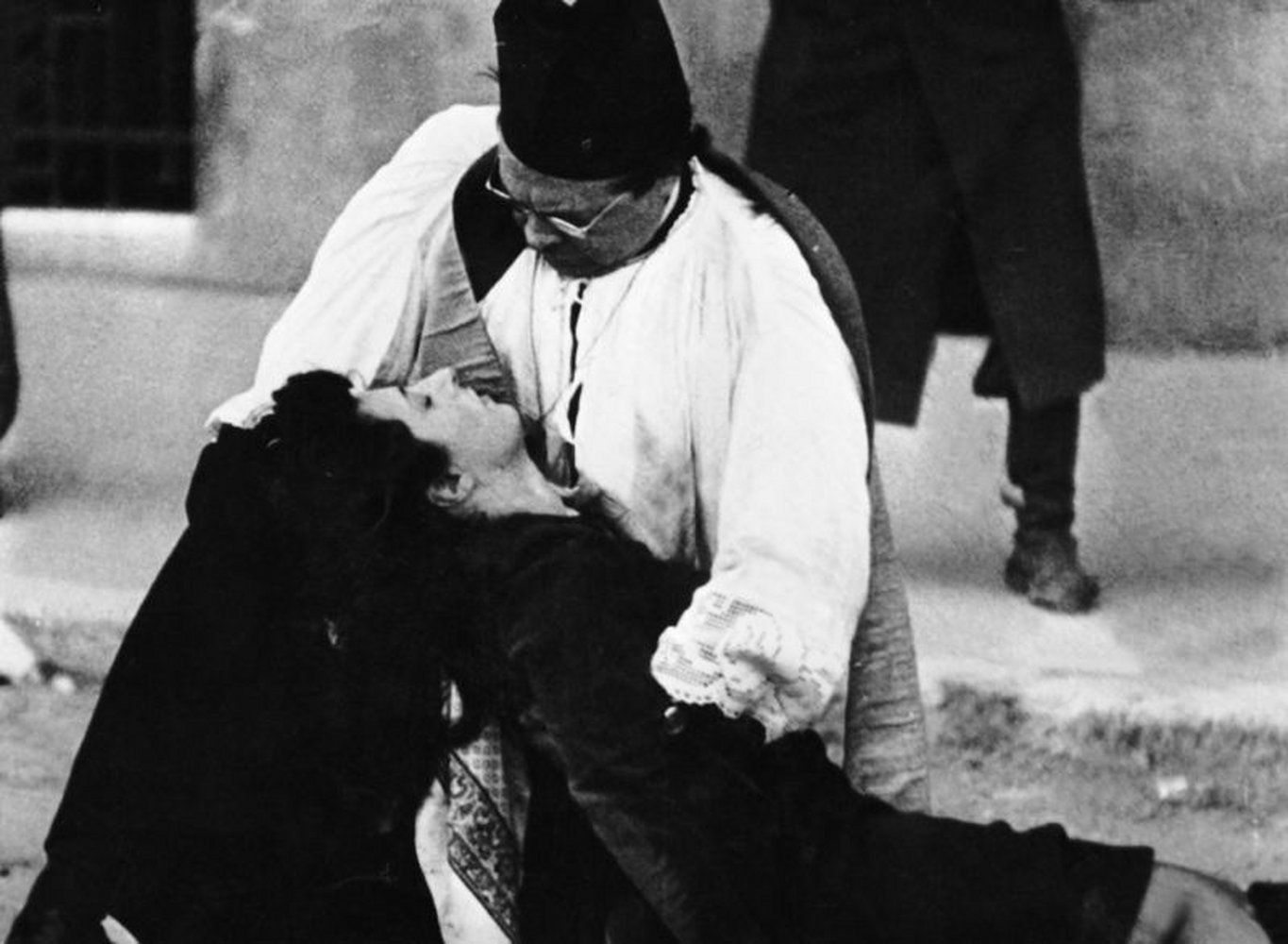
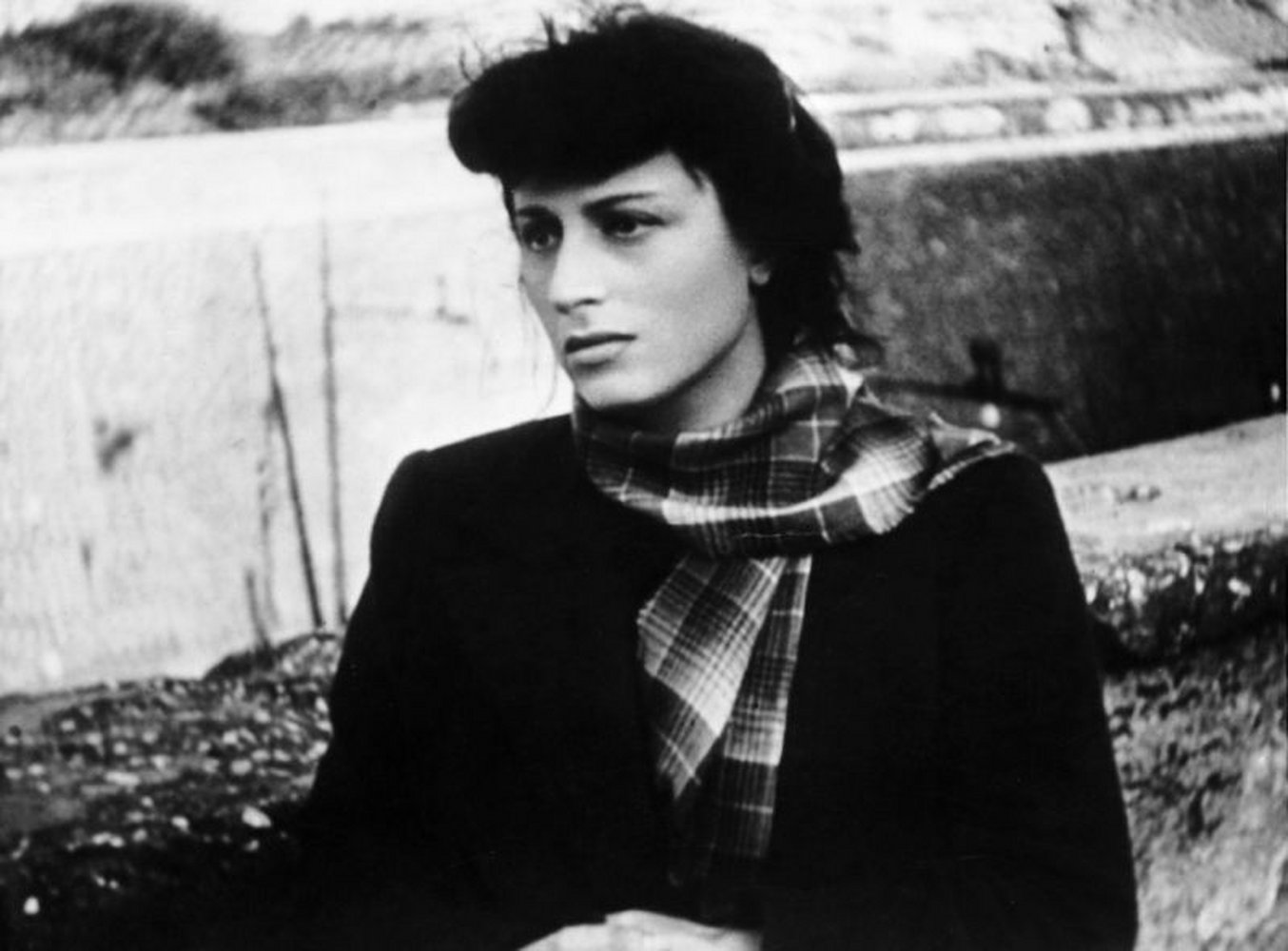
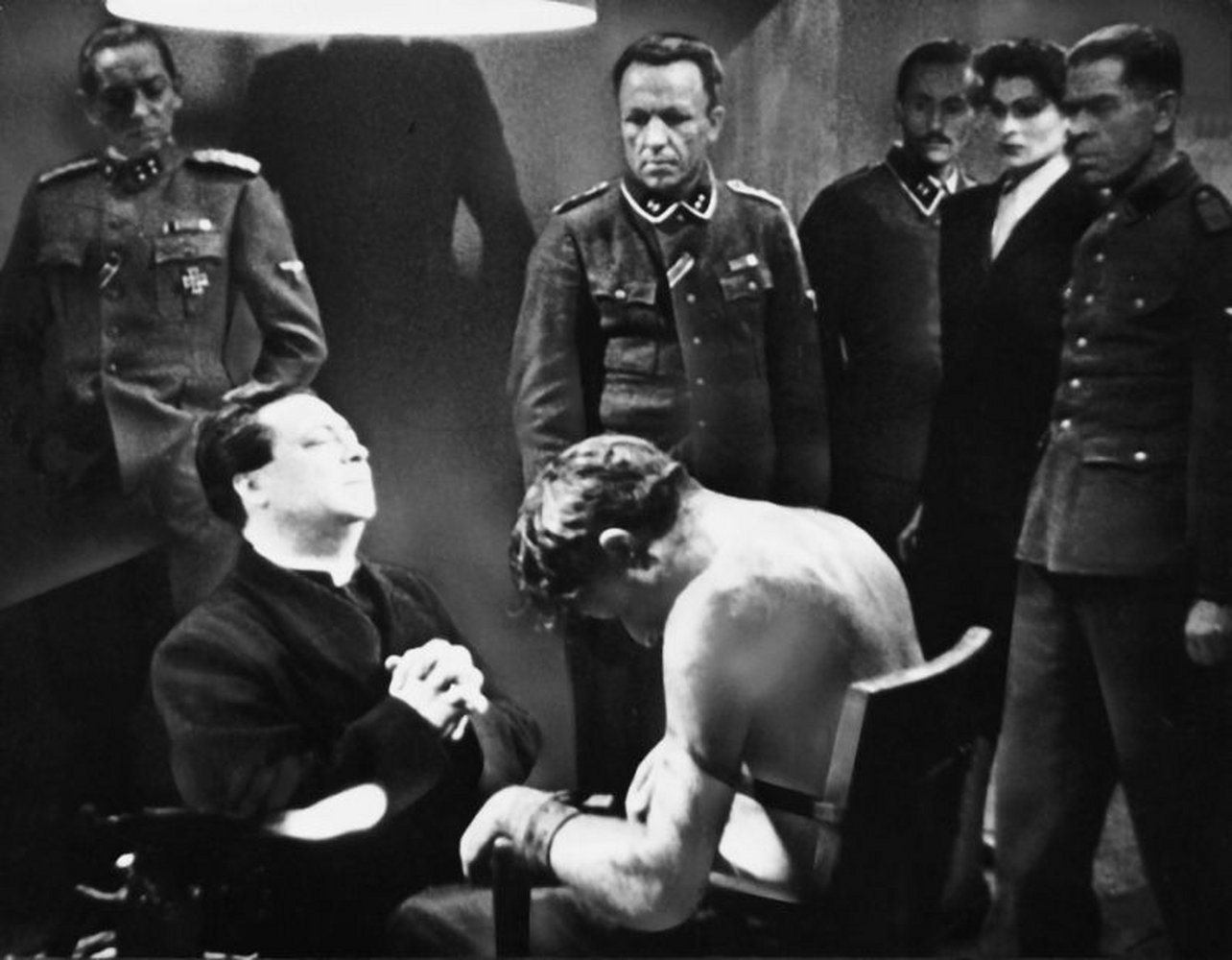
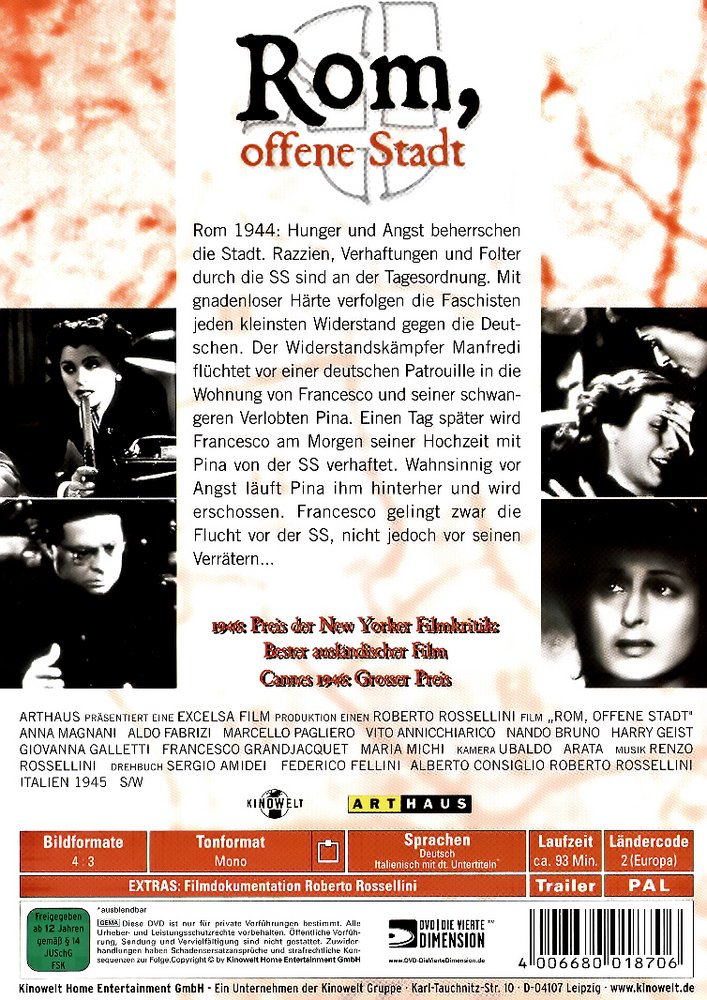
Rom 1944: Hunger und Angst beherrschen die Stadt. Razzien, Verhaftungen und Folter durch die SS sind an der Tagesordnung. Mit gnadenloser Härte verfolgen die Faschisten jeden kleinsten Widerstand gegen die Deutschen. Und trotz allem steht für Pina ein großer Tag bevor. Morgen wird sie ihren Verlobten Francesco heiraten. Doch der heimliche Widerständler Francesco wird am Hochzeitsmorgen von der SS verhaftet. Wahnsinnig vor Angst läuft Pina ihm hinterher und wird erschossen. Francesco gelingt zwar die Flucht vor der SS, nicht jedoch vor seinen Verrätern...
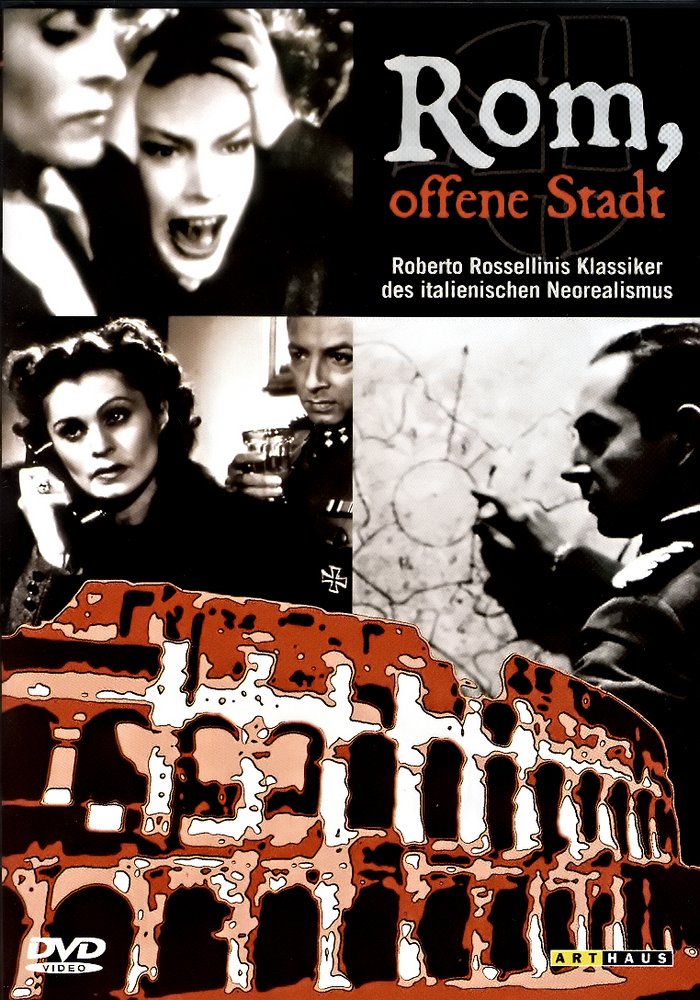
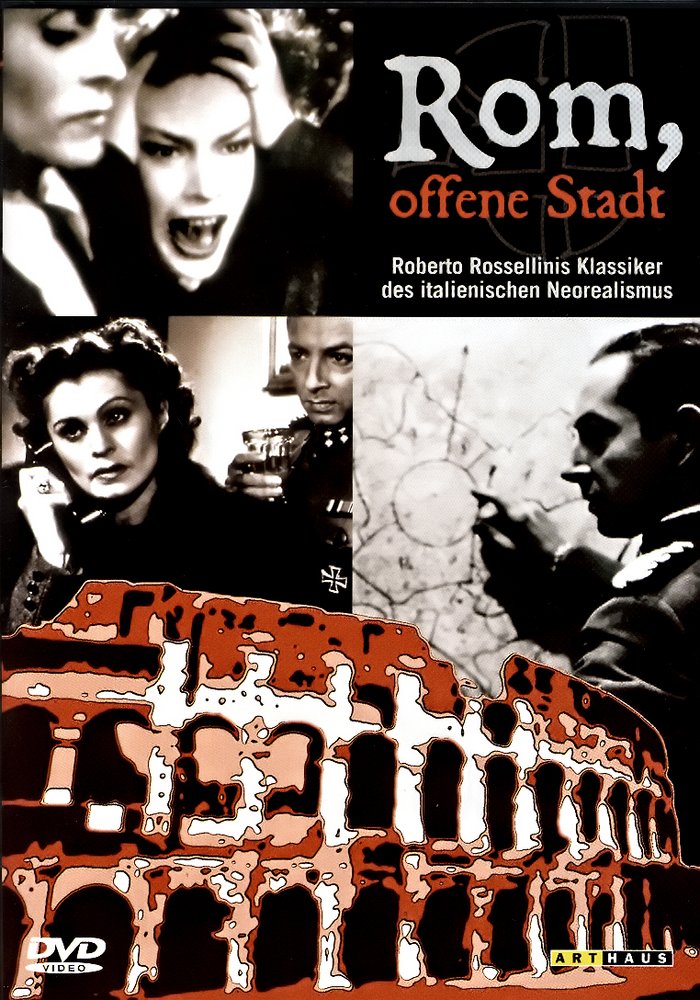
Roberto Rossellinis Klassiker 'Roma, città aperta - Rom, offene Stadt' erhielt das Prädikat 'Besonders wertvoll', die 'Goldene Palme' in Cannes 1946, eine Oscar-Nominierung. Rosselini setzte mit seinem Film die Startmarke für den italienischen Neorealismus. Er wurde zum Bannerträger dieses neuen Filmstils, der dem italienischen Film gleich nach dem Zweiten Weltkrieg zu einer überraschenden Renaissance verhalf. Neben ihm drehten auch Visconti, De Sica, Zavattini und Blasetti neorealistische Filme. Eines der wichtigsten Stilmittel dieser Filme war ihre Wirklichkeitsnähe. Deshalb - aber auch aus Kostengründen - wurde bevorzugt an den Orten des Geschehens, also auf der Straße, mit Laiendarstellern gedreht. Worum ging es in den sogenannten neorealistischen Filmen? Im Mittelpunkt standen meist die kleinen Leute, die Arbeitslosen, Bauern, Handwerker und Arbeiter. Meist wurde soziales oder politisches Unrecht angeklagt oder der Widerstandsbewegung gegen den Faschismus gehuldigt. Als Rosselini 1945 mit den Dreharbeiten zu 'Rom, offene Stadt' begann, tobten dort noch die Partisanenkämpfe. Er drehte unter freiem Himmel oder auf der Straße und suchte sich auch seine Darsteller an den Orten des Geschehens. Rossellini ging es vor allem darum, die Nöte und Sorgen, die Angst und Pein der Bürger einer von den Deutschen besetzten Stadt zu zeigen.
Weiterlesen »
Rome 1944: Hunger and fear dominate the city. Raids, arrests and torture by the SS are the order of the day. The fascists pursue every slightest resistance against the Germans with merciless severity. And despite everything, a big day is ahead for Pina. Tomorrow she will marry her fiancé Francesco. But the secret resistance fighter Francesco is arrested by the SS on the morning of their wedding. Mad with fear, Pina runs after him and is shot. Francesco manages to escape from the SS, but not from his traitors...
Roberto Rossellini's classic 'Roma, città aperta - Rome, open city' received the title 'Particularly valuable', the 'Golden Palm' in Cannes in 1946, an Oscar nomination. Rosselini set the starting mark for Italian neorealism with his film. He became the standard-bearer of this new style of film, which helped Italian film to a surprising renaissance immediately after the Second World War. In addition to him, Visconti, De Sica, Zavattini and Blasetti also made neorealist films. One of the most important stylistic devices of these films was their realism. For this reason - but also for cost reasons - it was preferred to shoot at the locations of the events, i.e. on the street, with amateur actors. What were the so-called neorealist films about? The focus was usually on the ordinary people, the unemployed, farmers, craftsmen and workers. In most cases, social or political injustice was accused or the resistance movement against fascism was paid homage. When Rosselini began filming 'Rome, Open City' in 1945, partisan fighting was still raging there. He filmed in the open air or on the street and also looked for his actors at the locations of the events. Rossellini's main concern was to show the hardships and worries, the fear and anguish of the citizens of a city occupied by the Germans.
Automatically translated with AI
More »