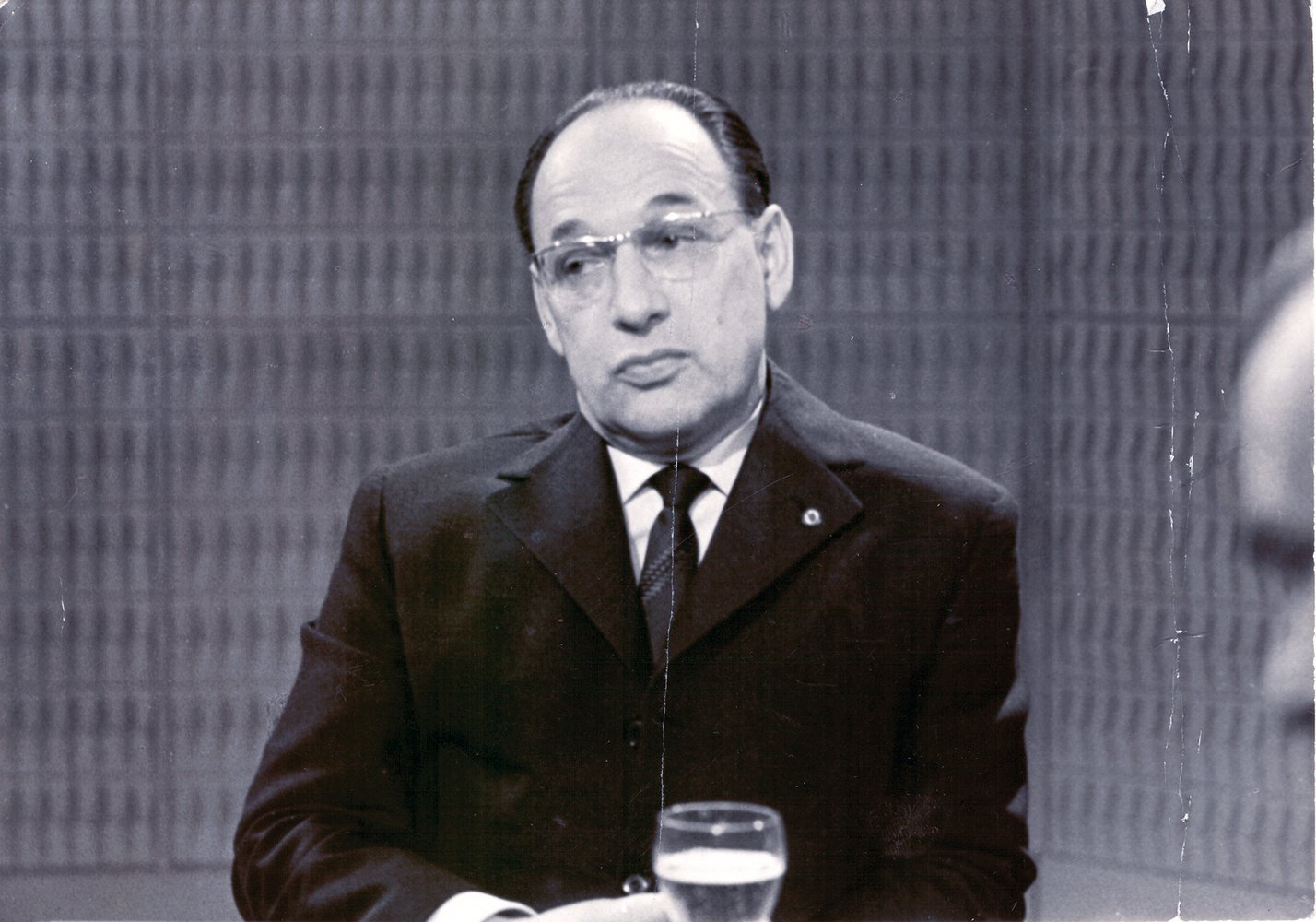
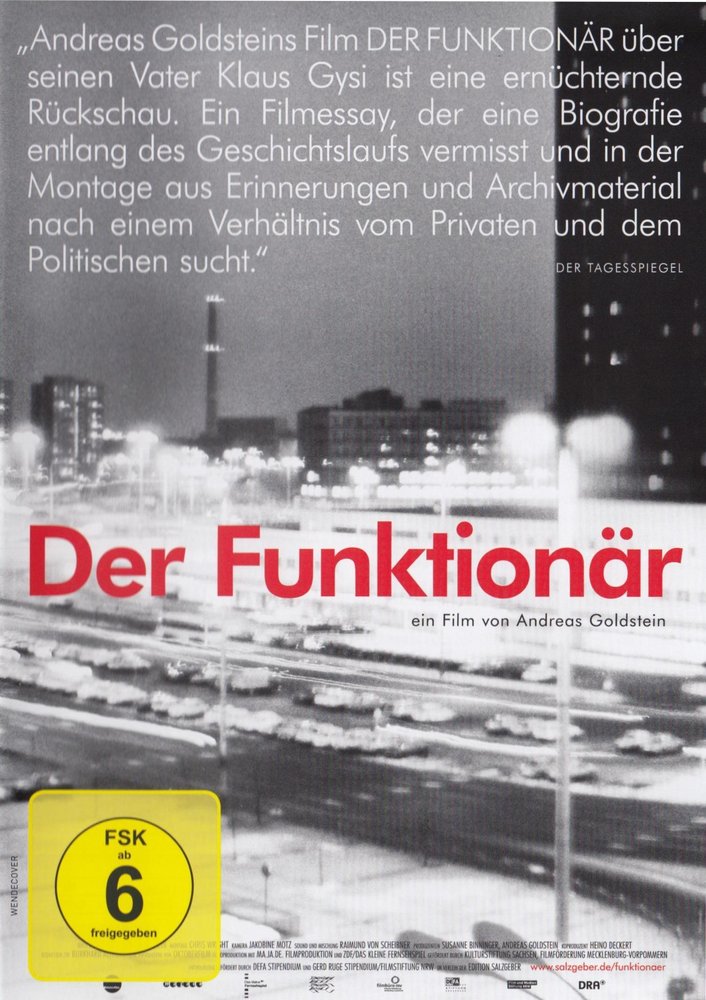
Klaus Gysi war einer der führenden Kulturpolitiker der DDR. 1912 geboren, war er zwei Jahre alt, als der Erste Weltkrieg begann. Als er sechs war, brach das Kaiserreich zusammen. Mit 17 sah er vor dem Fenster der elterlichen Wohnung einen erschossenen Arbeiter auf der Straße liegen. Er trat dem kommunistischen Jungendverband bei, später der kommunistischen Partei. Bis 1945 lebte er illegal in Berlin. Dann machte er im sozialistischen Deutschland Karriere, Abstürze inbegriffen. Er war Verlagsleiter, Kultusminister, Botschafter, Staatssekretär für Kirchenfragen. Ein Meister der Gesten und des geschickten Taktierens im sozialistischen Apparat. 1988, kurz vor dem Ende der DDR, entließ ihn die Partei aus dem Staatsdienst. 1999 starb er...
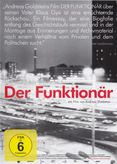
Knapp 20 Jahren nach seinem Tod hat sein Sohn Andreas Goldstein (siehe auch 'Adam und Evelyn' 2018) einen sehr persönlichen Film über den Vater gedreht - über einen Mann, den er als Junge nur in Momentaufnahmen erlebt hat und der auch noch für den erwachsenen Sohn voller Widersprüche bleibt. Sein Film ist ein (auto)biographischer Essay mit einer Fülle von Familienfotos, Archivmaterial aus dem DDR-Fernsehen und Bildern aus Ostberlin. Er erzählt nicht nur eine private Geschichte, sondern zielt auch auf eine neue, ehrlichere Betrachtung jenes Staates, aus dem der Regisseur selbst stammt. "Die Not, diese Geschichten zu erzählen, erwächst nicht aus der Vergangenheit, sondern aus der Gegenwart", erklärt Goldstein. "Heute werden die Konflikte der DDR dramatisiert und durchweg auf den Gegensatz von Freiheitswillen und Repression reduziert. Sie bilden dabei weniger die DDR ab, als vielmehr eine Gegenwart, die sich selbst legitimieren muss und nun in diesen Erzählungen als Erlösung erscheinen kann."
Weiterlesen »
Klaus Gysi was one of the leading cultural politicians of the GDR. Born in 1912, he was two years old when the First World War began. When he was six, the empire collapsed. At the age of 17, he saw a shot worker lying on the street in front of the window of his parents' apartment. He joined the Communist Youth League, later the Communist Party. He lived illegally in Berlin until 1945. Then he made a career in socialist Germany, including crashes. He was publishing director, Minister of Culture, Ambassador, State Secretary for Church Affairs. A master of gestures and skilful tactics in the socialist apparatus. In 1988, shortly before the end of the GDR, the party dismissed him from the civil service. In 1999 he died...
Almost 20 years after his death, his son Andreas Goldstein (see also 'Adam and Evelyn' 2018) has made a very personal film about his father - about a man he only experienced in snapshots as a boy and who remains full of contradictions even for the adult son. His film is an (auto)biographical essay with a wealth of family photos, archive material from GDR television and images from East Berlin. It not only tells a private story, but also aims at a new, more honest view of the state from which the director himself comes. "The need to tell these stories does not arise from the past, but from the present," Goldstein explains. "Today, the conflicts of the GDR are dramatized and consistently reduced to the contrast between the desire for freedom and repression. They depict less the GDR than a present that has to legitimize itself and can now appear in these narratives as redemption."
More »