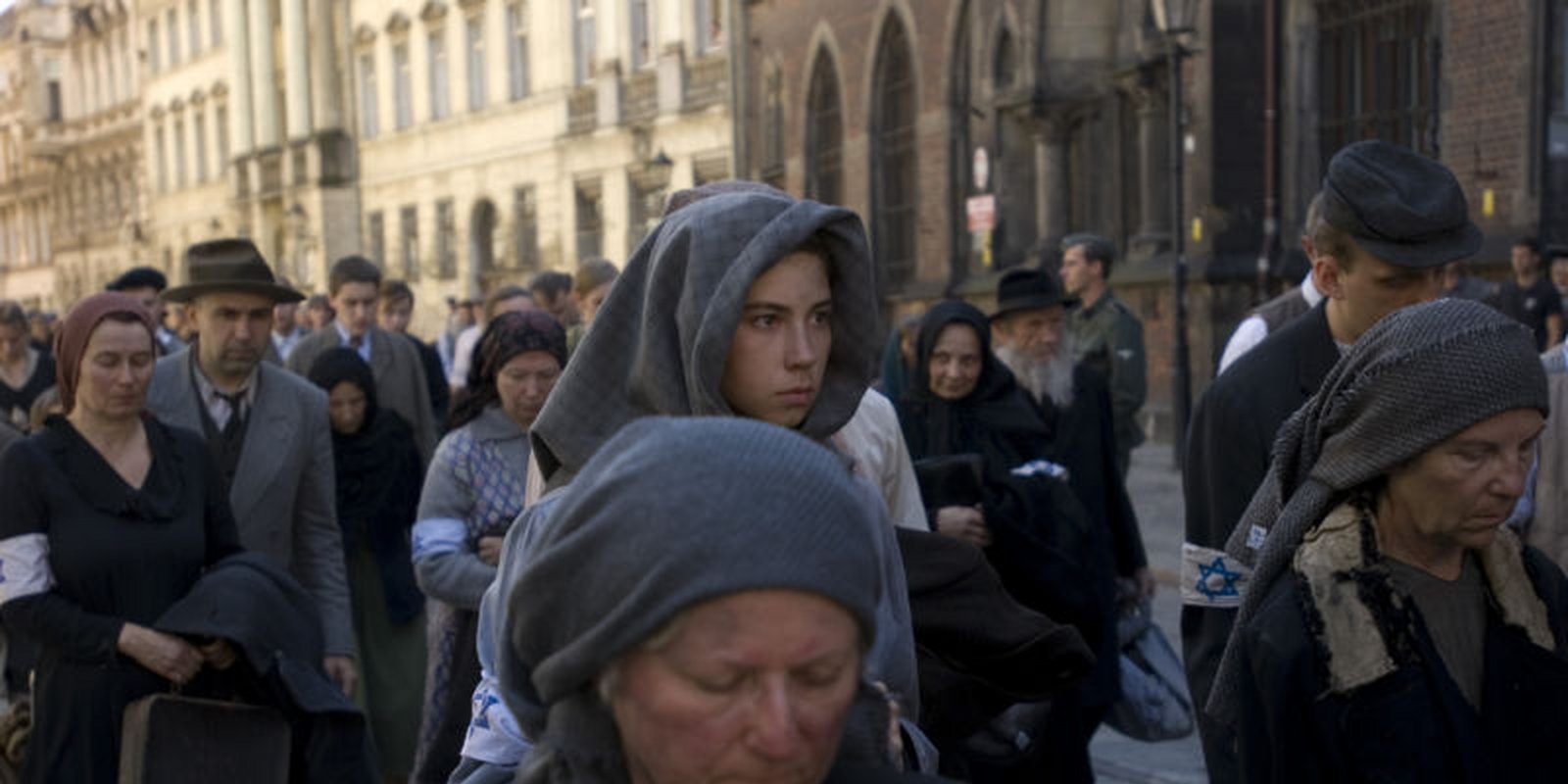
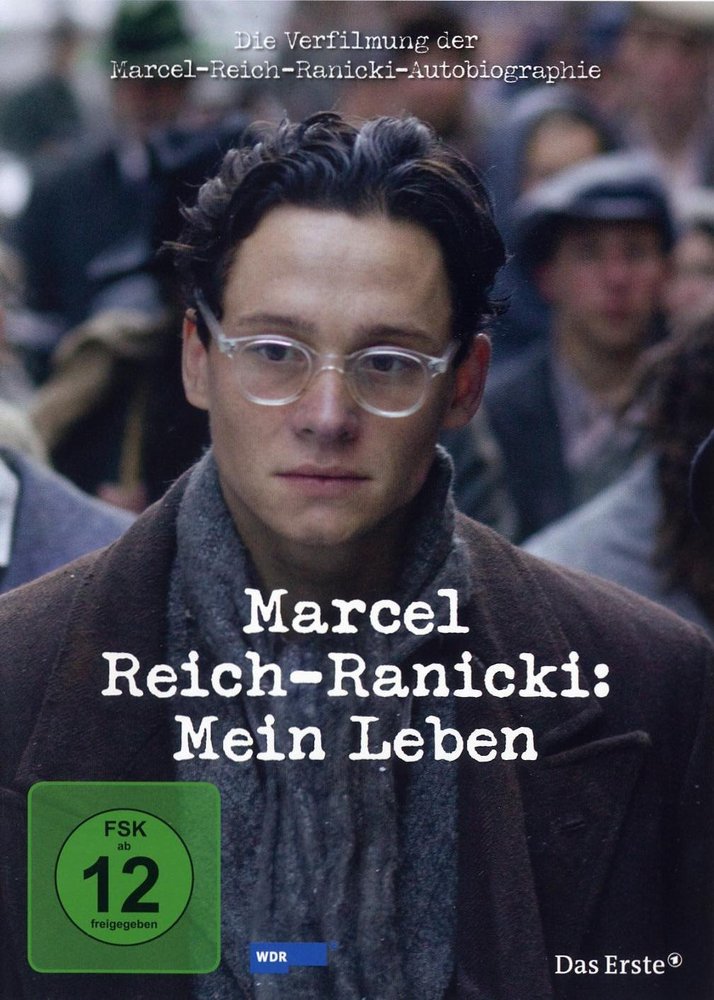
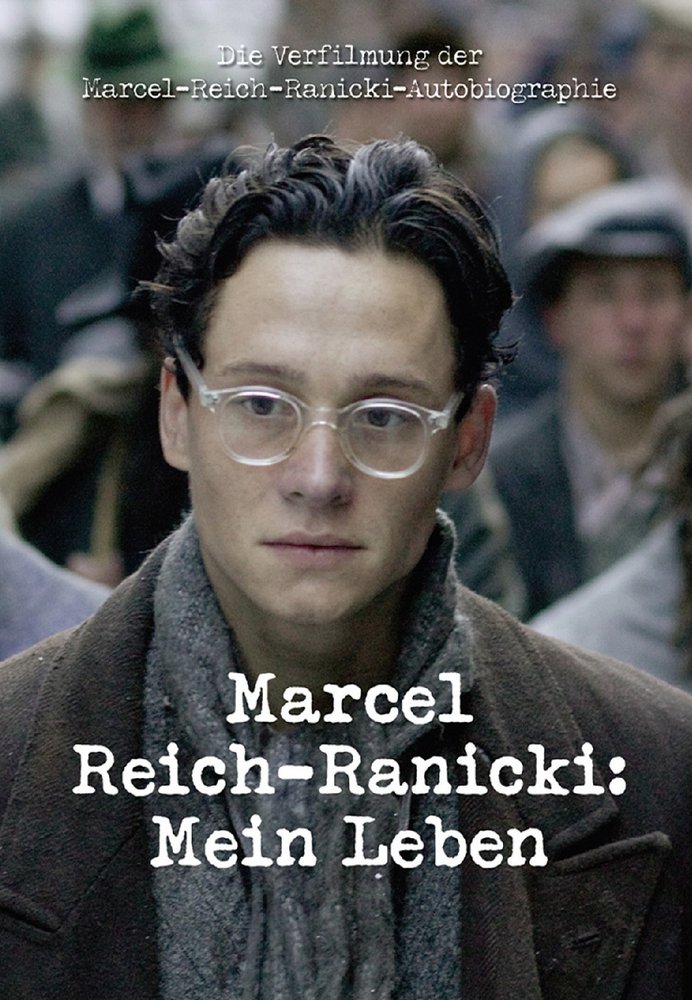
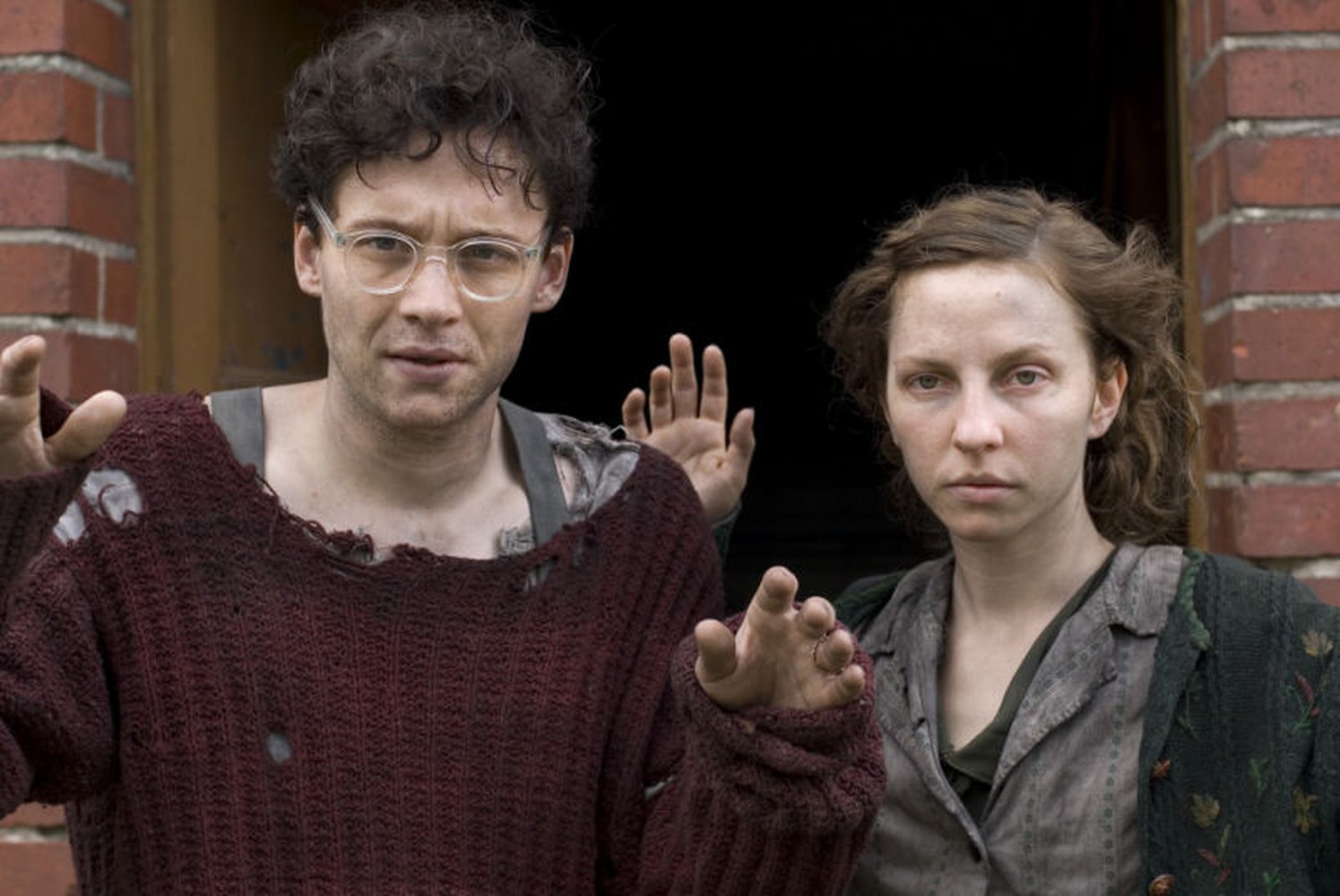
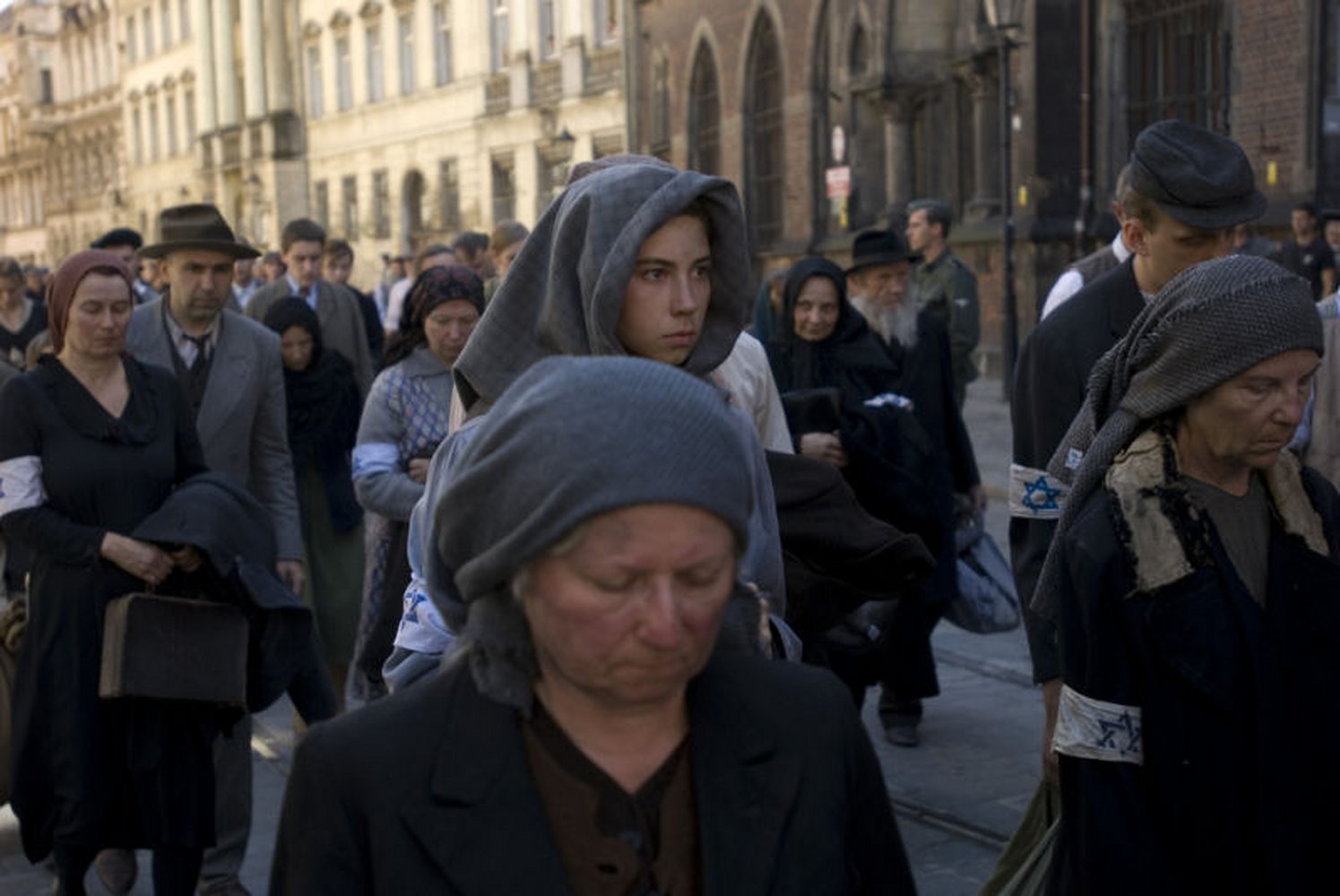
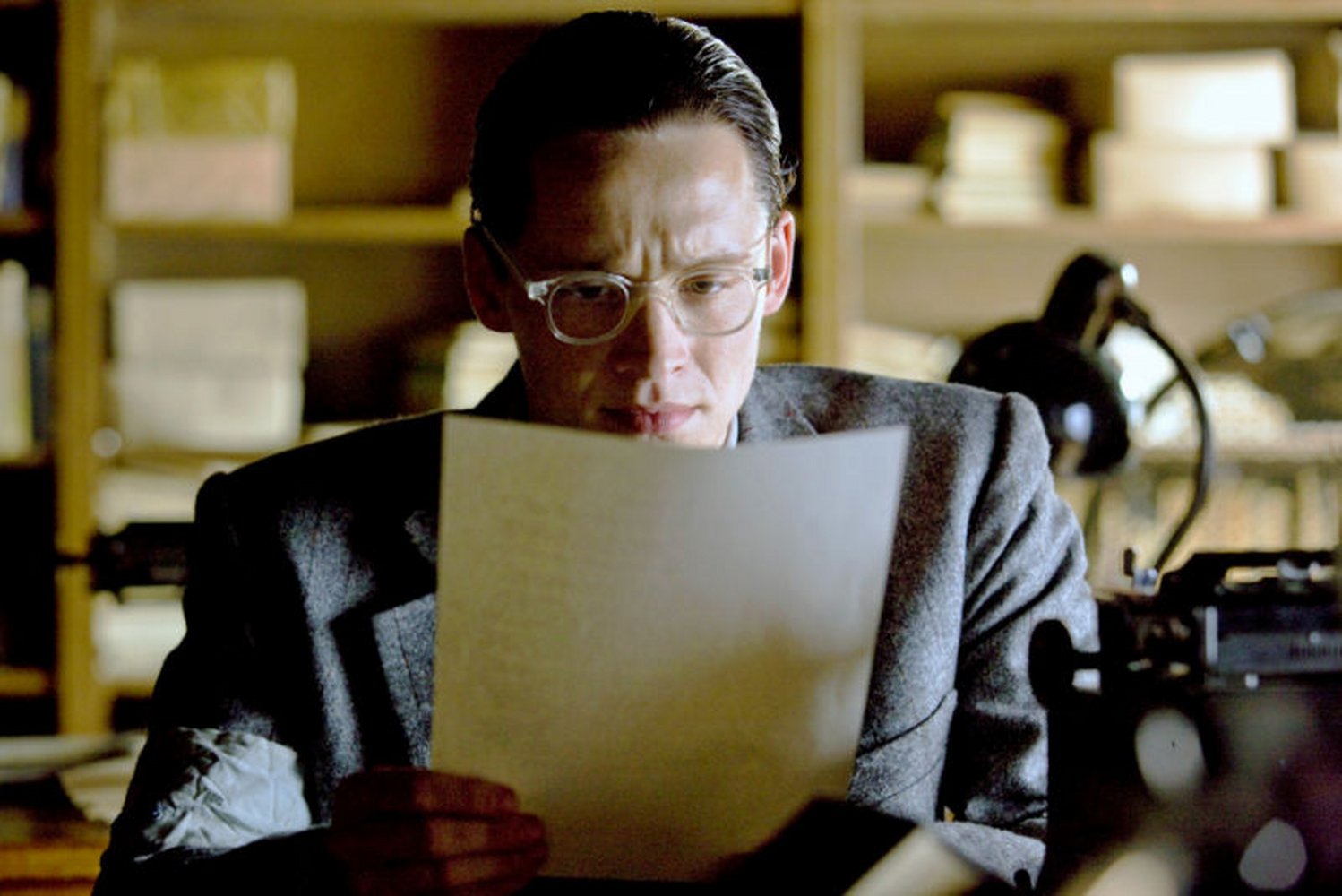
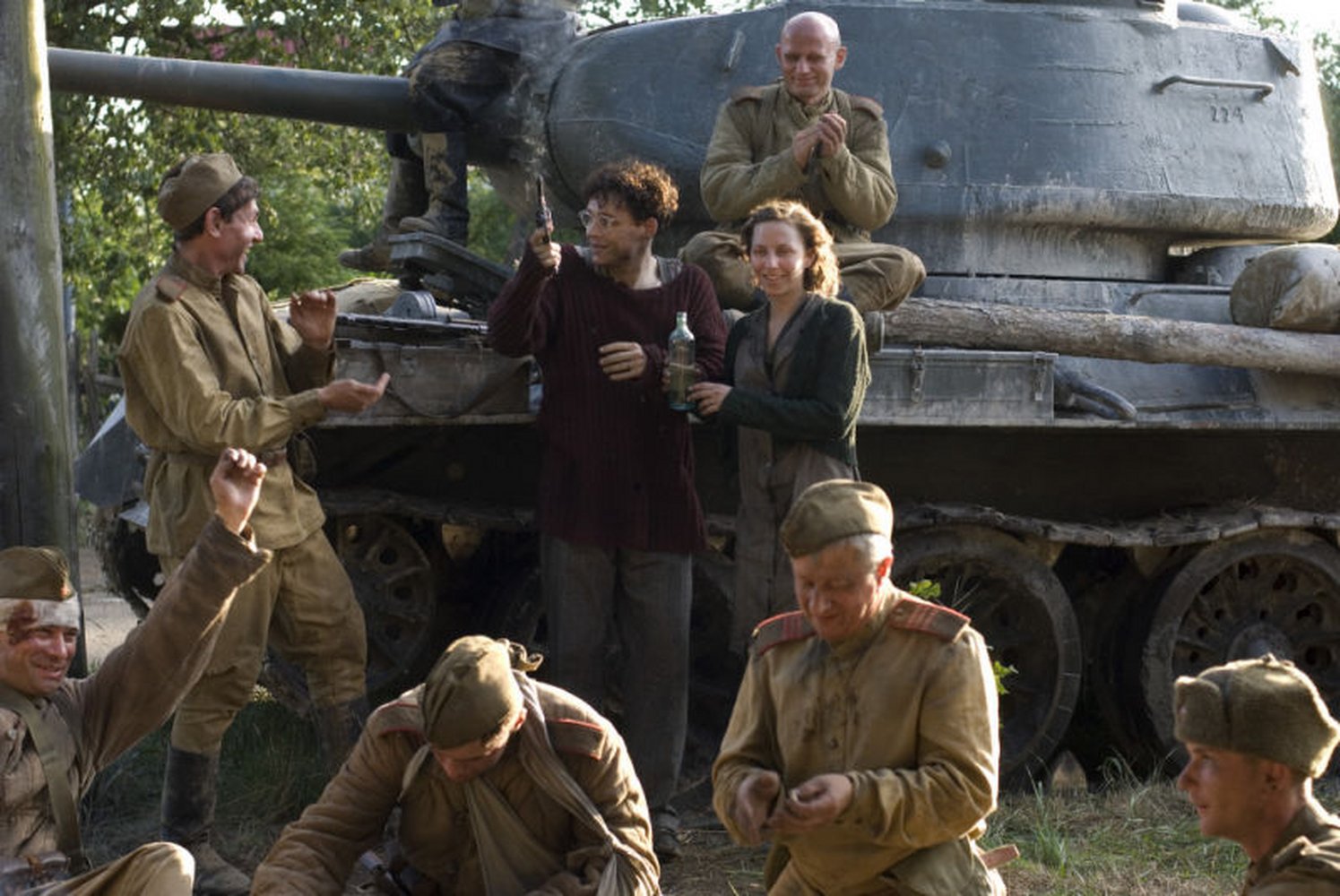
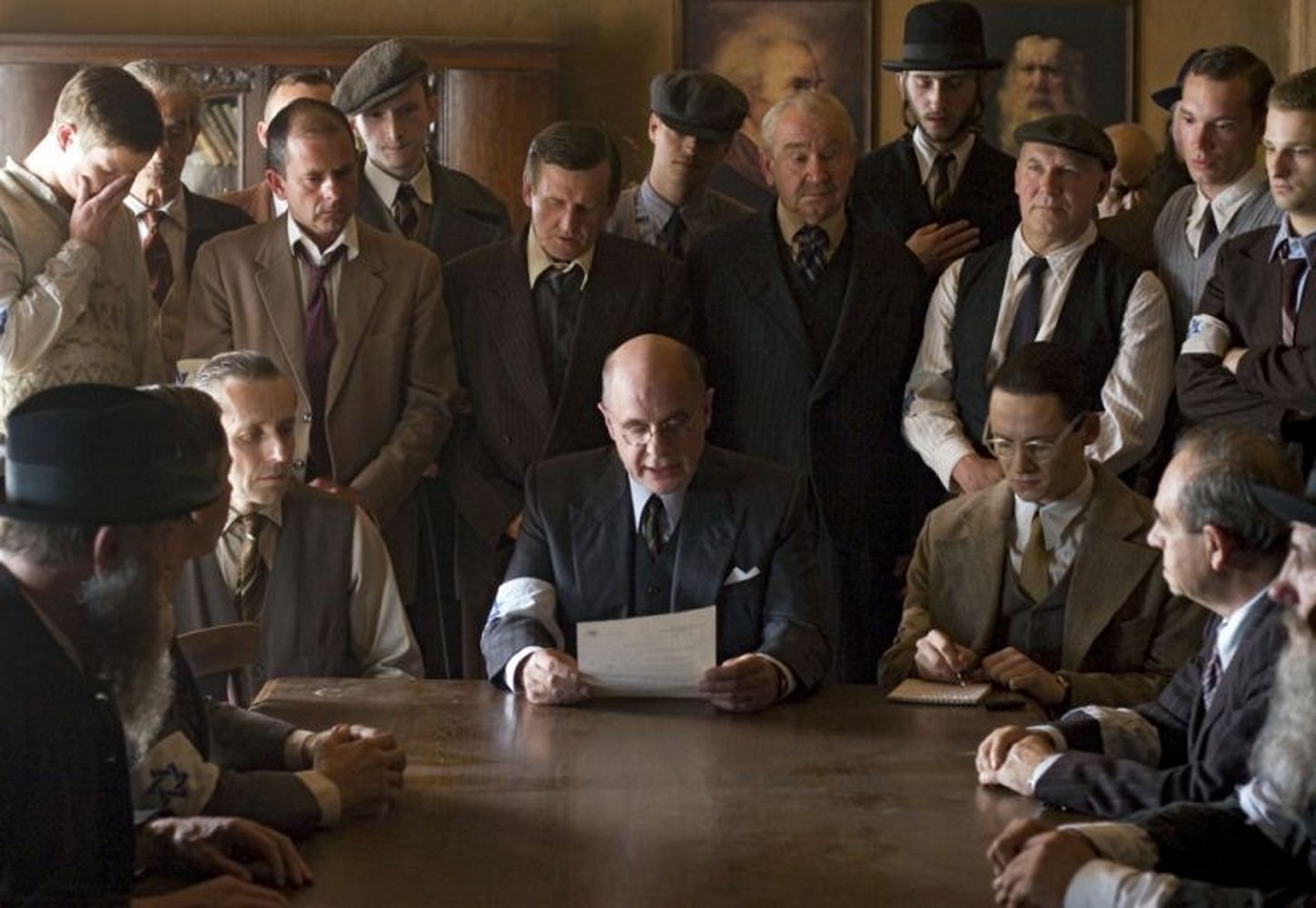
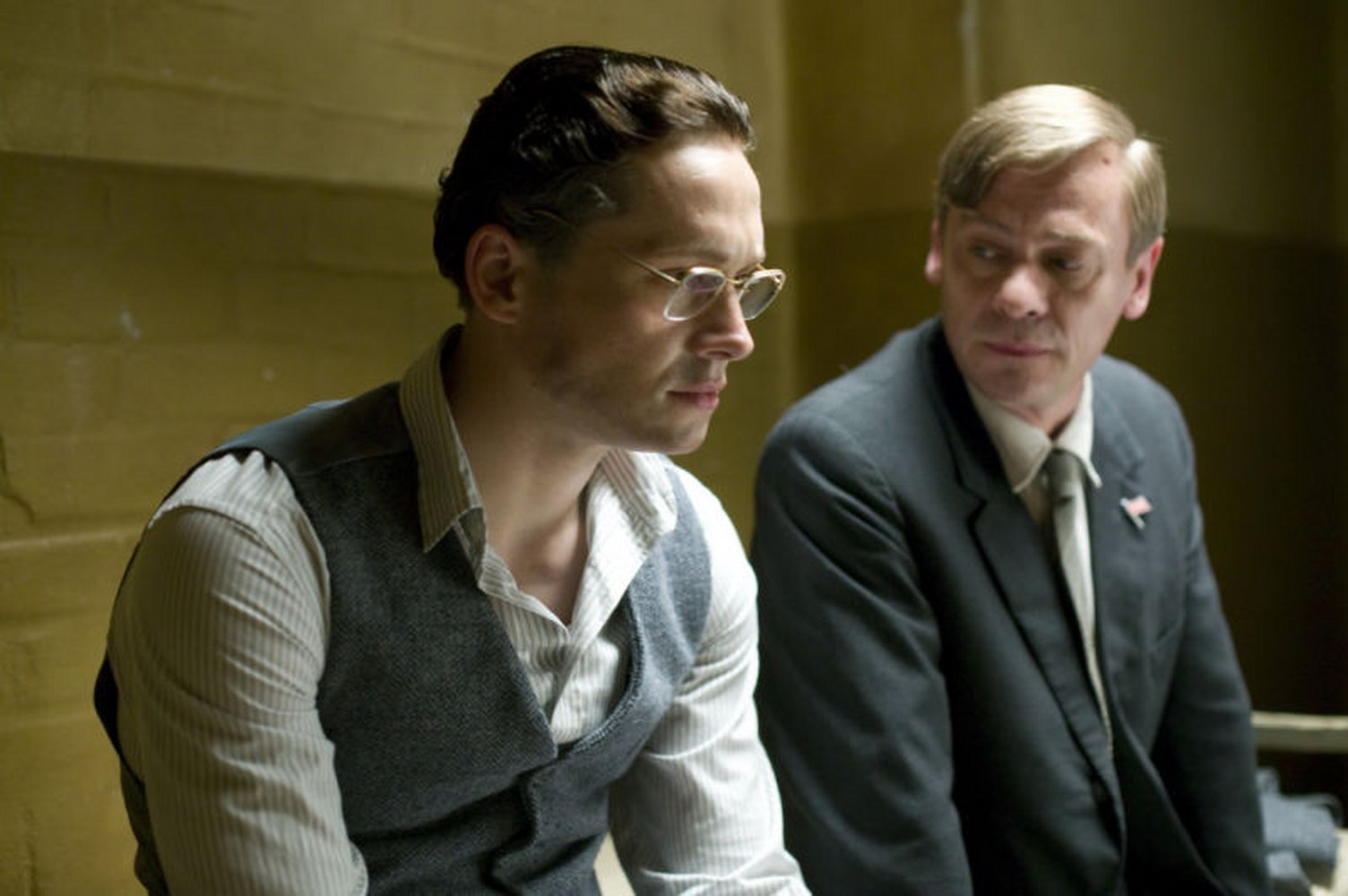
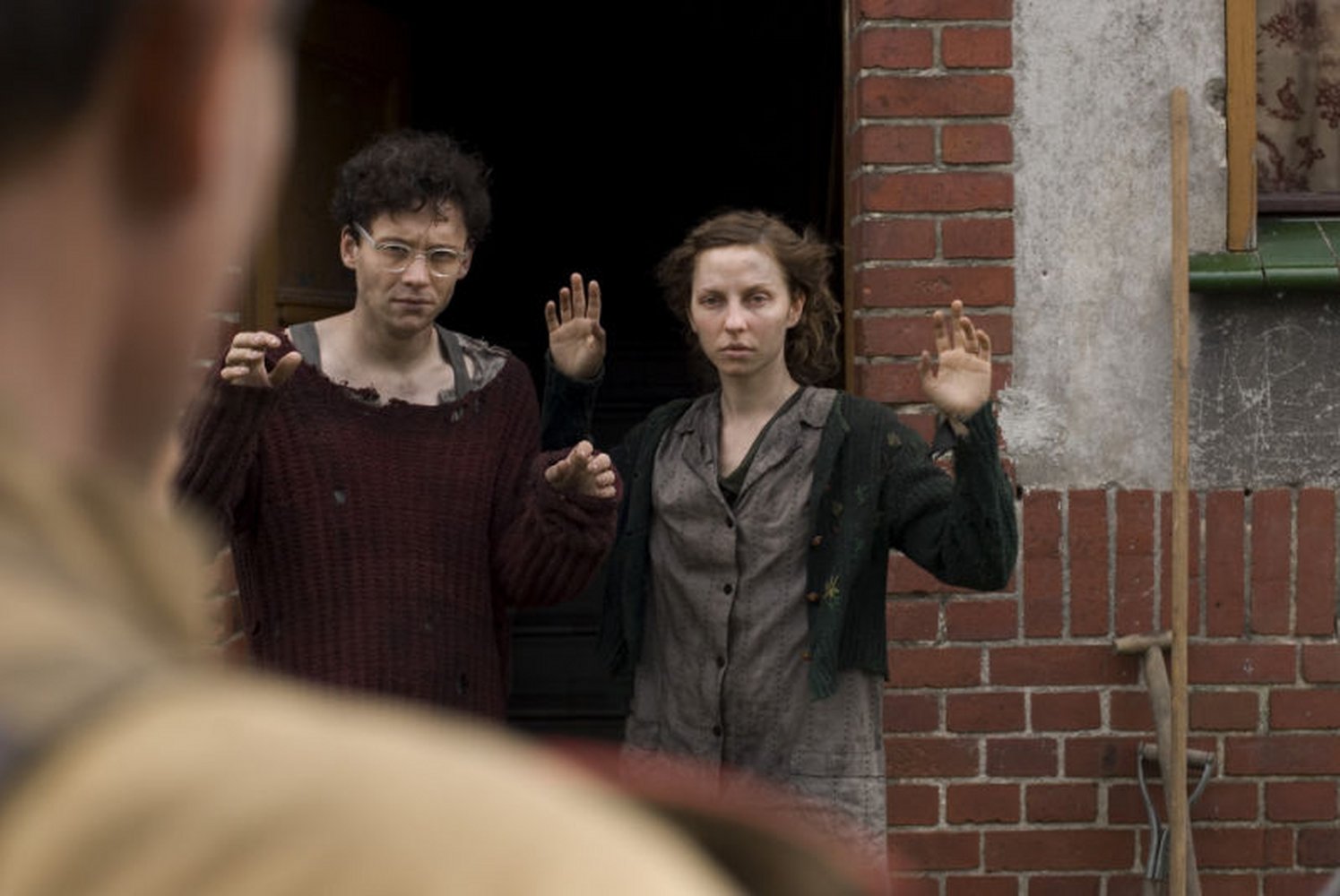
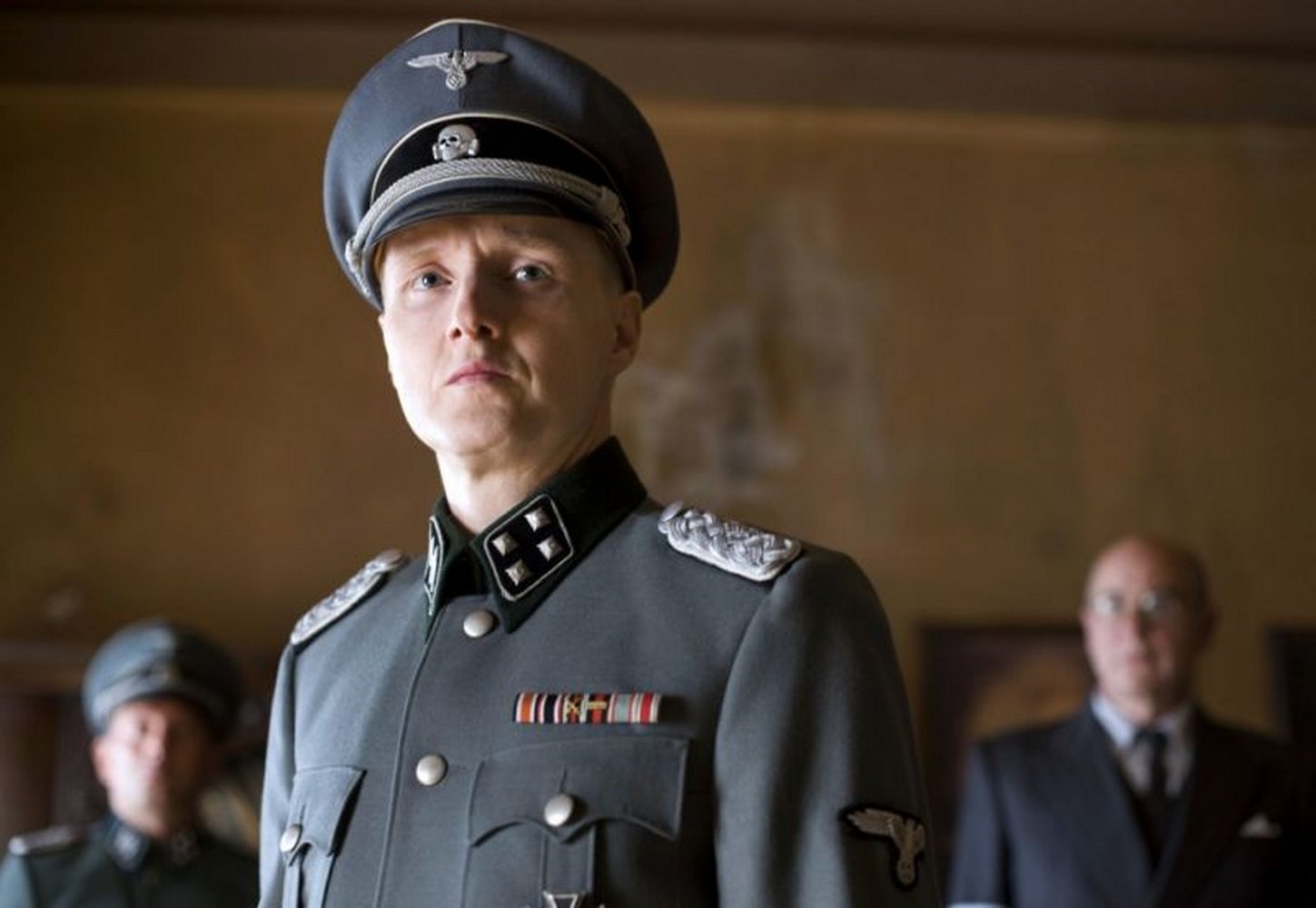
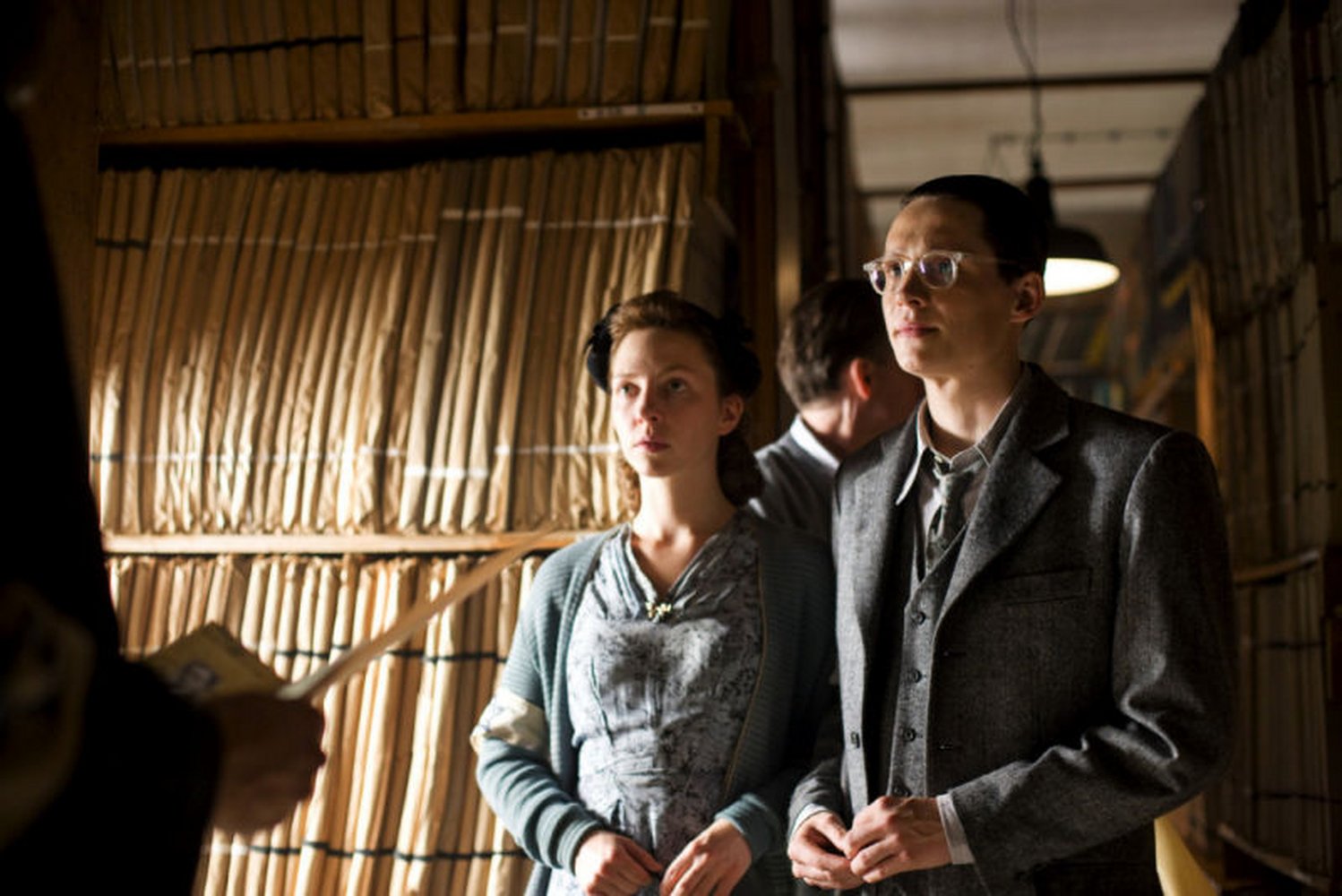
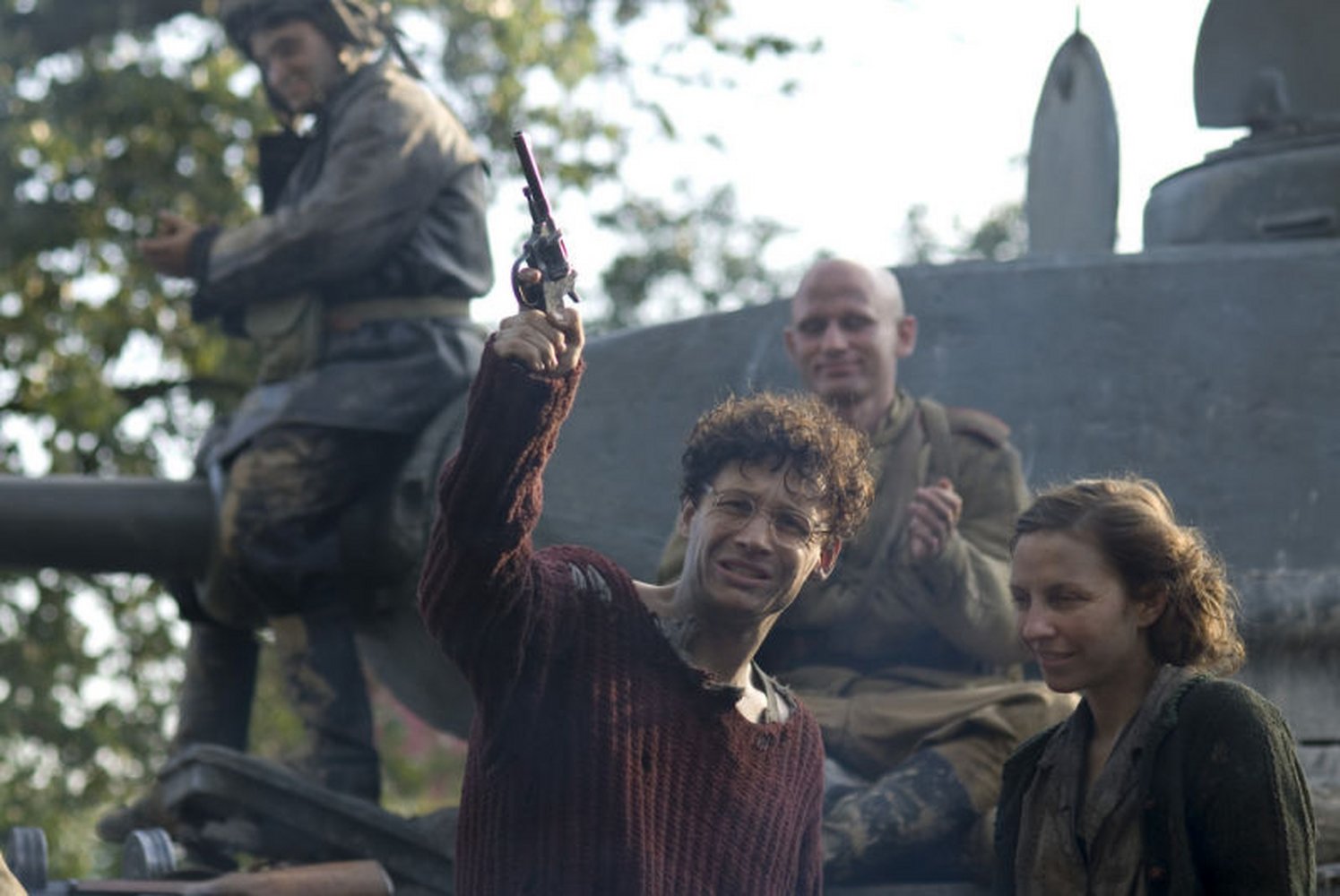
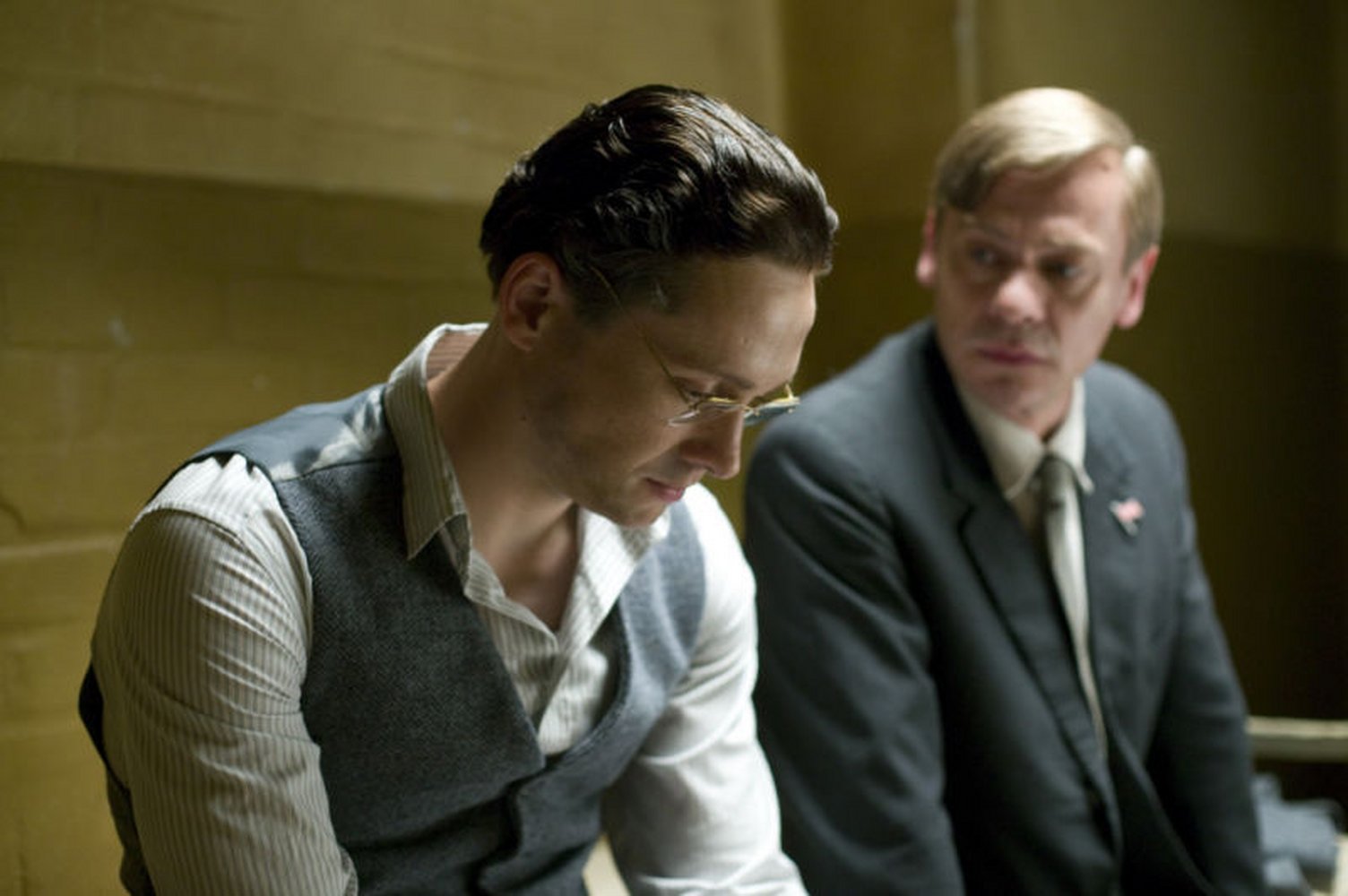
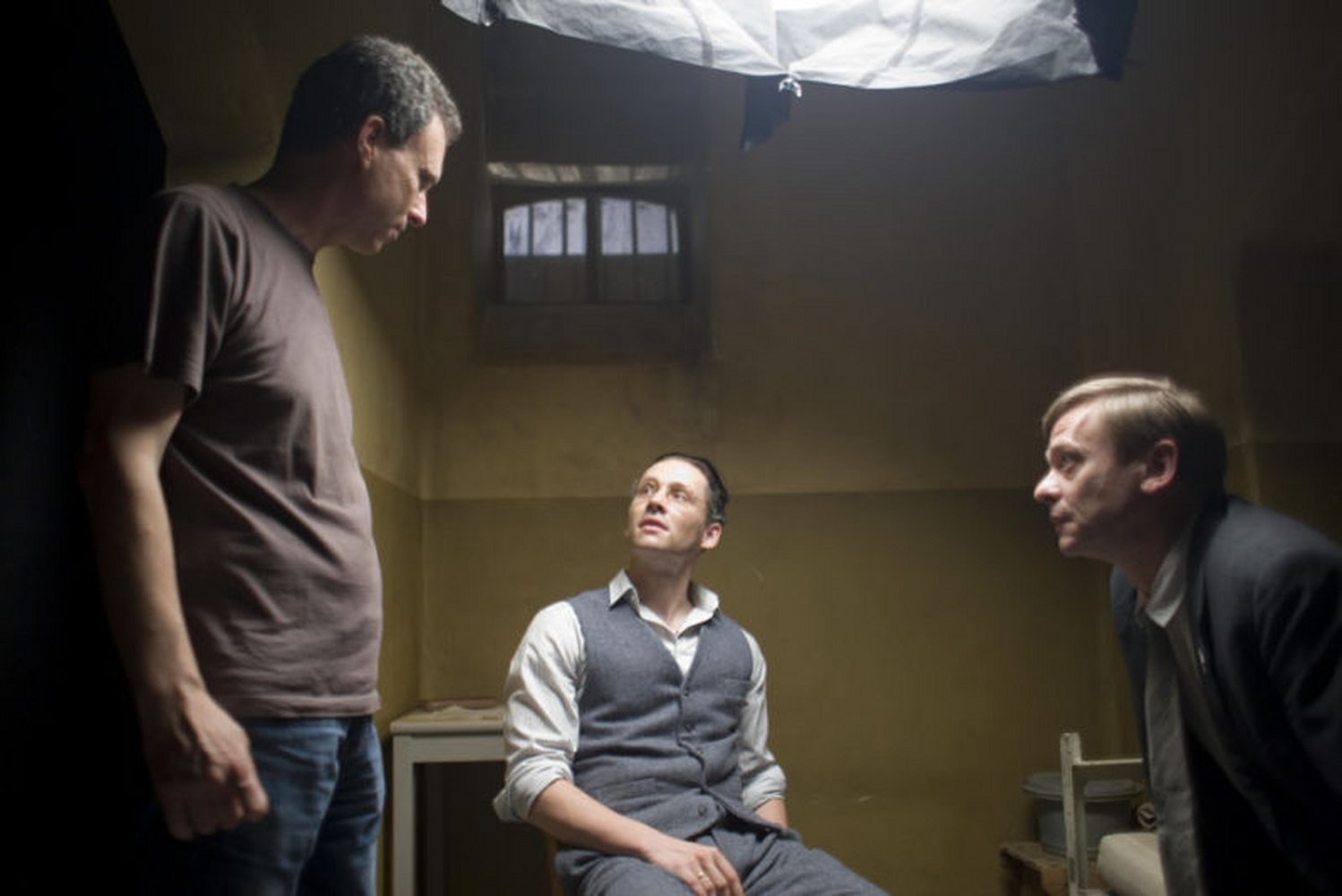
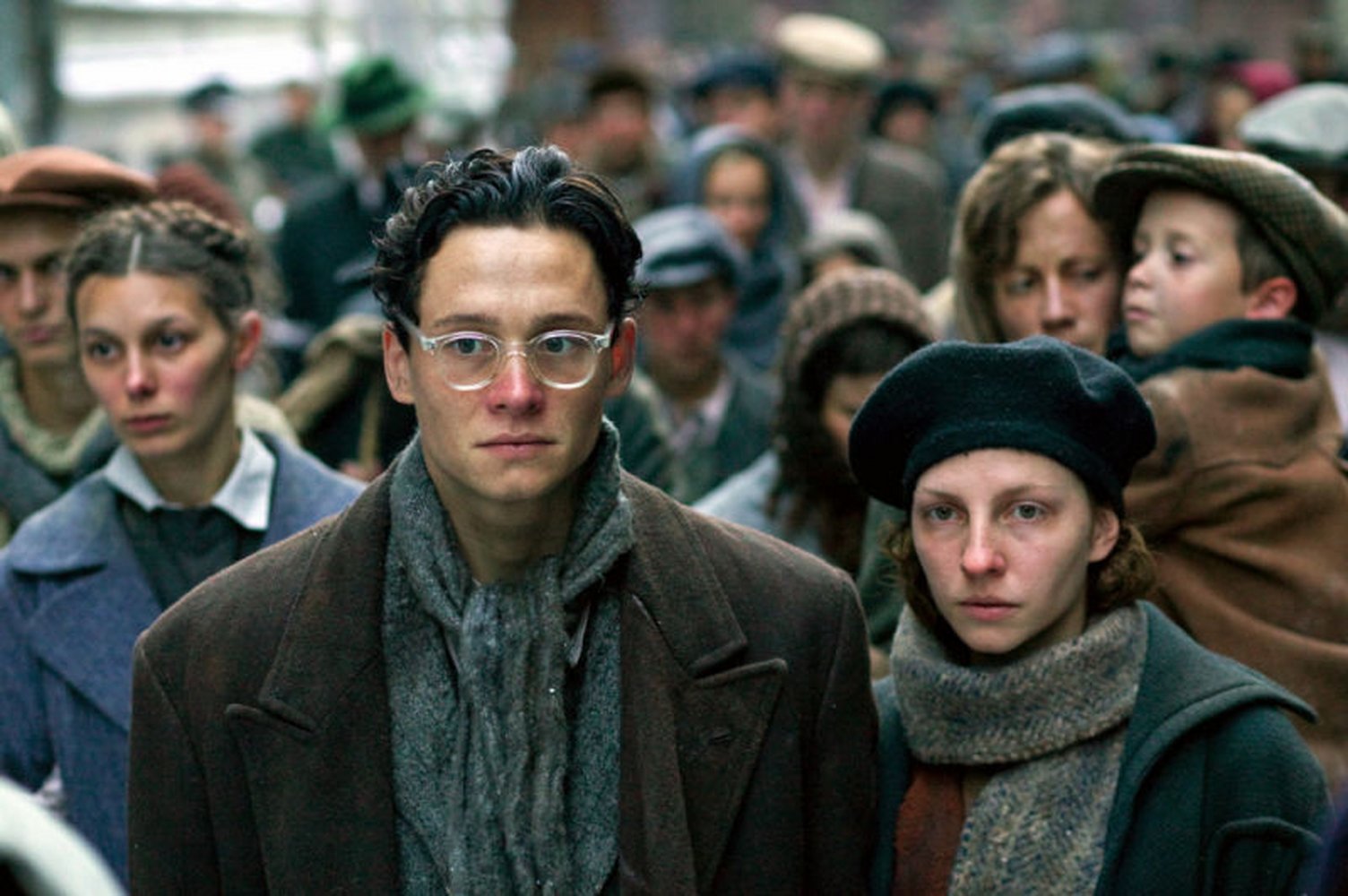
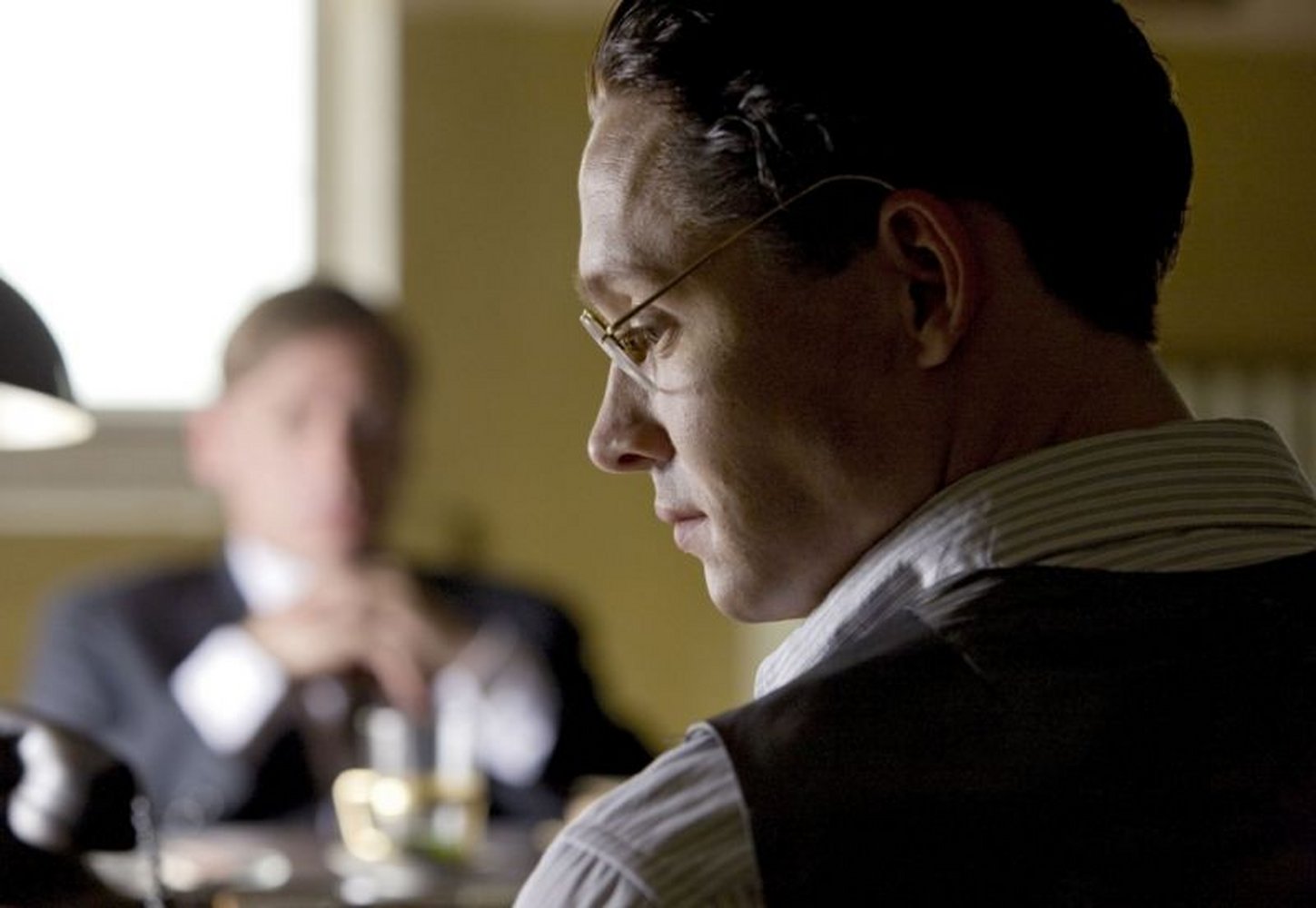
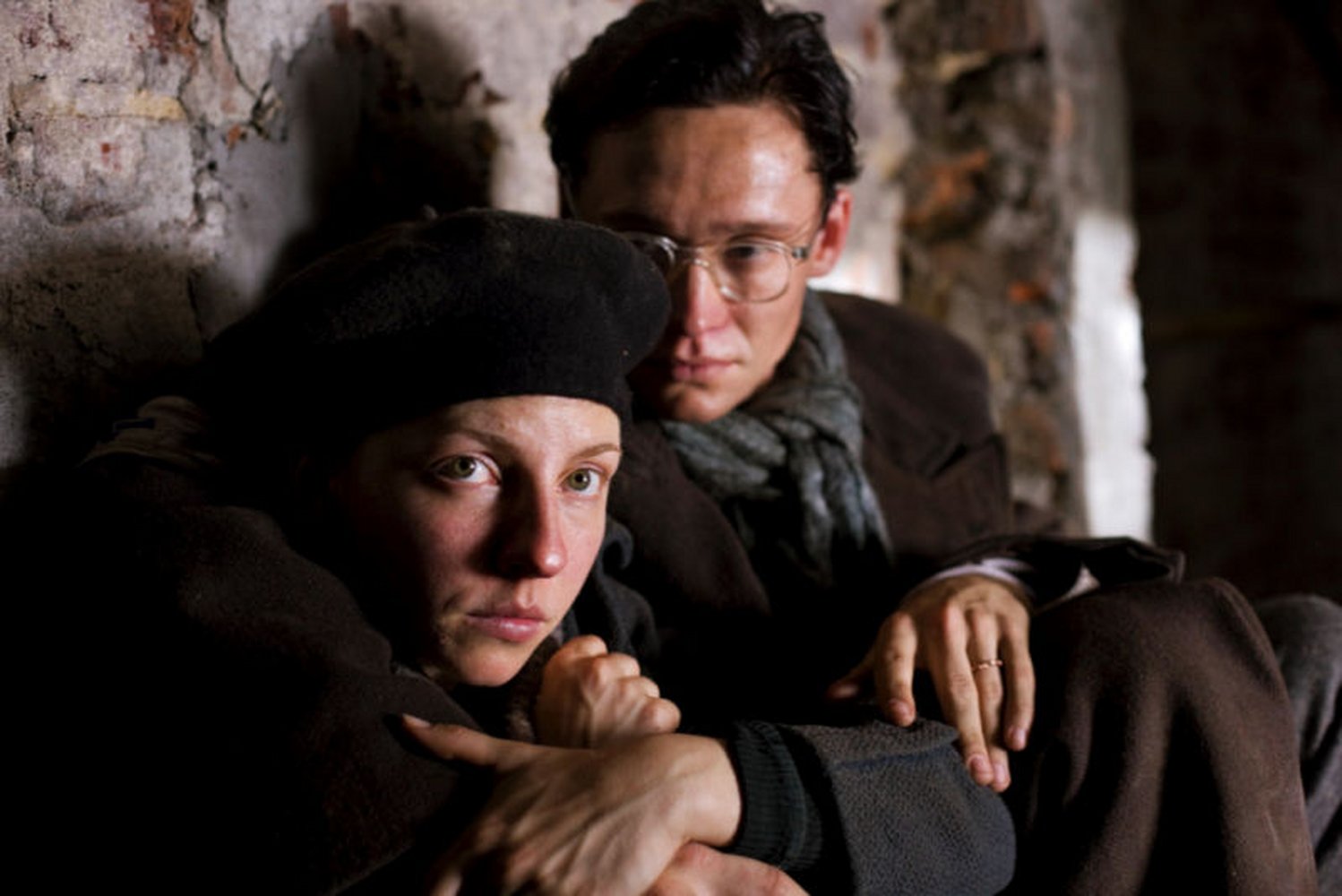
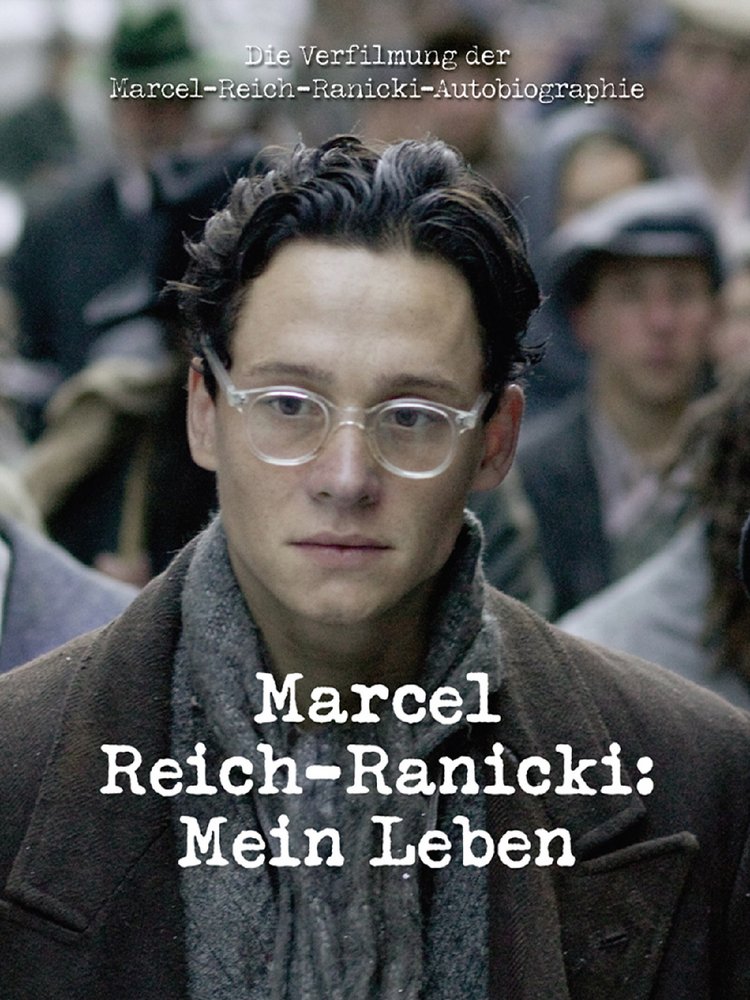
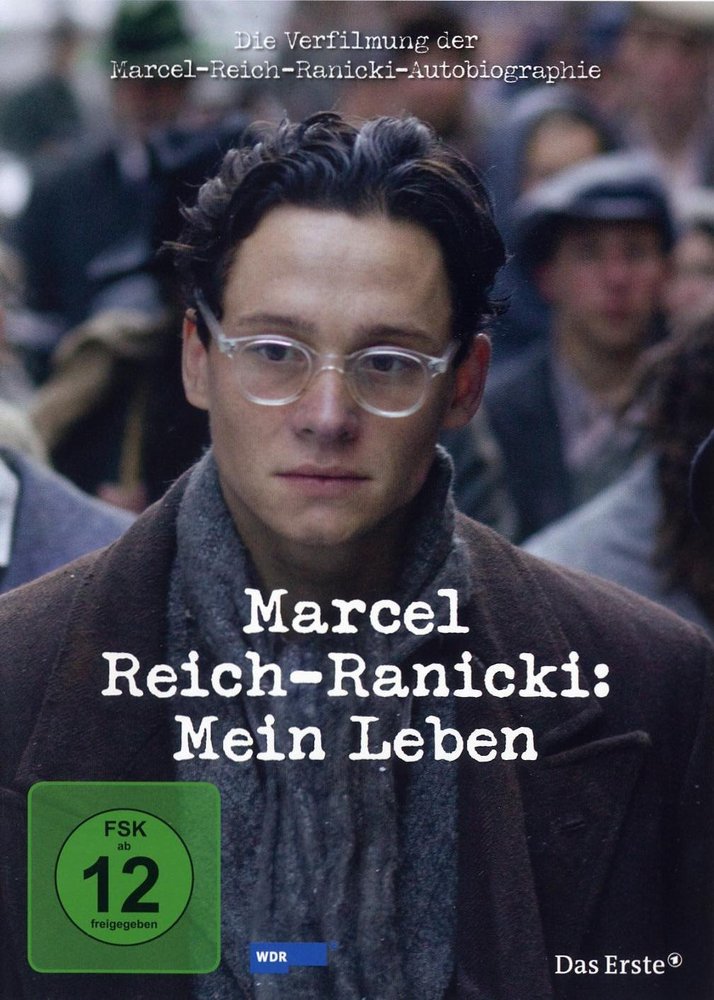
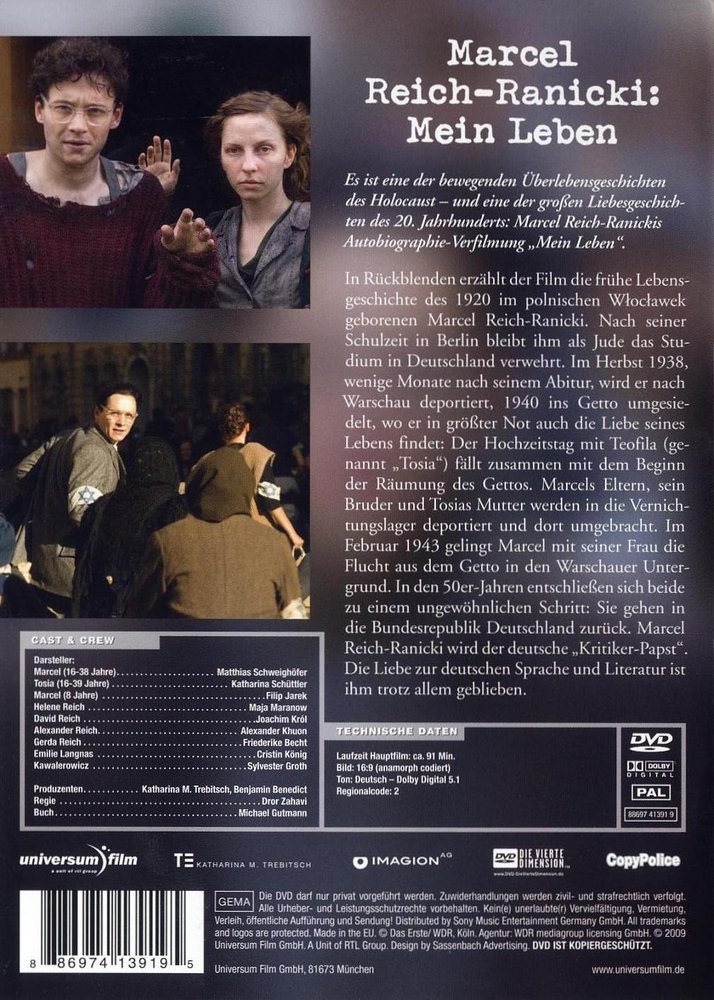
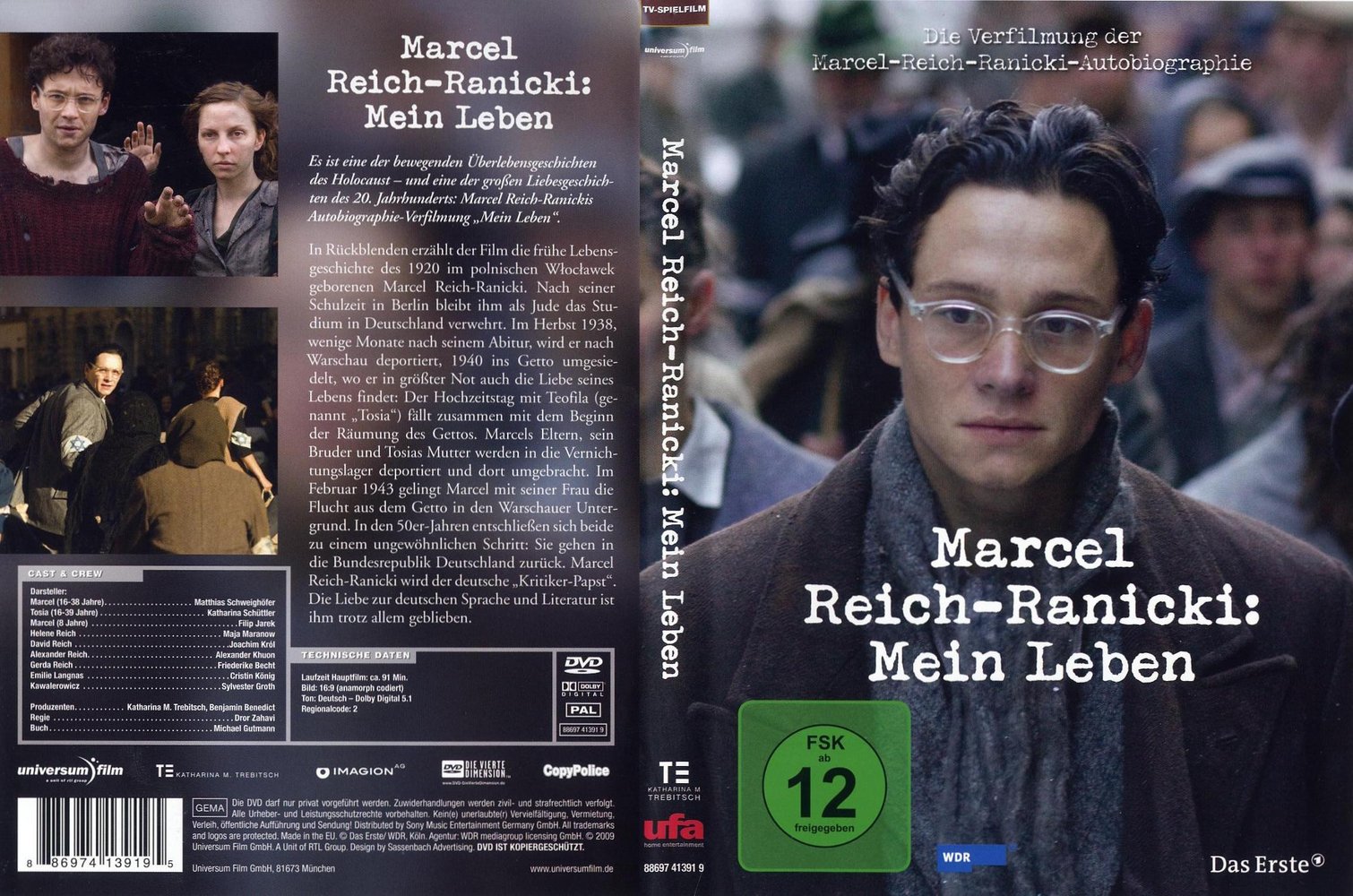
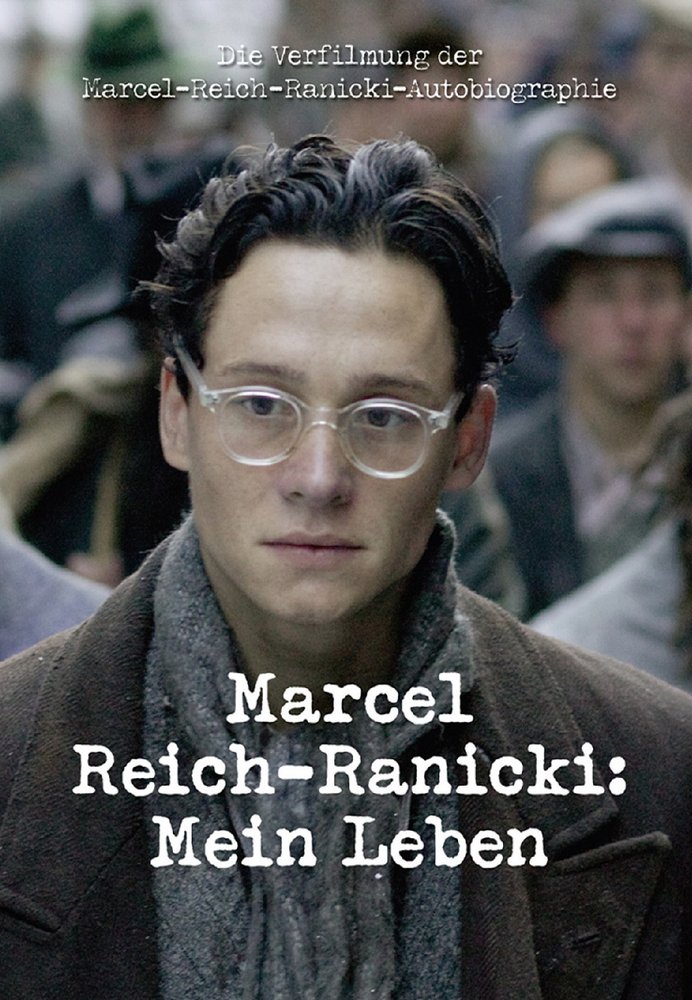
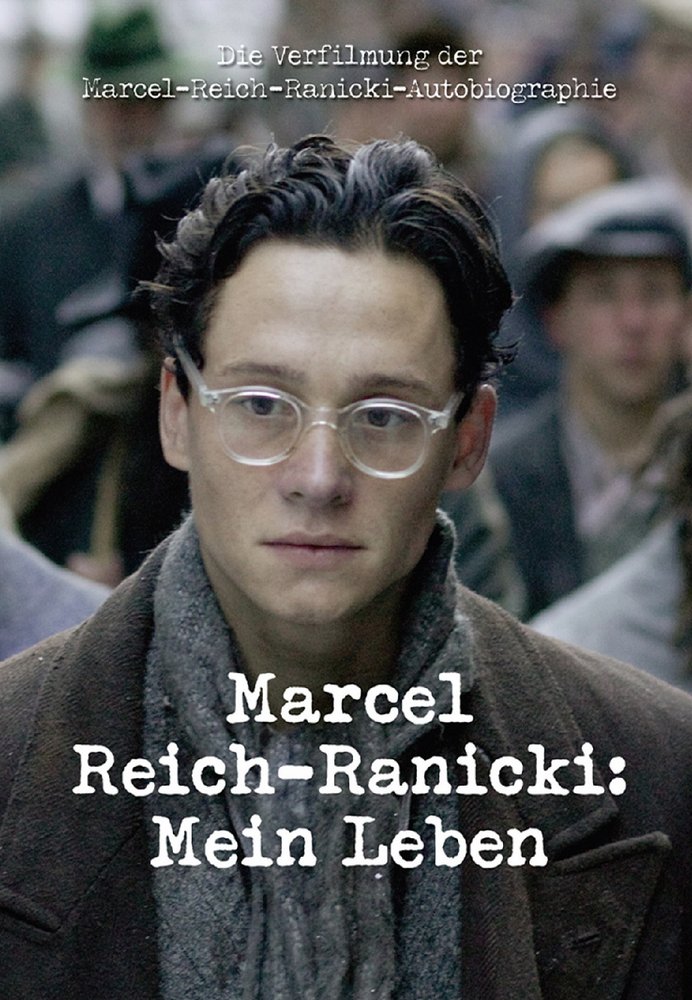
Es ist eine der bewegenden Überlebensgeschichten des Holocaust und eine der großen Liebesgeschichten des 20. Jahrhunderts: Marcel Reich-Ranickis Autobiographie-Verfilmung 'Mein Leben' mit Matthias Schweighöfer in der Hauptrolle. In Rückblenden erzählt der Film die frühe Lebensgeschichte des 1920 im polnischen Wloclawek geborenen Marcel Reich-Ranicki. Nach seiner Schulzeit in Berlin bleibt ihm als Jude das Studium in Deutschland verwehrt. Im Herbst 1938, wenige Monate nach seinem Abitur, wird er nach Warschau deportiert, 1940 ins Getto umgesiedelt, wo er in größter Not auch die Liebe seines Lebens findet: Der Hochzeitstag mit Teophila - genannt 'Tosia' - fällt zusammen mit dem Beginn der Räumung des Gettos. Marcels Eltern, sein Bruder und Tosias Mutter werden in die Vernichtungslager deportiert und dort umgebracht. Im Februar 1943 gelingt Marcel mit seiner Frau die Flucht aus dem Getto in den Warschauer Untergrund. In den 50er Jahren entschließen sich beide zu einem ungewöhnlichen Schritt: Sie gehen in die Bundesrepublik Deutschland zurück. Marcel Reich-Ranicki wird der deutsche 'Kritiker-Papst'. Die Liebe zur deutschen Sprache und Literatur ist ihm trotz allem geblieben.
Weiterlesen »
It is one of the moving survival stories of the Holocaust and one of the great love stories of the 20th century: Marcel Reich-Ranicki's autobiography adaptation 'My Life' with Matthias Schweighöfer in the leading role. In flashbacks, the film tells the early life story of Marcel Reich-Ranicki, who was born in 1920 in Wloclawek, Poland. After his school days in Berlin, he was denied the opportunity to study in Germany as a Jew. In the autumn of 1938, a few months after graduating from high school, he was deported to Warsaw, and in 1940 he was resettled in the ghetto, where he also found the love of his life in great need: the wedding anniversary with Teophila - called 'Tosia' - coincided with the beginning of the evacuation of the ghetto. Marcel's parents, his brother and Tosia's mother were deported to the extermination camps and killed there. In February 1943, Marcel and his wife managed to escape from the ghetto to the Warsaw underground. In the 1950s, they both decided to take an unusual step: they returned to the Federal Republic of Germany. Marcel Reich-Ranicki becomes the German 'critic pope'. Despite everything, his love of the German language and literature has remained with him.
More »