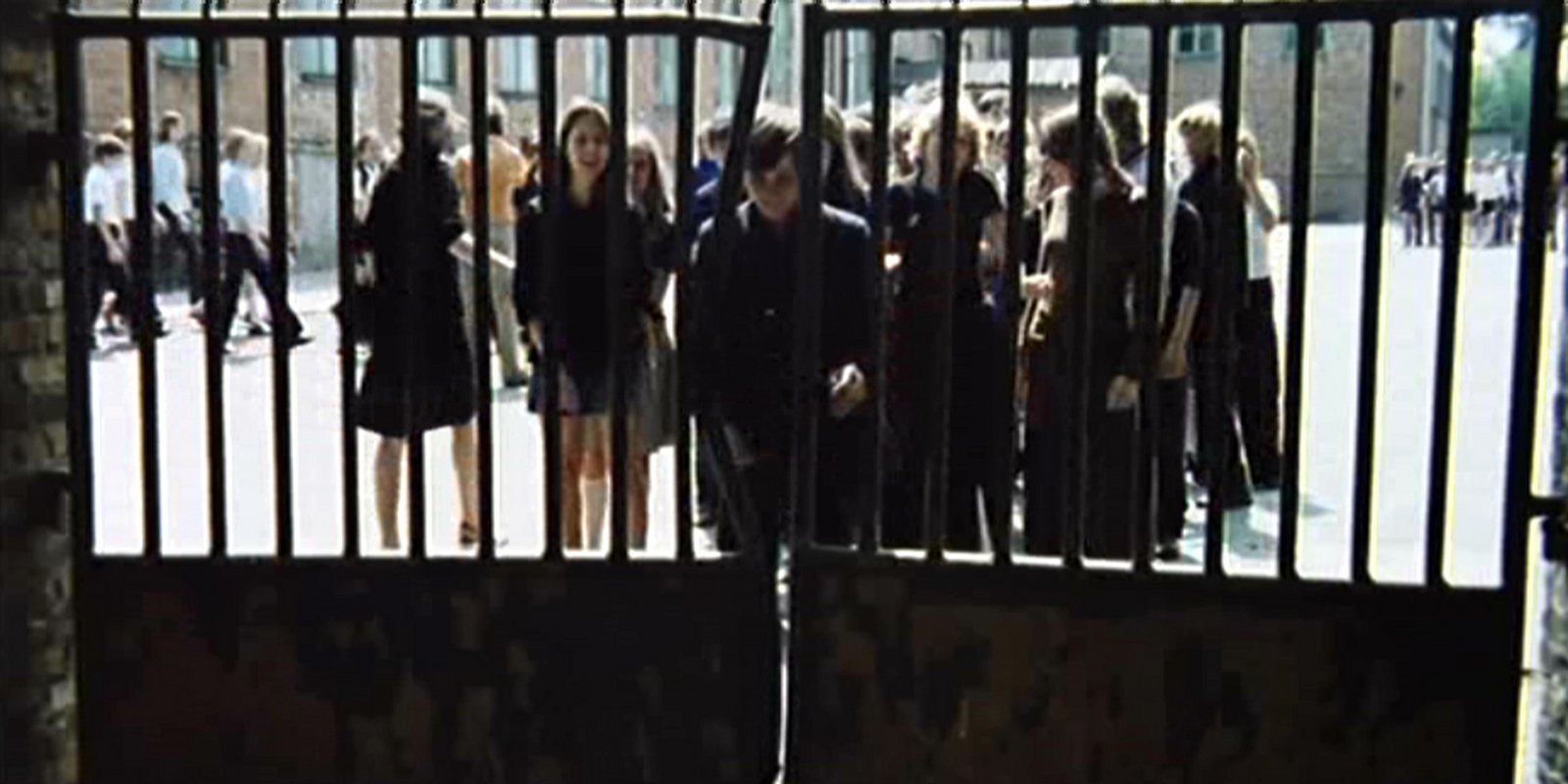
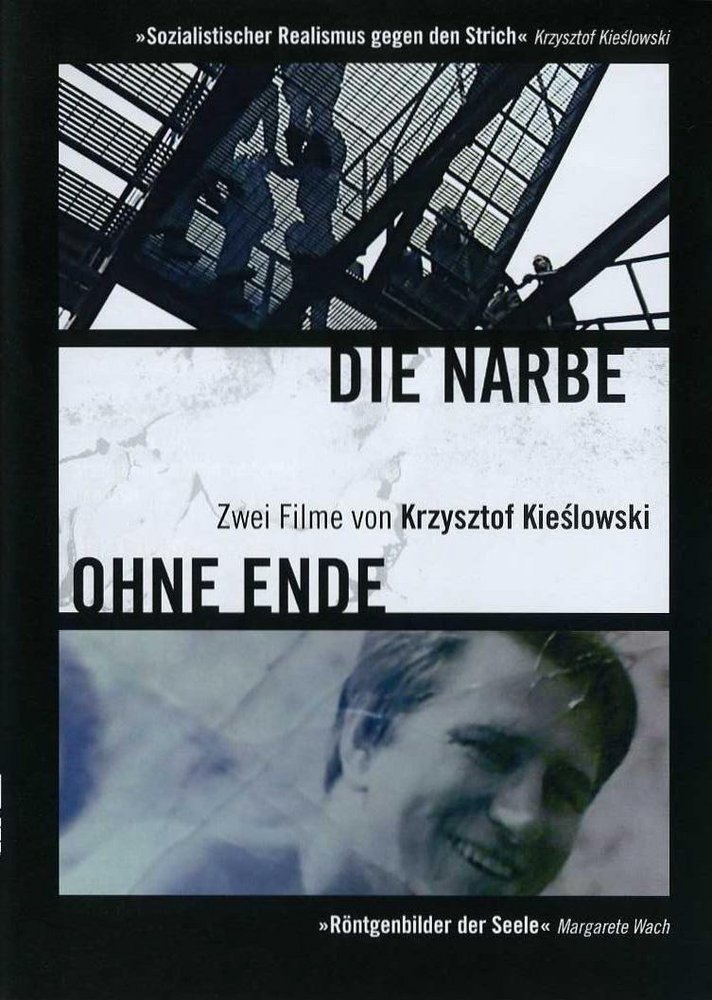
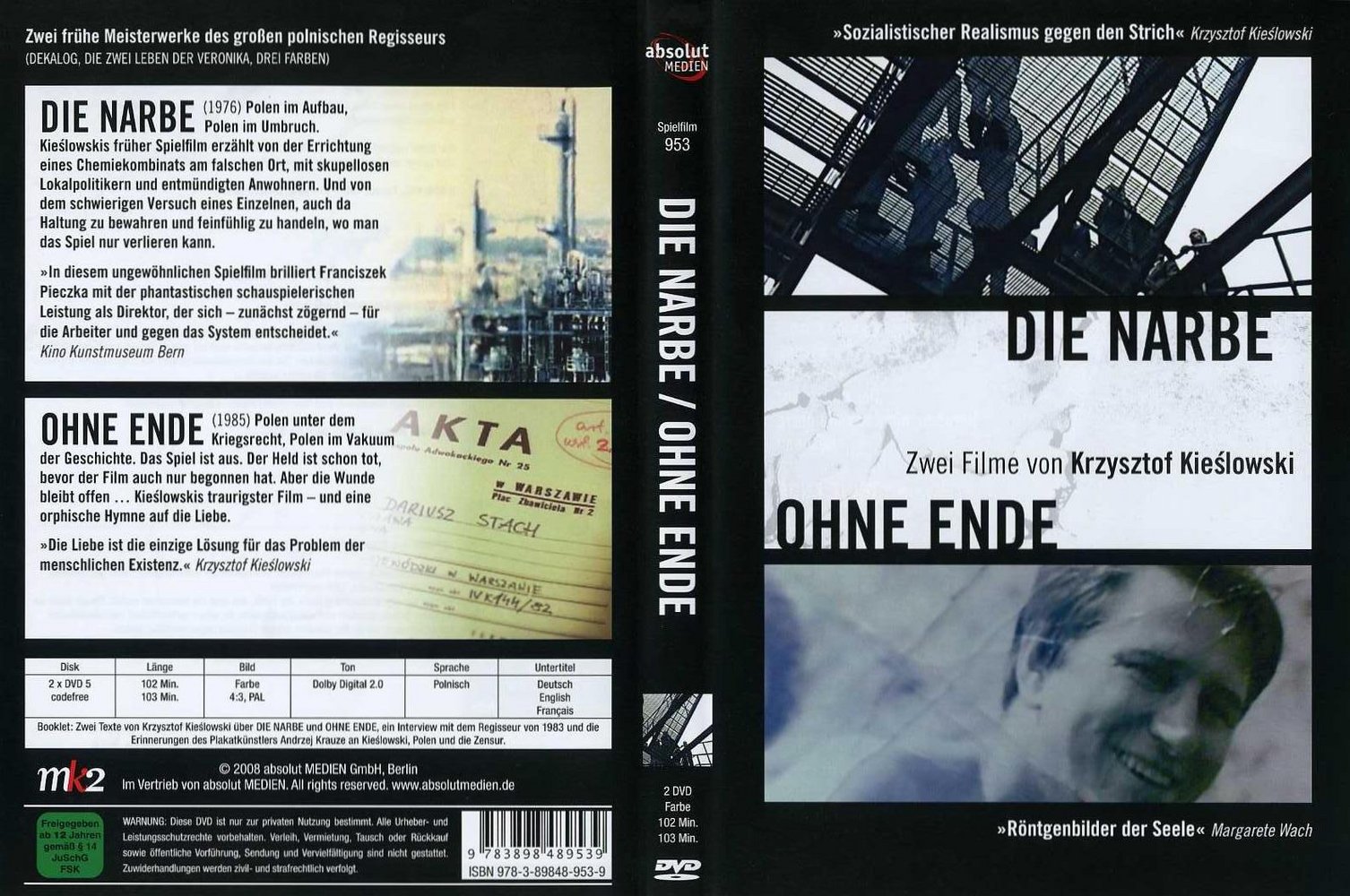
Polen im Aufbau, Polen im Umbruch. Kieslowskis früher Spielfilm 'Die Narbe' erzählt von der Errichtung eines Chemiekombinats am falschen Ort, mit skupellosen Lokalpolitikern und entmündigten Anwohnern. Und von dem schwierigen Versuch eines Einzelnen, auch da Haltung zu bewahren und feinfühlig zu handeln, wo man das Spiel nur verlieren kann...
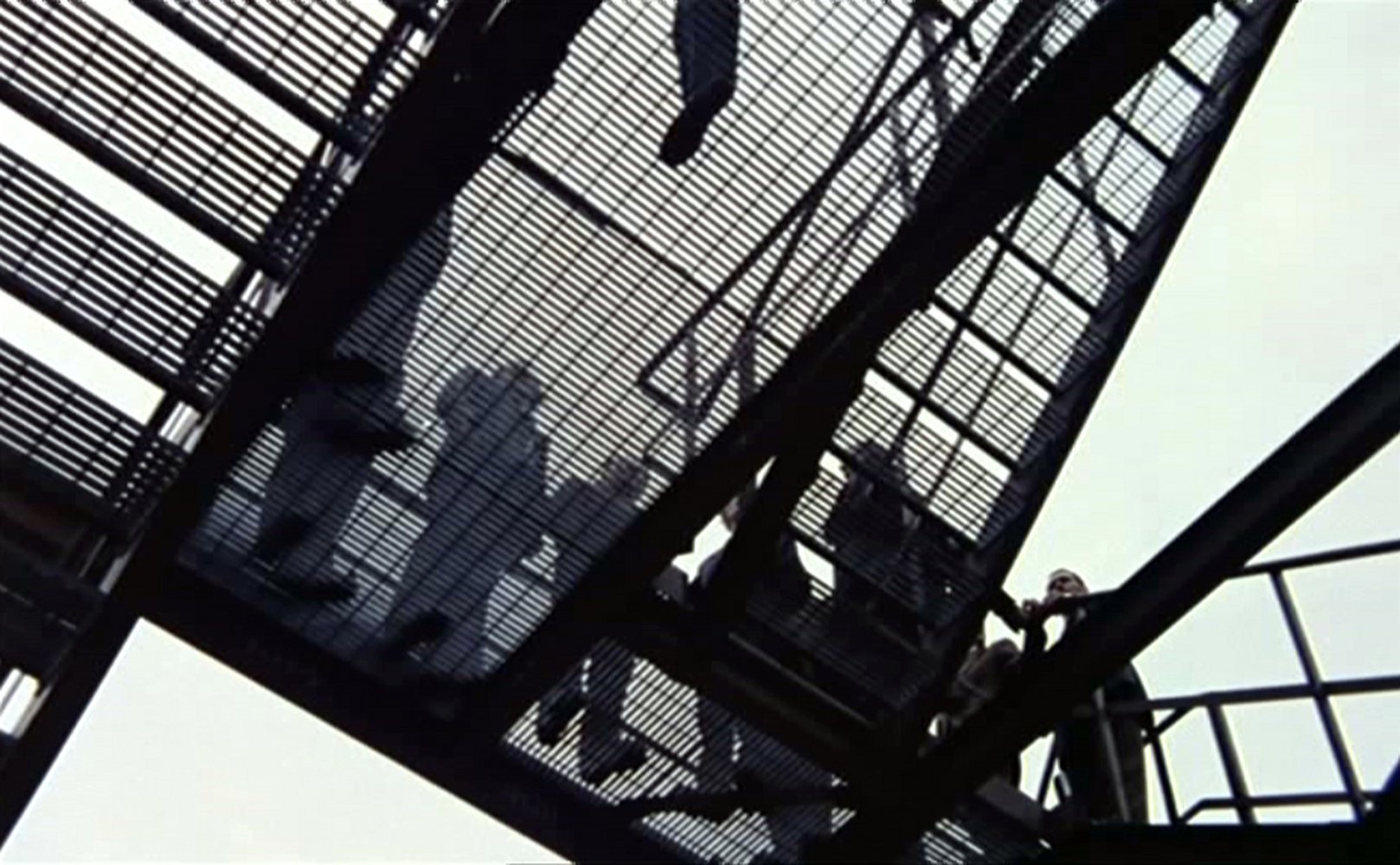
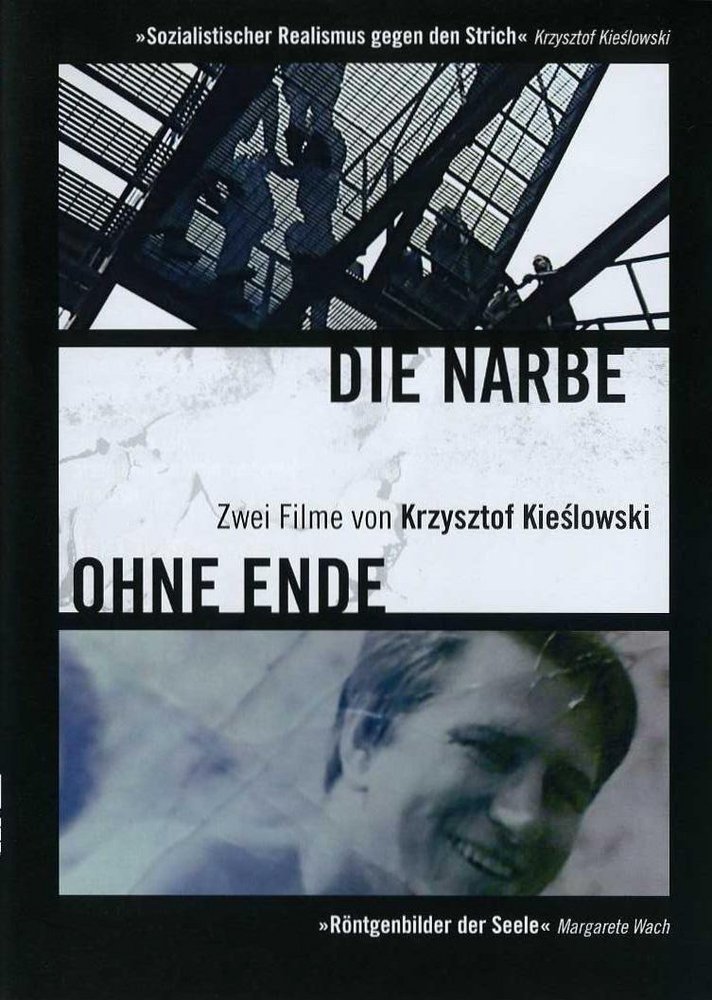
'Die Narbe' (1976) "beginnt wie ein Mafia-Thriller", so das Kino-Kunstmuseum Bern, "schwarze Limousinen, Bodyguards, ein abgelegenes Waldstück. Doch es geht nicht um eine Abrechnung zwischen feindlichen Clans, sondern um ein neues sozialistisches Bauvorhaben und seine Spätfolgen. In diesem ungewöhnlichen Spielfilm brilliert Franciszek Pieczka mit der phantastischen schauspielerischen Leistung als Direktor, der sich - zunächst zögernd - für die Arbeiter und gegen das System entscheidet." Tatsächlich, der Ingenieur Stefan Bednarz wird zum Leiter eines Chemiekombinats berufen, das durch ehrgeizige Lokalpolitiker ebenso schlecht geplant ist wie es auf den renitenten Widerstand der Anwohner stößt. Der Konflikt ist unausweichlich, eine Lösung nicht in Sicht. Krzysztof Kieslowskis 'Blizna', so der polnische Originaltitel, ist ein wunderbar unaufgeregter Film, in dessen sensiblen Bildern sich bereits die ökologischen und politischen Katastrophen abzeichnen, auf die nicht nur das Polen der siebziger Jahre zusteuerte. Und mittendrin der aussichtlose Versuch eines Einzelnen, Verantwortungsbewusstsein, Haltung und praktische Vernunft zu retten. "Sozialistischer Realismus gegen den Strich.", sagt Kieslowski.
Weiterlesen »
Poland under construction, Poland in upheaval. Kieslowski's early feature film 'The Scar' tells the story of the construction of a chemical combine in the wrong place, with unscrupulous local politicians and incapacitated residents. And about the difficult attempt of an individual to keep his composure and act sensitively even where you can only lose the game...
'The Scar' (1976) "begins like a mafia thriller," according to the Kino-Kunstmuseum Bern, "black limousines, bodyguards, a remote piece of forest. But it is not a matter of settling scores between hostile clans, but of a new socialist construction project and its long-term consequences. In this unusual feature film, Franciszek Pieczka shines with his fantastic acting performance as the director, who - at first hesitantly - decides for the workers and against the system." In fact, the engineer Stefan Bednarz is appointed head of a chemical combine that is just as poorly planned by ambitious local politicians as it meets with the recalcitrant resistance of the residents. The conflict is inevitable, a solution is not in sight. Krzysztof Kieslowski's 'Blizna', as the Polish original title suggests, is a wonderfully unagitated film whose sensitive images already reveal the ecological and political catastrophes towards which Poland in the seventies was heading. And in the middle of it all, the futile attempt of an individual to save a sense of responsibility, attitude and practical reason. "Socialist realism against the grain," says Kieslowski.
More »