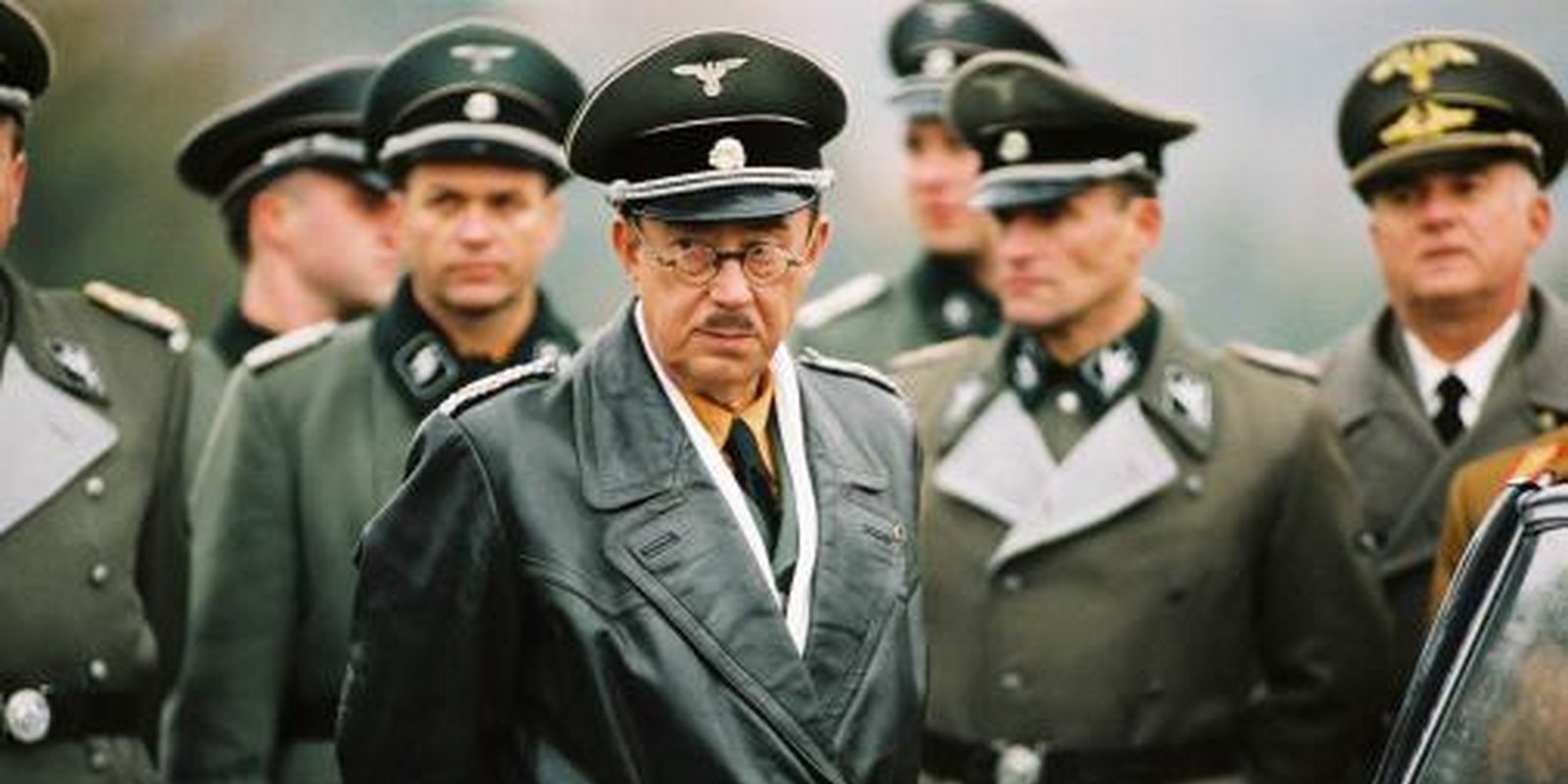
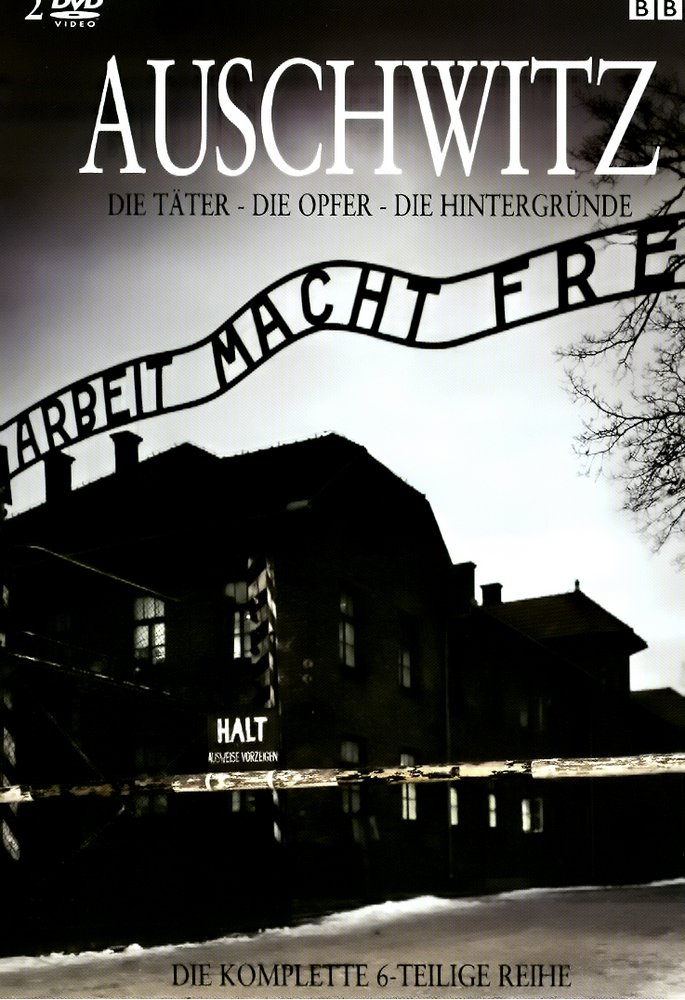
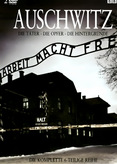
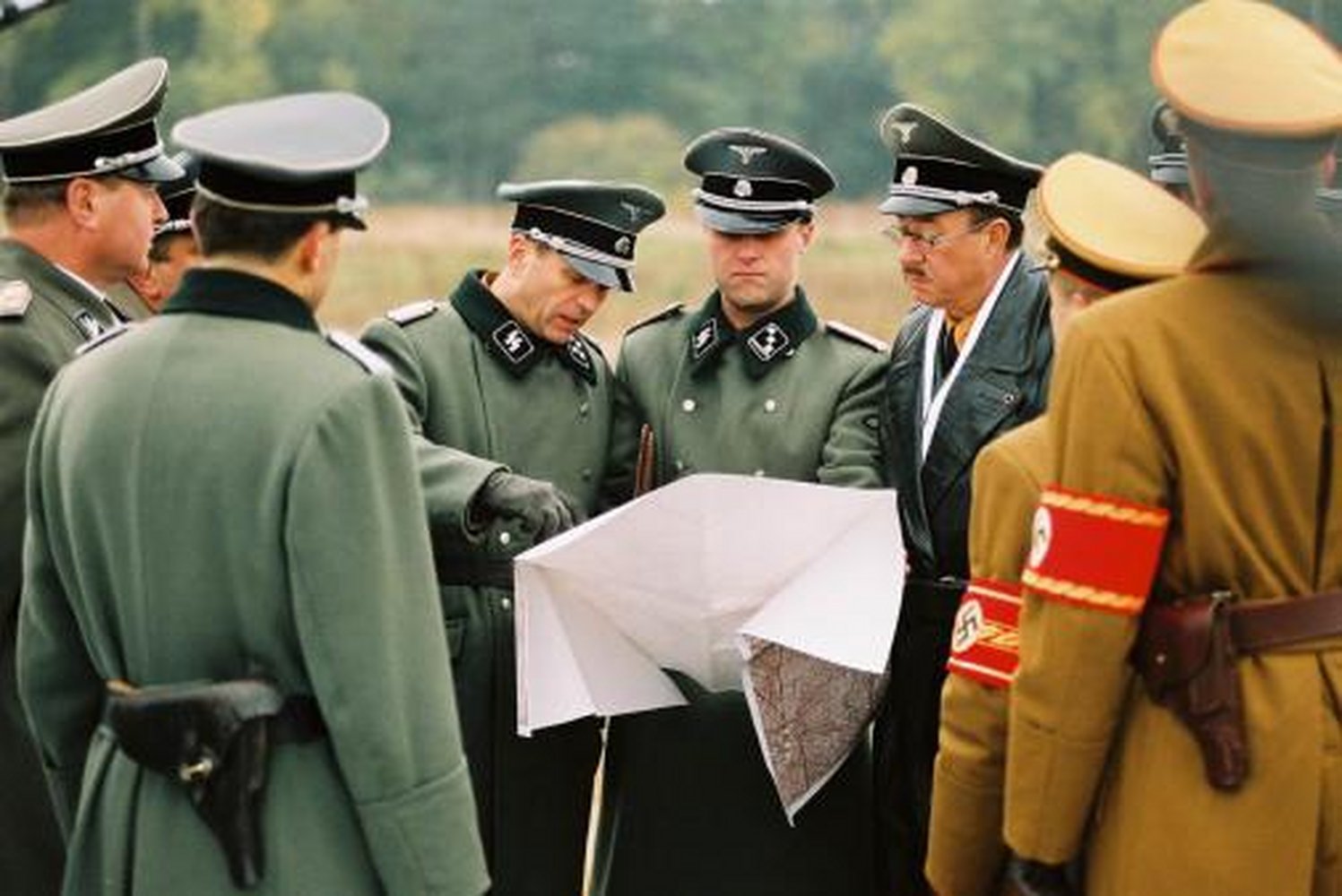
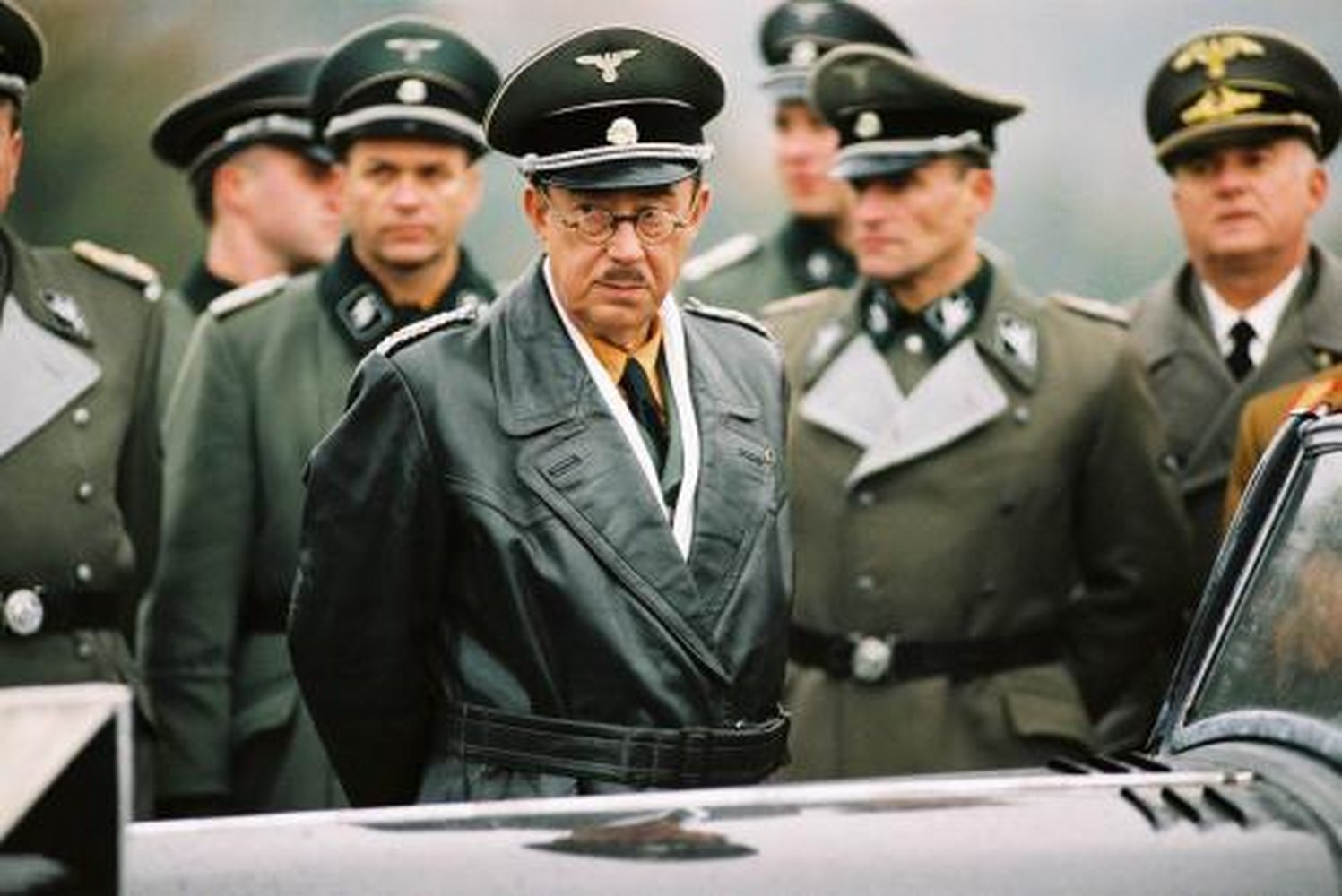
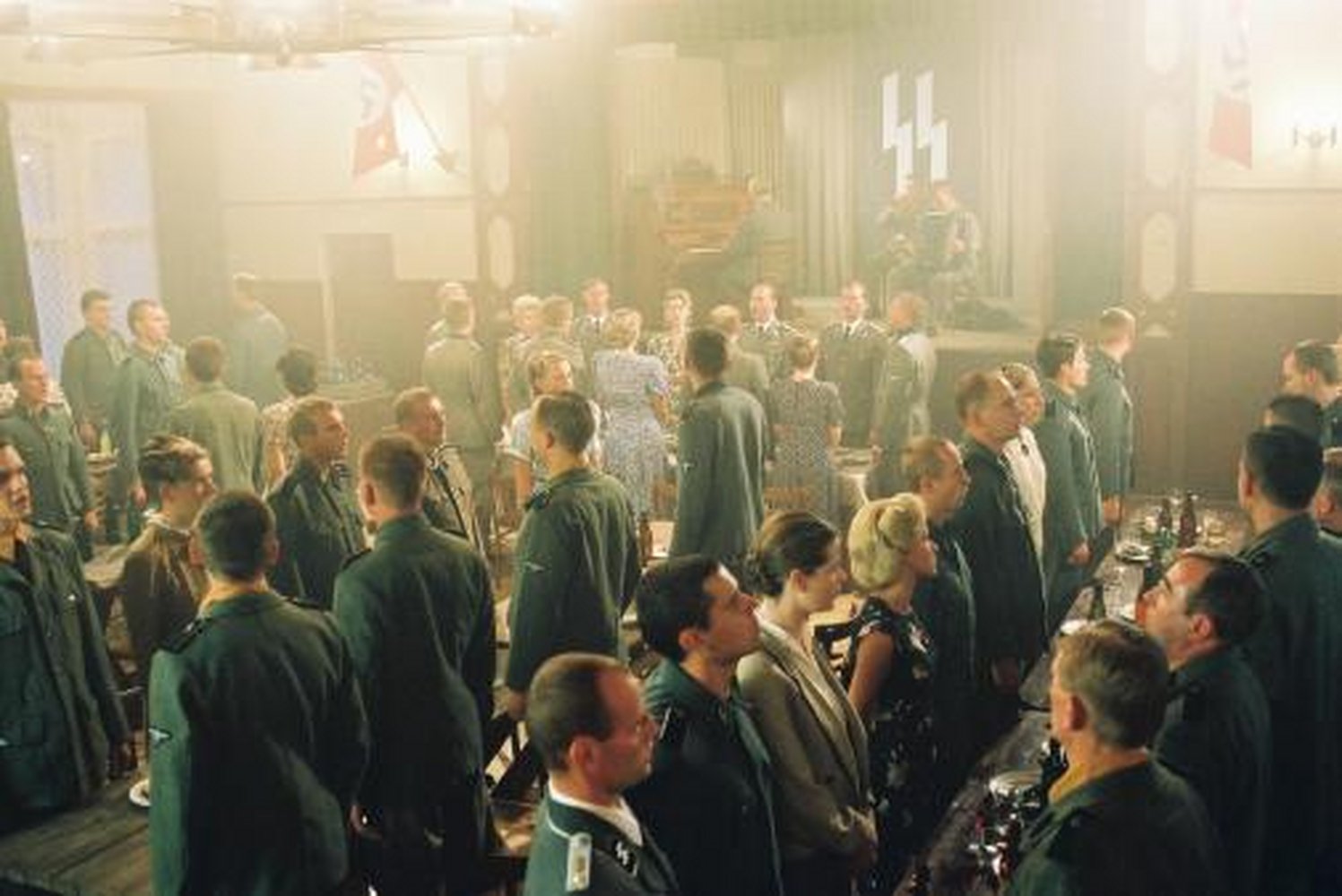
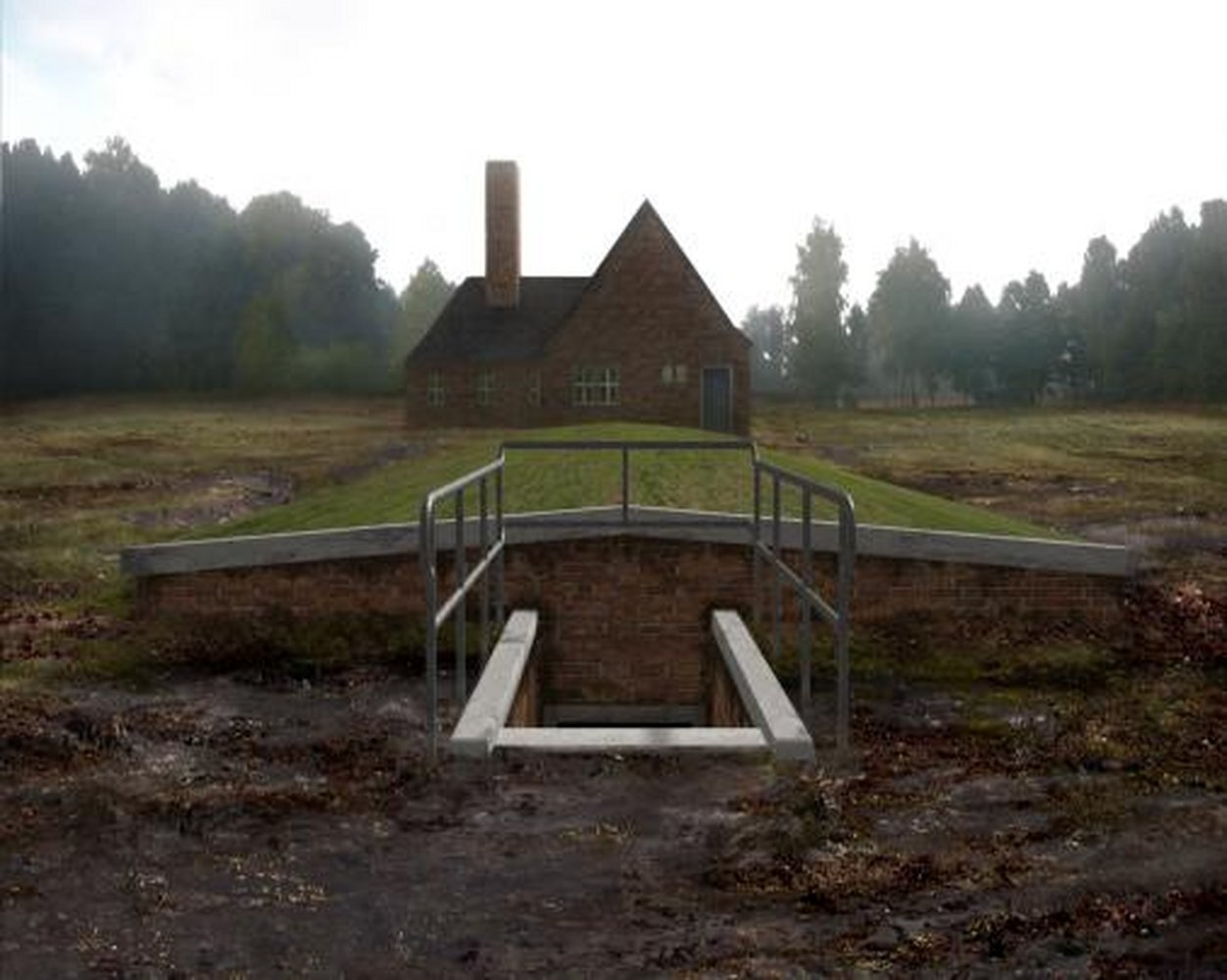
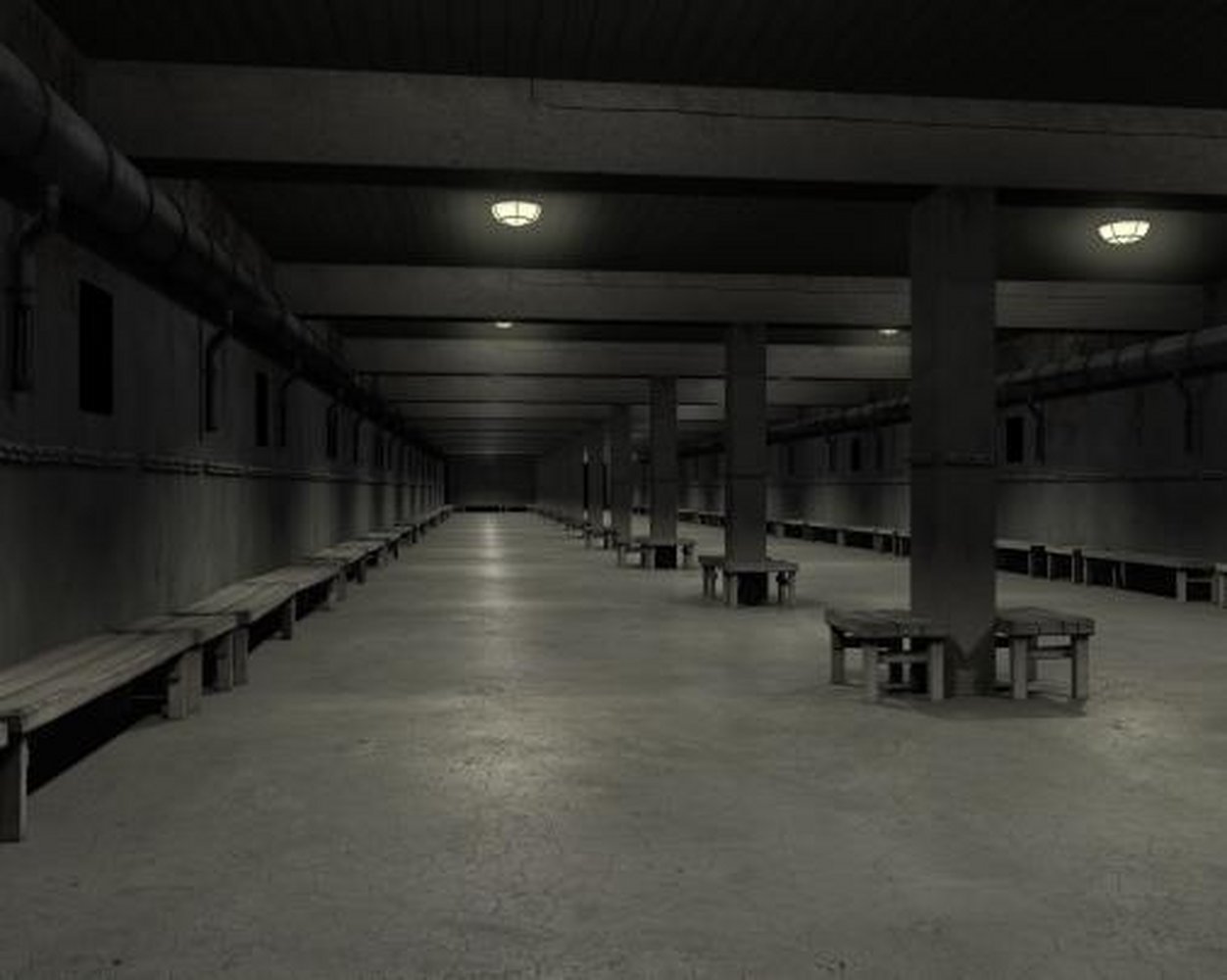
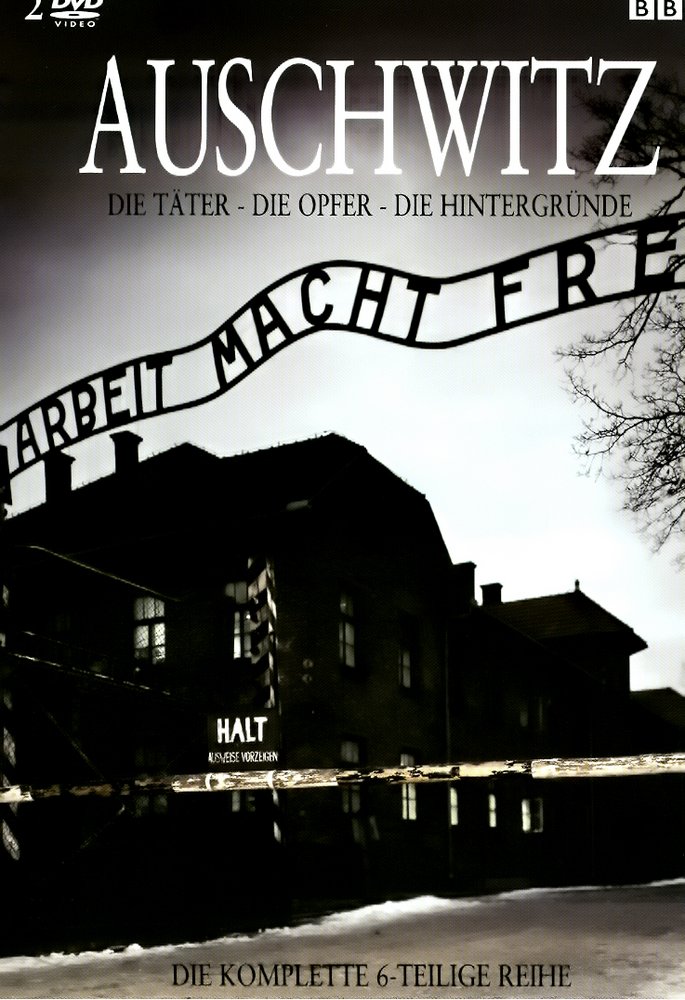
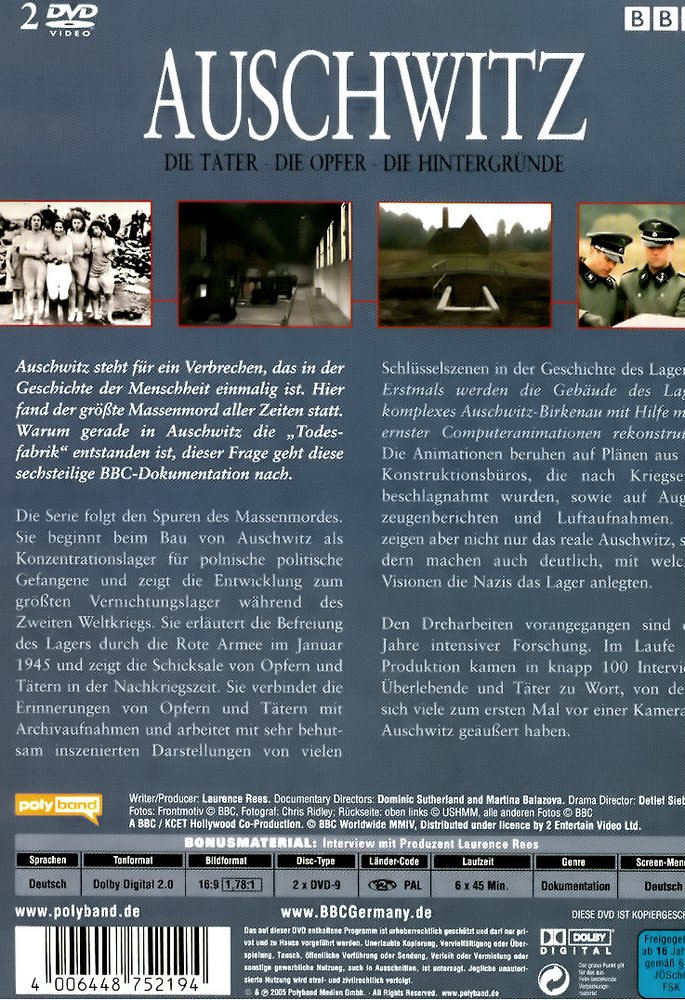
Auschwitz steht für ein Verbrechen, das in der Geschichte der Menschheit einmalig ist. Hier fand der größte Massenmord aller Zeiten statt. Warum gerade in Auschwitz die 'Todesfabrik' entstehen konnte, dieser Frage geht die sechsteilige BBC-Dokumentation nach. Die Serie folgt den Spuren des Massenmordes. Sie beginnt beim Bau von Auschwitz als Konzentrationslager für polnische politische Gefangene und zeigt die Entwicklung zum größten Vernichtungslager während des Zweiten Weltkriegs. Sie erläutert die Befreiung des Lagers durch die Rote Armee im Januar 1945 und zeigt die Schicksale von Opfern und Tätern in der Nachkriegszeit. Sie verbindet die Erinnerungen von Opfern und Tätern mit Archivaufnahmen und arbeitet mit sehr behutsam inszenierten Darstellungen vieler Schlüsselszenen in der Geschichte des Lagers. Erstmals werden die Gebäude des Lagerkomplexes Auschwitz-Birkenau mit Hilfe modernster Computeranimationen rekonstruiert. Die Animationen beruhen auf Plänen aus den Konstruktionsbüros, die nach Kriegsende beschlagnahmt wurden, sowie auf Augenzeugenberichten und Luftaufnahmen. Sie zeigen aber nicht nur das reale Auschwitz, sondern machen auch deutlich, mit welchen Visionen die Nazis das Lager anlegten.
"Völlig zu Recht ist der Name Auschwitz ein Synonym für das Grauen", sagt der Produzent der Serie, Laurence Rees, "nur besteht im Zusammenhang mit dem Grauen das Problem, dass es unsere natürliche Reaktion ist, uns davon abwenden zu wollen." Die Serie will trotzdem zeigen, was geschehen ist. Aber sie handelt nicht nur von den schockierenden und unvorstellbaren Leiden der Opfer. Sie handelt auch von der Frage, warum die Täter so handelten, wie sie es getan haben. "Ich bin überzeugt davon, dass es nicht ausreicht, Entsetzen zu empfinden. Wir müssen auch den Versuch unternehmen, zu verstehen, wie es zu einem solchen Grauen kommen konnte, wenn wir in der Lage sein wollen, eine Wiederholung in der Zukunft zu verhindern", sagt Rees.
Den Dreharbeiten vorangegangen sind drei Jahre intensiver Forschung. Im Laufe der Produktion kamen in knapp 100 Interviews Überlebende und Täter zu Wort, von denen sich viele zum ersten Mal vor einer Kamera zu Auschwitz äußerten. Viele Dokumente und Pläne, die für die Produktion herangezogen wurden, sind erst seit der Öffnung der Archive in Osteuropa zugänglich. Autor ist der Kreativdirektor von BBC History, Laurence Rees. Namhafte Wissenschaftler haben bei der Entwicklung mitgewirkt, darunter Professor Sir Ian Kershaw, der als einer der besten Kenner des Dritten Reiches gilt und u.a. mit seiner Biografie über Adolf Hitler auf sich aufmerksam gemacht hat.
Die Folgen im Einzelnen:
1. Teil: Die ersten Opfer
2. Teil: Die Sklavenindustrie
3. Teil: Die Fabriken des Todes
4. Teil: Verbrechen und Korruption
5. Teil: Der Massenmord
6. Teil: Befreiung und Vergeltung
Weiterlesen »
Auschwitz stands for a crime that is unique in the history of mankind. The largest mass murder of all time took place here. Why the 'death factory' could be built in Auschwitz in particular is the question explored in the six-part BBC documentary. The series follows the traces of mass murder. It begins with the construction of Auschwitz as a concentration camp for Polish political prisoners and shows the development into the largest extermination camp during the Second World War. It explains the liberation of the camp by the Red Army in January 1945 and shows the fates of victims and perpetrators in the post-war period. She combines the memories of victims and perpetrators with archive footage and works with very carefully staged depictions of many key scenes in the history of the camp. For the first time, the buildings of the Auschwitz-Birkenau camp complex are being reconstructed with the help of state-of-the-art computer animations. The animations are based on plans from the design offices confiscated after the end of the war, as well as eyewitness accounts and aerial photographs. However, they not only show the real Auschwitz, but also make clear the visions with which the Nazis laid out the camp.
"The name Auschwitz is quite rightly a synonym for horror," says the producer of the series, Laurence Rees, "but the problem with horror is that it is our natural reaction to want to turn away from it." Nevertheless, the series wants to show what happened. But it is not only about the shocking and unimaginable suffering of the victims. It also deals with the question of why the perpetrators acted the way they did. "I am convinced that it is not enough to feel horror. We also need to try to understand how such a horror could have happened if we want to be able to prevent a recurrence in the future," says Rees.
The filming was preceded by three years of intensive research. In the course of the production, survivors and perpetrators had their say in almost 100 interviews, many of whom spoke about Auschwitz for the first time in front of a camera. Many documents and plans used for the production have only been accessible since the opening of the archives in Eastern Europe. The author is the creative director of BBC History, Laurence Rees. Renowned scientists have contributed to the development, including Professor Sir Ian Kershaw, who is considered one of the best experts on the Third Reich and has attracted attention with his biography of Adolf Hitler, among other things.
The consequences in detail:
Part 1: The First Victims
Part 2: The Slave Industry
Part 3: The Factories of Death
Part 4: Crime and Corruption
Part 5: The Mass Murder
Part 6: Liberation and Retribution
Automatically translated with AI
More »