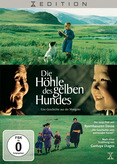
Der mongolische Junge Bilike (Hurichabilike) findet eines Tages einen Tischtennisball. Er hält ihn für eine mystische Perle und spinnt allerlei kleine Geschichten um sein geheimnisvolles Fundobjekt. Erst langsam kommt Bilike dem Rätsel auf die Spur. Schon bald beginnt für ihn und seine zwei Freunde eine ungeahnte Abenteuerreise: aus der öden Steppe machen sie sich auf nach Peking, um den Nationalball Chinas an seinen Bestimmungsort zurückzubringen...
In breiten Panoramabildern der Steppe Ostasiens erzählt der chinesische Nachwuchsregisseur Ning Hao die Geschichte dreier mongolischer Jungen. Während die unvermittelte Spielweise der Laiendarsteller und seine Dramaturgie des Alltäglichen diesem Film einen dokumentarischen Charakter geben, verzaubern auf der anderen Seite die spektakulären Landschaftsaufnahmen und liebevoll eingefangenen Bilder der Jungen. Mit seinen ironischen Momenten, wie das '4×4' Zeichen des Jeeps, das Bilgees Vater an seinem Reitpferd befestigt, kommentiert und unterhält 'Mongolian Ping Pong' (2005) zugleich. Ein Vergleich mit Byambasuren Davaas und Luigi Falornis 'Geschichte vom weinenenden Kamel' liegt nahe, da beide Filme das Leben mongolischer Nomaden aus einer kindlichen Perspektive betrachten. Wo Davaa und Falorni allerdings den Fokus auf farbenfrohe ethnographische Besonderheiten legen, zeigt Ning Hao eine ungleich realistischere Mongolei, die aber gerade in ihrer schnörkellosen Natürlichkeit fesselt.
Weiterlesen »
One day, the Mongolian boy Bilike (Hurichabilike) finds a ping-pong ball. He thinks it is a mystical pearl and spins all kinds of little stories about his mysterious find. Only slowly does Bilike get to the bottom of the mystery. Soon an unexpected adventure begins for him and his two friends: they set off from the desolate steppe to Beijing to bring the national ball of China back to its destination...
In broad panoramic images of the steppe of East Asia, the young Chinese director Ning Hao tells the story of three Mongolian boys. While the unmediated acting style of the amateur actors and its dramaturgy of the everyday give this film a documentary character, on the other hand the spectacular landscape shots and lovingly captured images of the boys are enchanting. With its ironic moments, such as the '4×4' sign of the jeep that Bilgee's father attaches to his riding horse, 'Mongolian Ping Pong' (2005) comments and entertains at the same time. A comparison with Byambasuren Davaas and Luigi Falorni's 'Tale of the Weeping Camel' is obvious, as both films look at the lives of Mongolian nomads from a child's perspective. However, where Davaa and Falorni focus on colorful ethnographic features, Ning Hao shows a much more realistic Mongolia, which is captivating precisely in its no-frills naturalness.
Automatically translated with AI
More »