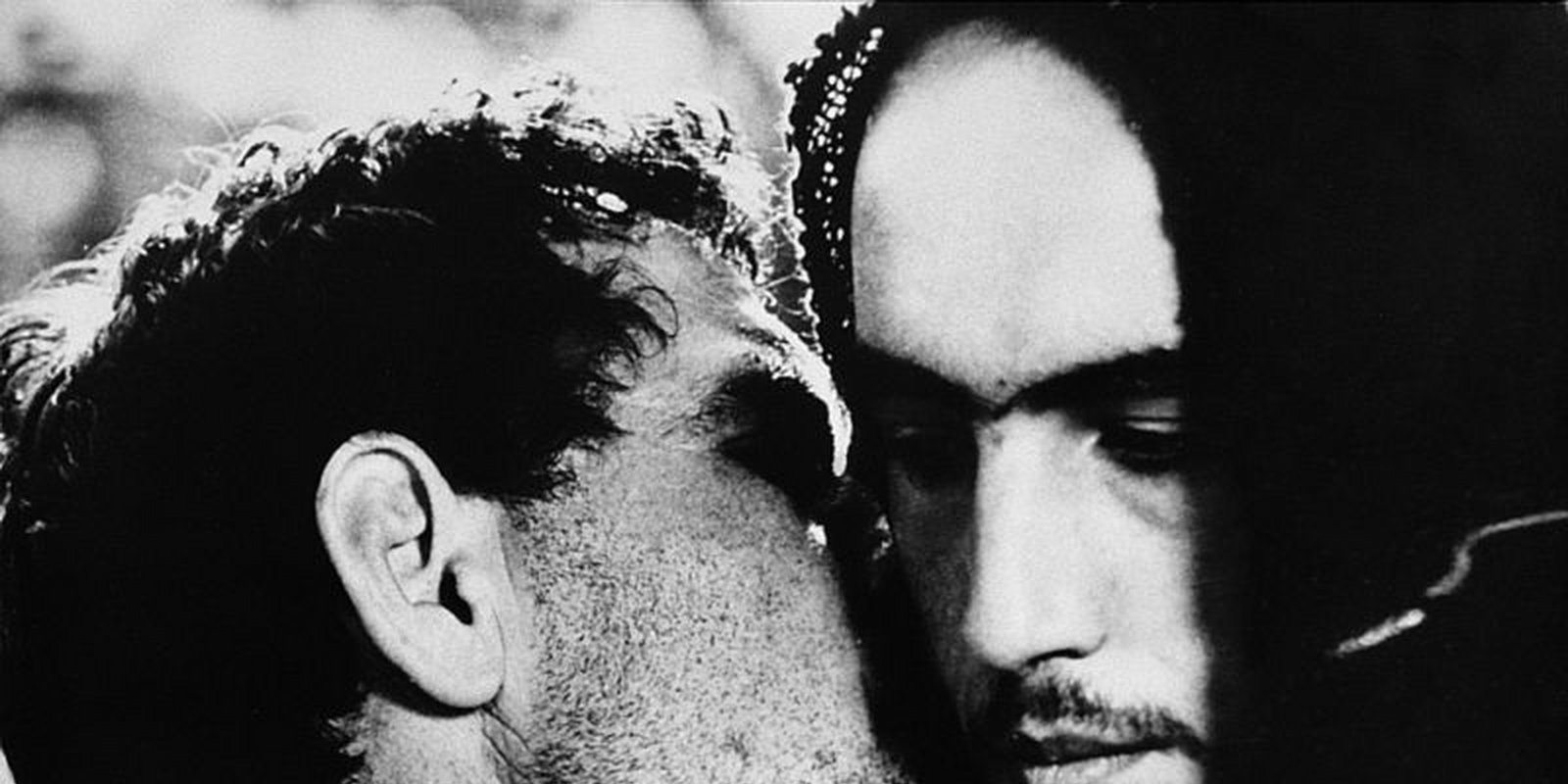
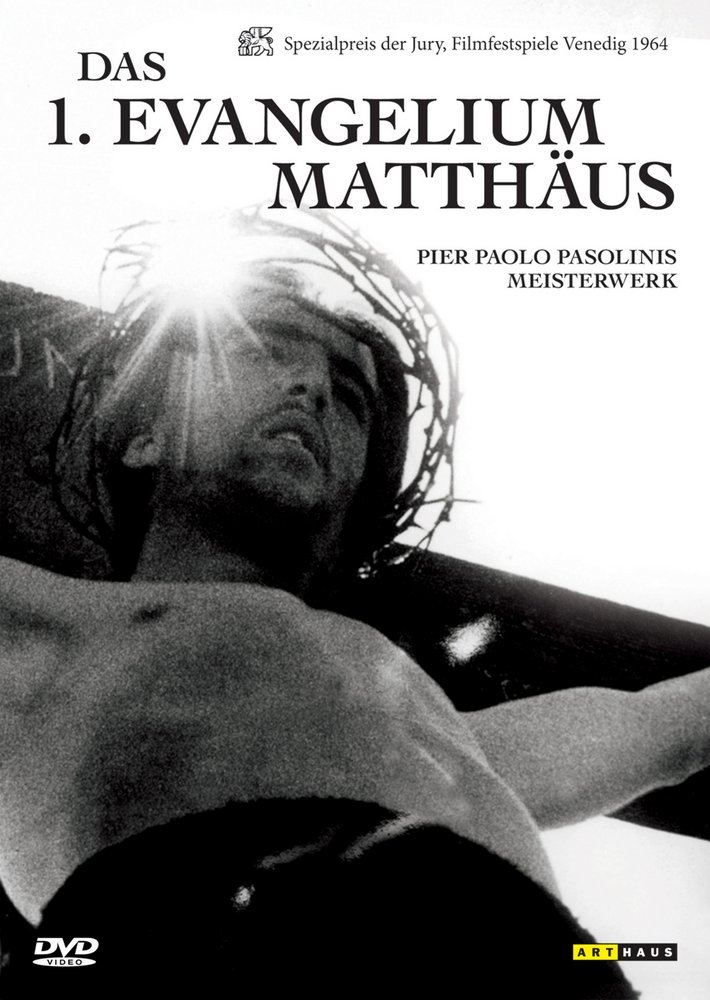
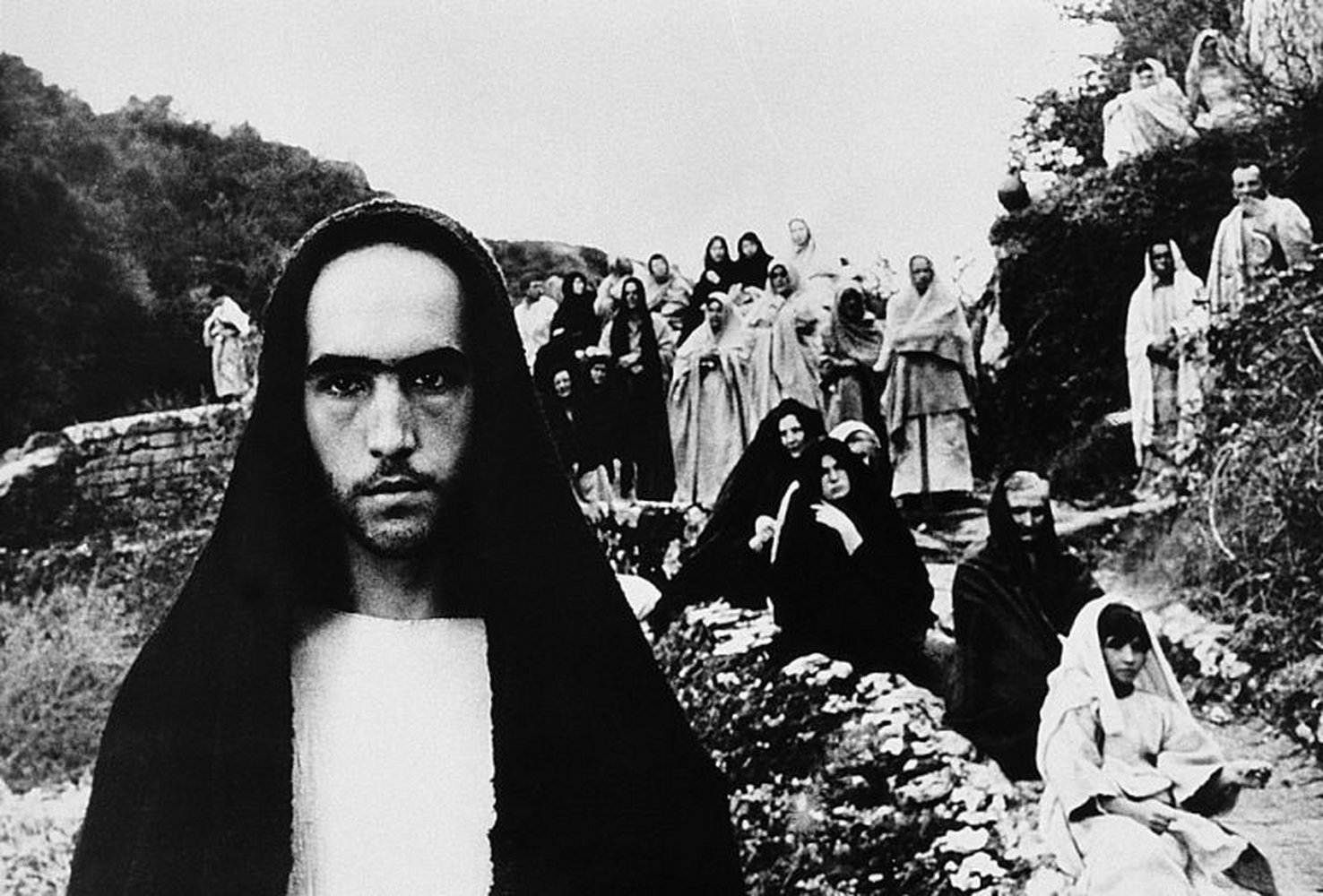
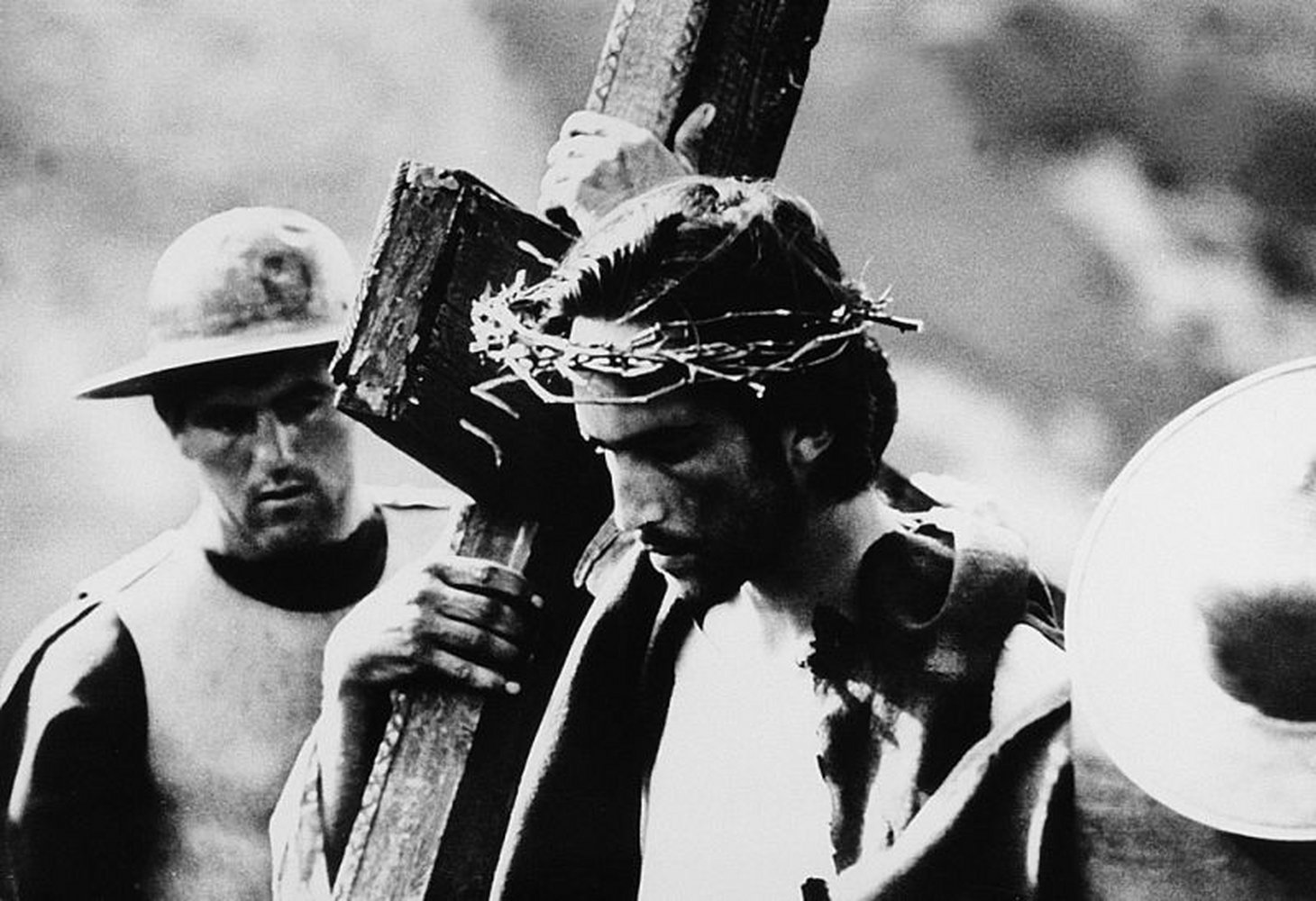
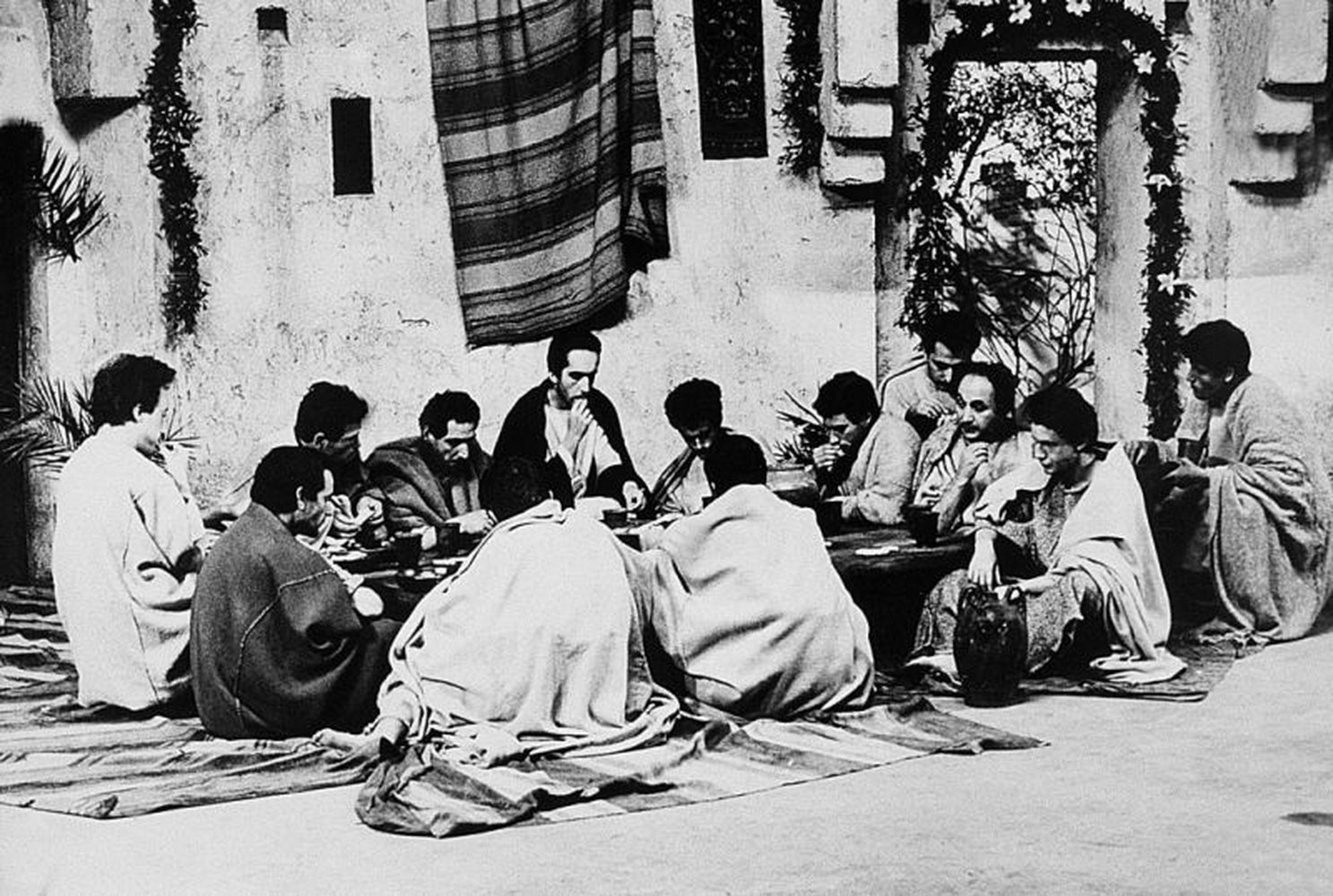
Pier Paolo Pasolini drehte sein mehrfach preisgekröntes und kontroverses Meisterwerk über Wirken, Tod und Wiederauferstehung Jesu nach dem Evangelium des Matthäus mit erlesenen Bildern und ausdrucksstarken Laienschauspielern. Die Filmaufnahmen entstanden an Schauplätzen, die Mel Gibson 40 Jahre später für seinen ebenso gewagten Jesus-Film wählte. Abseits sentimentaler Klischees betont Pasolini die sozialen Aspekte der Botschaft Jesu und entwirft ein spirituelles Drama mit hohem Realitätsbezug, in dessen Zentrum die Figur und Lehren Jesu stehen: Christus nicht als milder oder leidender Heiland, sondern als leidenschaftlich Bekämpfer des Unrechts, das die Menschen sich zufügen. Kein herkömmlicher Jesus-Film, sondern ein formal wie geistig individuelles, cineastisches Meisterwerk, das sich eng an die Bibelvorlage hält - Pasolini drehte mit einer Bibel an Stelle eines Drehbuchs. So wundert es nicht, dass die vielfach preisgekrönte Umsetzung der Passionsgeschichte als einer der besten Jesus-Filme überhaupt gilt.
Weiterlesen »
Pier Paolo Pasolini shot his multi-award-winning and controversial masterpiece about the work, death and resurrection of Jesus based on the Gospel of Matthew with exquisite images and expressive amateur actors. The film footage was shot at locations that Mel Gibson chose 40 years later for his equally daring Jesus film. Away from sentimental clichés, Pasolini emphasizes the social aspects of Jesus' message and creates a spiritual drama with a high degree of relevance to reality, at the center of which are the figure and teachings of Jesus: Christ not as a mild or suffering Savior, but as a passionate fighter against the injustice that people inflict on themselves. Not a conventional Jesus film, but a formally and spiritually individual, cinematic masterpiece that sticks closely to the Bible - Pasolini shot with a Bible instead of a screenplay. So it is not surprising that the multi-award-winning adaptation of the Passion story is considered one of the best Jesus films ever.
Automatically translated with AI