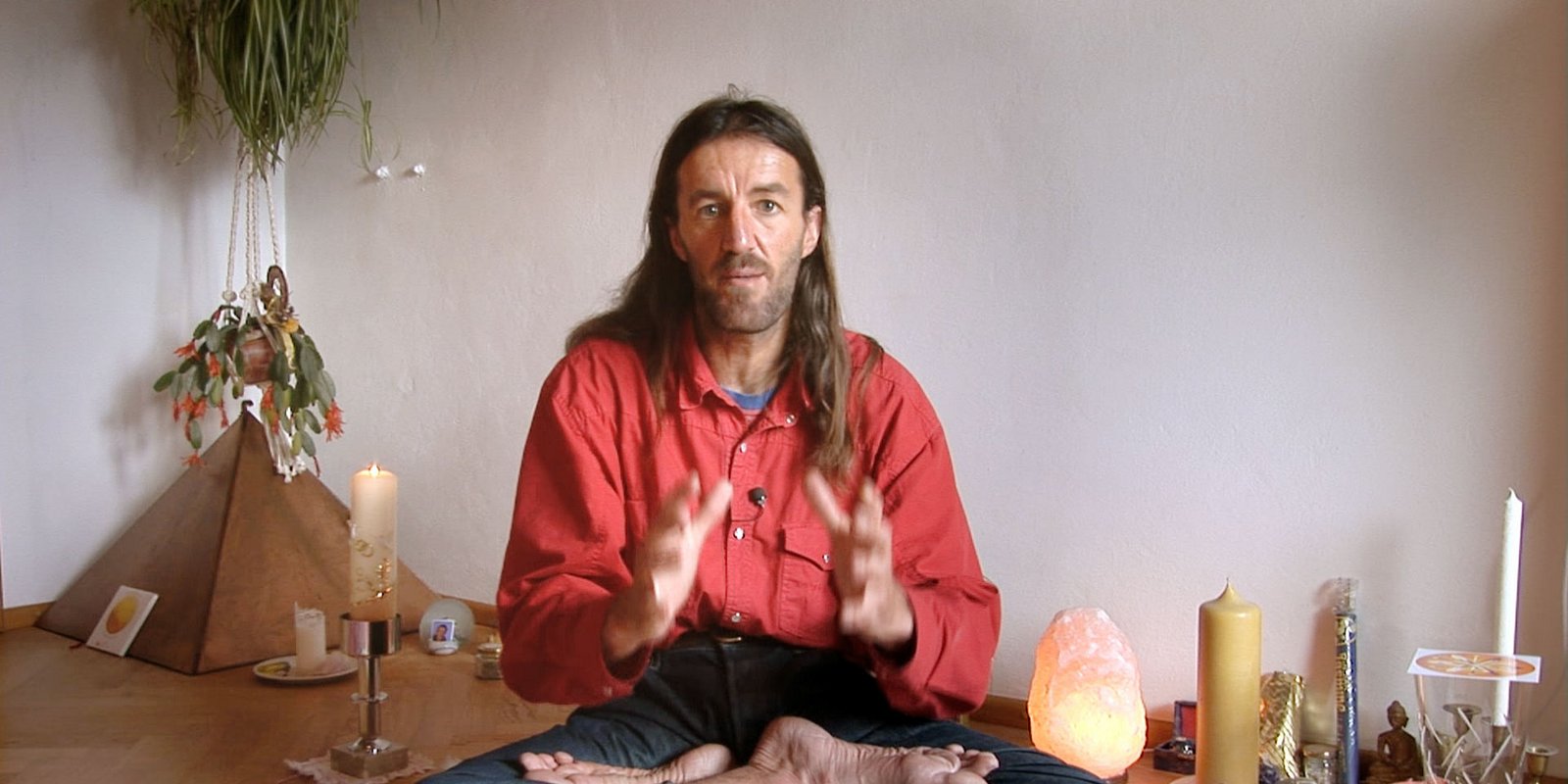
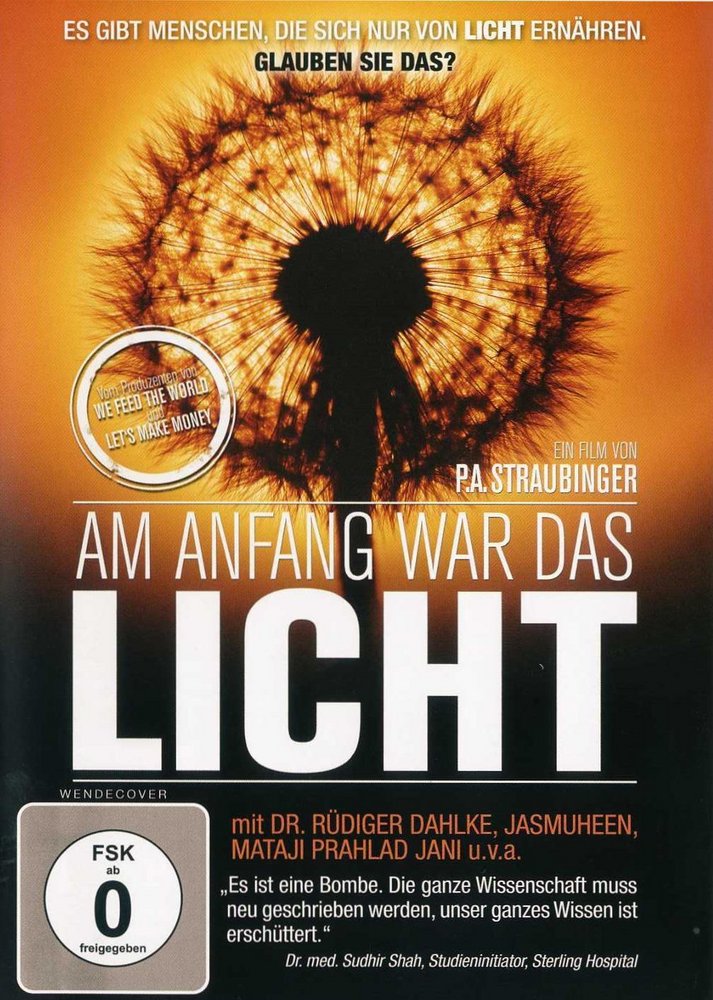
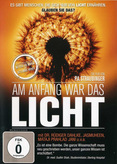
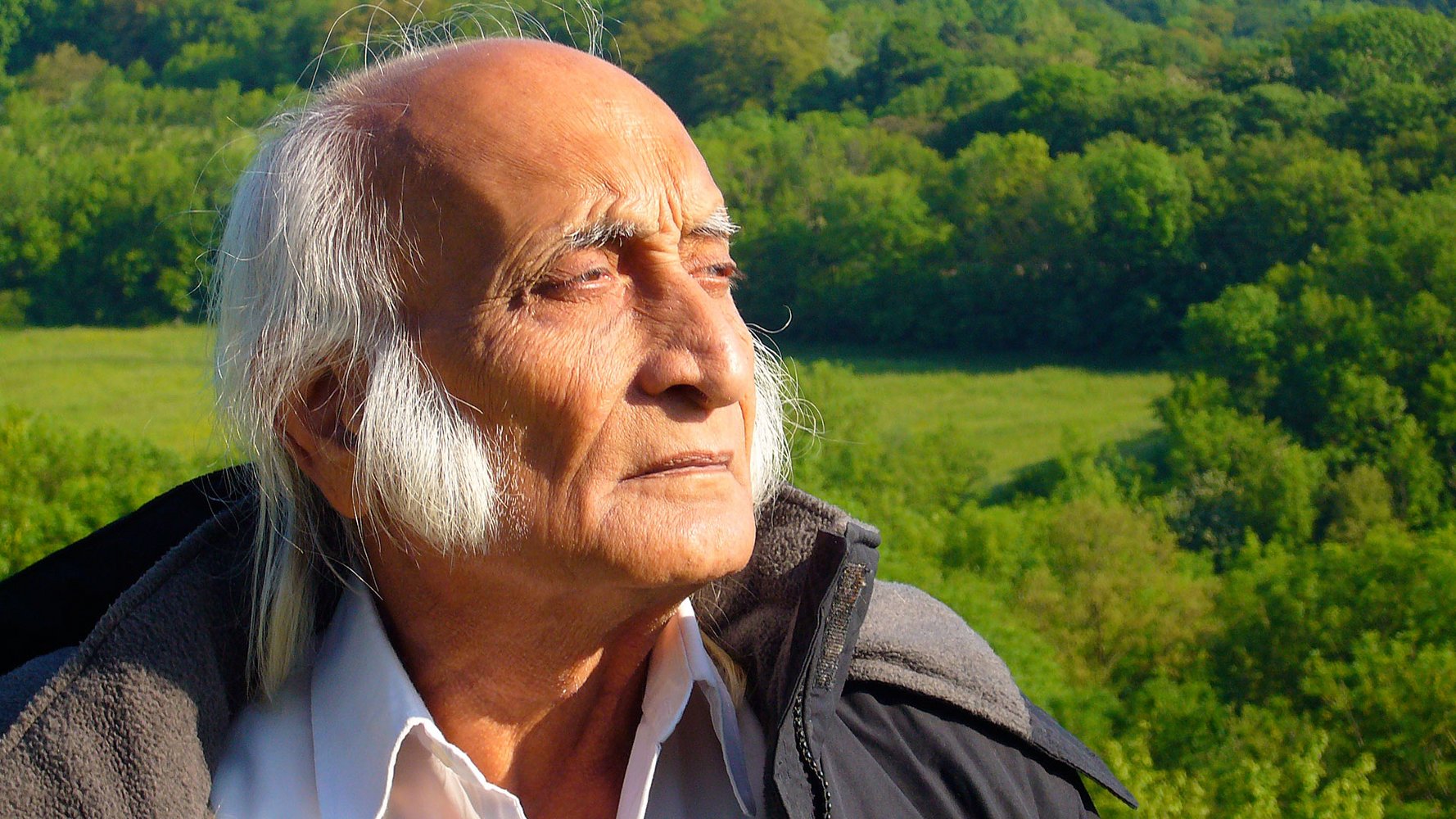
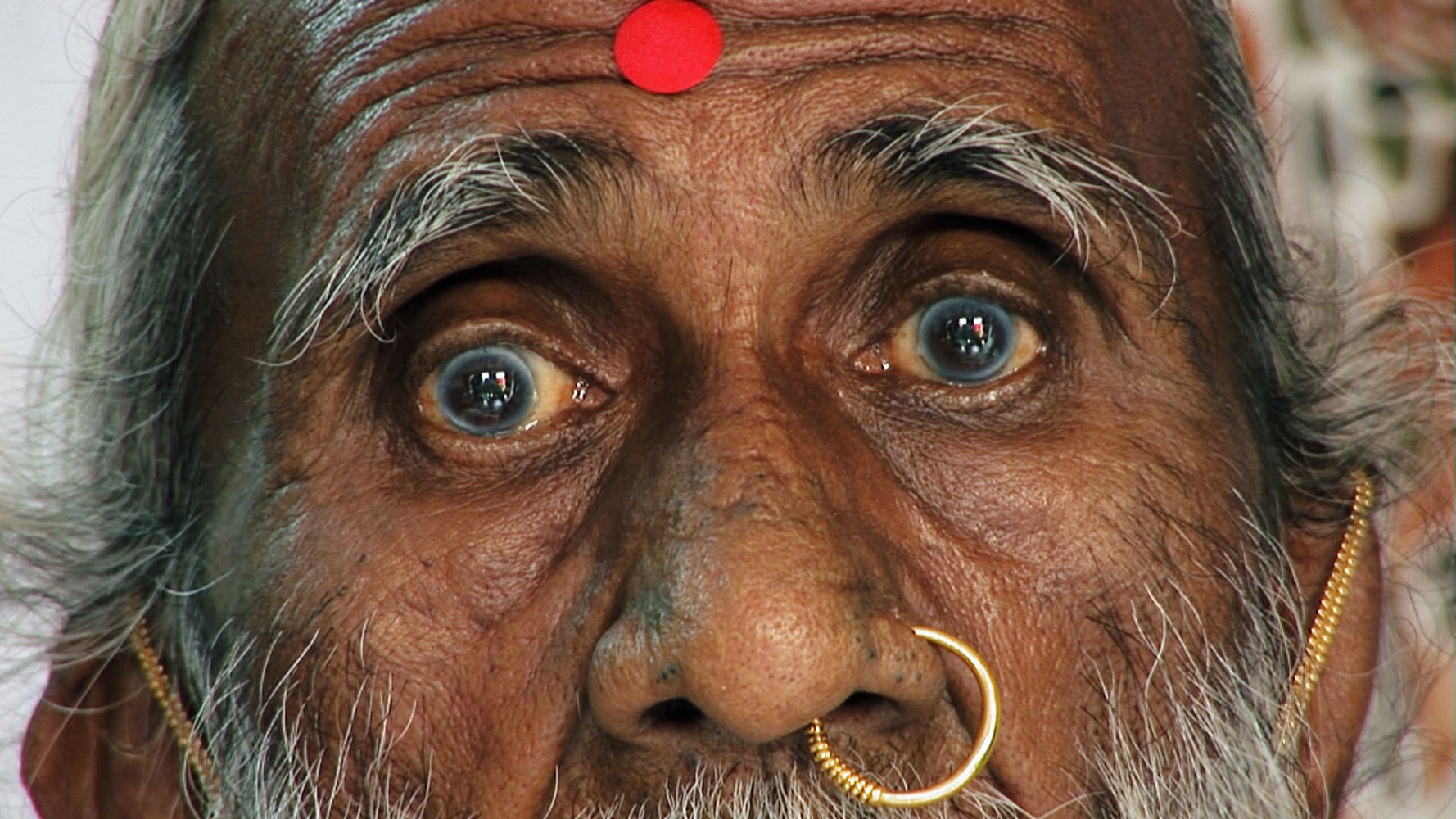
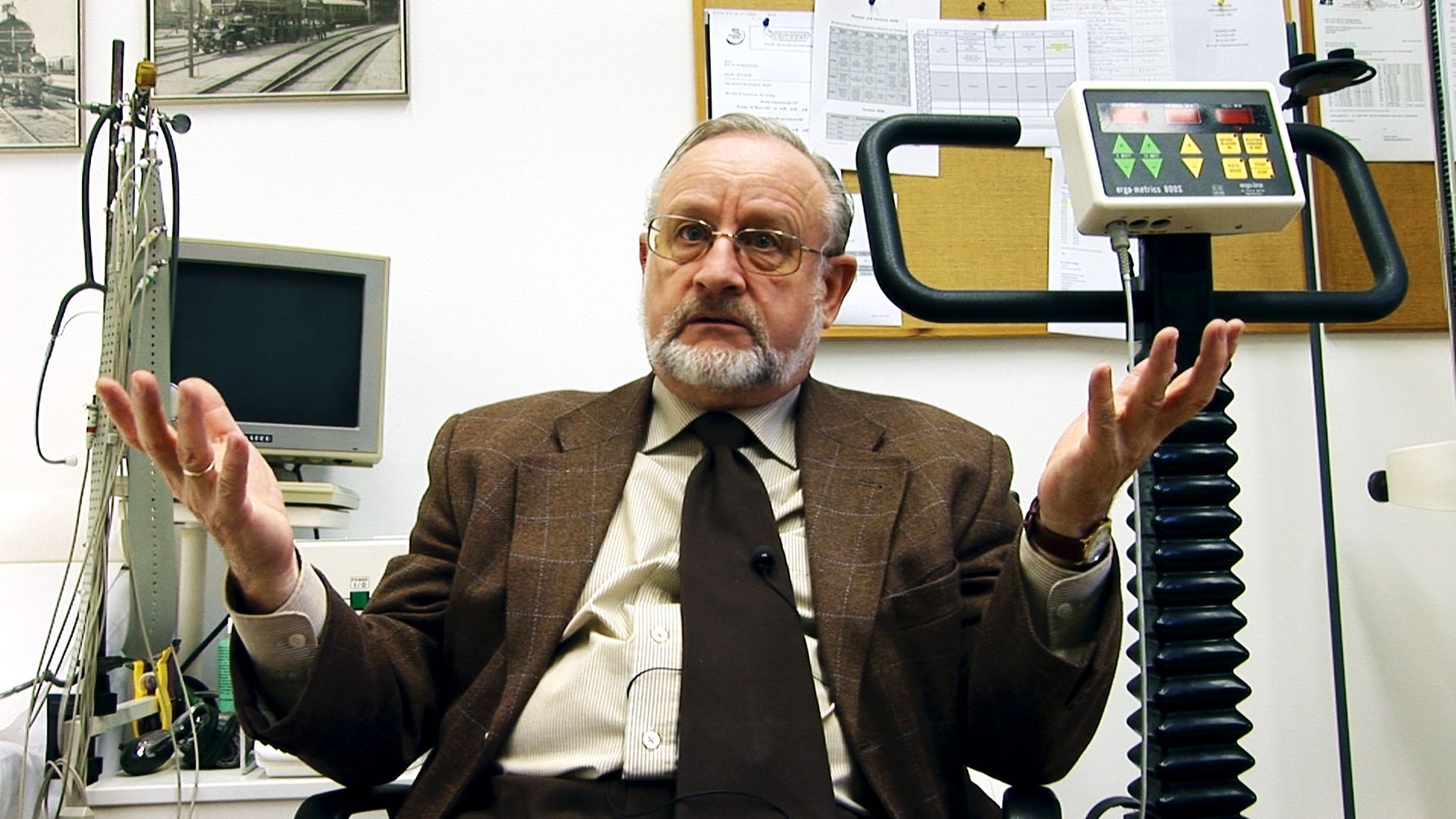
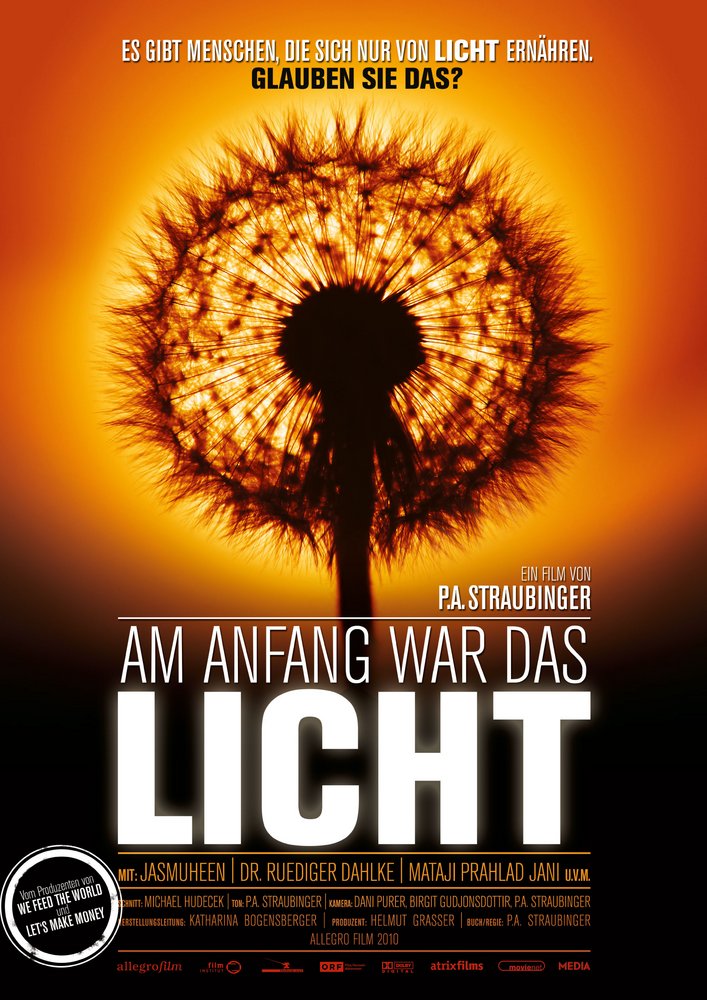
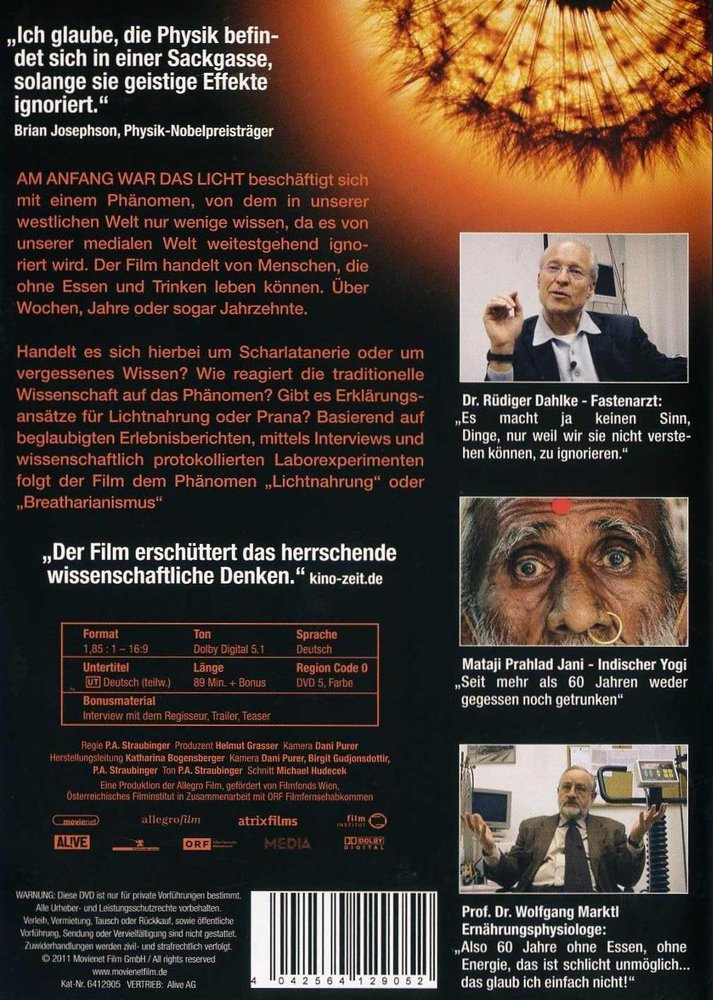
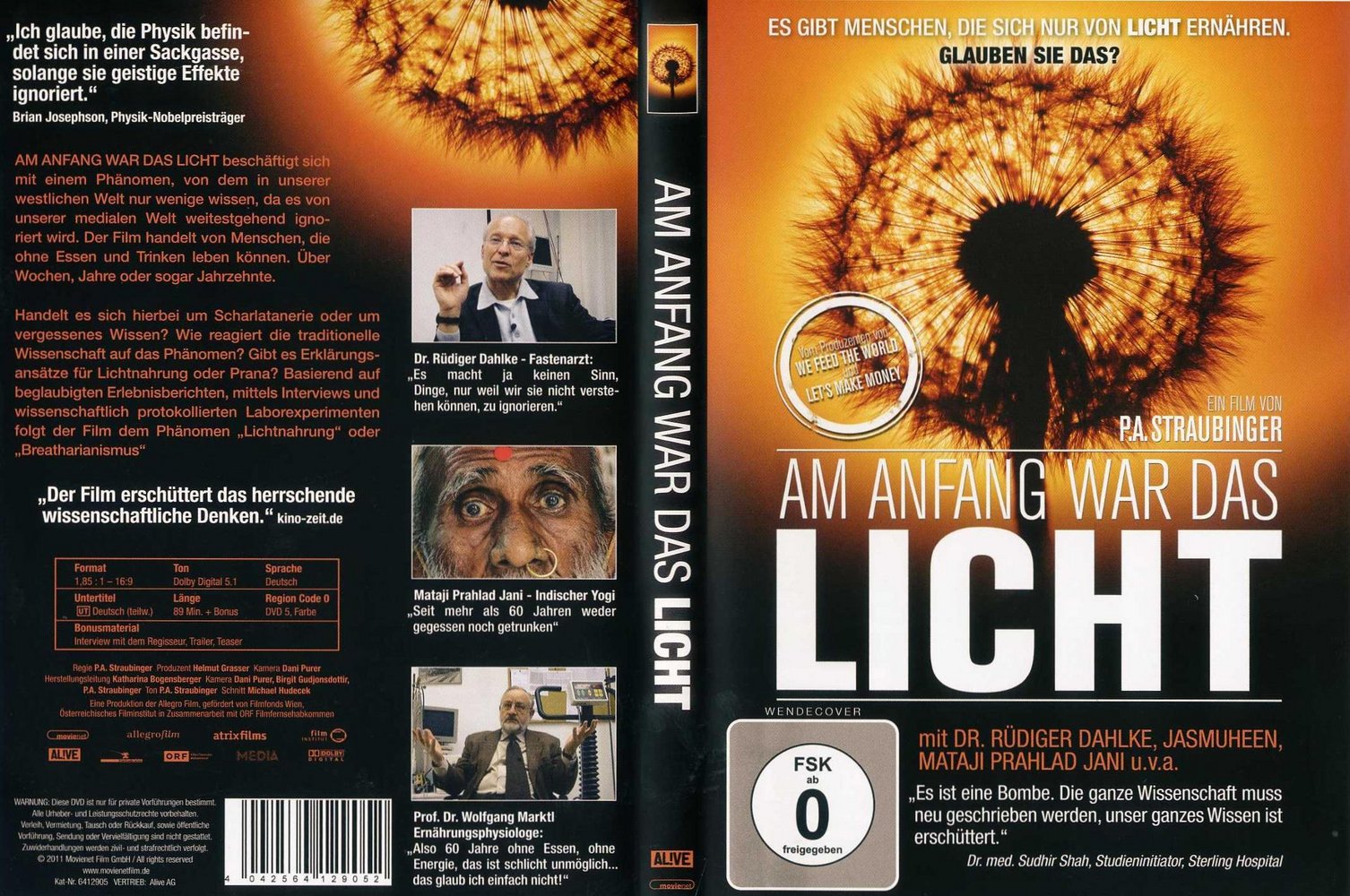
Den Beginn einer faszinierenden Reise, die P.A. Straubinger zu Yogis und Quantenphysikern, zu Fastenärzten und Schulmedizinern, zu Psychiatern und Bewusstseinsforschern, zu Qigong-Meistern, Hausfrauen und Lebenskünstlern, also gleichermaßen zu Wissenschaftlern und zu Esoterikern quer über den ganzen Erdball führt, macht eine Begegnung mit einem Heiligen der katholischen Kirche aus. Eine TV-Dokumentation über Niklaus von Flüe, von dem historische Quellen berichten, dass er leben konnte, ohne zu essen und ohne zu trinken, bringt den österreichischen Filmemacher auf eine einfache Frage, die ihn zehn Jahre lang beschäftigen sollte: Wie ist so etwas möglich? 'Am Anfang war das Licht' geht in genauer Recherche einem Phänomen auf den Grund, das in der westlichen Welt gemeinhin als Humbug oder Esoterik-Unsinn abgetan wird. Die dramaturgische Kraft bezieht der Film aus dem Forscherdrang seines Regisseurs, der detektivischen Neugier, ein Phänomen zu untersuchen, das eigentlich nicht sein darf, für das es aber so viele Indizien gibt, dass 'man dreiviertel tot sein muss', wie David Albert von der Columbia University sagt, 'um sich nicht dafür zu interessieren'. Auf der Basis von unzweifelhaften Erlebnisberichten, ausführlichen Interviews und wissenschaftlich protokollierten Laborexperimenten erzählt der Film vom Phänomen 'Lichtnahrung', von der unglaublich klingenden Tatsache, dass es Menschen gibt und offensichtlich schon immer gegeben hat, die keine Nahrung im klassischen Sinne brauchen. P. A. Straubinger hat sich eingehend genug mit dem Thema beschäftigt, um daran zu glauben. Ein Jünger ist er deshalb nicht. Eben so wenig wie der Regisseur davon ausgeht, dass seine Nahrung in Zukunft von der Sonne kommen wird, ebenso wenig soll sein Film die Menschen auffordern, von nun an nichts mehr zu essen. Das wäre ein grobes Missverständnis, ein gefährliches noch dazu. 'Am Anfang war das Licht' ist weder Fastenanleitung noch Lebensschule. Dafür aber ein gelungener Versuch darzustellen, dass selbst in unserer aufgeklärten westlichen Welt das Bewusstsein die Materie beeinflussen kann. Die Naturwissenschaft steht vor einem Rätsel. Und es fällt ihr offenbar unglaublich schwer, das zuzugeben. 'Wir begeben uns auf eine ebenso spannende wie verblüffende Fährtensuche rund um den Globus, die neueste Erklärungsmodelle aus der Quantenphysik genauso mit einschließt, wie das Wissen der östlich-spirituellen Tradition. Schlussendlich gibt der Film Denkanstöße, um die herrschende mechanistisch-materialistische Weltanschauung zu hinterfragen.' P. A. Straubinger macht es seinen Zuschauern leicht und schwer zugleich. Leicht, weil er ein mitreißender Erzähler ist und den komplizierten Sachverhalten in 'Am Anfang war das Licht' auf unglaublich unterhaltsame Weise näher kommt. Schwer, weil man die Fragen, die der Filmemacher aus 200 Stunden Rohmaterial herauskristallisiert hat, so einfach nicht mehr aus dem Kopf kriegt. Und manche der Antworten auch nicht.
Weiterlesen »
The beginning of a fascinating journey that leads P.A. Straubinger to yogis and quantum physicists, to fasting doctors and orthodox physicians, to psychiatrists and consciousness researchers, to qigong masters, housewives and bon vivants, i.e. equally to scientists and esotericists across the globe, is an encounter with a saint of the Catholic Church. A TV documentary about Niklaus von Flüe, of whom historical sources report that he was able to live without eating and without drinking, brings the Austrian filmmaker to a simple question that was to occupy him for ten years: How is such a thing possible? In precise research, 'In the Beginning was the Light' gets to the bottom of a phenomenon that is generally dismissed as humbug or esoteric nonsense in the Western world. The film derives its dramaturgical power from its director's urge to explore, the detective curiosity to investigate a phenomenon that should not actually be, but for which there are so many indications that 'you have to be three-quarters dead', as David Albert of Columbia University says, 'not to be interested in it'. On the basis of undoubted reports of experiences, extensive interviews and scientifically recorded laboratory experiments, the film tells of the phenomenon of 'light food', of the unbelievable-sounding fact that there are and obviously always have been people who do not need food in the classical sense. P. A. Straubinger has dealt with the topic in enough detail to believe in it. He is therefore not a disciple. Just as the director does not assume that his food will come from the sun in the future, his film is not intended to ask people not to eat anything from now on. That would be a gross misunderstanding, and a dangerous one at that. 'In the beginning was the light' is neither a fasting guide nor a school of life. But it is a successful attempt to show that even in our enlightened Western world, consciousness can influence matter. Natural science is faced with a mystery. And it is apparently incredibly difficult for her to admit it. 'We embark on an exciting and astonishing search for clues around the globe, which includes the latest explanatory models from quantum physics as well as the knowledge of the Eastern spiritual tradition. In the end, the film provides food for thought to question the prevailing mechanistic-materialistic worldview.' P. A. Straubinger makes it easy and difficult for his viewers at the same time. Easy, because he is a rousing narrator and gets closer to the complicated facts in 'In the Beginning was the Light' in an incredibly entertaining way. It's hard because you can't get the questions that the filmmaker has crystallized out of 200 hours of raw material out of your head. And some of the answers are not.
More »