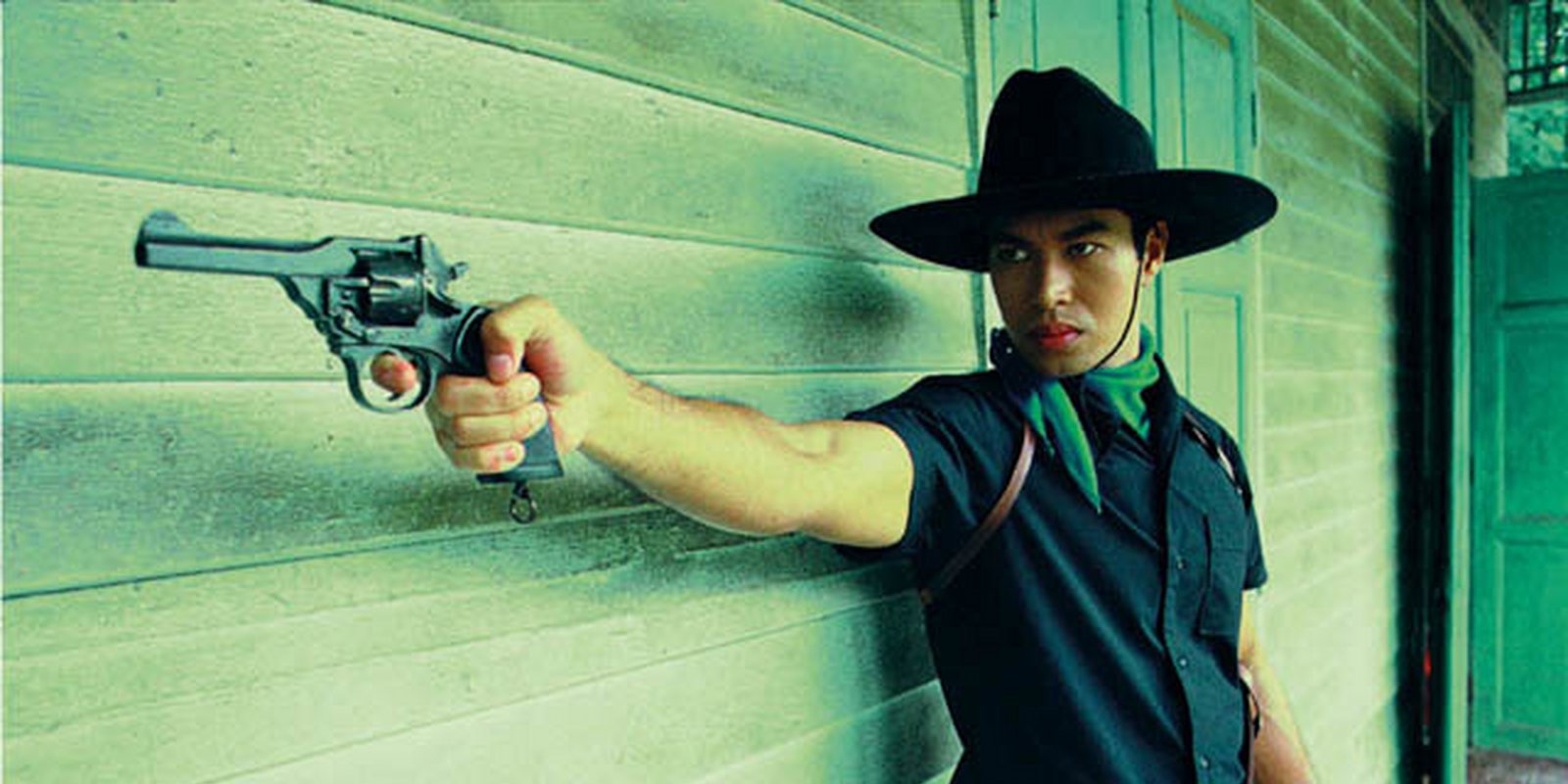
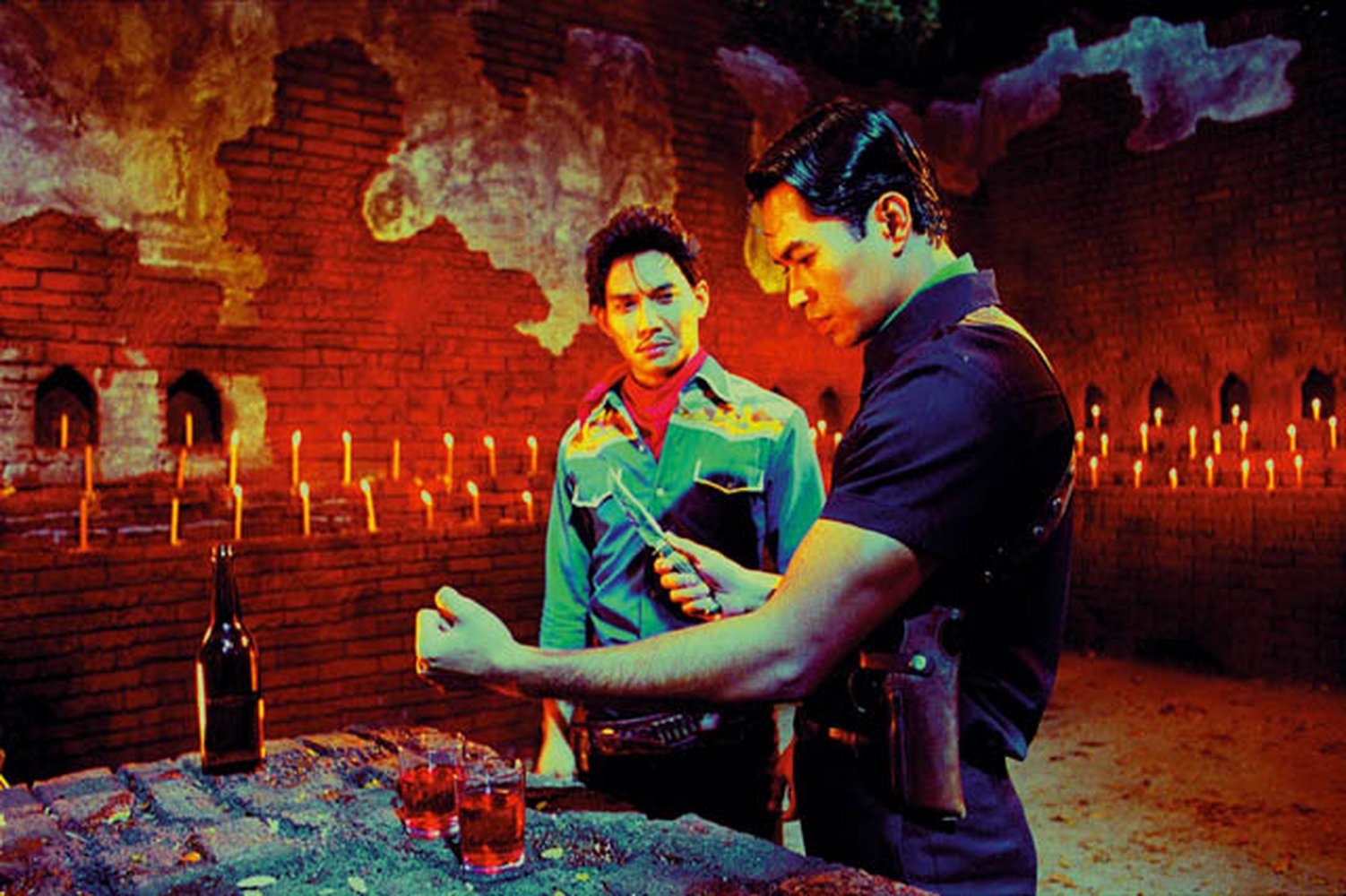
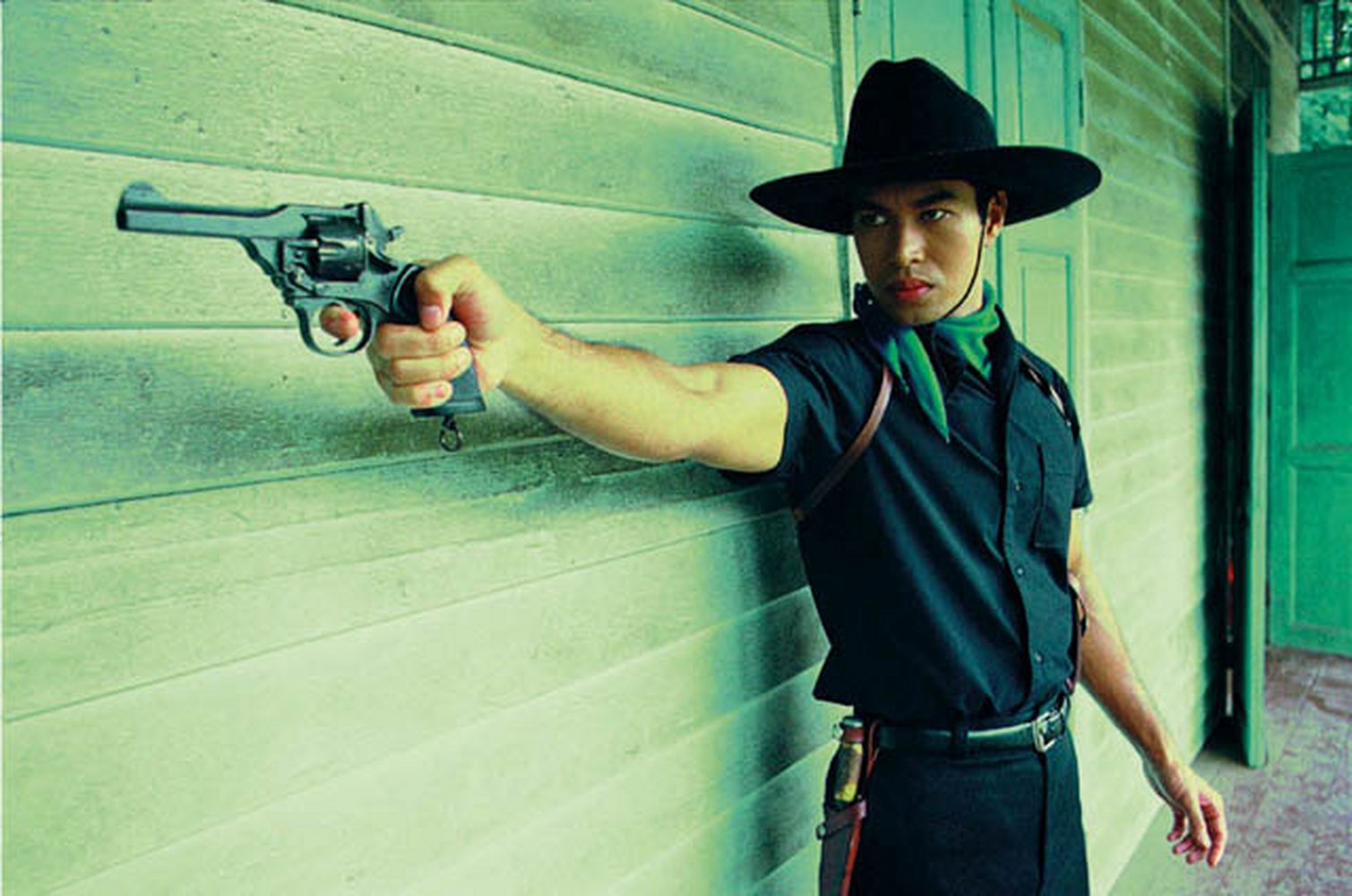
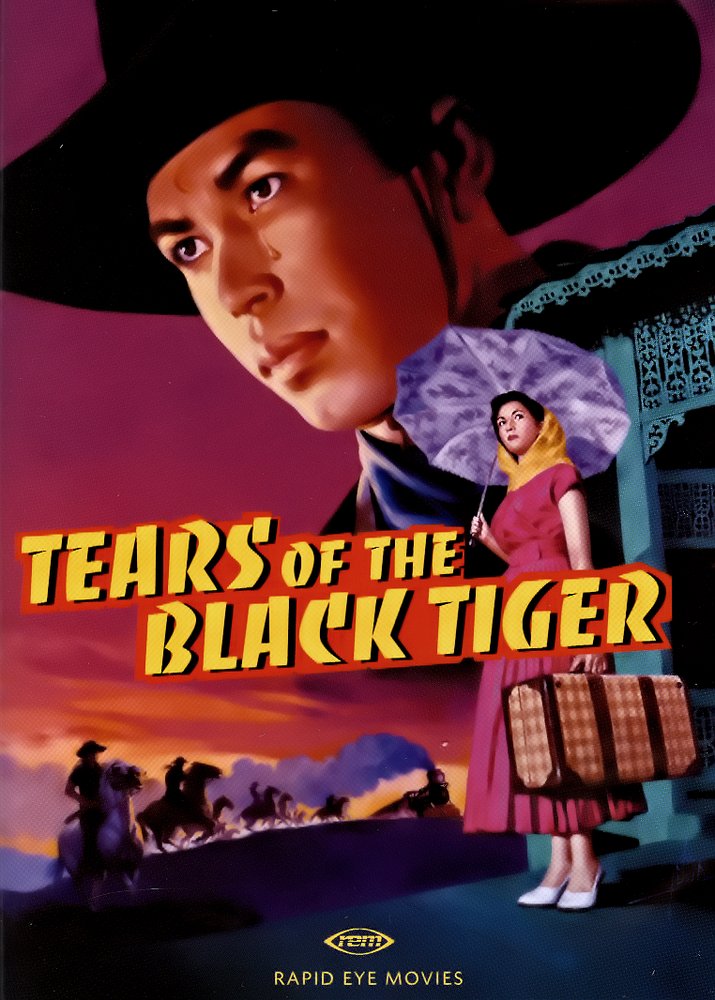
Die schöne Rumpoey (Stella Malucchi) steht im Regen und weint. Ihre Jugendliebe Dum (Chartchai Ngamsan) ist nicht gekommen, um mit ihr zu fliehen. Nun muss sie den Wunschkandidaten ihres Vaters, den ehrgeizigen Polizeioffizier Kumjorn (Arawat Ruangvuth), heiraten. Gleichzeitig erledigt Dum - in der Welt der Banditen besser bekannt als Revolverheld 'Black Tiger' - stilsicher eine Bande von Verrätern. Rumpoeys und Dums Romanze ist hoffnungslos, denn sie leben in völlig unterschiedlichen Welten. Während Dum, ein einfacher Bauernjunge, nach der Rache an den Mördern seiner Familie zum gefürchteten Outlaw wird, entwickelt sich der verwöhnte Fratz Rumpoey zu einer feinen Dame. Bis zum tragischen Ausgang der Geschichte wird klar: Keine Frau leidet so stilvoll wie Rumpoey und niemandes Augen sind so samten wie Dums...
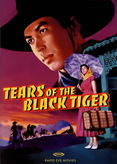
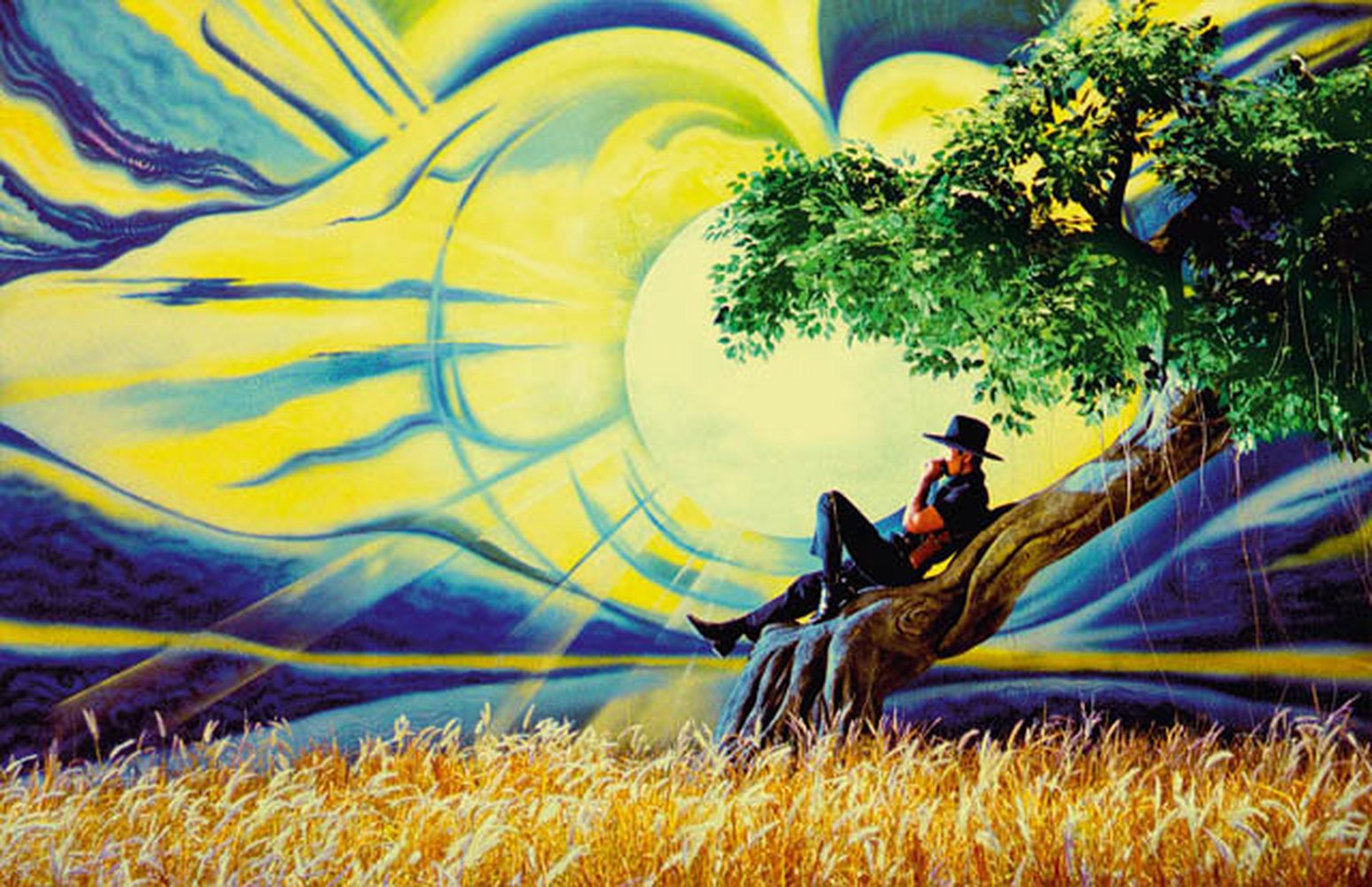
Nachdem das europäische Kinopublikum mittlerweile die asiatischen Kinokulturen Chinas, Hongkongs, Japans und zuletzt Koreas für sich entdeckt hat, gilt Thailand noch immer als 'Terra incognita' in der Filmwelt. Erst 2001 konnte 'Tears of the Black Tiger' (2000) als erster offizieller Beitrag Thailands beim Filmfestival in Cannes diesen weißen Fleck auf der Karte der Filmwelt füllen und verschaffte dem thailändischen Kino einen fulminanten Einstand. Der Film vollbrachte das Husarenstück, mit einer sentimentalen Geschichte und einem Übermaß an Technicolor die Kritiker für sich einzunehmen und gleichzeitig mit einem postmodernen "Zitatenpop unter Palmen" (Zitat 'Die Zeit') das Publikum zu begeistern. Wisit Sasanatieng, Filmenthusiast und der erfolgreichste Drehbuchautor seines Landes, präsentiert in seinem Debütfilm schmachtende Diven und zuckersüße Songs des Thaikinos der 1950er neben breitbeinigen Cowboys, die schneller ziehen als ihr bunt ausgeleuchteter Schatten, und blutspritzender Pekinpah-Gewalt. 'Tears of the Black Tiger' fasziniert mit einer augenzwinkernden Mischung von vertrauten und unbekannten Konventionen und dennoch ist nichts von der Kälte postmoderner Zitatwelten in diesem Film zu spüren - im Gegenteil, eine herzzerreißende Dramatik lässt Rumpoey und Dum bis zum Ende leiden.
Weiterlesen »
The beautiful Rumpoey (Stella Malucchi) stands in the rain and cries. Her childhood sweetheart Dum (Chartchai Ngamsan) has not come to flee with her. Now she has to marry her father's preferred candidate, the ambitious police officer Kumjorn (Arawat Ruangvuth). At the same time, Dum - better known in the world of bandits as the gunslinger 'Black Tiger' - stylishly takes down a gang of traitors. Rumpoey and Dum's romance is hopeless, because they live in completely different worlds. While Dum, a simple farm boy, becomes a feared outlaw after taking revenge on his family's murderers, the spoiled grimace Rumpoey develops into a fine lady. Until the tragic end of the story, it becomes clear: no woman suffers as stylishly as Rumpoey and no one's eyes are as velvety as Dum's...
Now that European cinema audiences have discovered the Asian cinema cultures of China, Hong Kong, Japan and most recently Korea, Thailand is still considered 'terra incognita' in the film world. It was not until 2001 that 'Tears of the Black Tiger' (2000) was Thailand's first official entry at the Cannes Film Festival to fill this blank spot on the map of the film world and gave Thai cinema a brilliant debut. The film achieved the feat of winning over the critics with a sentimental story and an excess of Technicolor and at the same time inspiring the audience with a postmodern "quote pop under palm trees" (quote 'Die Zeit'). In his debut film, Wisit Sasanatieng, film enthusiast and the most successful screenwriter in his country, presents languishing divas and sugar-sweet songs of Thai cinema of the 1950s alongside wide-legged cowboys who pull faster than their colorfully lit shadow, and blood-spattering Pekinpah violence. 'Tears of the Black Tiger' fascinates with a tongue-in-cheek mixture of familiar and unknown conventions and yet there is nothing to feel of the coldness of postmodern quotation worlds in this film - on the contrary, a heartbreaking drama makes Rumpoey and Dum suffer until the end.
Automatically translated with AI
More »