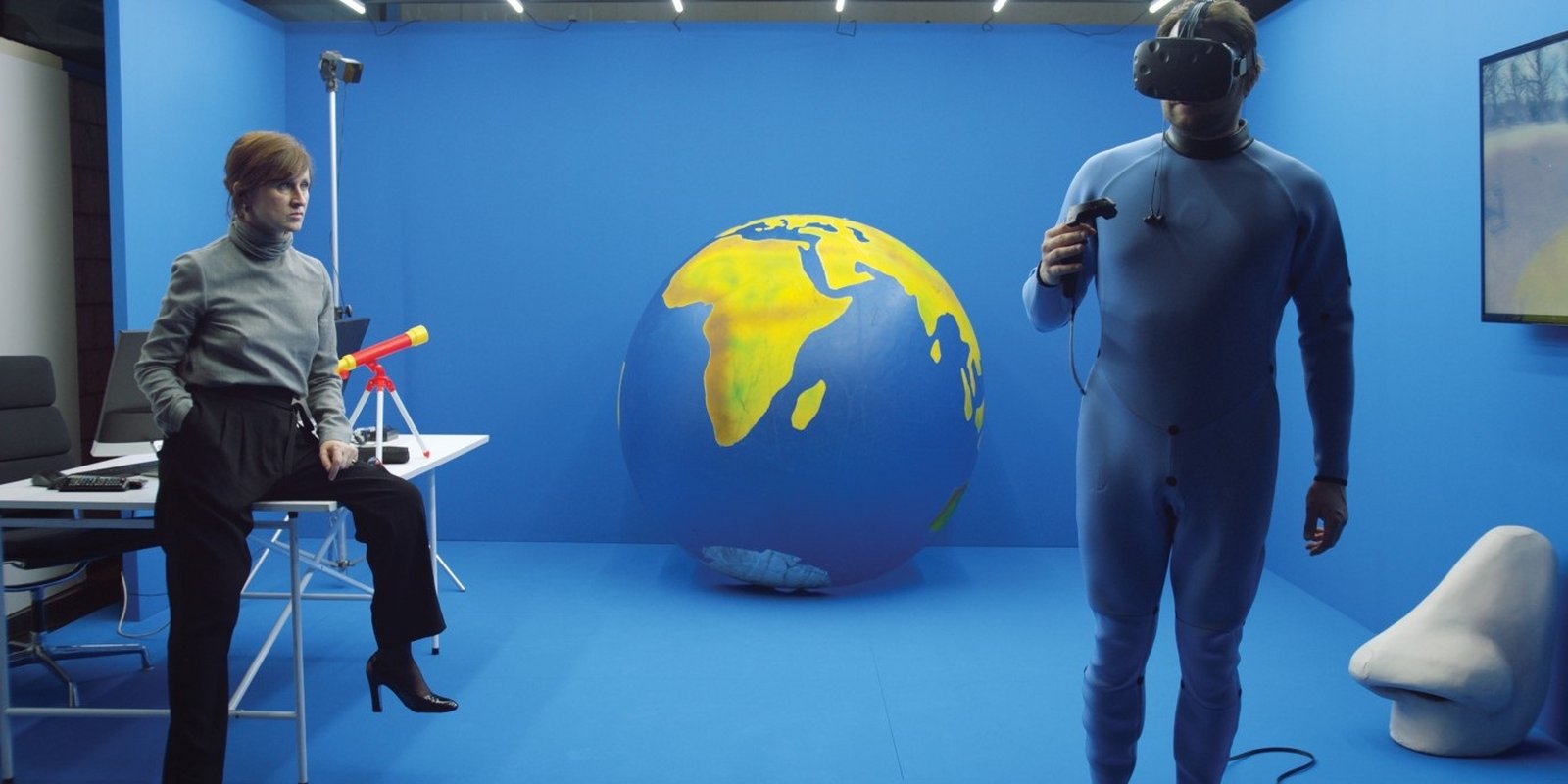
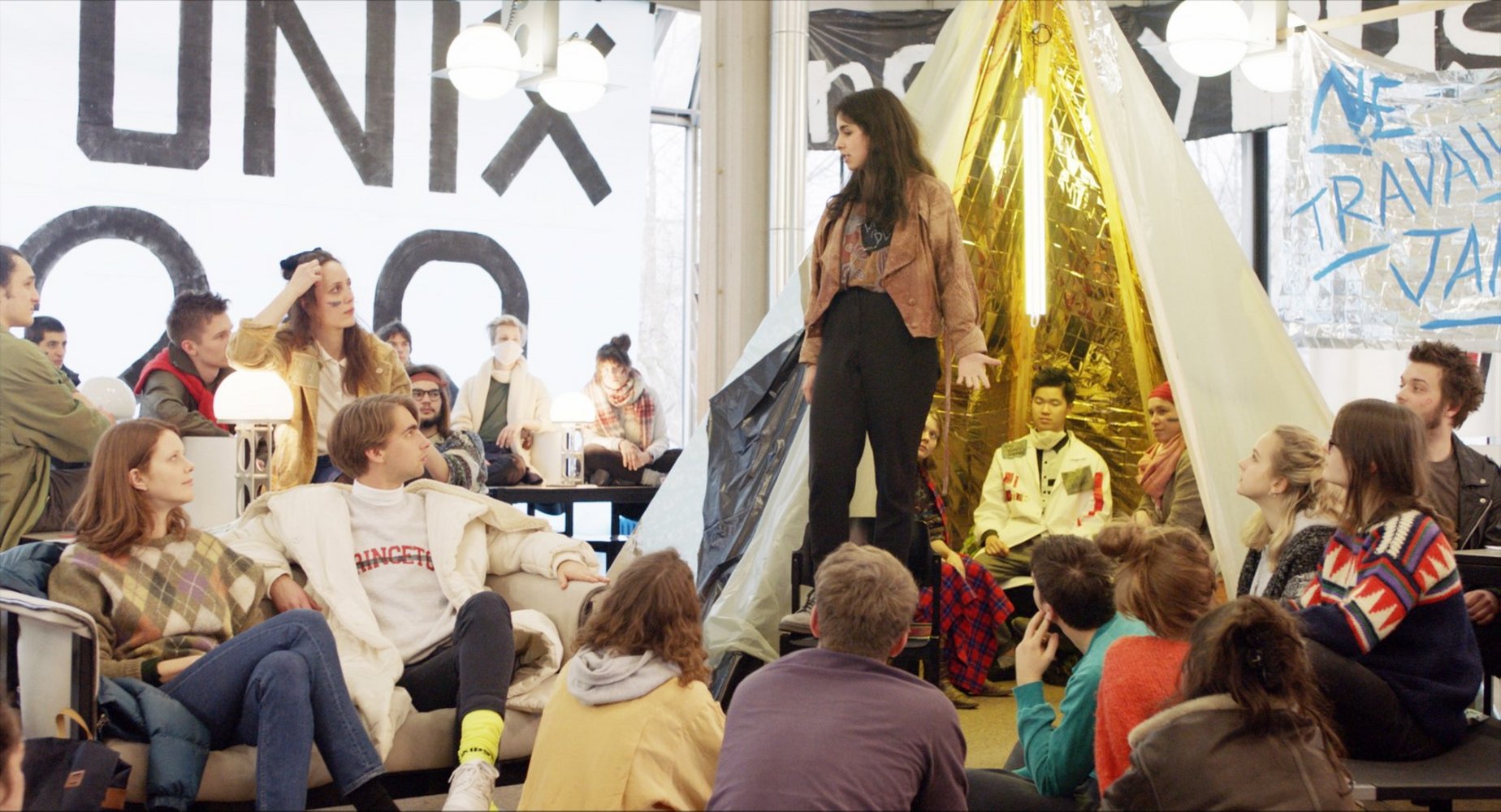
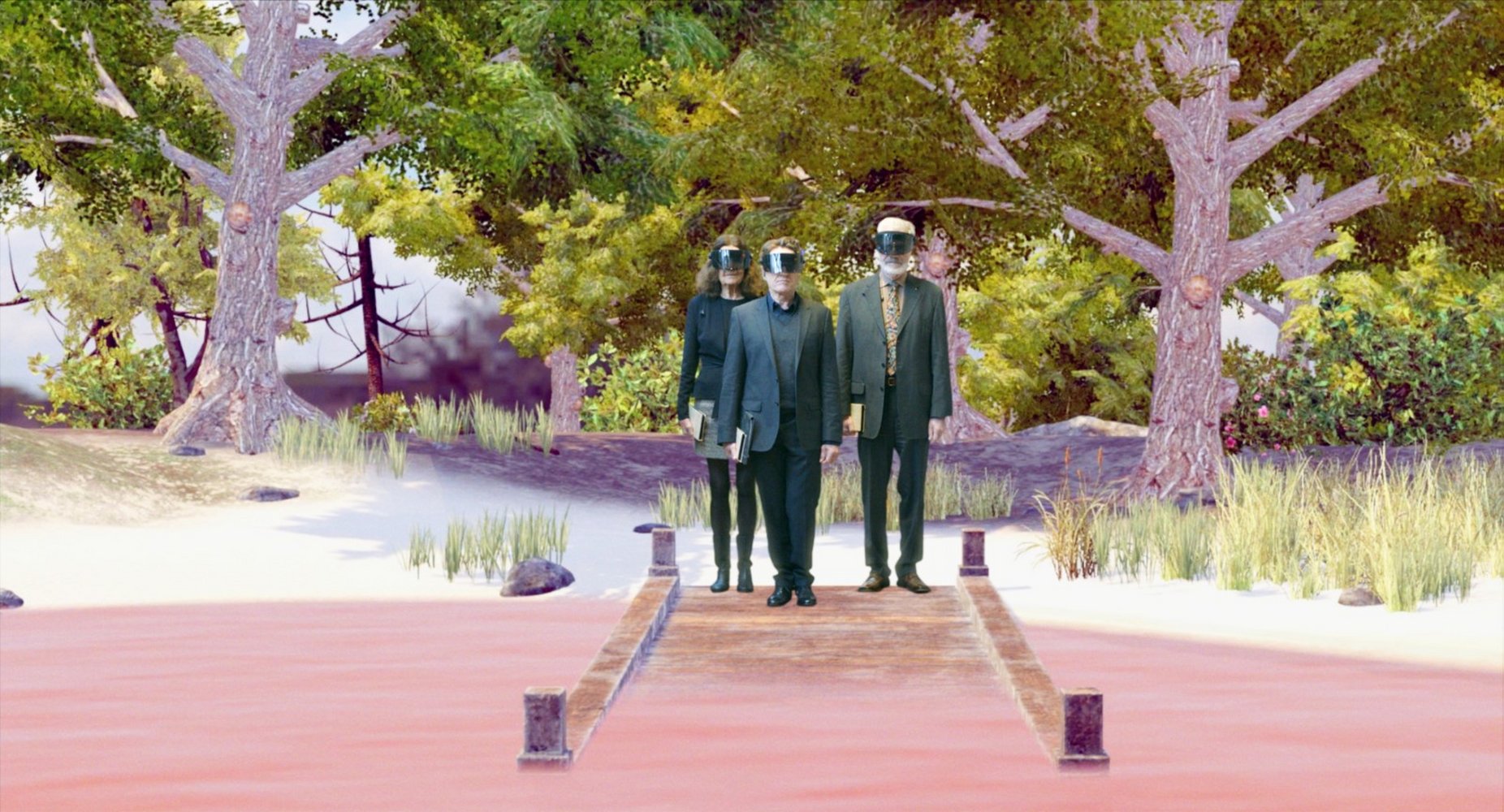
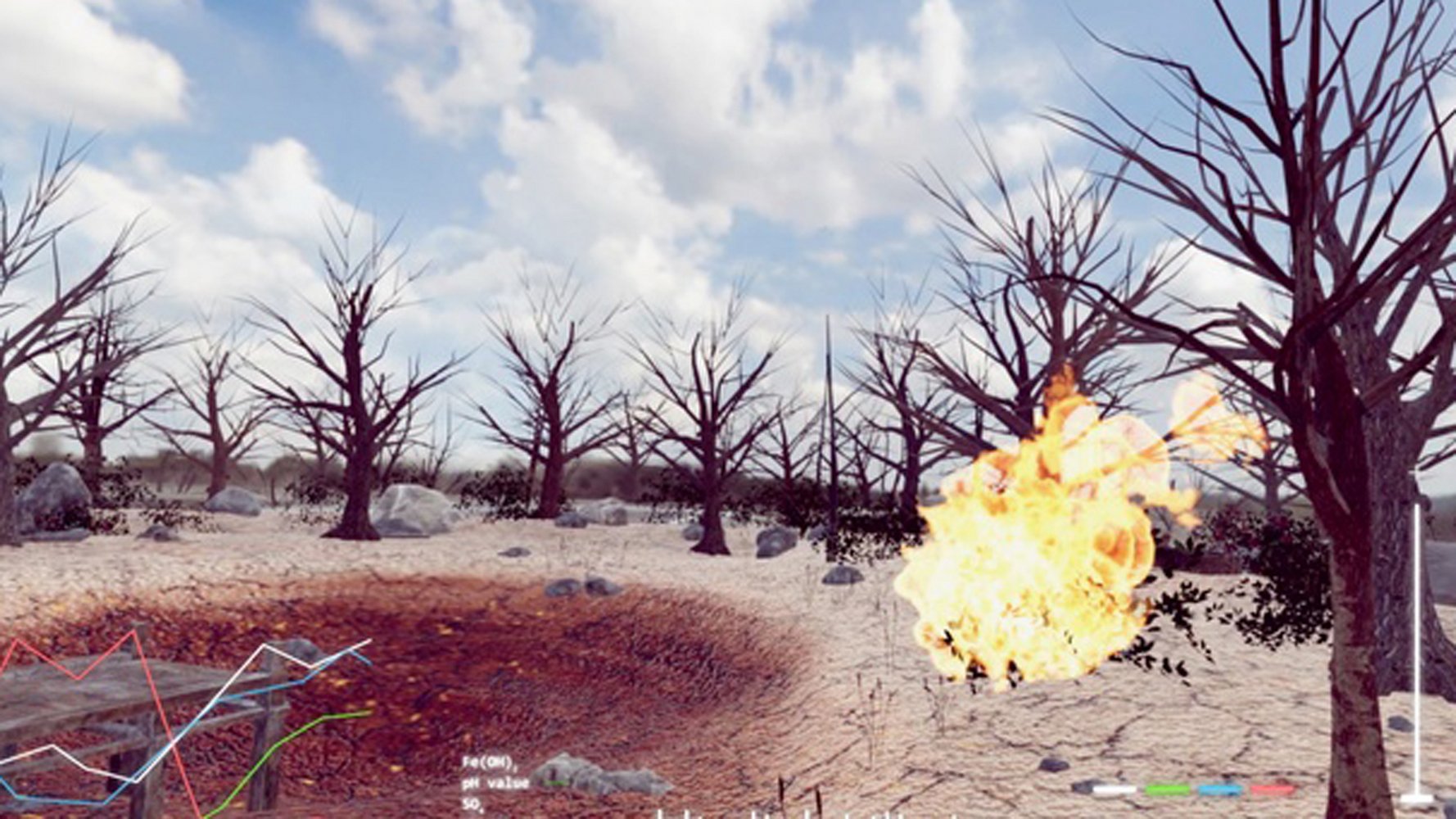
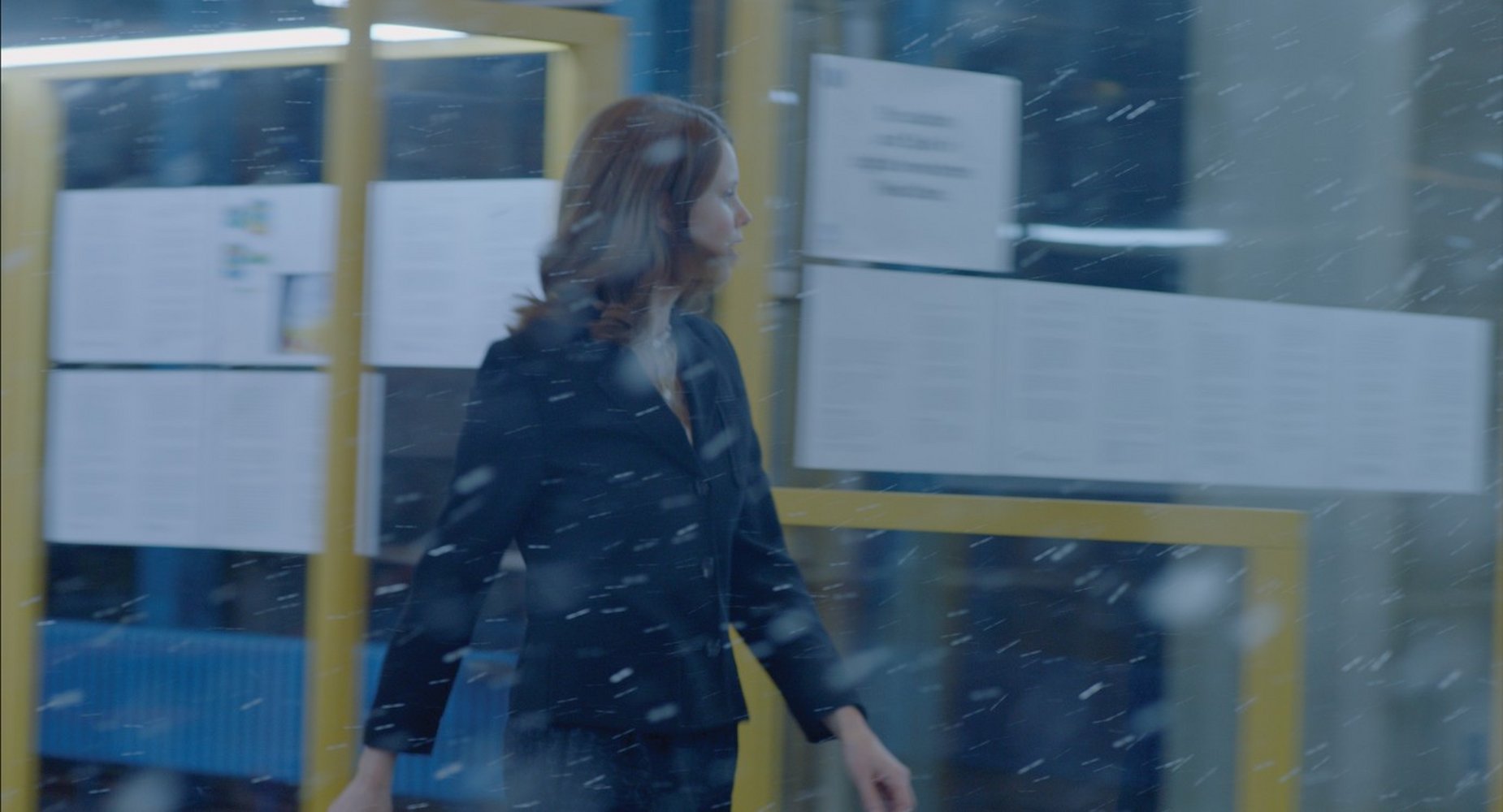
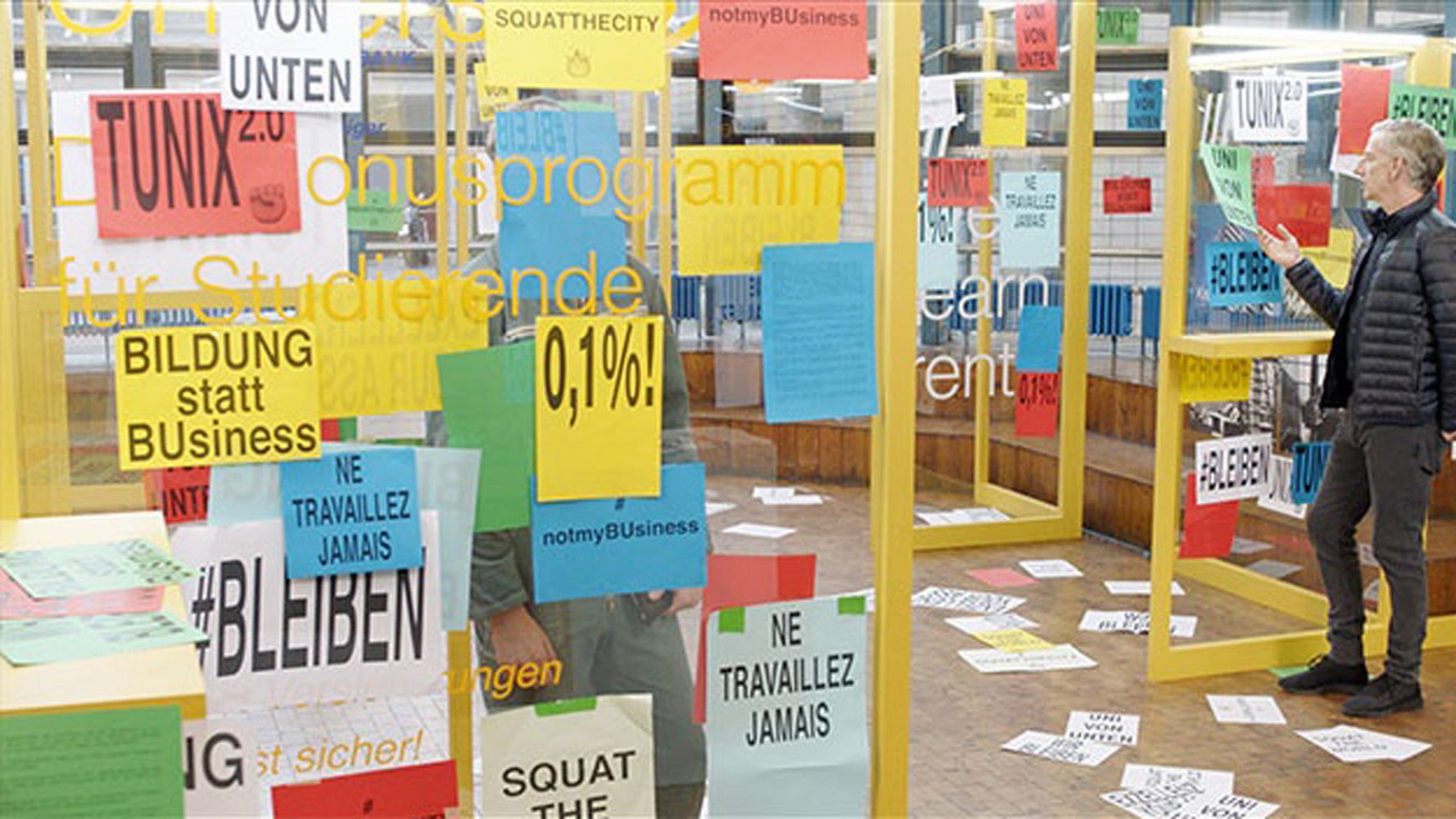
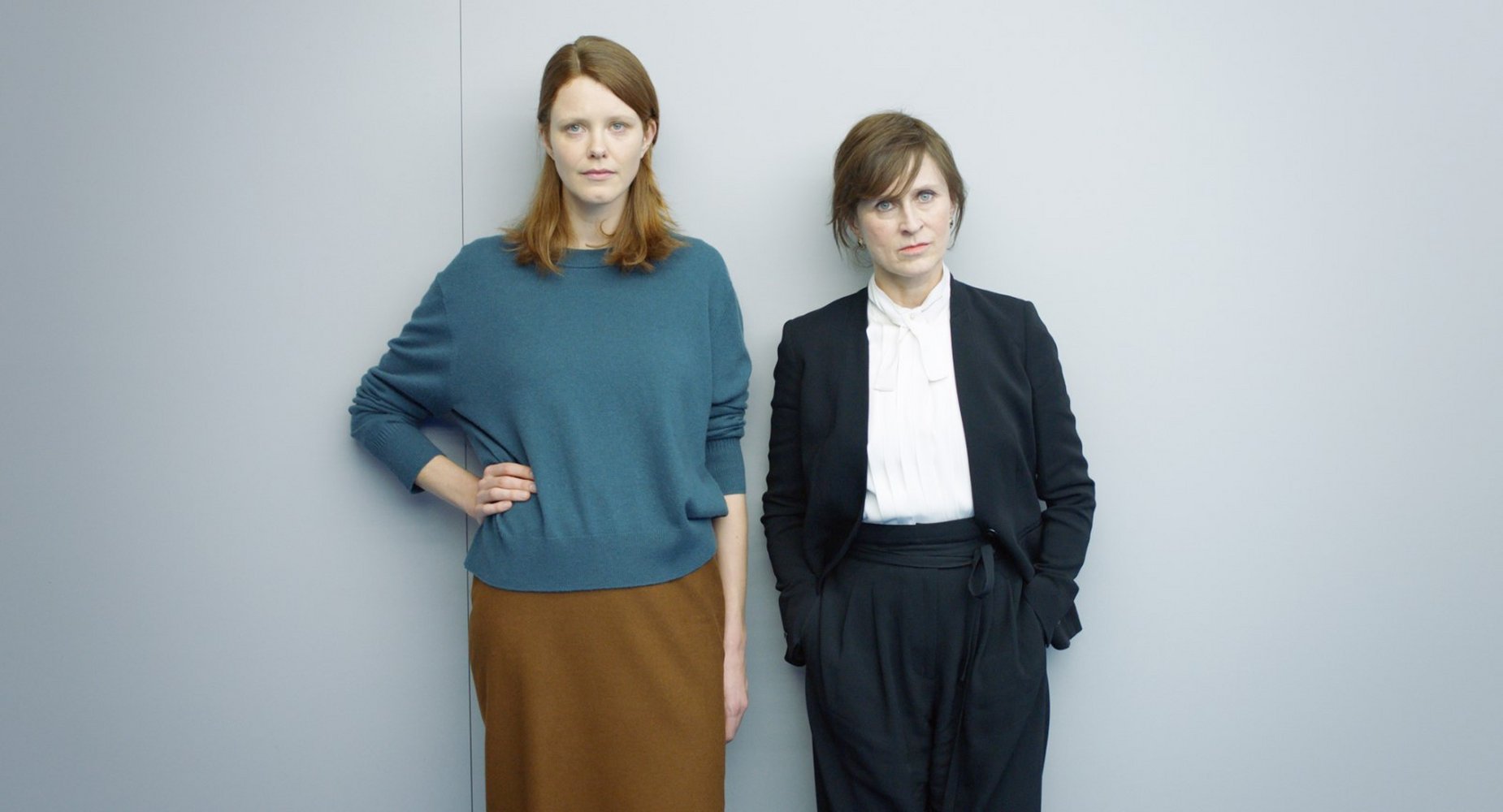
Die Erde hat nicht die ideale Gestalt einer Kugel. Sie sieht vielmehr aus wie eine Kartoffel. Klimaforscherin Phoebe Phaidon (Sarah Ralfs) kommt mit einem Lehrauftrag an das Institut für Kybernetik der Berliner Universität, um das Seminar zur 'Einführung in die Simulationsforschung' von Institutsleiterin Brenda Berger (Sophie Rois) zu übernehmen. Diese muss sich ihrem Drittmittel-Projekt zur virtuellen Simulation des Klimawandels widmen, um das Institut vor der drohenden Einsparung durch die Hochschulleitung zu bewahren. Alles hängt von einer erfolgreichen Evaluation am Ende des Wintersemesters ab. Phoebe wird verpflichtet, an der Simulation mitzuarbeiten und eine Unternehmensberaterin wird als Motivations-Coach ans Institut geholt. Währenddessen zieht der neuberufene Stiftungsprofessor Alfons Abstract-Wege (Bernd Moss) mit einem Projekt zu Ernährungskontrolle die Aufmerksamkeit auf sich, 'Nudging' wird zum Zauberwort. Phoebes Studierende, die dahinter einen Business-Plan vermuten, unterbrechen den Betrieb und besetzen die Bibliothek, während Phoebe mit ihrem Kollegen Julius Kelp (Philipp Hauß) zu einer Konferenz nach 'Gdansk' reist und versucht, hinter das Geheimnis der Apokalypse zu kommen. Die Zeit läuft ab. Der jüngste Tag bricht an...
Ein Statement des Regisseurs Max Linz zu diesem Film: "1967 fragt Herbert Marcuse im Vorwort seiner Studie 'Der eindimensionale Mensch': 'Dient nicht die Bedrohung durch eine atomare Katastrophe, die das Menschengeschlecht auslöschen könnte, ebensosehr dazu, gerade diejenigen Kräfte zu schützen, die diese Gefahr verewigen?'. Eine dialektische Denkfigur, wie sie für die Kritische Theorie der Frankfurter Schule typisch und die öffentlichkeitswirksame, universitäre Philosophie um 1968 charakteristisch ist. Vergangenheit, könnte man sagen, lange tot. Doch auf seinem Grabstein hat Marcuse den lesenden Lebenden die Aufforderung 'Weitermachen' hinterlassen, die meinem Film eine Hälfte seines Titels gegeben hat. Noch aus dem Grab heraus appelliert der Autor, sich von Ende, Abbruch und Verlust nicht hindern zu lassen. Der Anspruch scheint seltsam und befremdlich, geradezu grotesk - und zugleich erinnert er daran, dass die Utopie eines von Vernichtungsdrohungen befreiten Lebens, das schon im Diesseits 'Sanssouci' wäre, nicht realisiert ist."
Weiterlesen »
The earth does not have the ideal shape of a sphere. It looks more like a potato. Climate researcher Phoebe Phaidon (Sarah Ralfs) comes to the Institute of Cybernetics at the University of Berlin with a teaching assignment to take over the seminar on the 'Introduction to Simulation Research' from institute director Brenda Berger (Sophie Rois). This must devote itself to its third-party funded project for the virtual simulation of climate change in order to protect the institute from the threat of savings by the university management. Everything depends on a successful evaluation at the end of the winter semester. Phoebe is hired to work on the simulation and a management consultant is brought to the institute as a motivational coach. Meanwhile, the newly appointed endowed professor Alfons Abstract-Wege (Bernd Moss) attracts attention with a project on nutritional control, 'nudging' becomes the magic word. Phoebe's students, who suspect a business plan behind it, interrupt operations and occupy the library, while Phoebe travels to a conference in 'Gdansk' with her colleague Julius Kelp (Philipp Hauß) and tries to find out the secret of the apocalypse. Time is running out. Judgment Day is dawning...
A statement by director Max Linz on this film: "In 1967, Herbert Marcuse asks in the foreword to his study 'The One-Dimensional Man': 'Doesn't the threat of a nuclear catastrophe, which could wipe out the human race, serve just as much to protect the very forces that perpetuate this danger?'. A dialectical figure of thought that is typical of the critical theory of the Frankfurt School and characteristic of the high-profile university philosophy around 1968. Past, one could say, long dead. But on his gravestone, Marcuse left the reading living with the invitation 'Keep going', which gave my film half of its title. Still from the grave, the author appeals not to be hindered by the end, interruption and loss. The claim seems strange and strange, downright grotesque - and at the same time it reminds us that the utopia of a life freed from threats of annihilation, which would already be 'Sanssouci' in this world, has not been realized."
Automatically translated with AI
More »