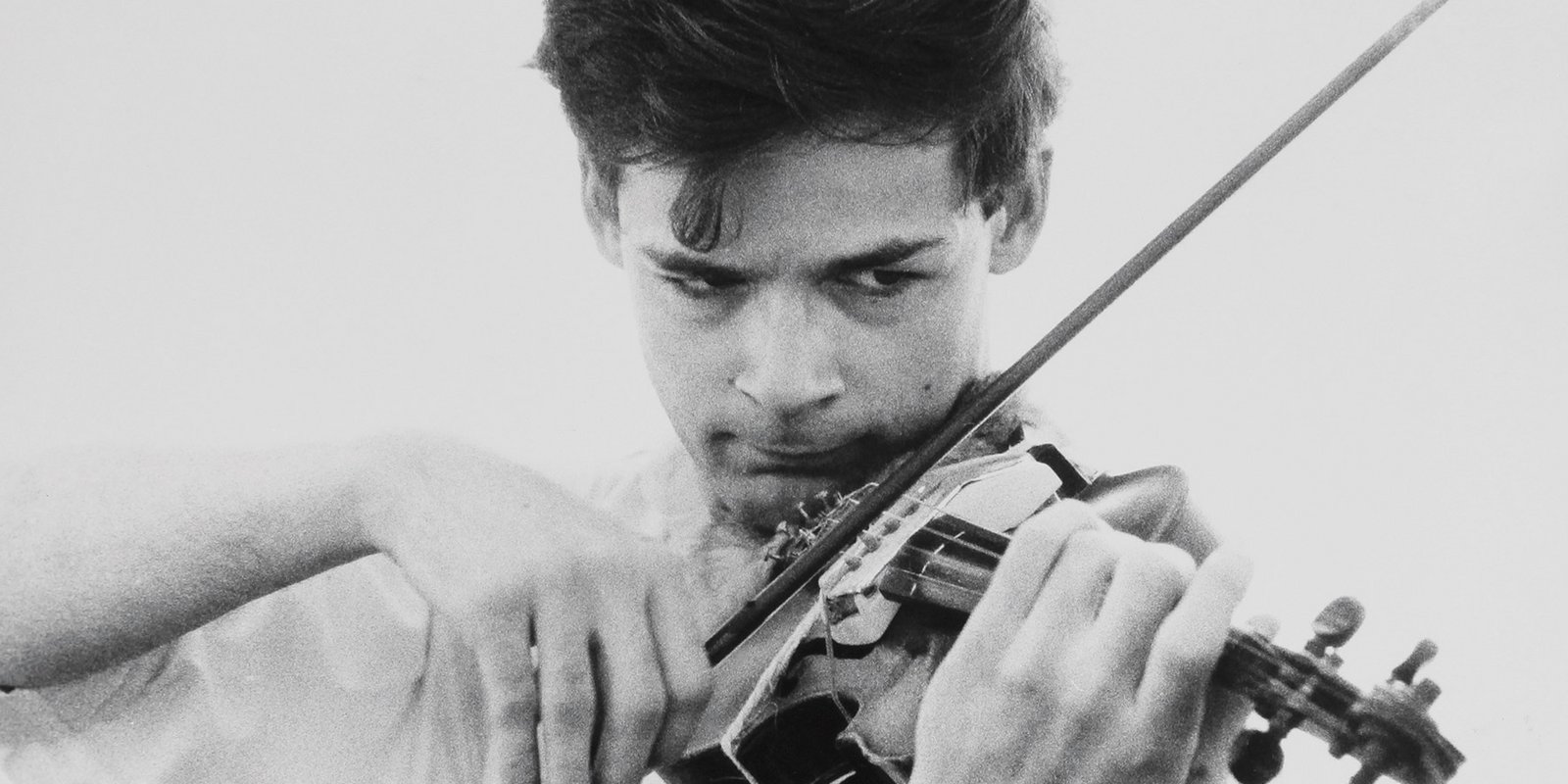
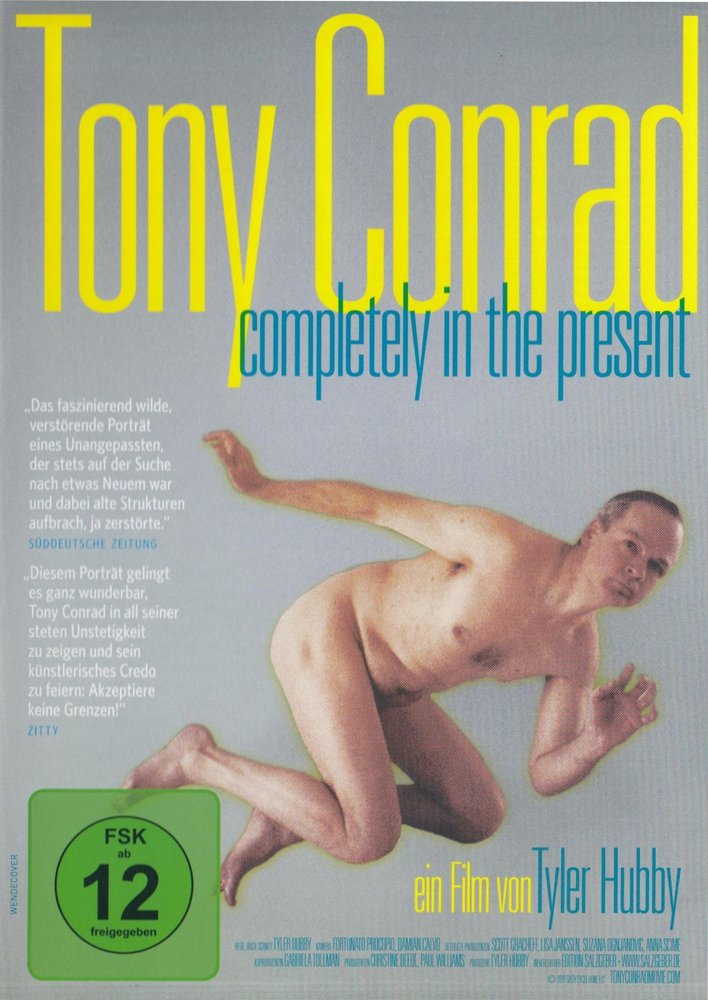
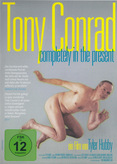
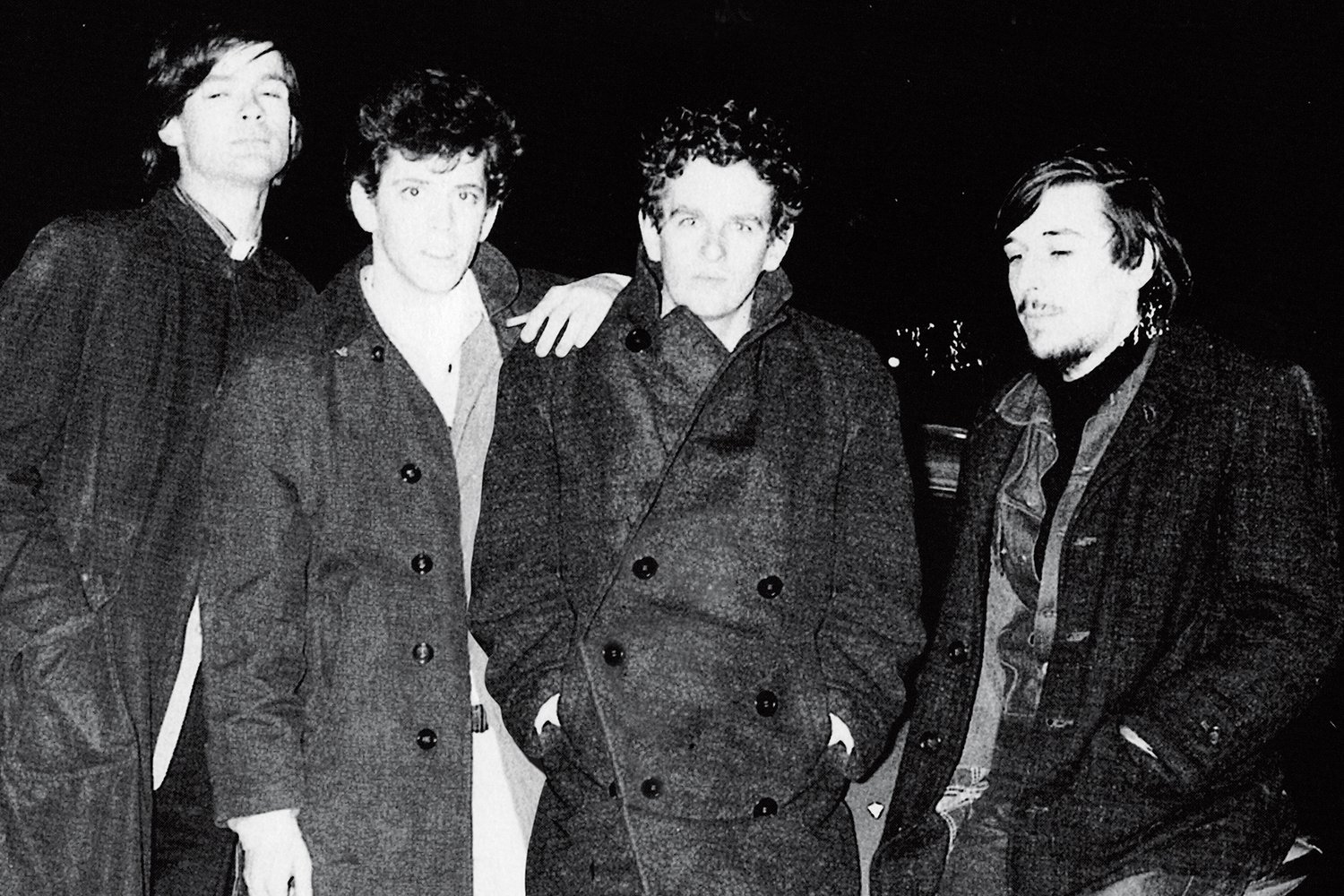
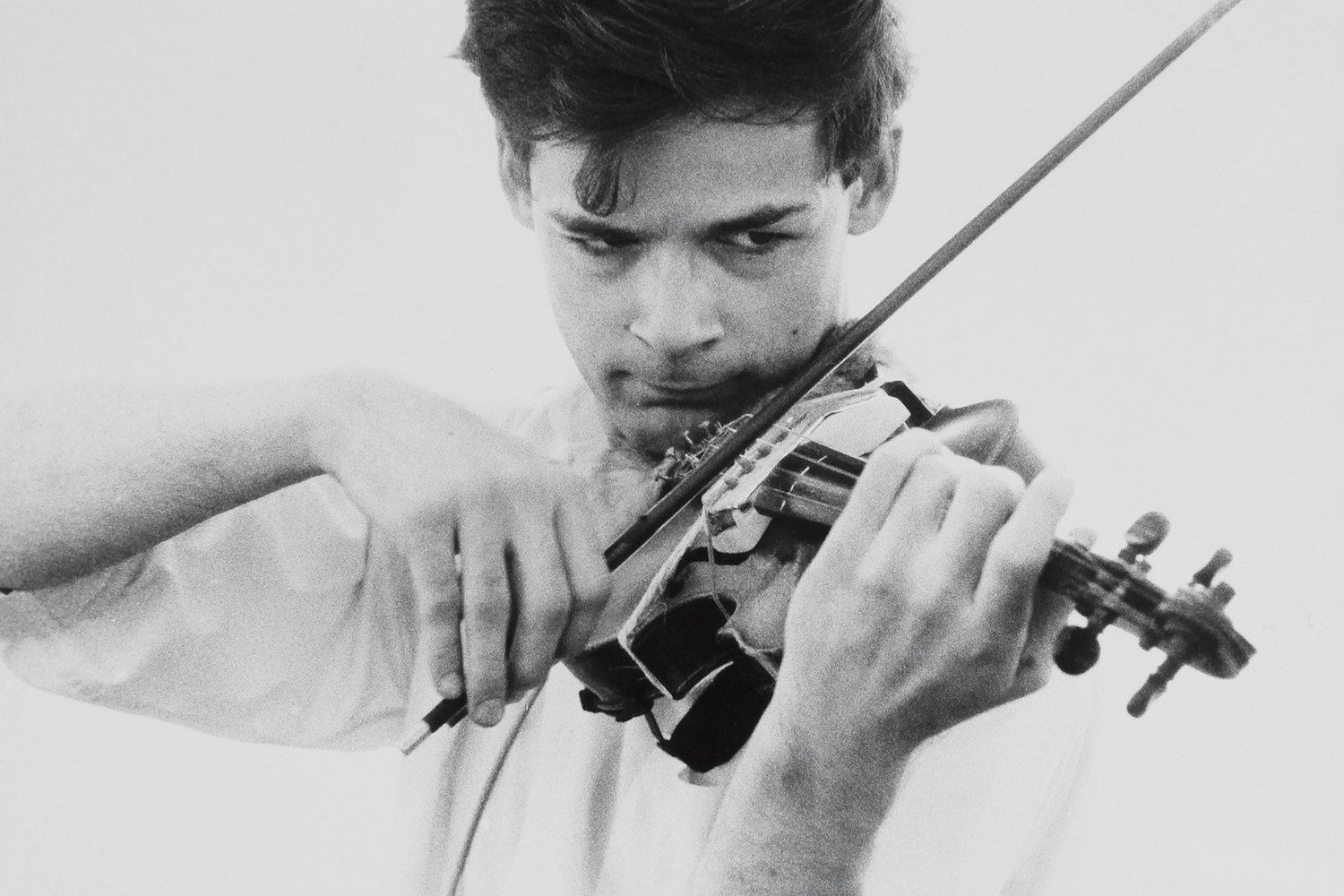
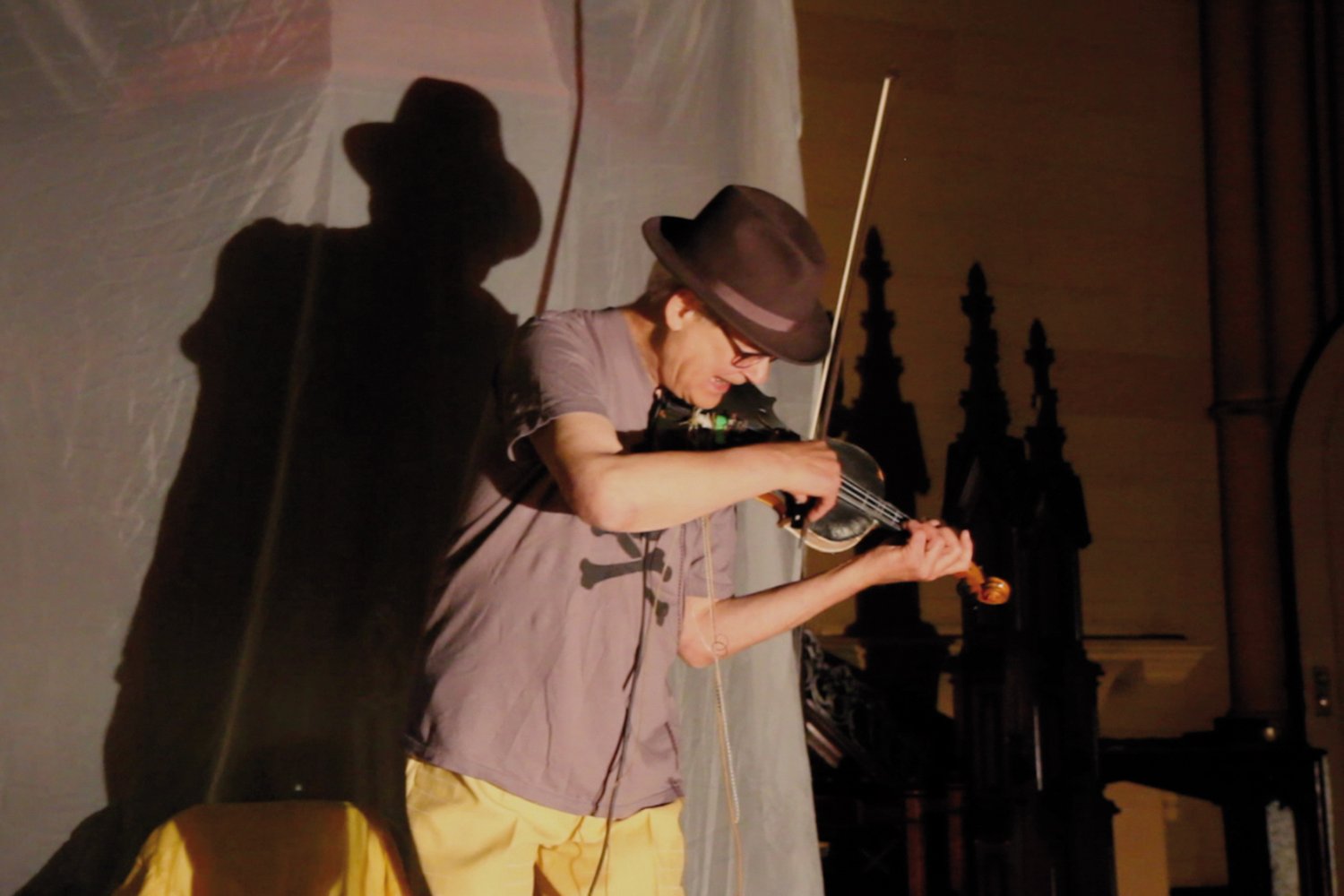
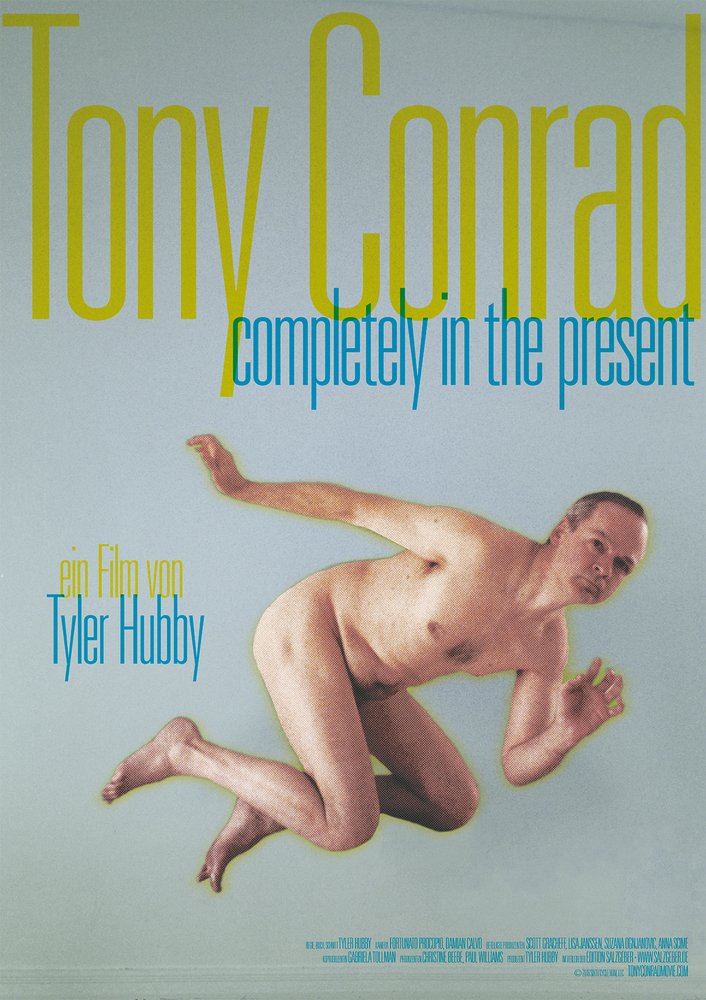
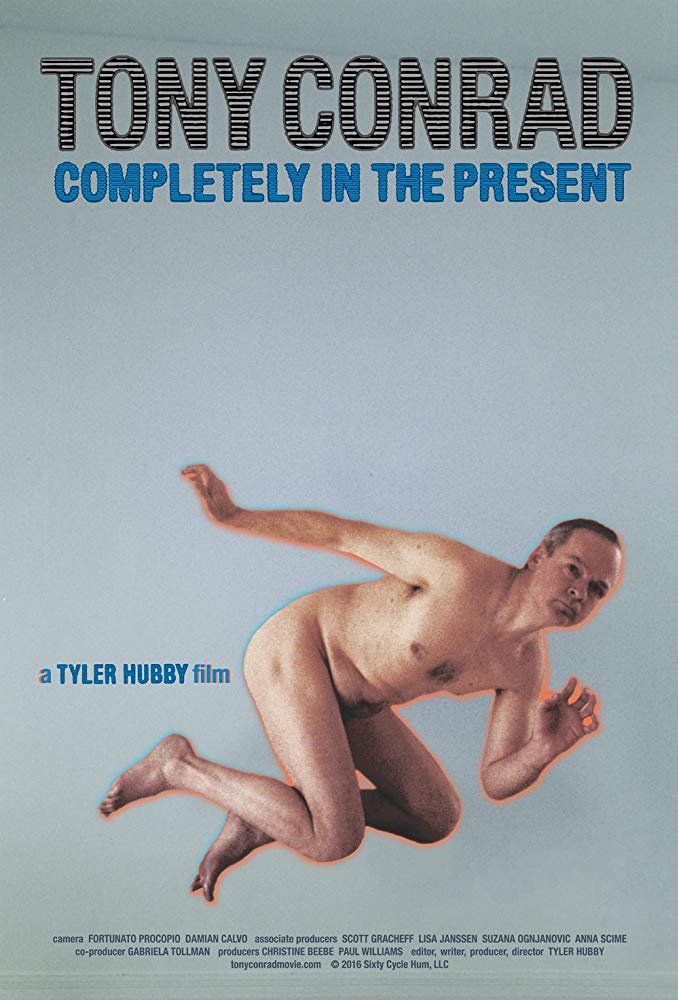
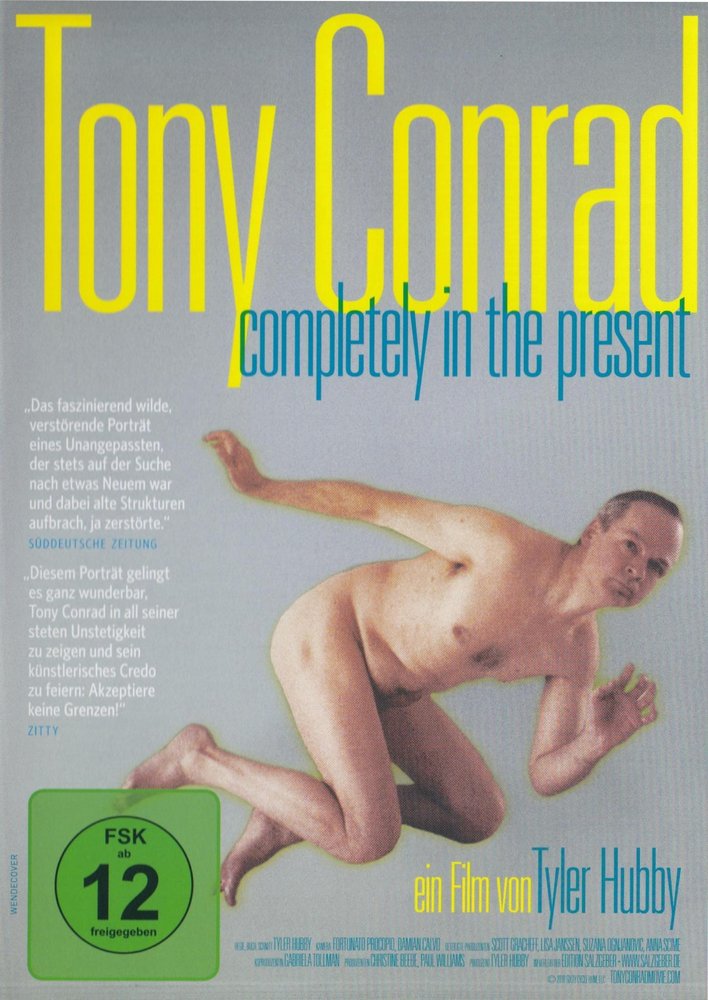
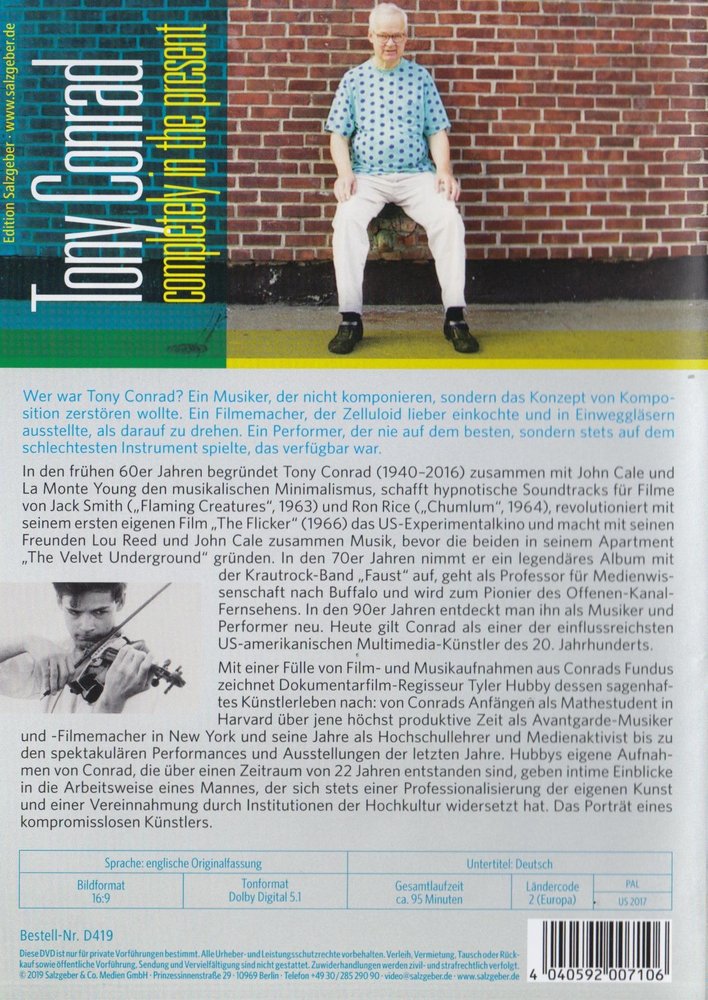
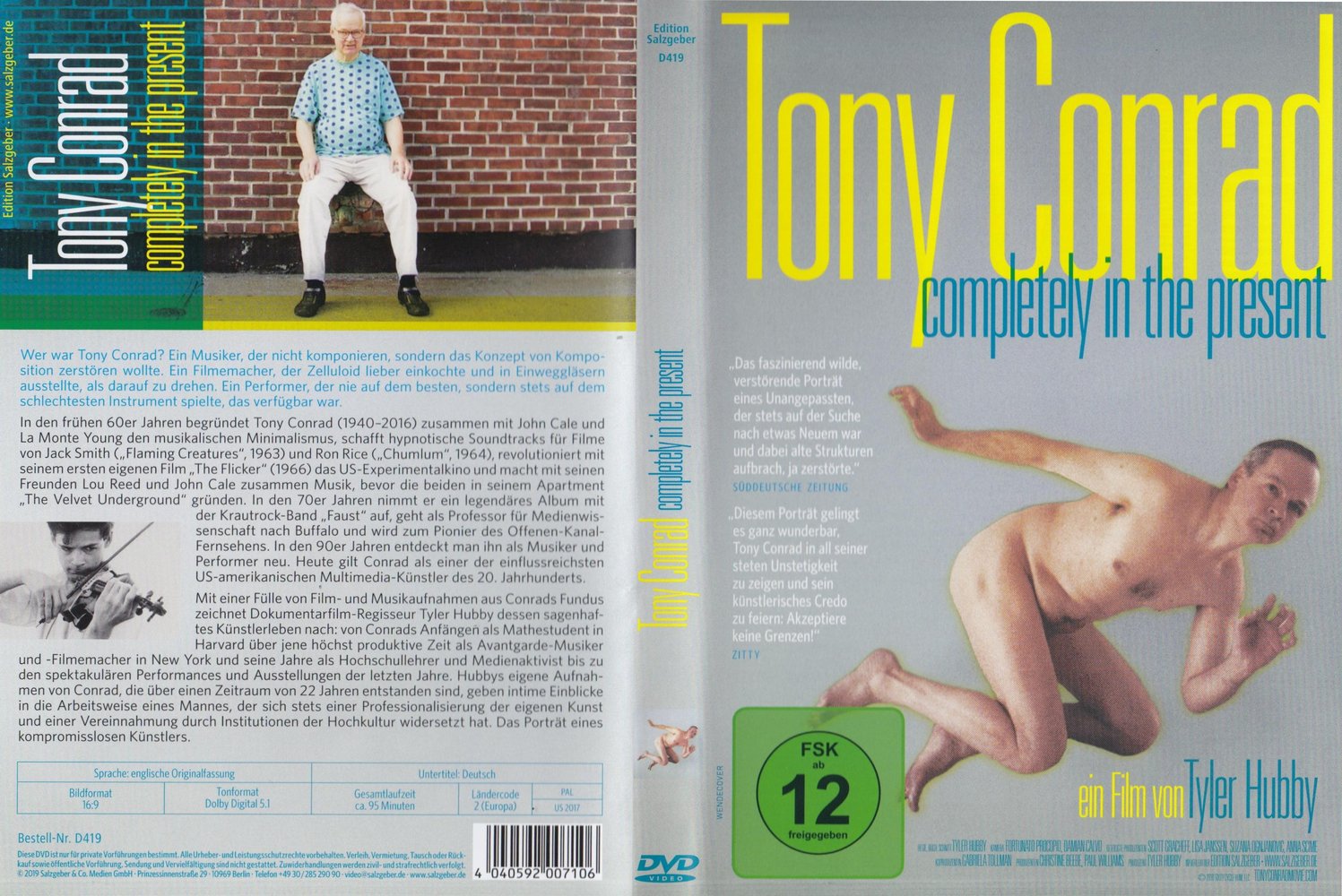
Wer war Tony Conrad (1940-2016)? Ein Musiker, der nicht komponieren, sondern das Konzept von Komposition zerstören wollte. Ein Filmemacher, der Zelluloid lieber einkochte und in Einweggläser ausstellte, als darauf zu drehen. Ein Performer, der nie auf dem besten, sondern stets auf dem schlechtesten Instrument spielte, das verfügbar war. In den frühen 60er Jahren begründet Conrad zusammen mit John Cale und 'La Monte Young' den musikalischen Minimalismus, schafft hypnotische Soundtracks für Filme von Jack Smith (wie 'Flaming Creatures' 1963) und Ron Rice ('Chumlum' 1964), revolutioniert mit seinem ersten eigenen Film 'The Flicker' (1966) das US-Experimentalkino und macht mit seinen Freunden Lou Reed und Cale zusammen Musik, bevor die beiden in seinem Apartment 'The Velvet Underground' gründen. In den 70er Jahren nimmt er ein legendäres Album mit der Krautrock-Band 'Faust' auf, geht als Professor für Medienwissenschaft nach 'Buffalo' und wird zum Pionier des Offenen-Kanal-Fernsehens. In den 90er Jahren entdeckt man ihn als Musiker und Performer neu. Heute gilt Conrad als einer der einflussreichsten US-amerikanischen Multimedia-Künstler des 20. Jahrhunderts...
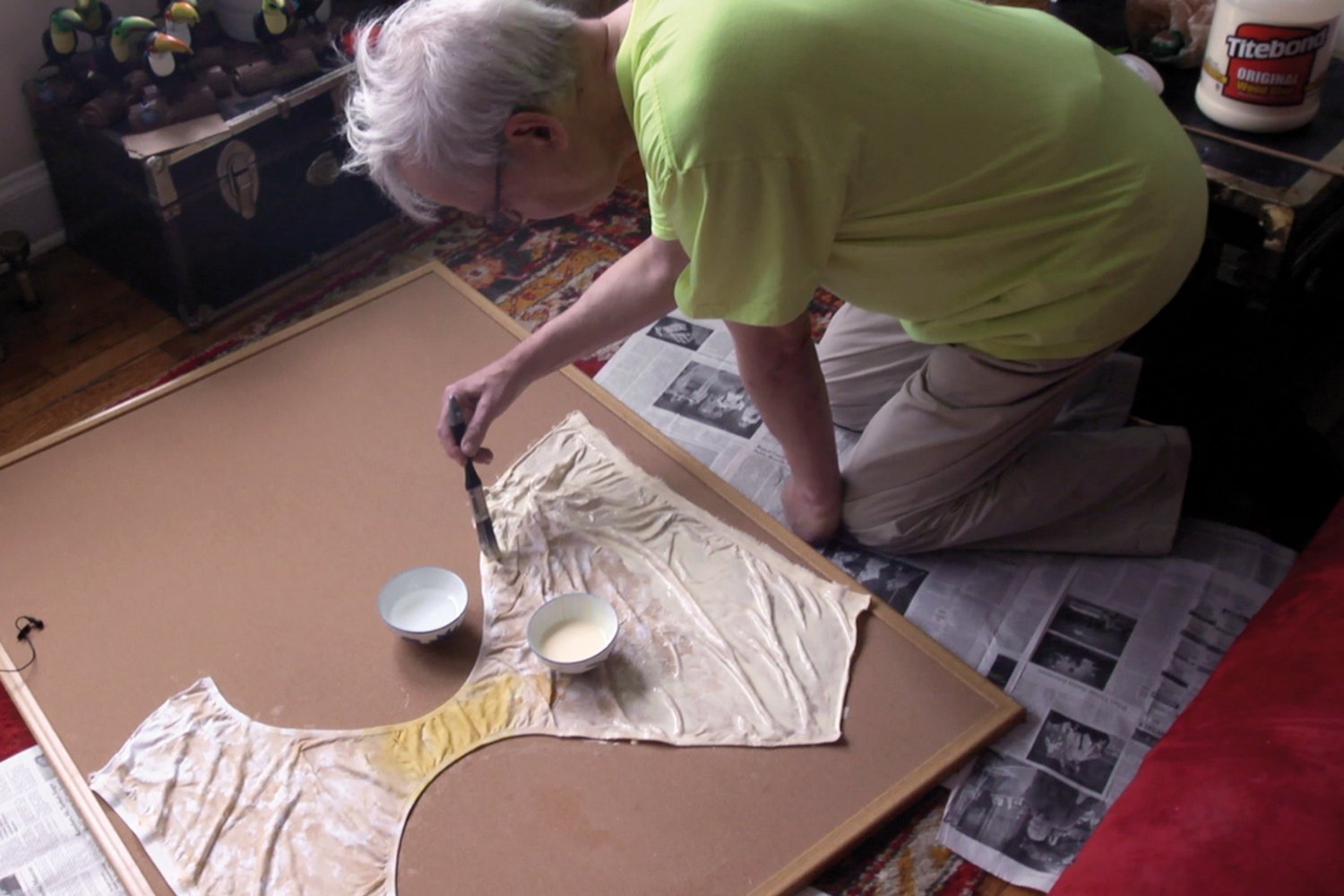
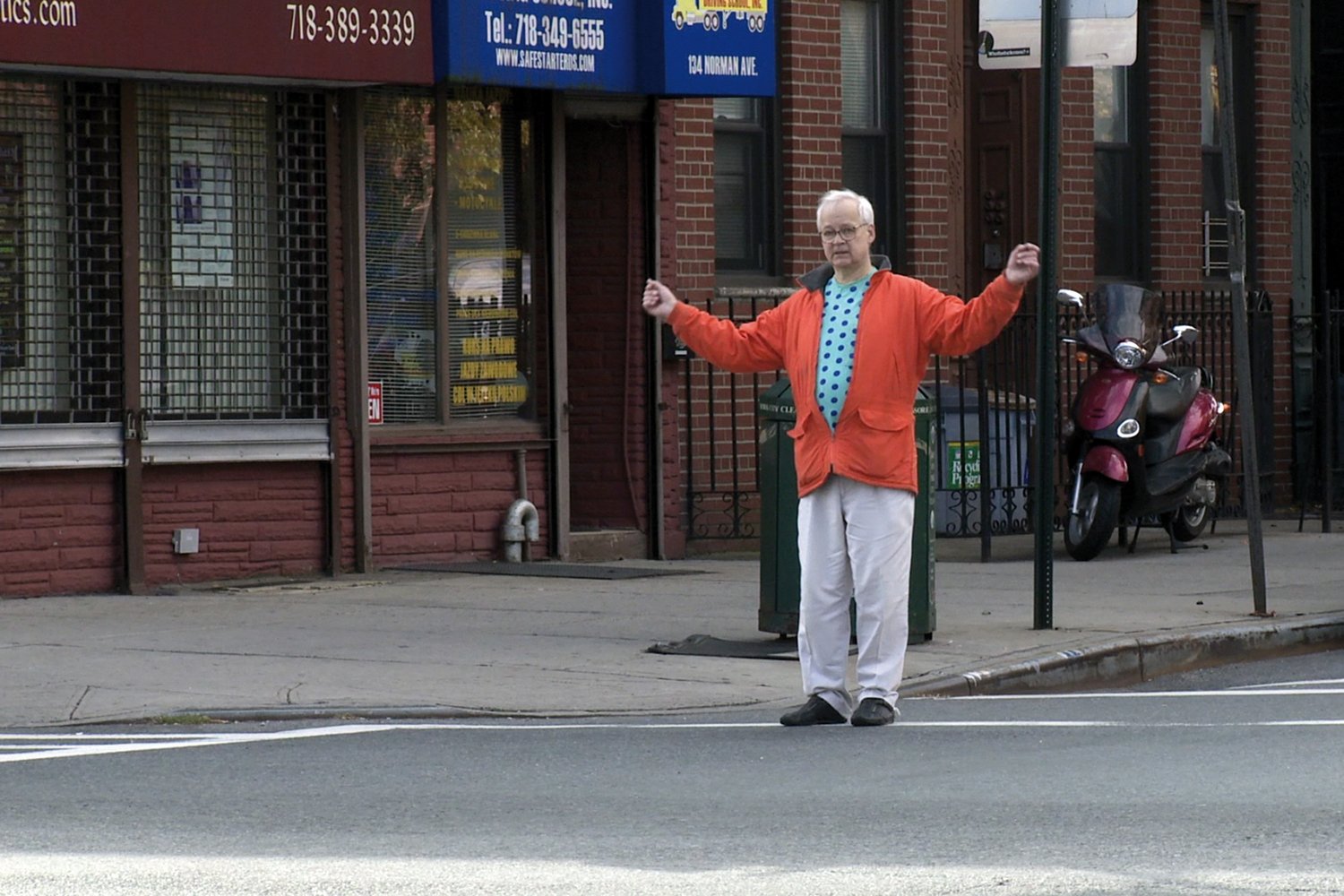
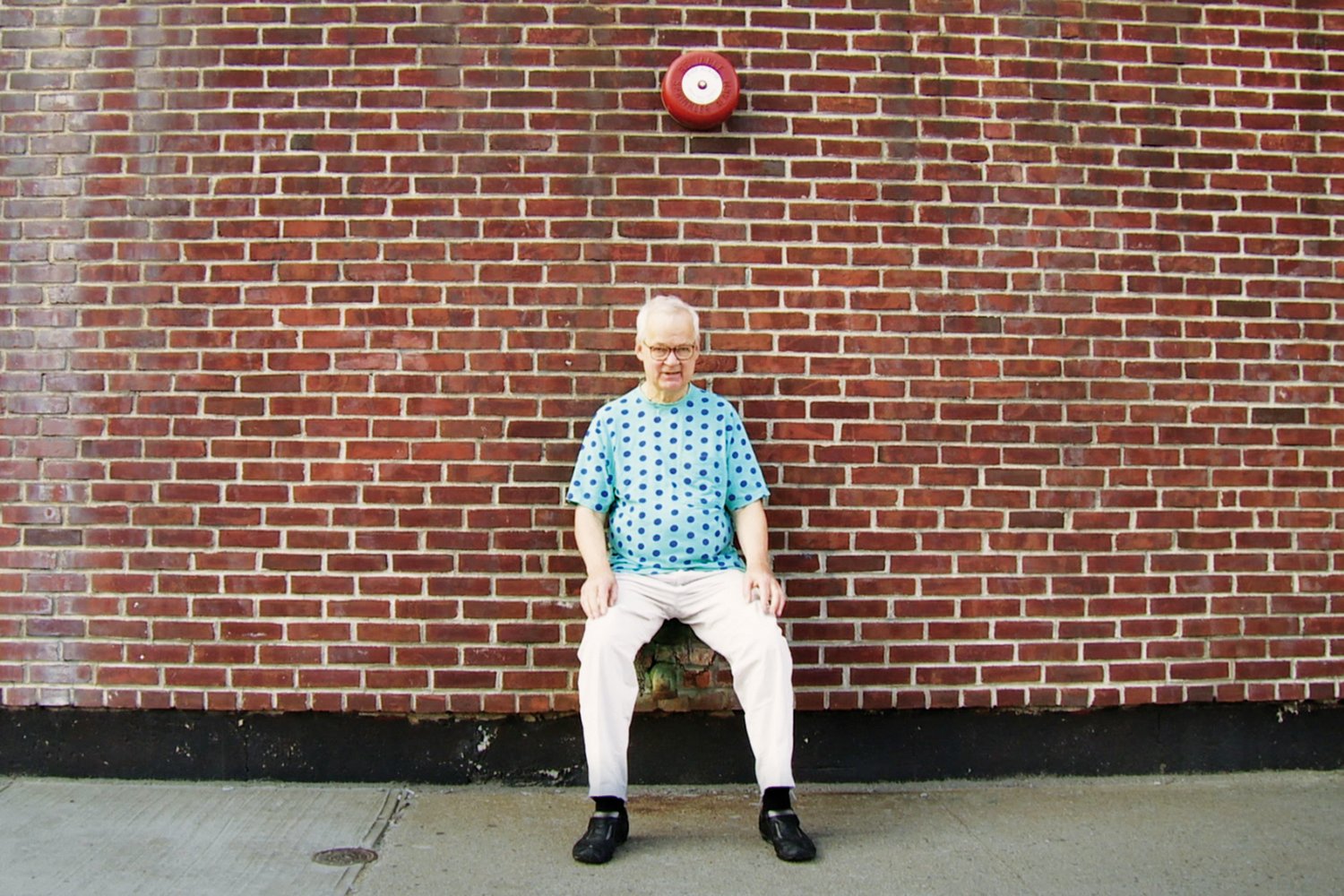
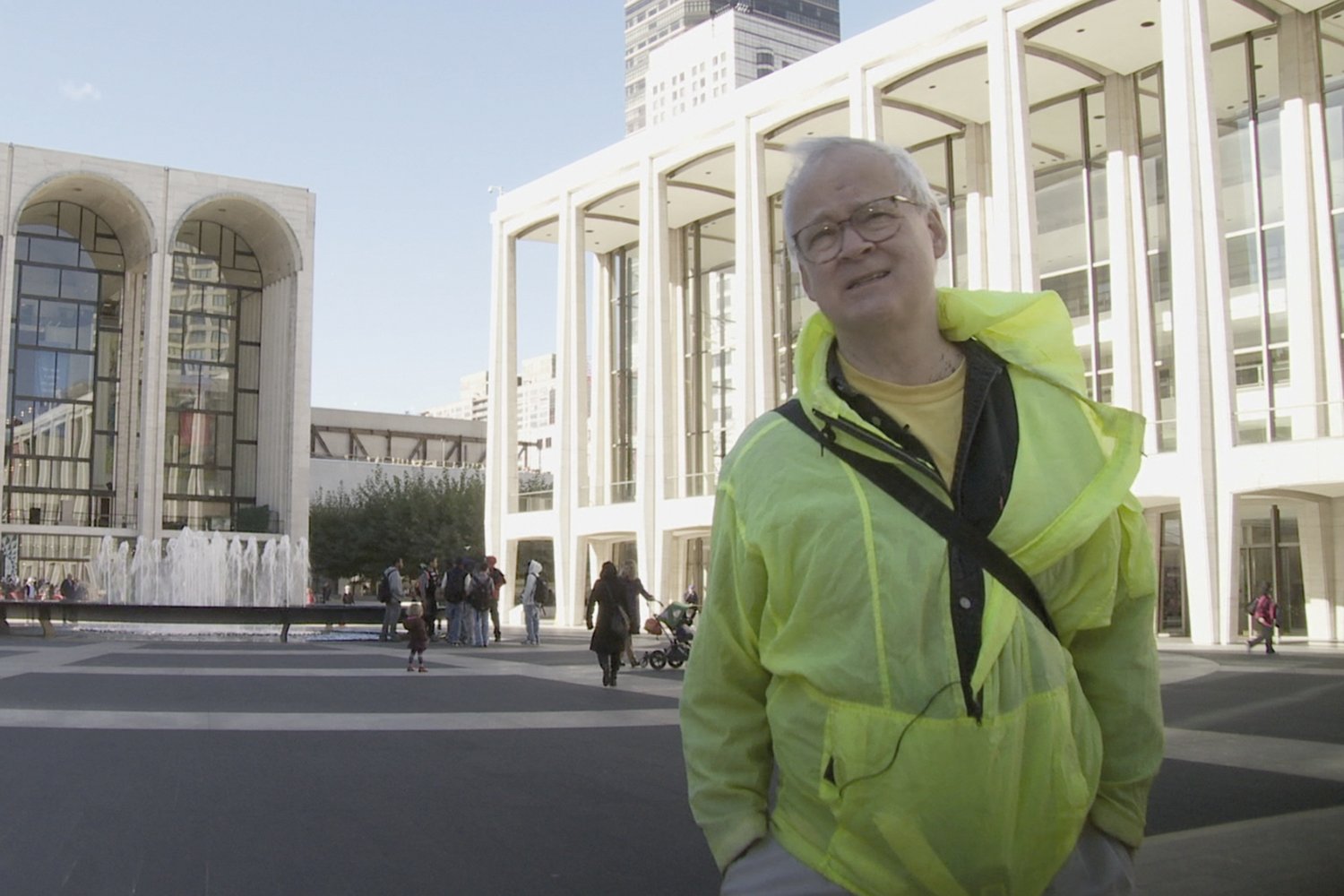
Mit einer Fülle von Film- und Musikaufnahmen aus Conrads Fundus zeichnet Dokumentarfilm-Regisseur Tyler Hubby in 'Tony Conrad - Completely in the Present' (2016) dessen sagenhaftes Künstlerleben nach: von Conrads Anfängen als Mathestudent in Harvard über jene höchst produktive Zeit als Avantgarde-Musiker und -Filmemacher in New York und seine Jahre als Hochschullehrer und Medienaktivist bis zu den spektakulären Performances und Ausstellungen der letzten Jahre. Hubbys eigene Aufnahmen von Conrad, die über einen Zeitraum von 22 Jahren entstanden sind, geben intime Einblicke in die Arbeitsweise eines Mannes, der sich stets einer Professionalisierung der eigenen Kunst und einer Vereinnahmung durch Institutionen der Hochkultur widersetzt hat. Das Porträt eines kompromisslosen Künstlers.
Weiterlesen »
Who was Tony Conrad (1940-2016)? A musician who did not want to compose, but to destroy the concept of composition. A filmmaker who preferred to boil down celluloid and display it in disposable jars rather than shoot on it. A performer who never played on the best, but always on the worst instrument available. In the early 60s, Conrad founded musical minimalism together with John Cale and 'La Monte Young', created hypnotic soundtracks for films by Jack Smith (such as 'Flaming Creatures' 1963) and Ron Rice ('Chumlum' 1964), revolutionized US experimental cinema with his first own film 'The Flicker' (1966) and made music together with his friends Lou Reed and Cale, before the two founded 'The Velvet Underground' in his apartment. In the 70s, he recorded a legendary album with the Krautrock band 'Faust', went to 'Buffalo' as a professor of media studies and became a pioneer of open channel television. In the 90s, he was rediscovered as a musician and performer. Today, Conrad is considered one of the most influential American multimedia artists of the 20th century...
With a wealth of film and music footage from Conrad's collection, documentary film director Tyler Hubby traces his fabulous artistic life in 'Tony Conrad - Completely in the Present' (2016): from Conrad's beginnings as a math student at Harvard to that highly productive time as an avant-garde musician and filmmaker in New York and his years as a university lecturer and media activist to the spectacular performances and exhibitions of recent years. Hubby's own photographs of Conrad, taken over a period of 22 years, provide intimate insights into the working methods of a man who has always resisted the professionalization of his own art and appropriation by institutions of high culture. The portrait of an uncompromising artist.
More »