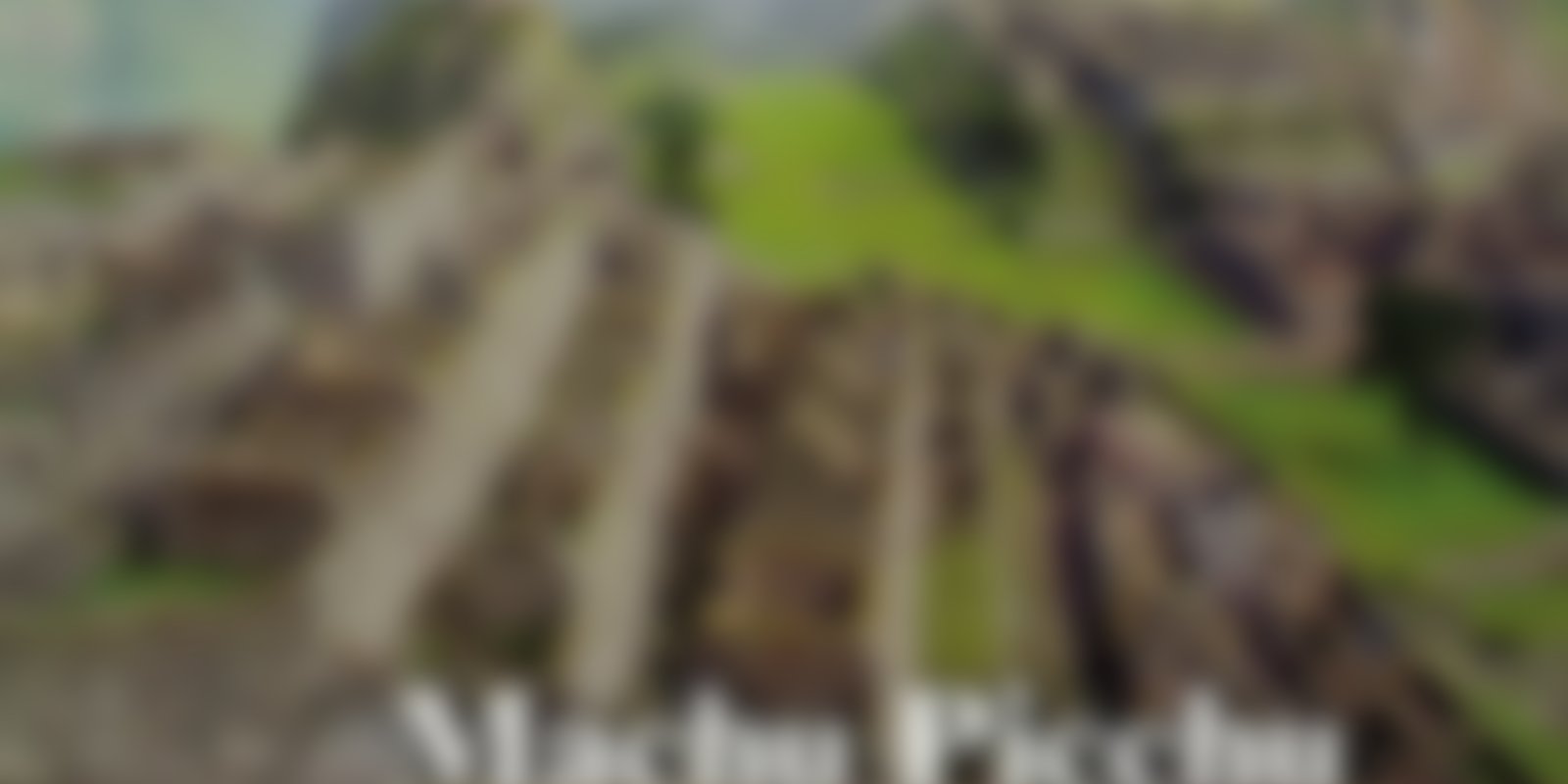
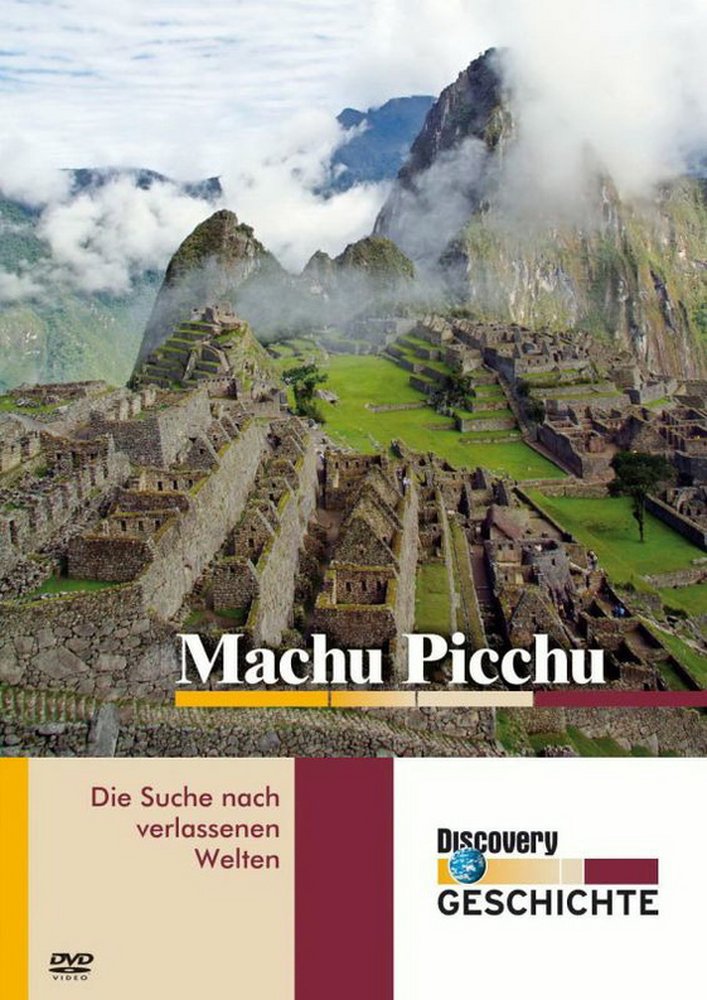
Machu Picchu ist eine Stadt der Inka, die in 2.360 m Höhe auf einer Bergspitze der Anden über dem Urubambatal in 75 km Entfernung nordwestlich von Cusco in Peru liegt. Erbaut wurde die Stadt einer Theorie zu folge um 1450 von Pachacutec Yupanqui, einem Herrscher der Inka, der von 1438 bis 1471 regierte. Er schuf die Grundlagen für die Ausdehnung des mächtigen Inkareiches. Eingebettet zwischen dicht bewachsenen Bergen war die Stadt für die spanischen Eroberer im Jahre 1532 unsichtbar und ist dadurch der Zerstörung entgangen. Die Stadt umfasste 216 steinerne Bauten, die mit eine System von Treppen verbunden waren. Etwa 3.000 Stufen sind heute noch erhalten, ebenso wie die Außenmauern der zum Teil mehrgeschossigen Wohnbauten. Sinn und Zweck dieser Stadt sind bis heute umstritten. Es existieren über sie keine Überlieferungen bzw. wissenschaftlichen Aufzeichnungen, weshalb nur Vermutungen angestellt werden können. So wurde die Stadt, deren ursprünglicher Name unbekannt ist, nach einem der nahe gelegenen Berggipfel benannt. Teile der Stadt, die für die Landwirtschaft genutzten Terrassen, liegen am Fuße des "alten Gipfels", hinter dem anderen Ende der Stadt ragt der "junge Gipfel" (Huayna Picchu) zuckerhutförmig in den Himmel. Tauchen Sie ein und erleben Sie die letzten tragischen Tage dieser Stadt.
Weiterlesen »
Machu Picchu is an Inca city located at an altitude of 2,360 m on a mountain peak of the Andes above the Urubamba Valley at a distance of 75 km northwest of Cusco in Peru. According to one theory, the city was built around 1450 by Pachacutec Yupanqui, an Inca ruler who ruled from 1438 to 1471. He laid the foundations for the expansion of the mighty Inca Empire. Nestled between densely overgrown mountains, the city was invisible to the Spanish conquerors in 1532 and thus escaped destruction. The city consisted of 216 stone buildings connected by a system of stairs. About 3,000 steps are still preserved today, as are the outer walls of the residential buildings, some of which are multi-storey. The meaning and purpose of this city are still disputed today. There are no traditions or scientific records about them, which is why only assumptions can be made. Thus, the city, whose original name is unknown, was named after one of the nearby mountain peaks. Parts of the city, the terraces used for agriculture, lie at the foot of the "old peak", behind the other end of the city the "young peak" (Huayna Picchu) rises into the sky in the shape of a sugarloaf mountain. Immerse yourself and relive the last tragic days of this city.
Automatically translated with AI
More »