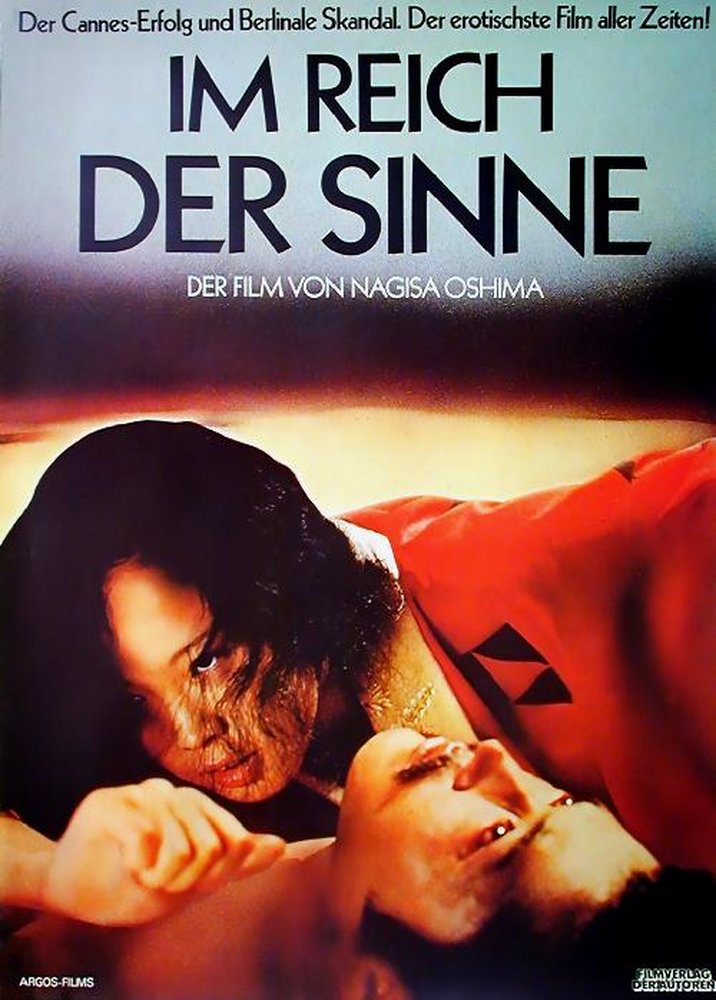
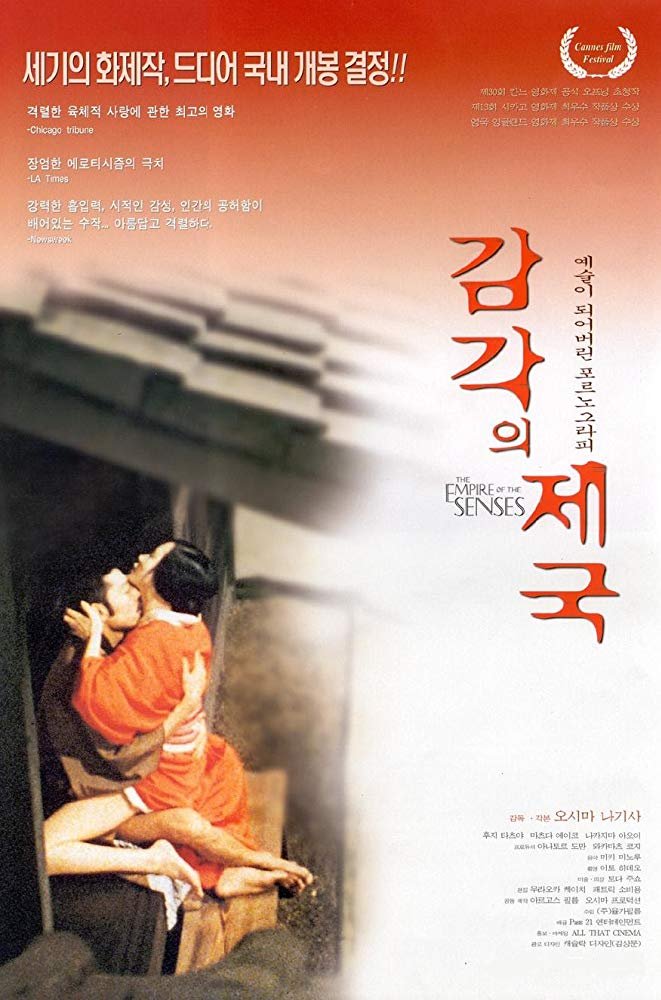
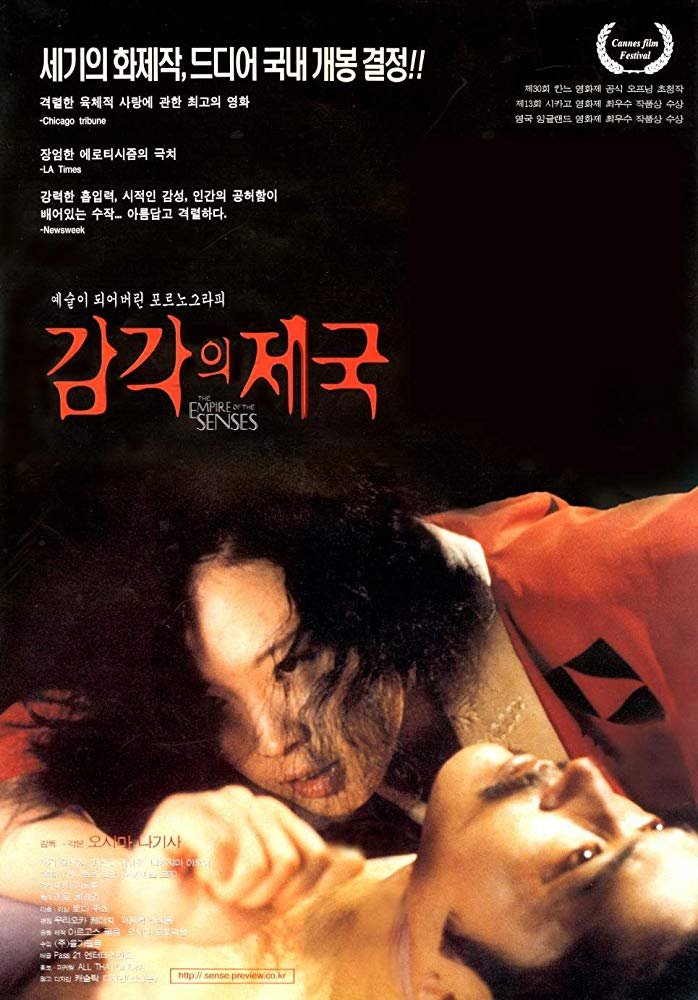
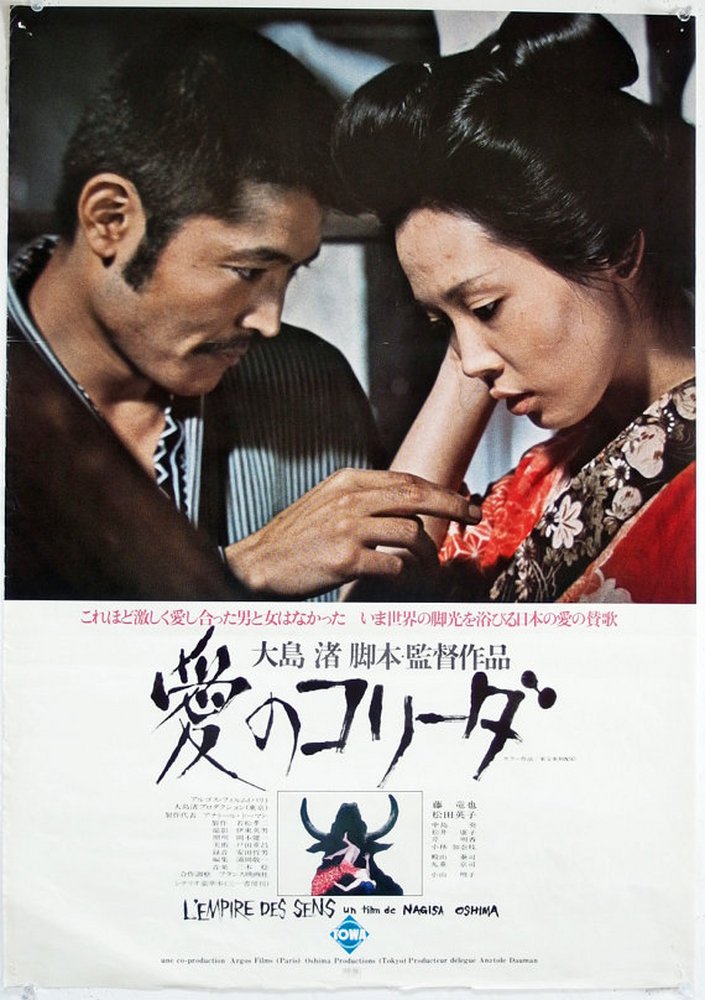
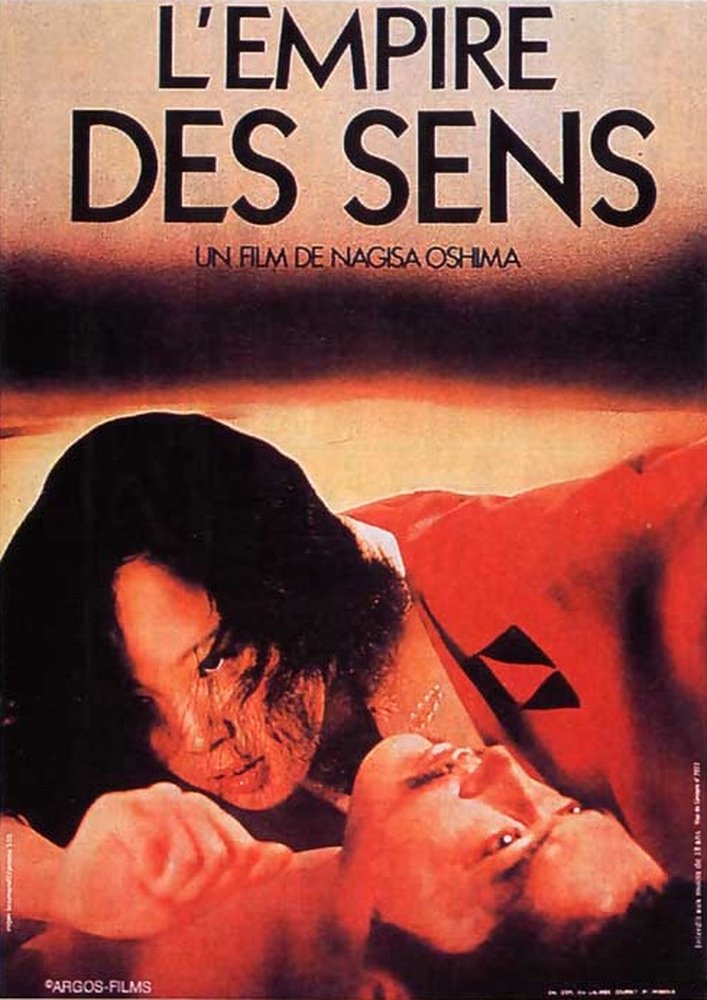
Sada arbeitet als Dienerin und Prostituierte in Tokus Geisha-Haus, um so die Schulden ihres Ehemanns zu bezahlen. Es ist das Jahr 1936, die japanische Bevölkerung bereitet sich auf den Ausbruch des zweiten Weltkriegs vor und die alten Bräuche und Traditionen beginnen langsam zu zerfallen - auch die Dienste der Geishas sind nicht mehr so gefragt. Eines Tages begegnet Sada dem Ehemann von Toku, der Besitzerin des Geisha-Hauses und verliebt sich in ihn. Kichizô, Tokus Mann, fühlt sich ebenfalls von Sada angezogen. Die beiden beginnen eine leidenschaftliche Affäre, die zunehmend obsessiver wird. Sada droht damit, Kichizô zu töten, sollte er noch einmal mit seiner Frau schlafen; Kichizô ist eifersüchtig auf die zahlende Kundschaft der Geliebten. Er beschließt, sie zu heiraten, denn nur so können sie sich wirklich gegenseitig besitzen. Von nun an wird die Außenwelt immer unwichtiger, bedingungslos geben sie sich einander hin und lassen die Grenzen von Konventionen und Tabus dabei hinter sich - Sexualität ist die einzige Form der Kommunikation, die zwischen den beiden möglich ist. Nur Schmerz kann ihre Lust und Ekstase noch steigern, die endgültige Vereinigung ist schließlich nur noch im Tod möglich. Mit seinem Einverständnis erwürgt Sada Kichizô während des Liebesakts und schneidet ihm sein Geschlechtsteil ab...
Nagasi Oshimas bekanntestes Werk, das auf einem realen Ereignis aus dem Jahr 1936 basiert, löste bei der Aufführung auf der Berlinale 1977 einen Skandal auf: der Film wurde als 'harte Pornographie' beschlagnahmt. Im Jahr darauf wurde er allerdings ungekürzt für die Kinos freigegeben und darüber hinaus von der Filmbewertungsstelle mit dem Prädikat 'besonders wertvoll' ausgezeichnet. Bis heute gilt der Film als eines der radikalsten Werke der Filmgeschichte, das Sexualität und Obsession bis ins Detail auslotet.
Weiterlesen »
Sada works as a servant and prostitute in Toku's geisha house to pay her husband's debts. It is the year 1936, the Japanese population is preparing for the outbreak of the Second World War and the old customs and traditions are slowly beginning to decay - even the services of the geisha are no longer in such demand. One day, Sada meets Toku's husband, the owner of the geisha house, and falls in love with him. Kichizô, Toku's husband, is also attracted to Sada. The two begin a passionate affair that becomes increasingly obsessive. Sada threatens to kill Kichizô if he sleeps with his wife again; Kichizô is jealous of the paying clientele of his beloved. He decides to marry her, because that's the only way they can really own each other. From now on, the outside world becomes less and less important, they give themselves unconditionally to each other and leave the boundaries of conventions and taboos behind - sexuality is the only form of communication that is possible between the two. Only pain can increase their lust and ecstasy, the final union is finally only possible in death. With his consent, Sada strangles Kichizô during the act of love and cuts off his genitals...
Nagasi Oshima's best-known work, based on a real-life event from 1936, caused a scandal when it was shown at the 1977 Berlinale: the film was confiscated as 'hard pornography'. The following year, however, it was released for cinemas in its entirety and was also awarded the title 'particularly valuable' by the film rating board. To this day, the film is considered one of the most radical works in film history, which explores sexuality and obsession down to the last detail.
More »