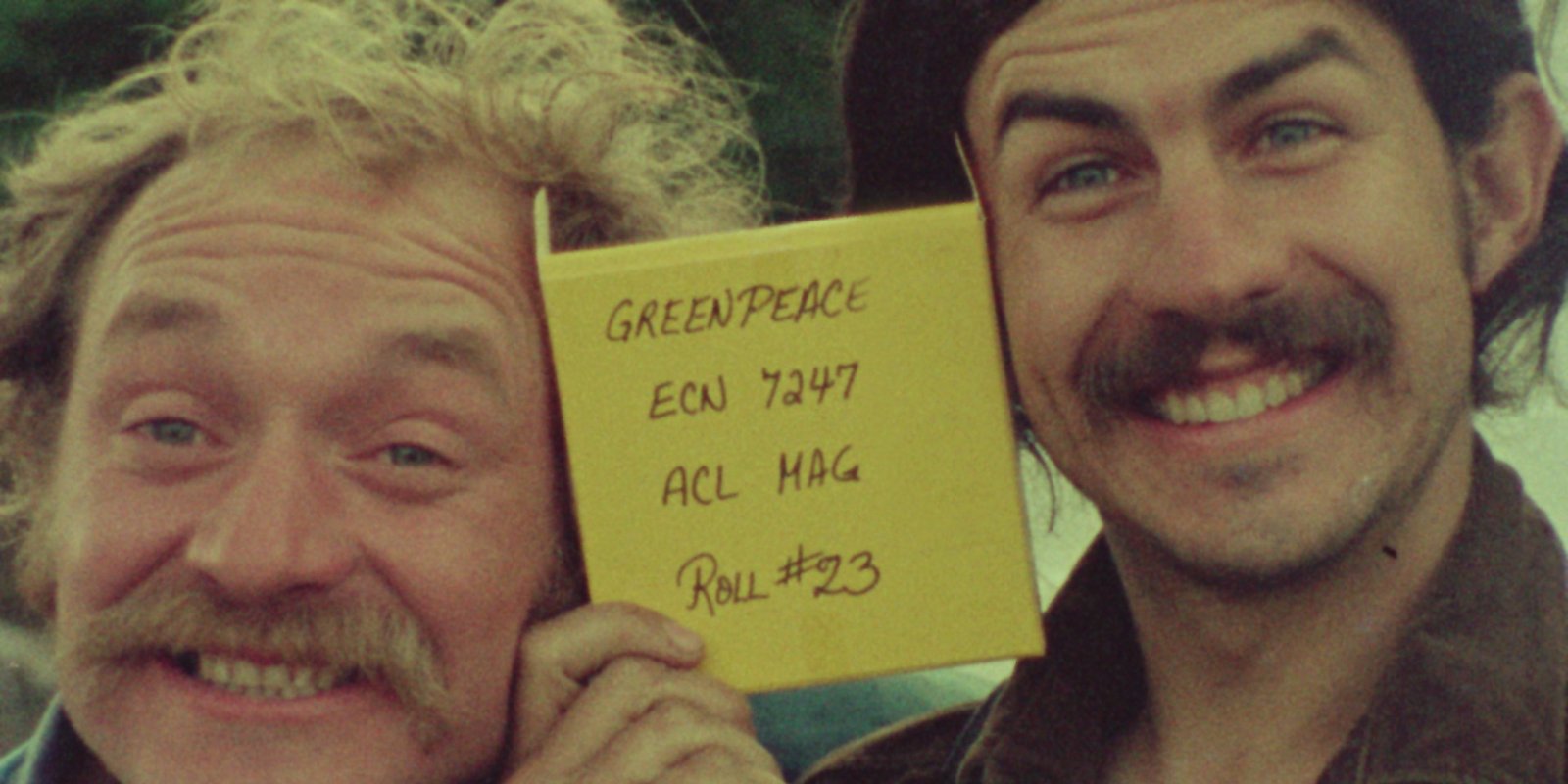
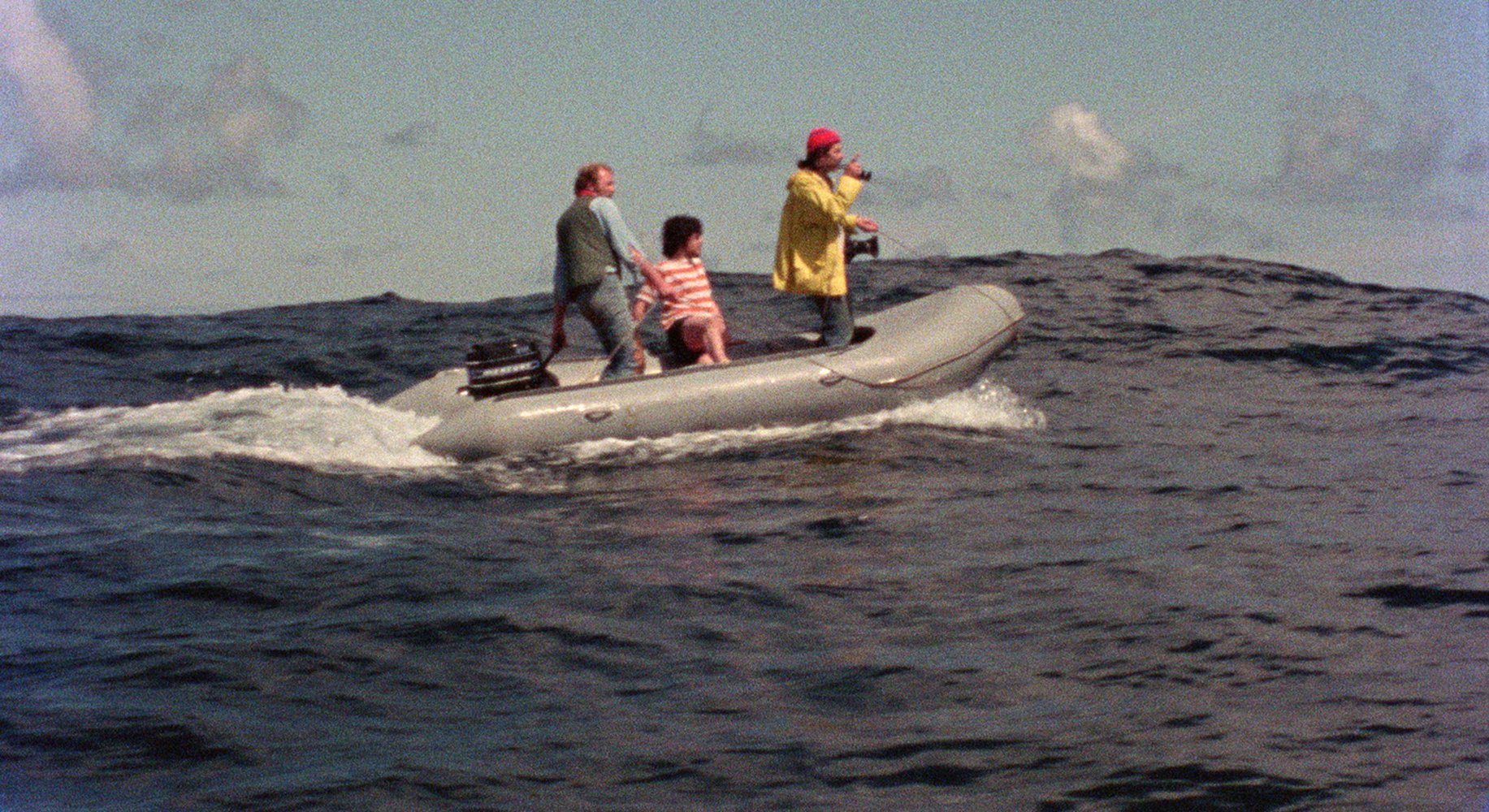
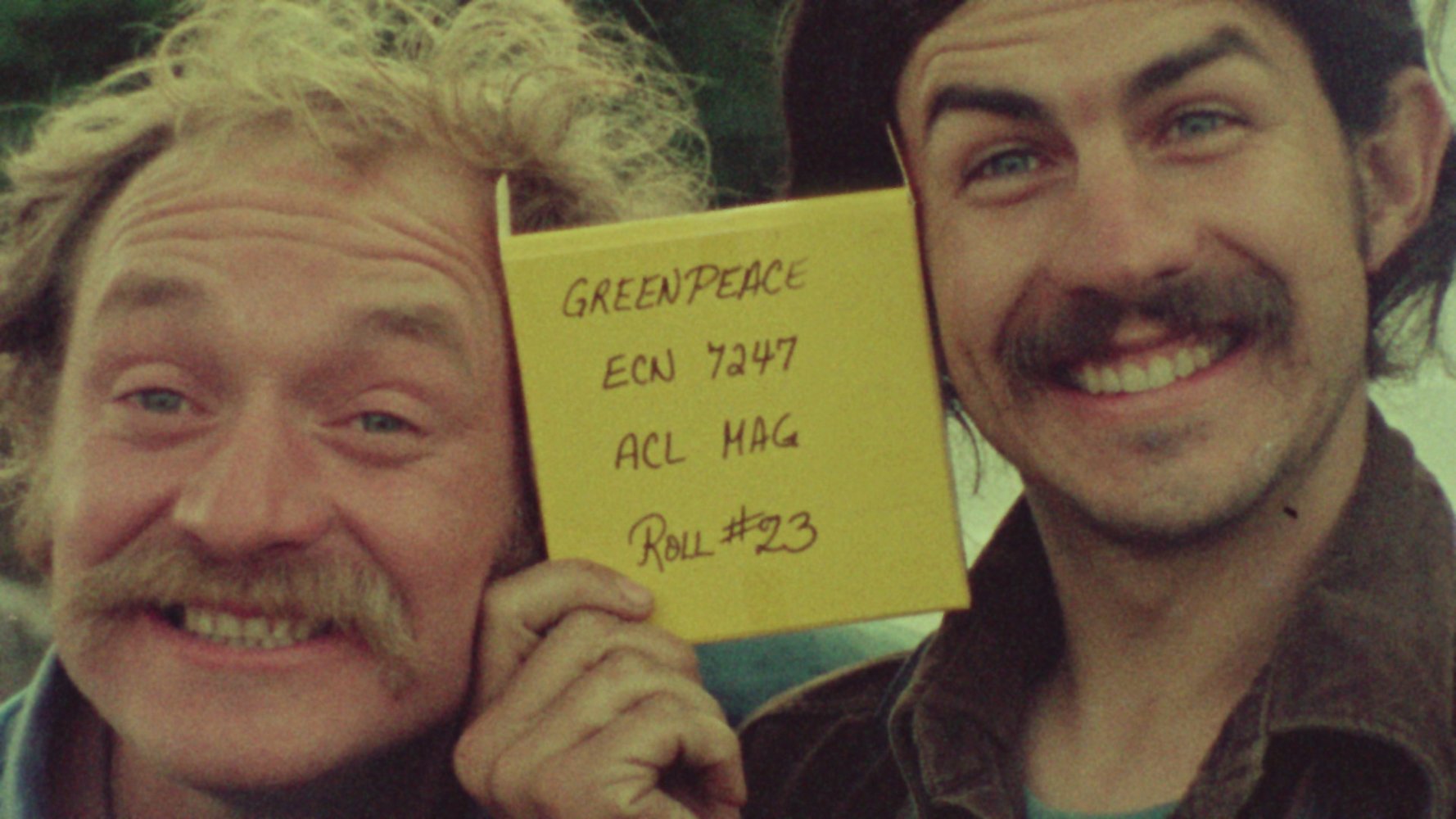
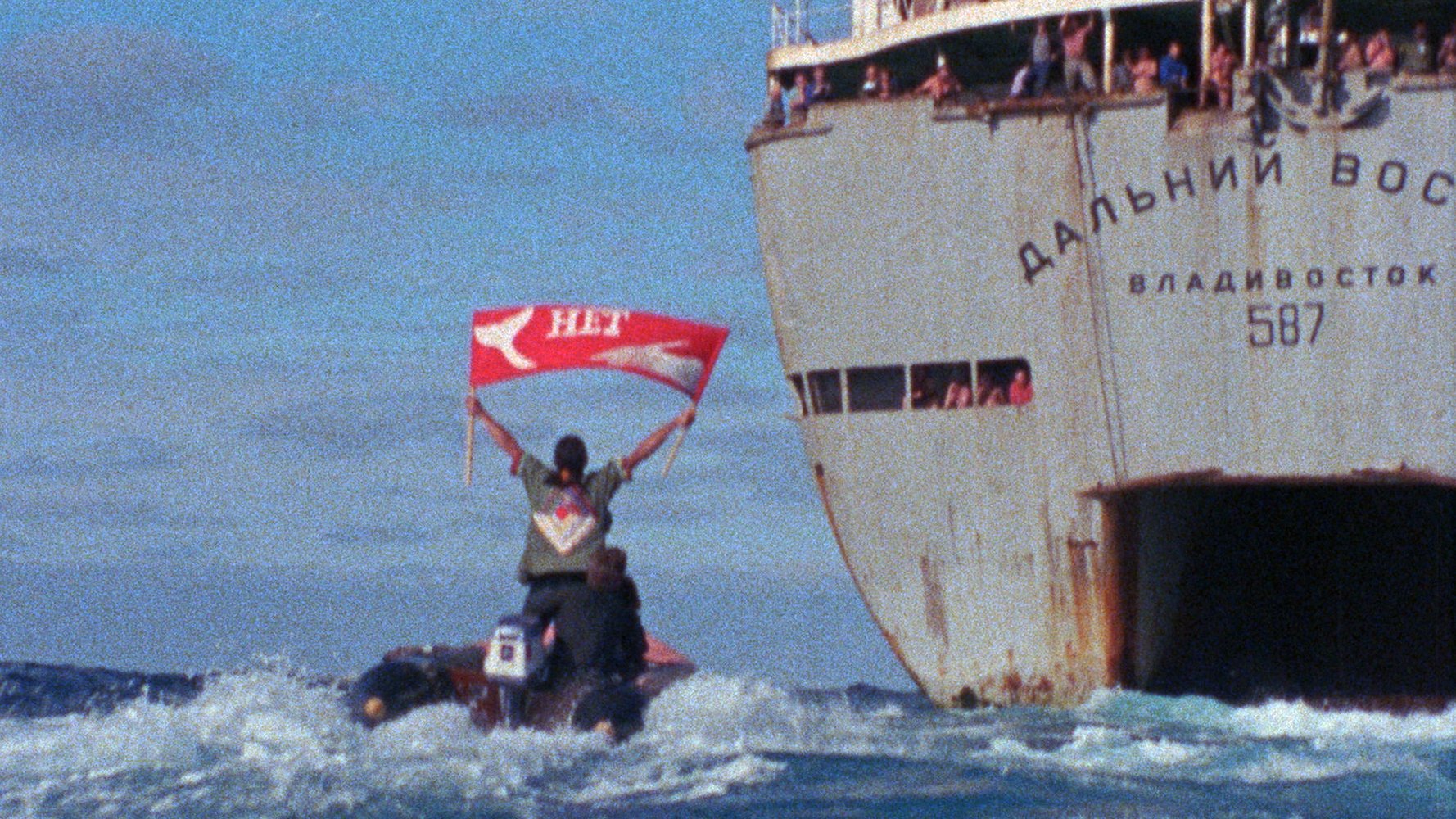
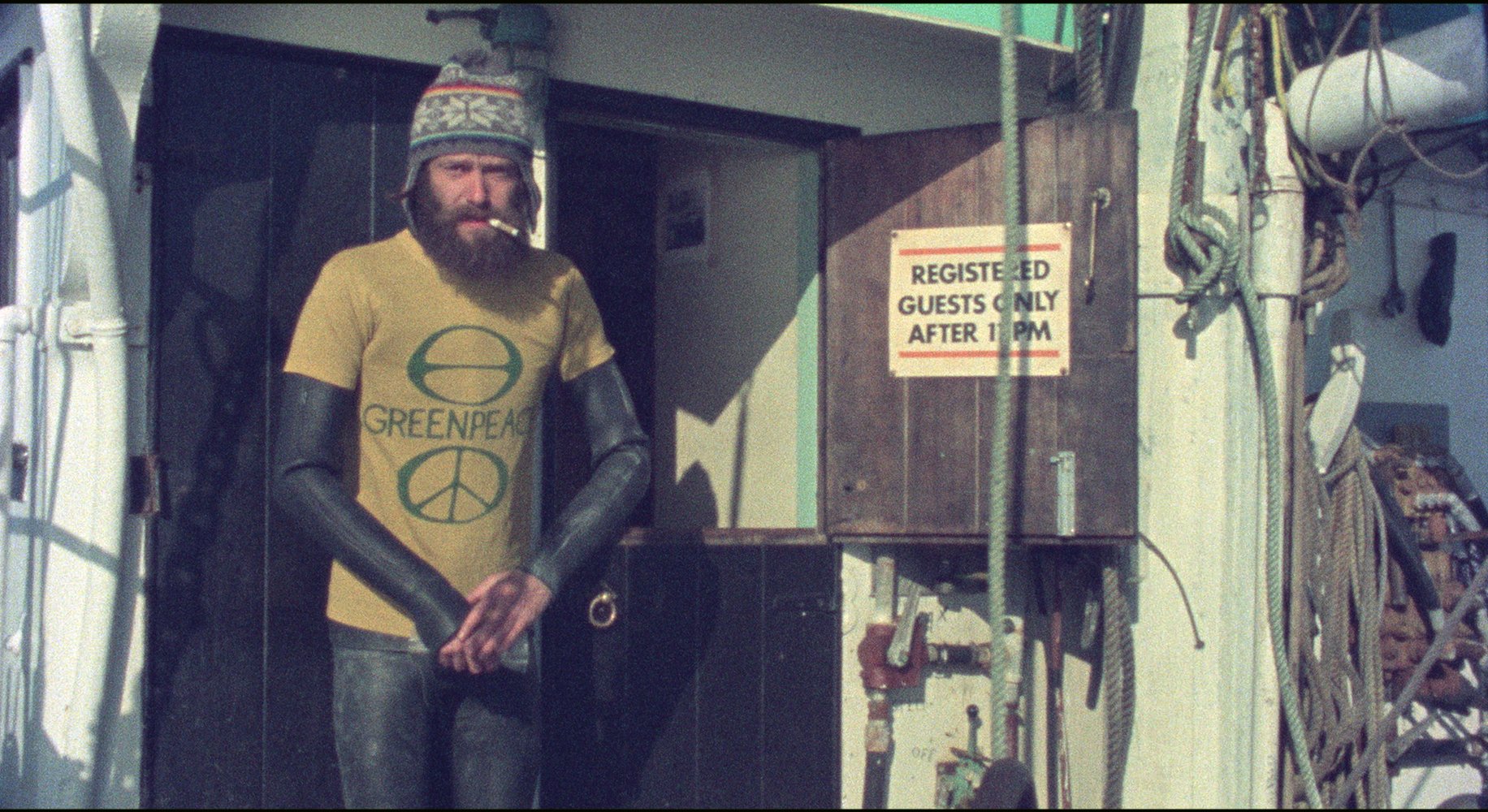
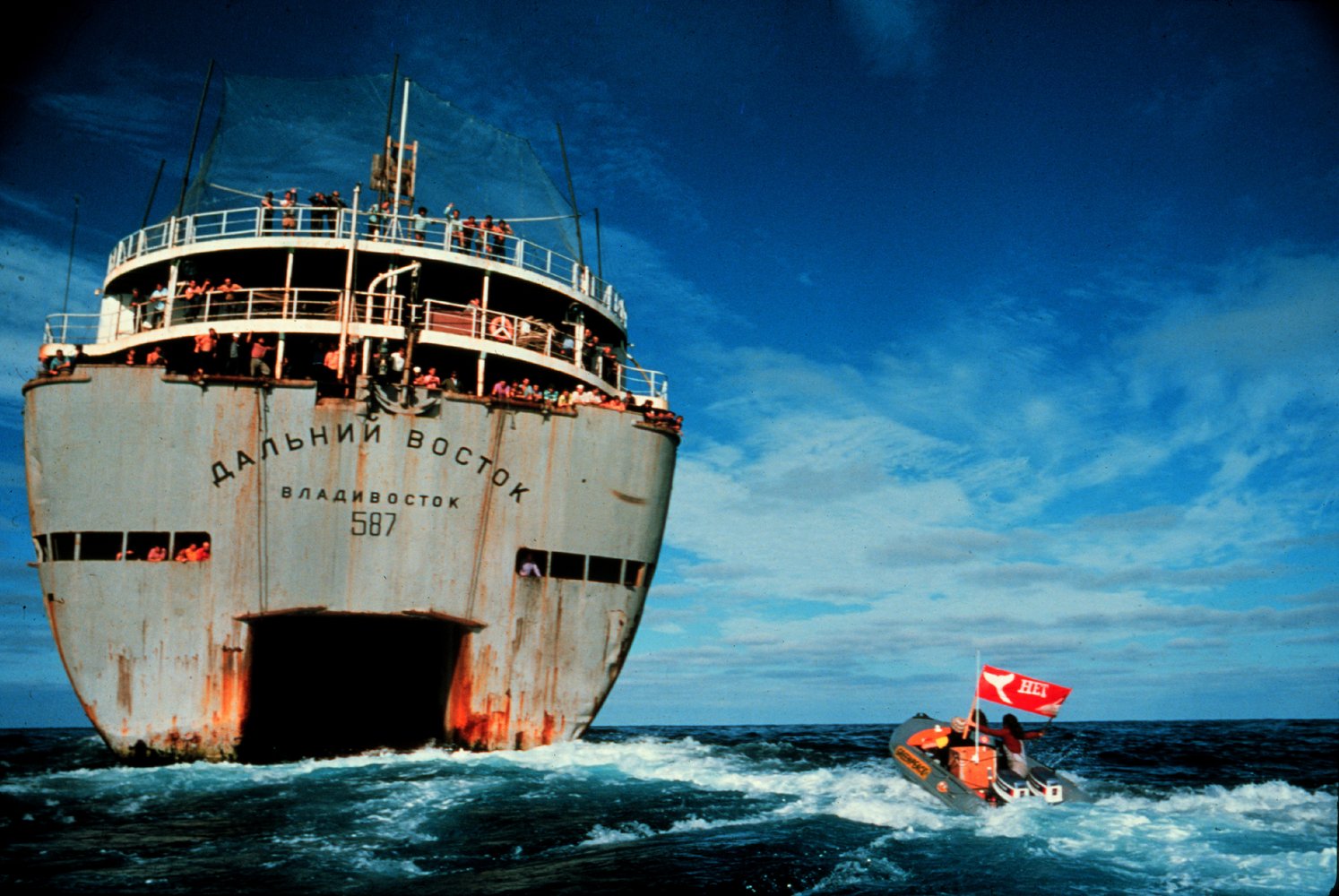
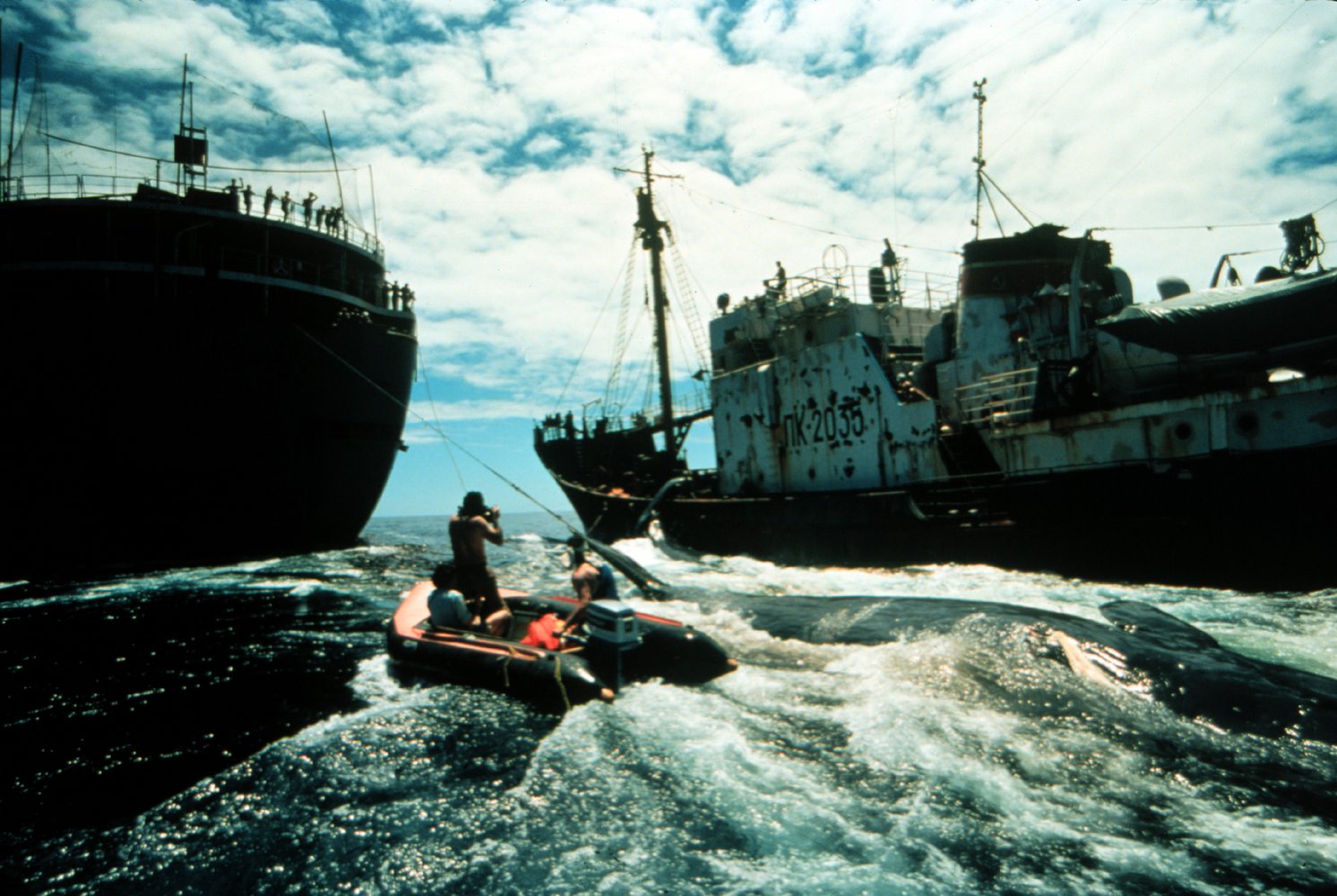
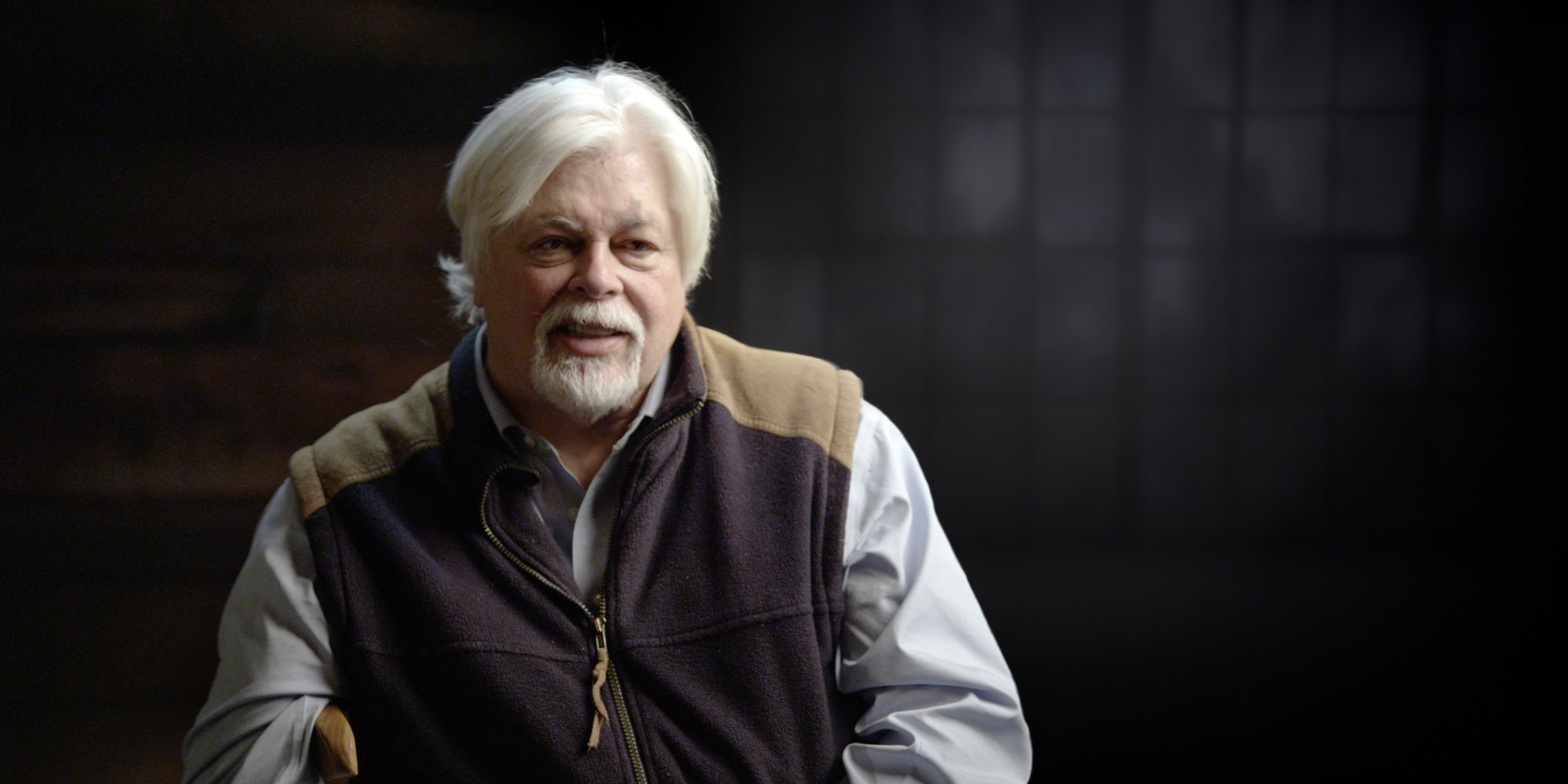
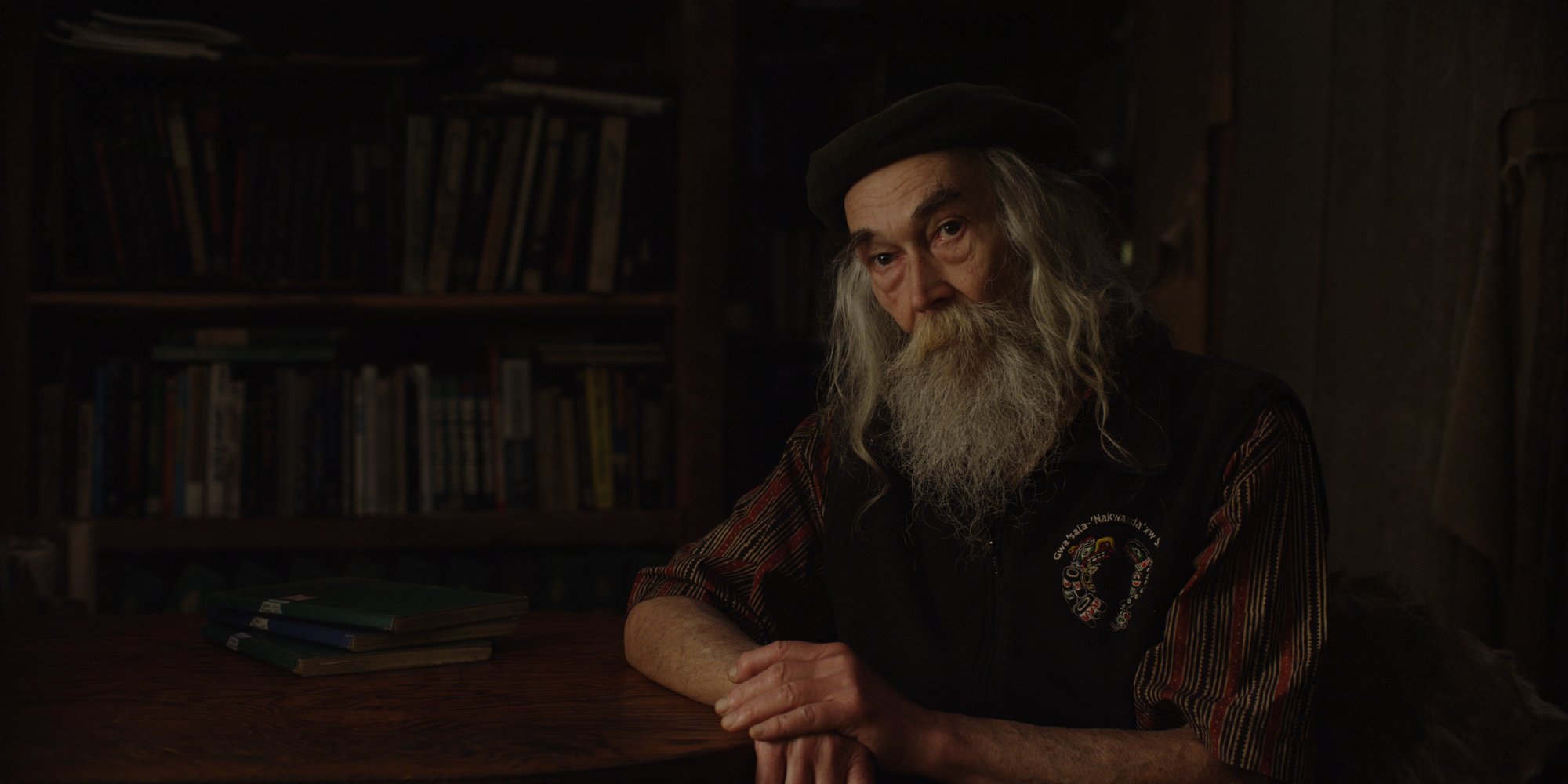
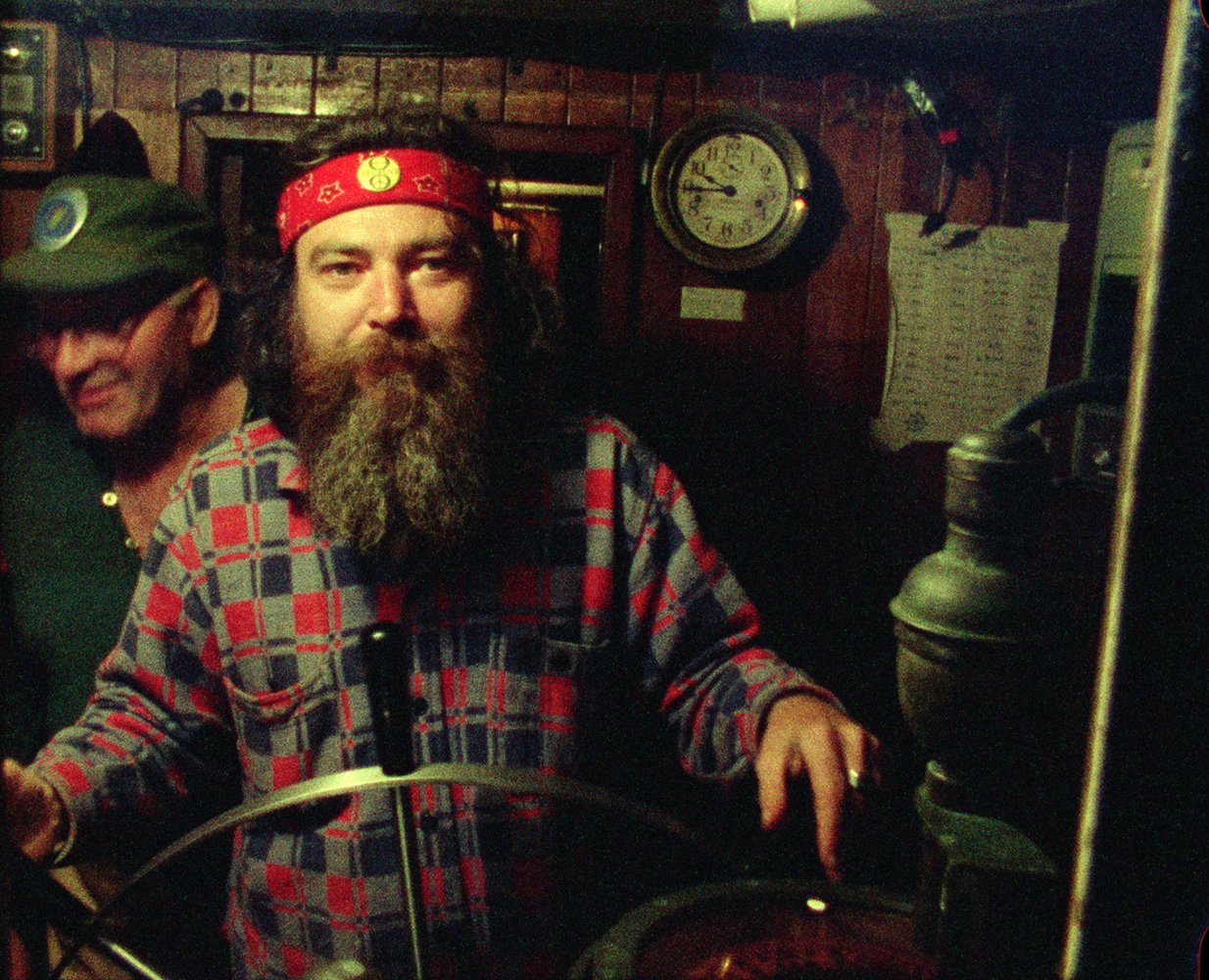
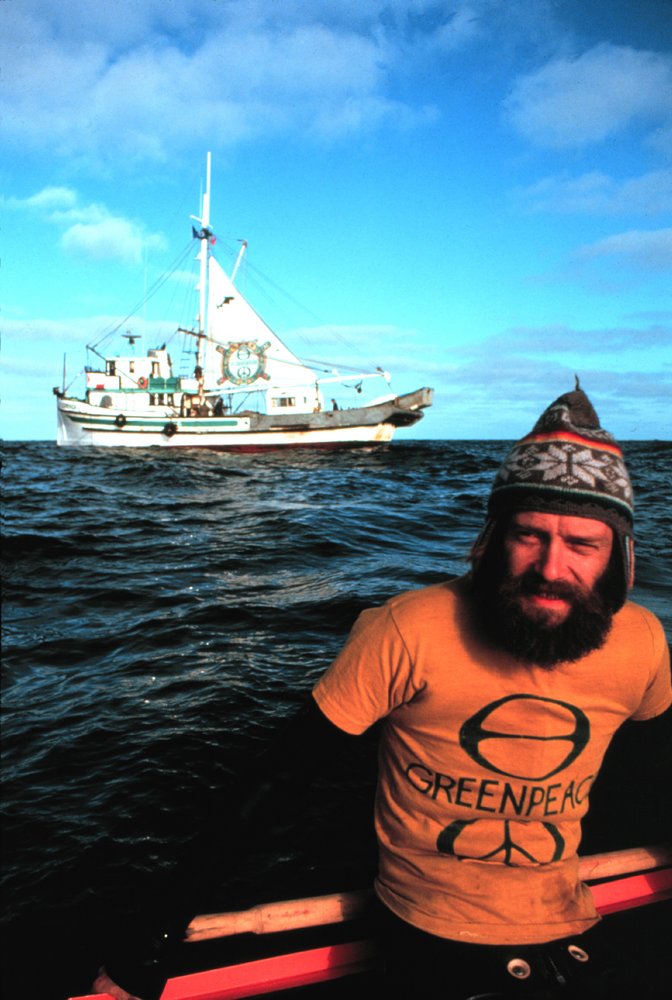
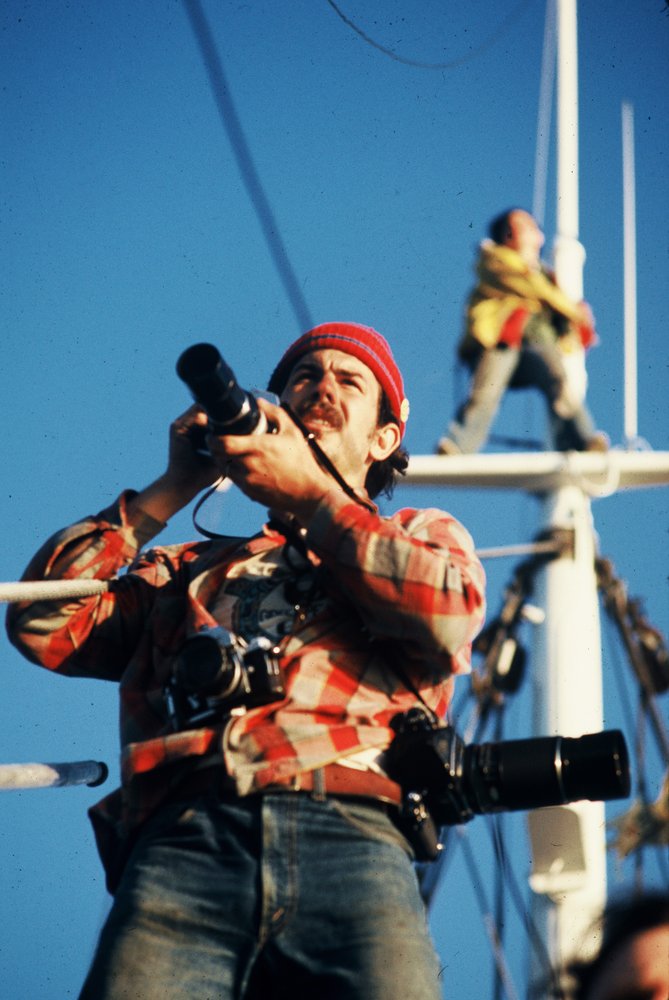
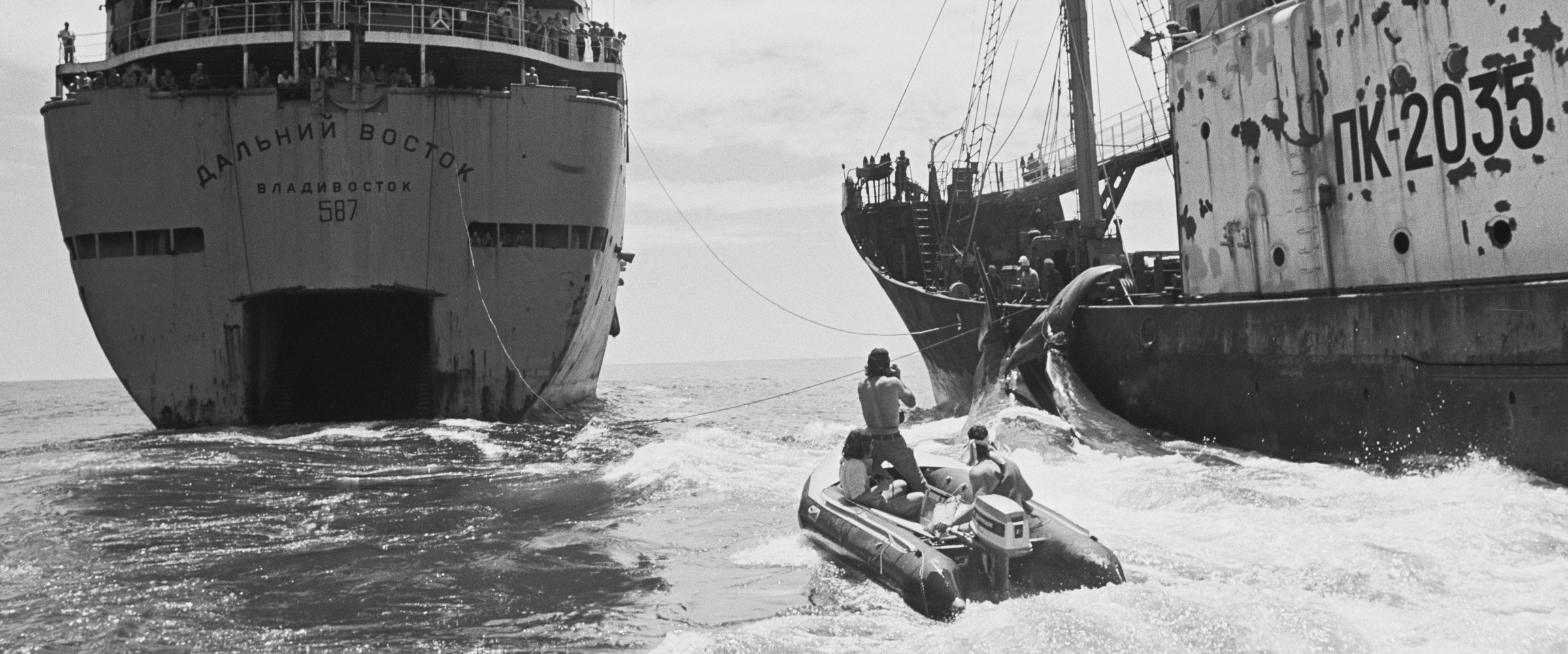
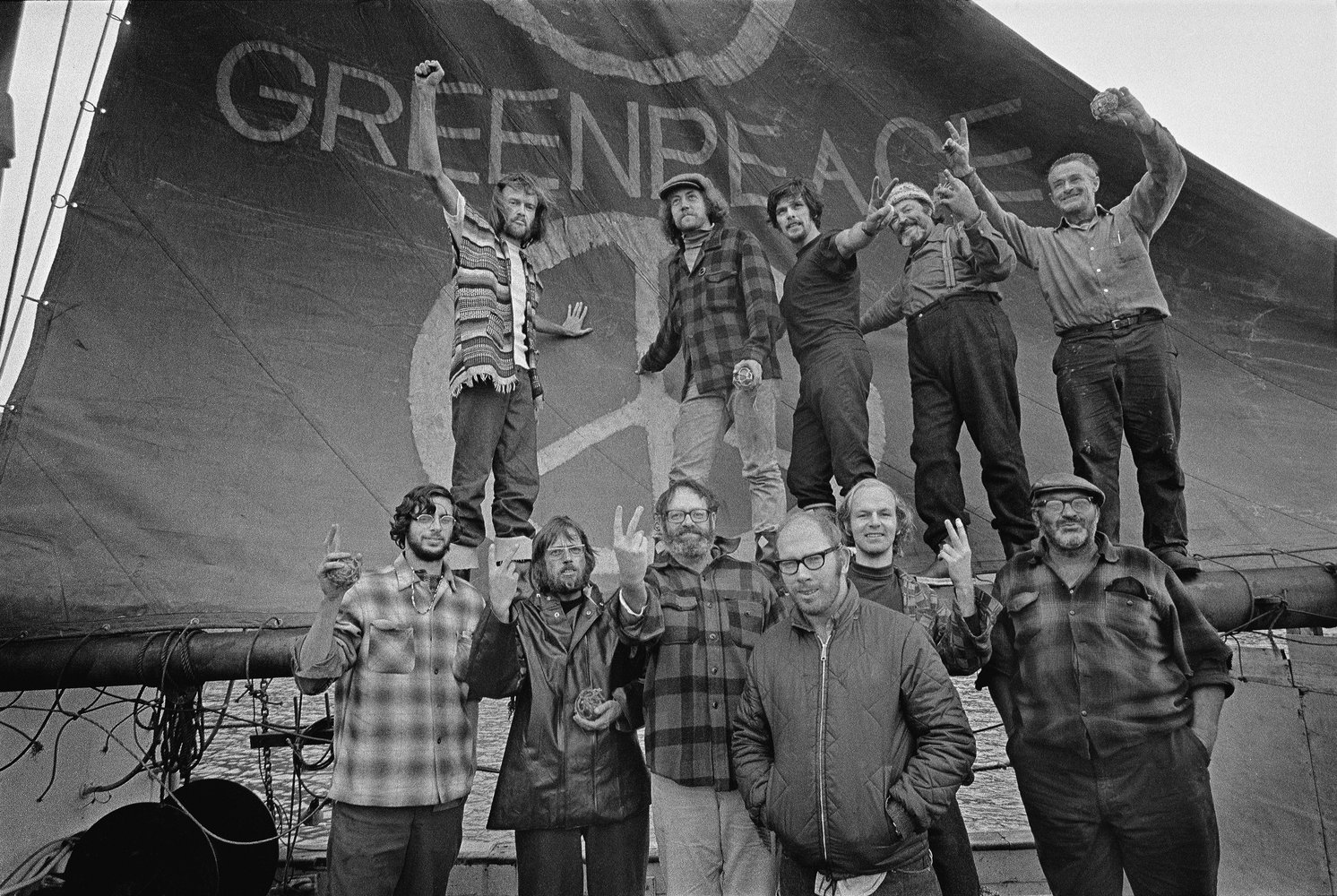
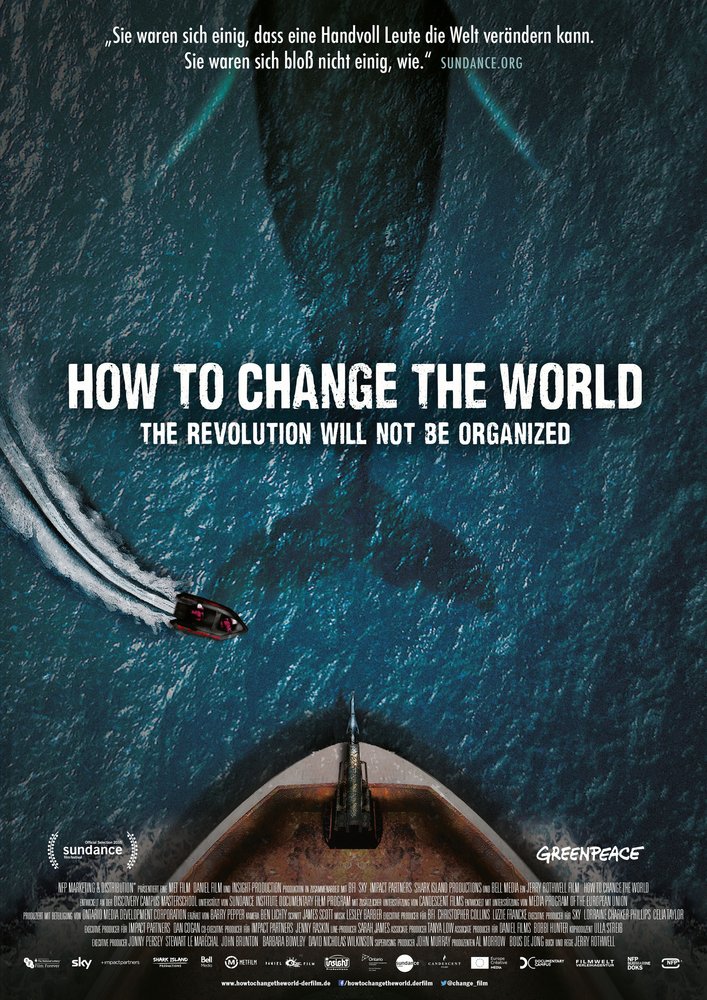
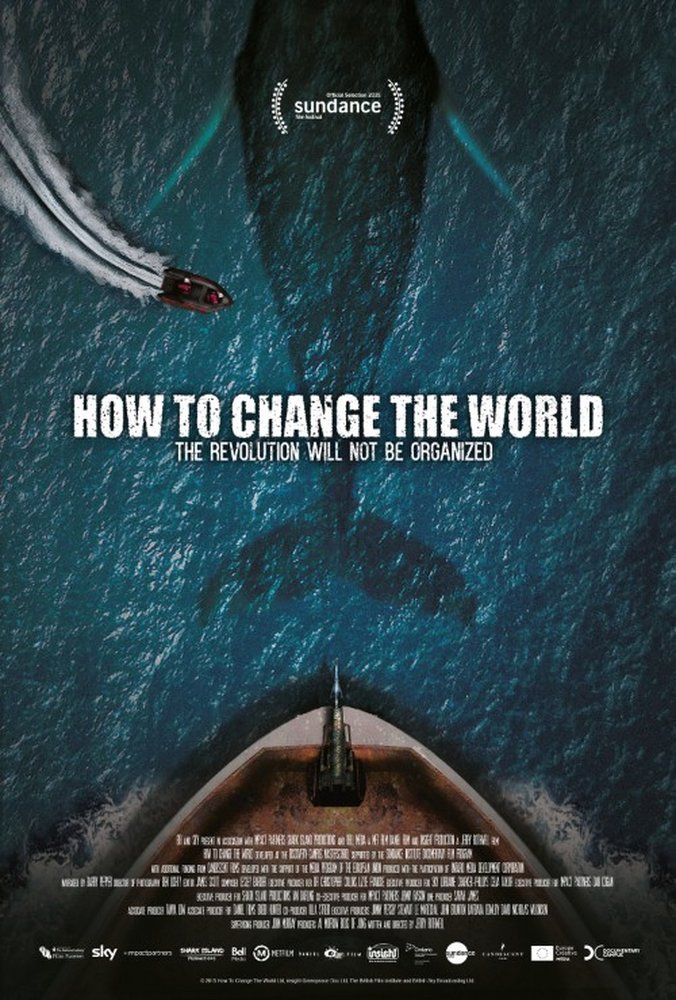
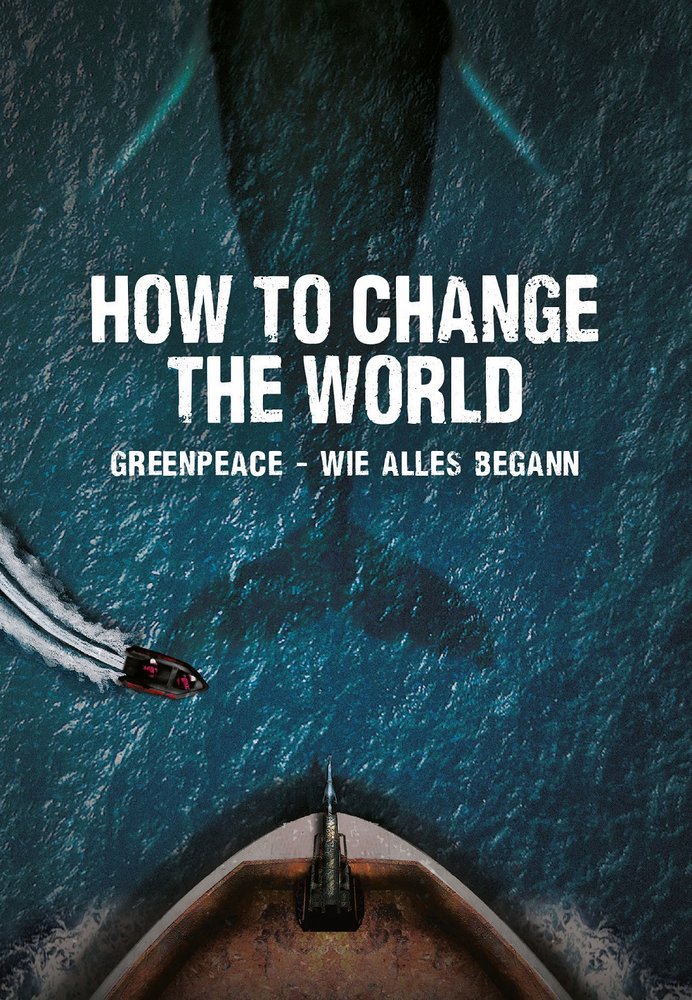
Im Jahr 1971 fährt eine Handvoll junger Leute mit einem kleinen Schiff mitten in eine Atomtest-Zone vor der Küste Alaskas - zu einer Protestaktion, die wie ein Blitzschlag die ganze Welt elektrisiert und nachhaltig verändert, denn sie markiert die Geburtsstunde von 'Greenpeace' und damit der gesamten modernen Umweltbewegung. Es war der planlose Start einer Revolution, die seitdem längst den Mainstream in der Mitte der Gesellschaft erreicht hat. Die Gründer von 'Greenpeace' waren sich der Macht der Bilder für politische Kampagnen von Anfang an bewusst: Sie zeichneten alle ihre Aktionen auf 16mm-Film auf. Für 'How to Change the World' konnte sich Regisseur Jerry Rothwell deshalb aus einem riesigen Archiv unglaublicher, bisher unveröffentlichter Filmaufnahmen bedienen. Er erzählt die Geschichte der frühen Jahre von 'Greenpeace', vom grenzenlosen Idealismus und der Aufbruchsstimmung der ersten Stunde, bis zu den inneren Konflikten, die den rasanten Aufstieg zu einer der größten Non-Profit-Organisationen der Welt begleiteten.
Weiterlesen »
In 1971, a handful of young people took a small ship to the middle of a nuclear test zone off the coast of Alaska - for a protest action that electrified and permanently changed the whole world like a lightning bolt, because it marked the birth of 'Greenpeace' and thus of the entire modern environmental movement. It was the haphazard start of a revolution that has long since reached the mainstream in the middle of society. The founders of 'Greenpeace' were aware of the power of images for political campaigns from the very beginning: they recorded all their actions on 16mm film. For 'How to Change the World', director Jerry Rothwell was therefore able to draw on a huge archive of incredible, previously unreleased film footage. He tells the story of the early years of 'Greenpeace', from the boundless idealism and spirit of optimism of the first hour, to the inner conflicts that accompanied the rapid rise to one of the largest non-profit organizations in the world.
Automatically translated with AI