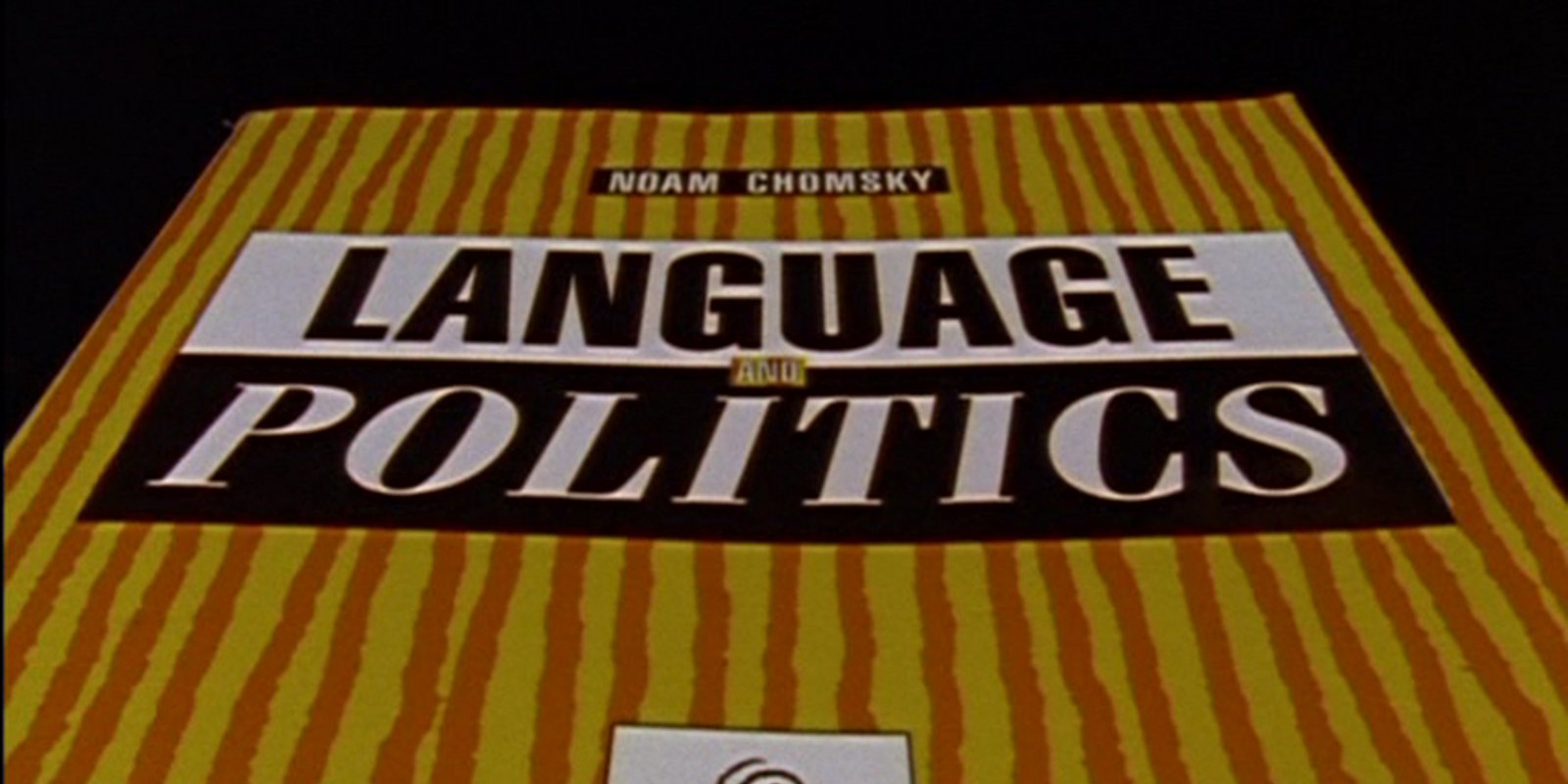
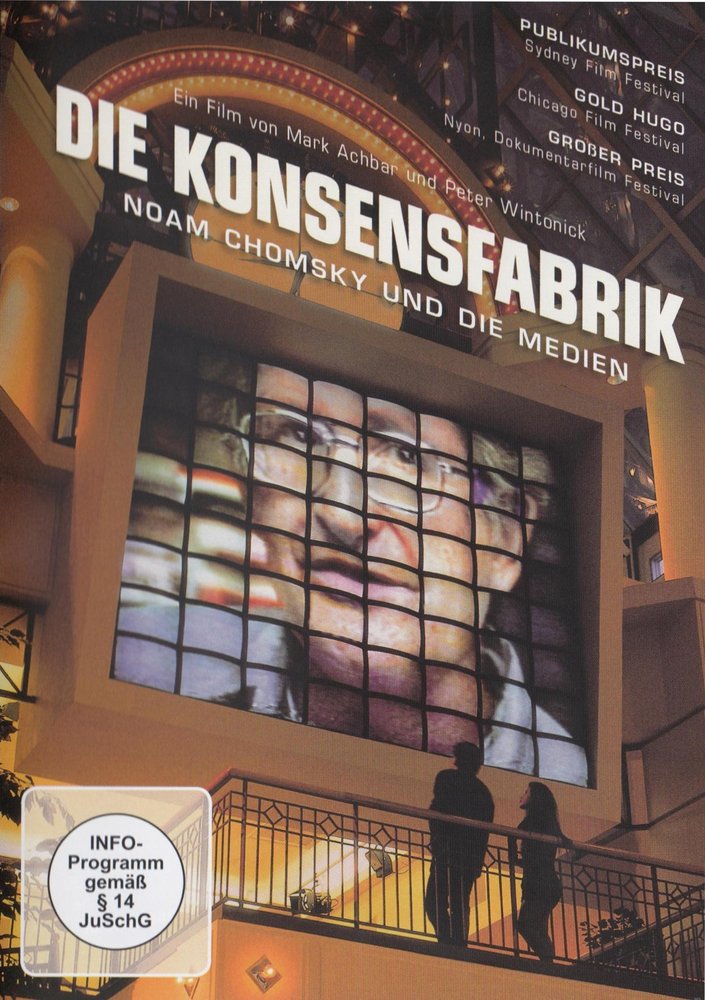
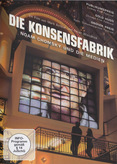
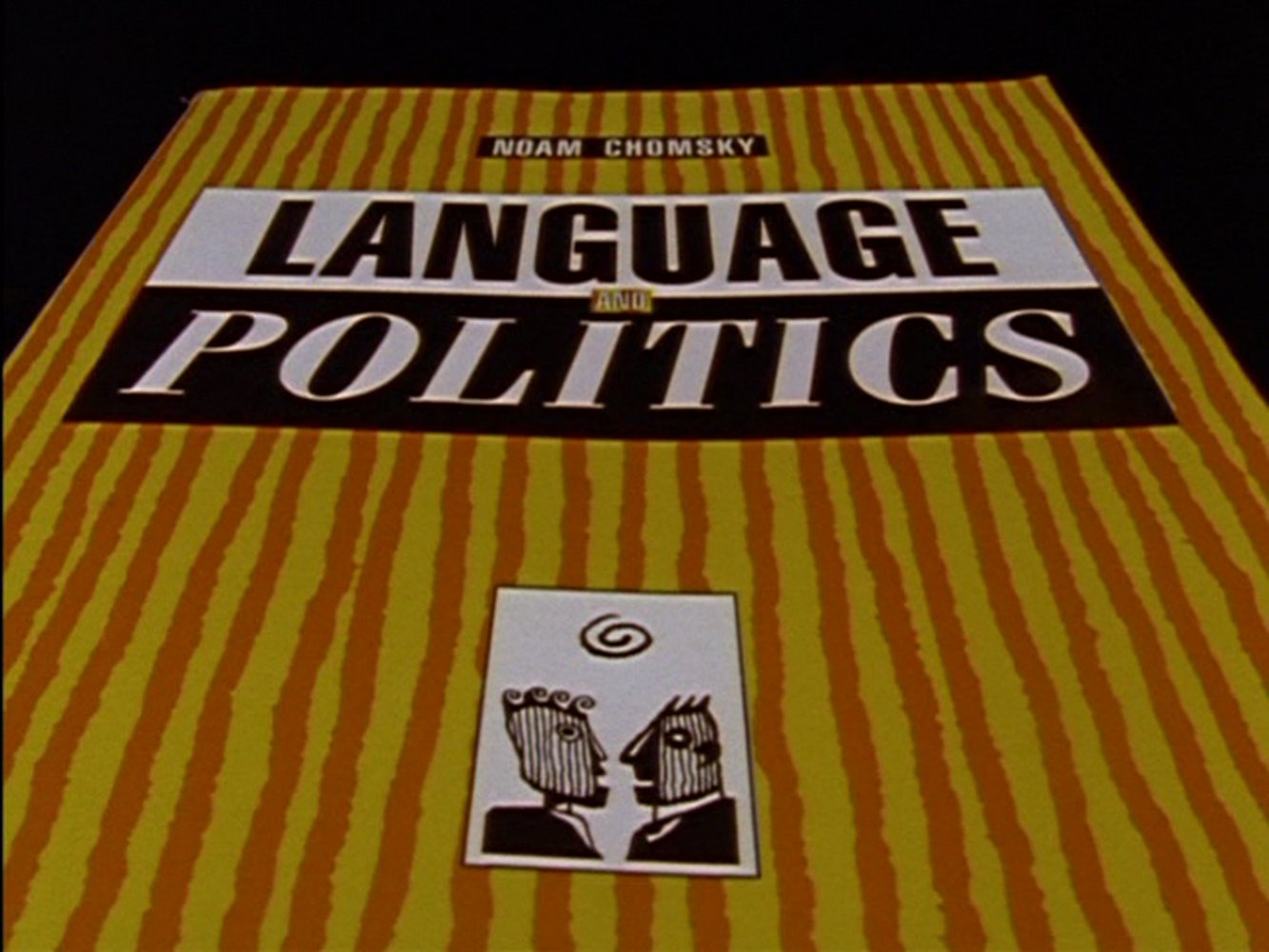
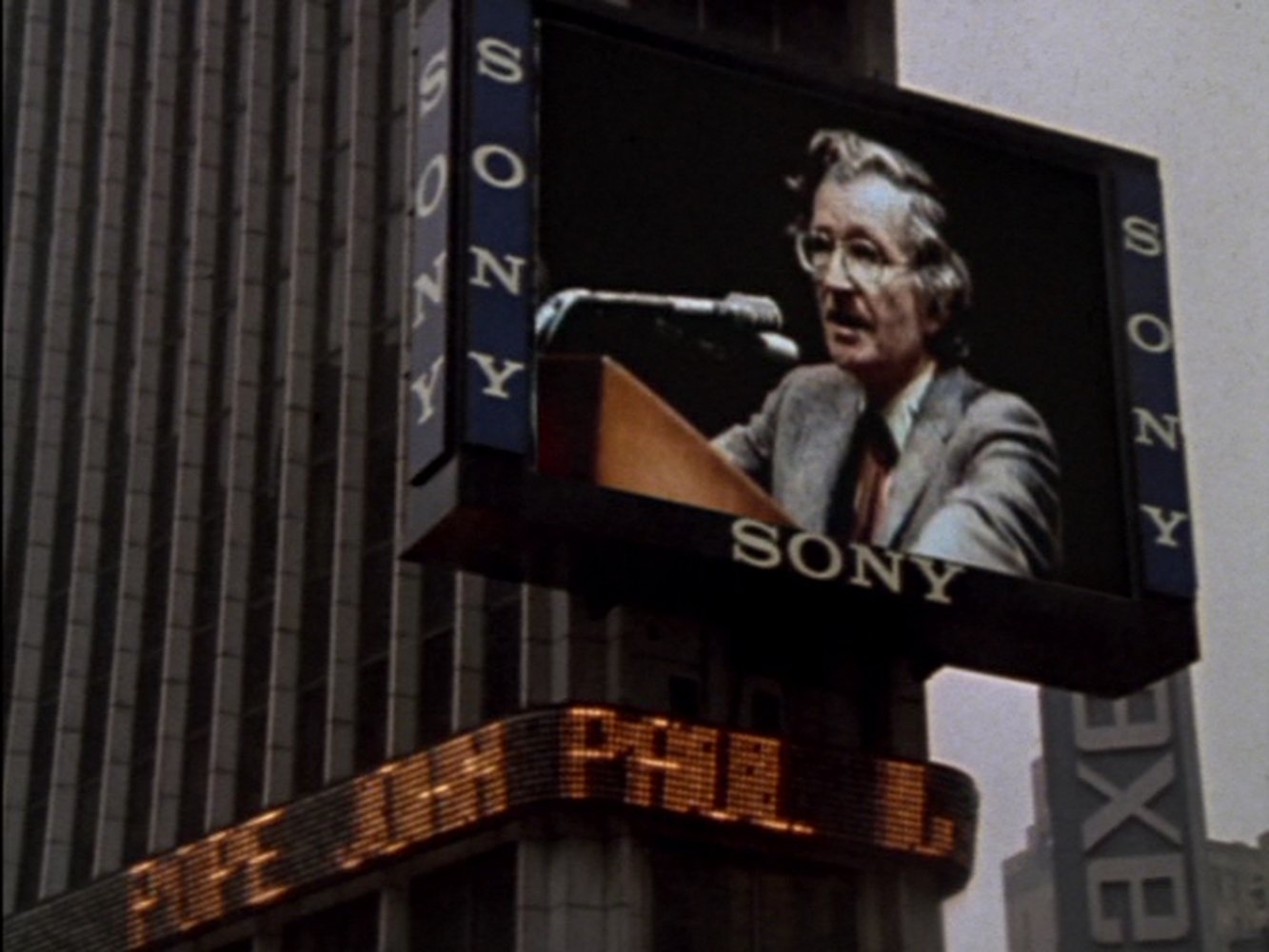
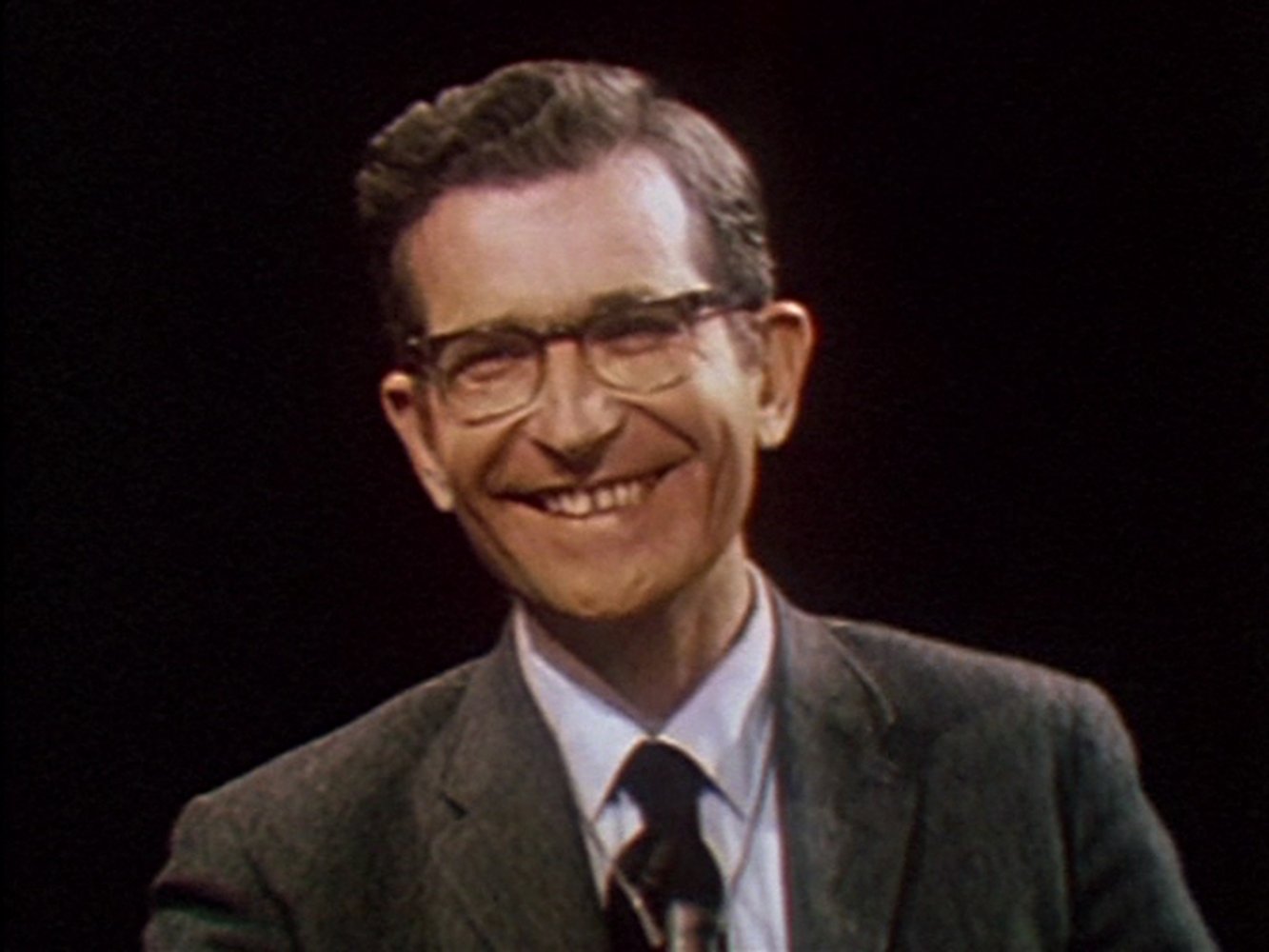
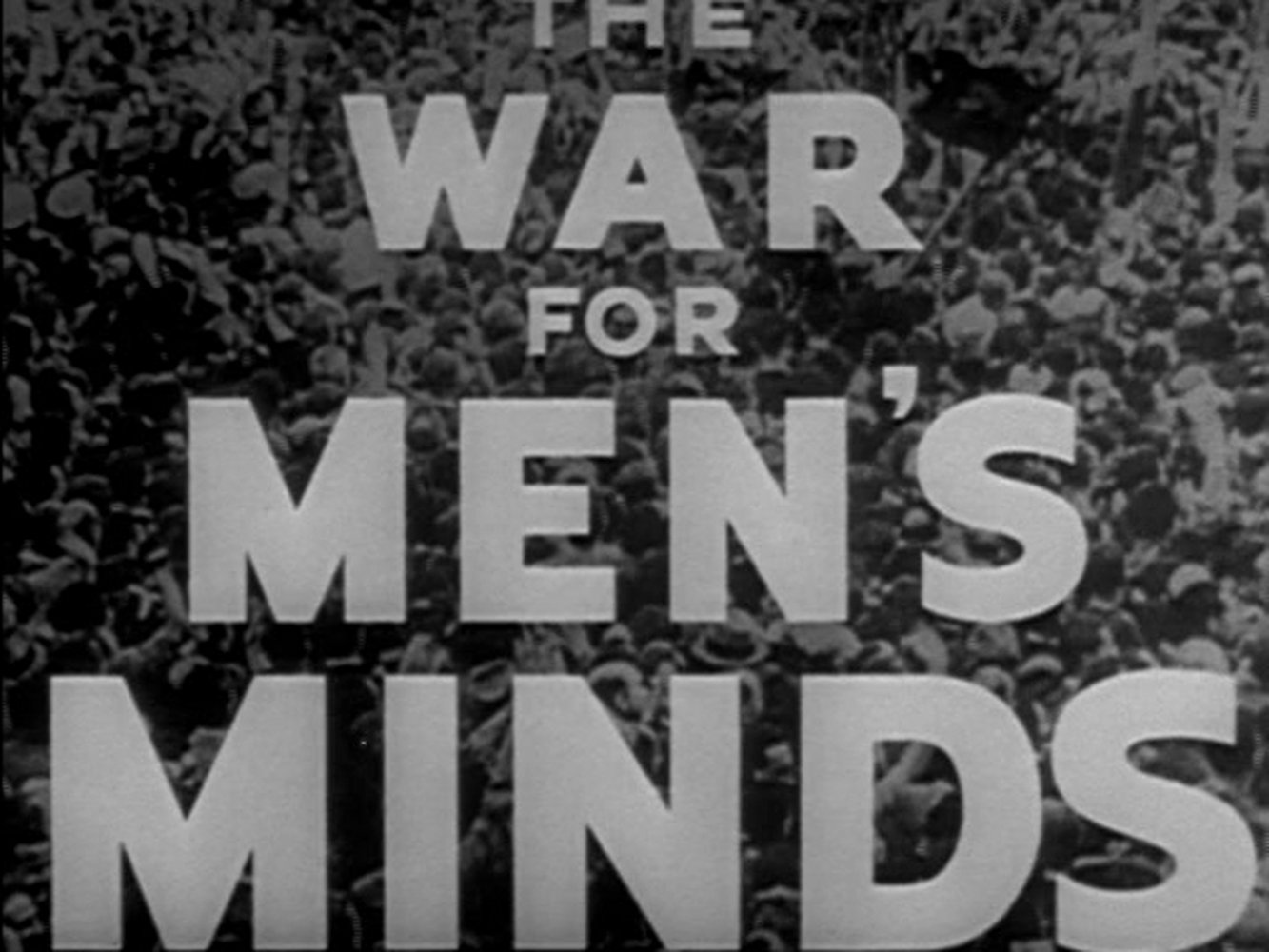
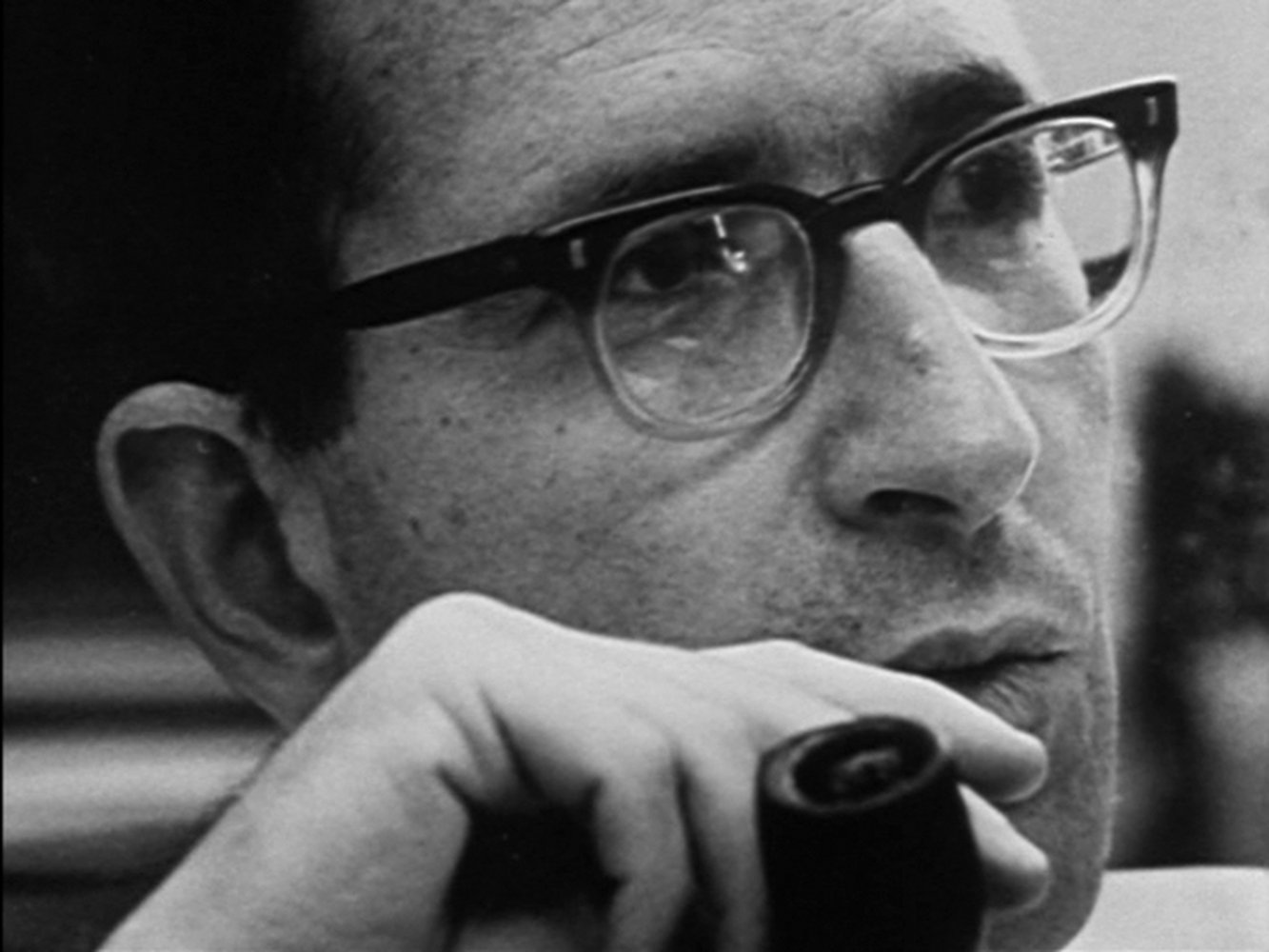
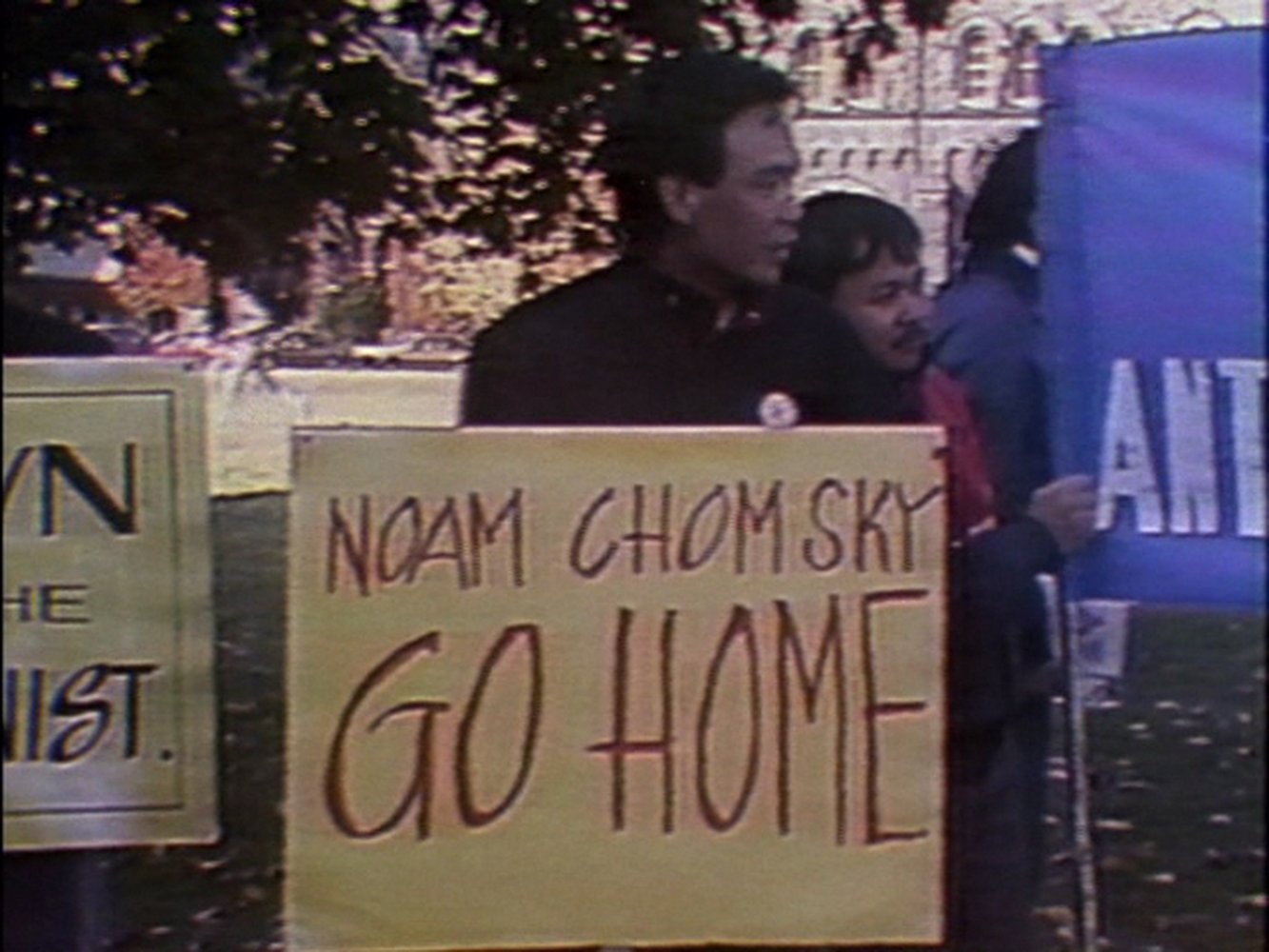
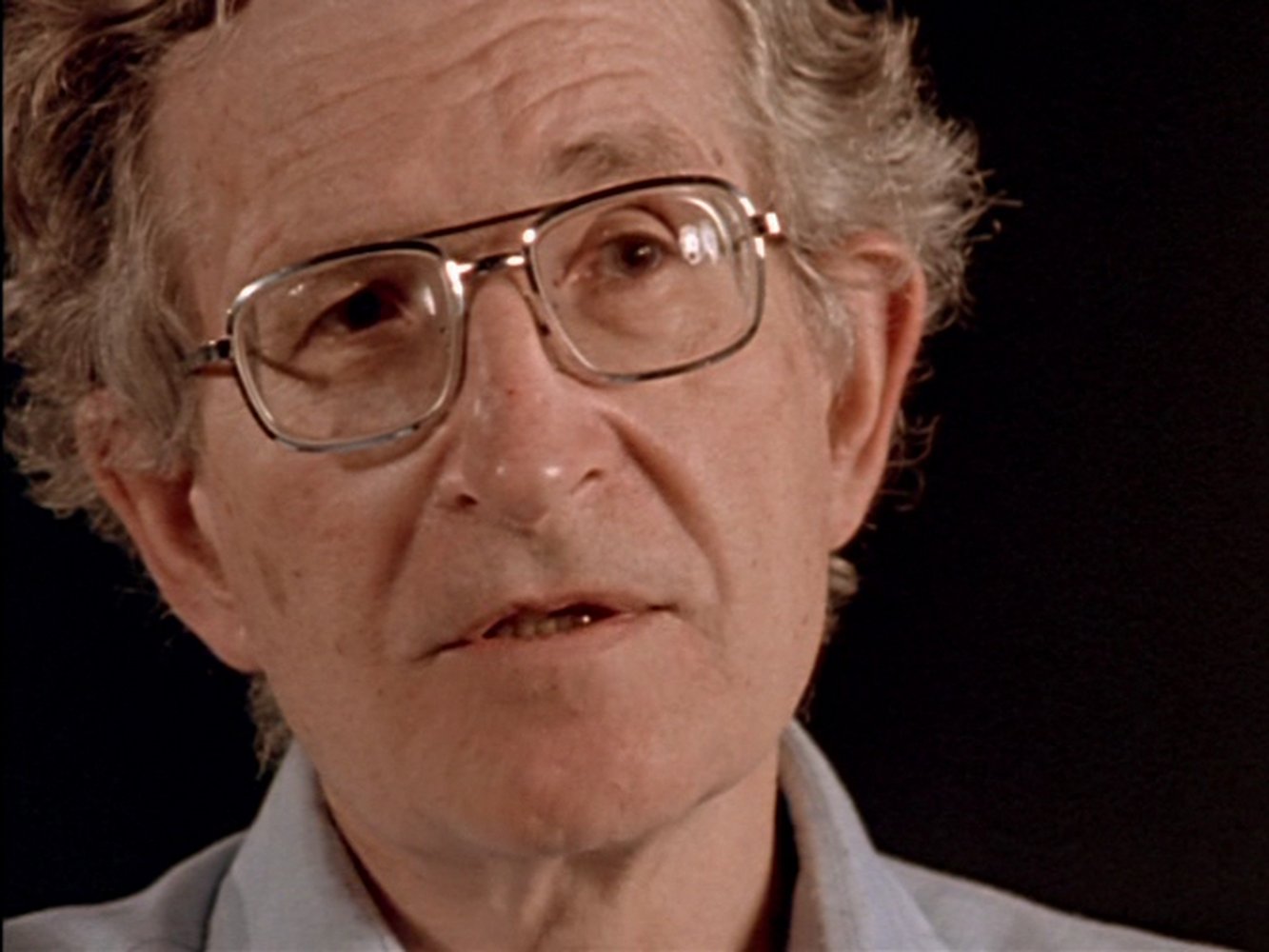
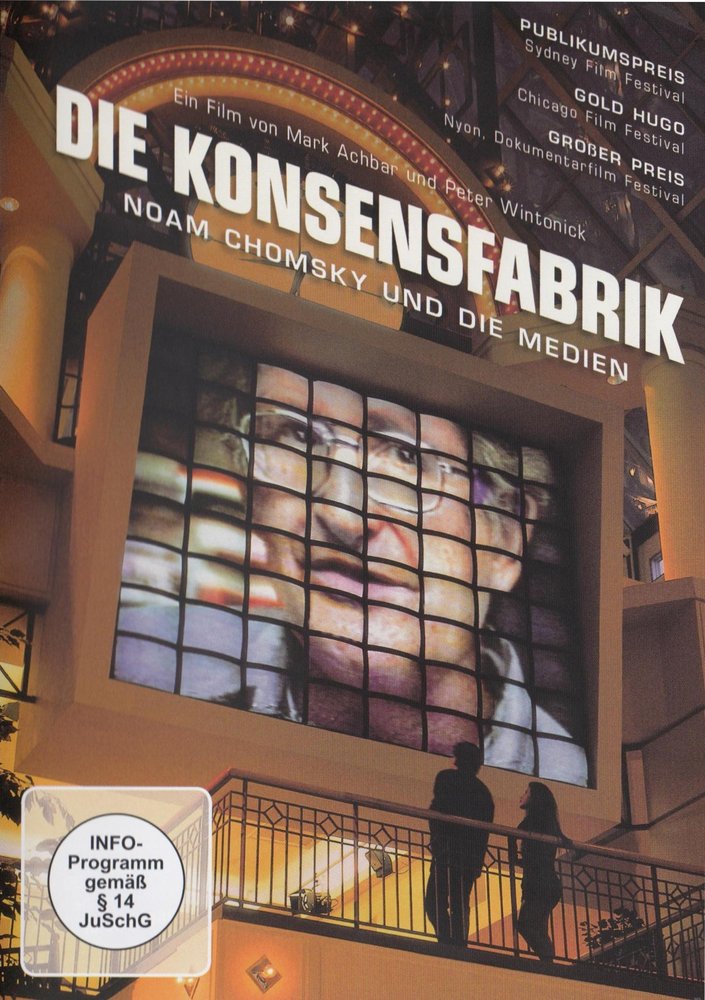
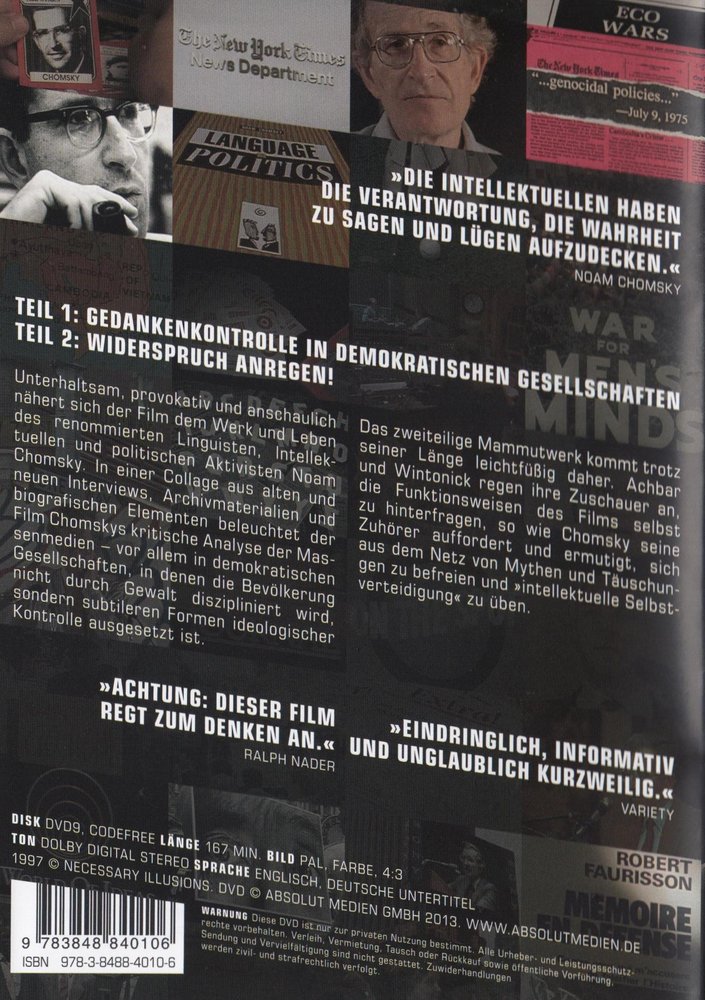
Unterhaltsam, provokativ und anschaulich nähert sich der Dokumentarfilm 'Die Konsensfabrik' (1992) dem Werk und Leben des renommierten Linguisten, Intellektuellen und politischen Aktivisten Noam Chomsky. In einer Collage aus alten und neuen Interviews, Archivmaterialien und biografischen Elementen beleuchtet er Chomskys kritische Analyse der Massenmedien - vor allem in demokratischen Gesellschaften, in denen die Bevölkerung nicht durch Gewalt diszipliniert wird, sondern subtileren Formen ideologischer Kontrolle ausgesetzt ist. Das zweiteilige Mammutwerk kommt trotz seiner Länge leichtfüßig daher. Die Regisseure Mark Achbar und Peter Wintonick regen ihre Zuschauer an, die Funktionsweisen des Films selbst zu hinterfragen, so wie Chomsky seine Zuhörer auffordert und ermutigt, sich aus dem Netz von Mythen und Täuschungen zu befreien und 'intellektuelle Selbstverteidigung' zu üben.
Teil 1 'Gedankenkontrolle in einer demokratischen Gesellschaft':
01. Gedankenkontrolle
02. Spracherwerb
03. Sprache und Kreativität
04. Pressefreiheit
05. Die Konsens-Fabrik
06. Biografisches
07. Die Funktion der US-Medien
08. Medien und Geschichtsschreibung
09. Den Unterdrückten helfen
10. Medienkriege
11. Medien und Werbung
12. Medien und Unterhaltung
13. Ost-Timor
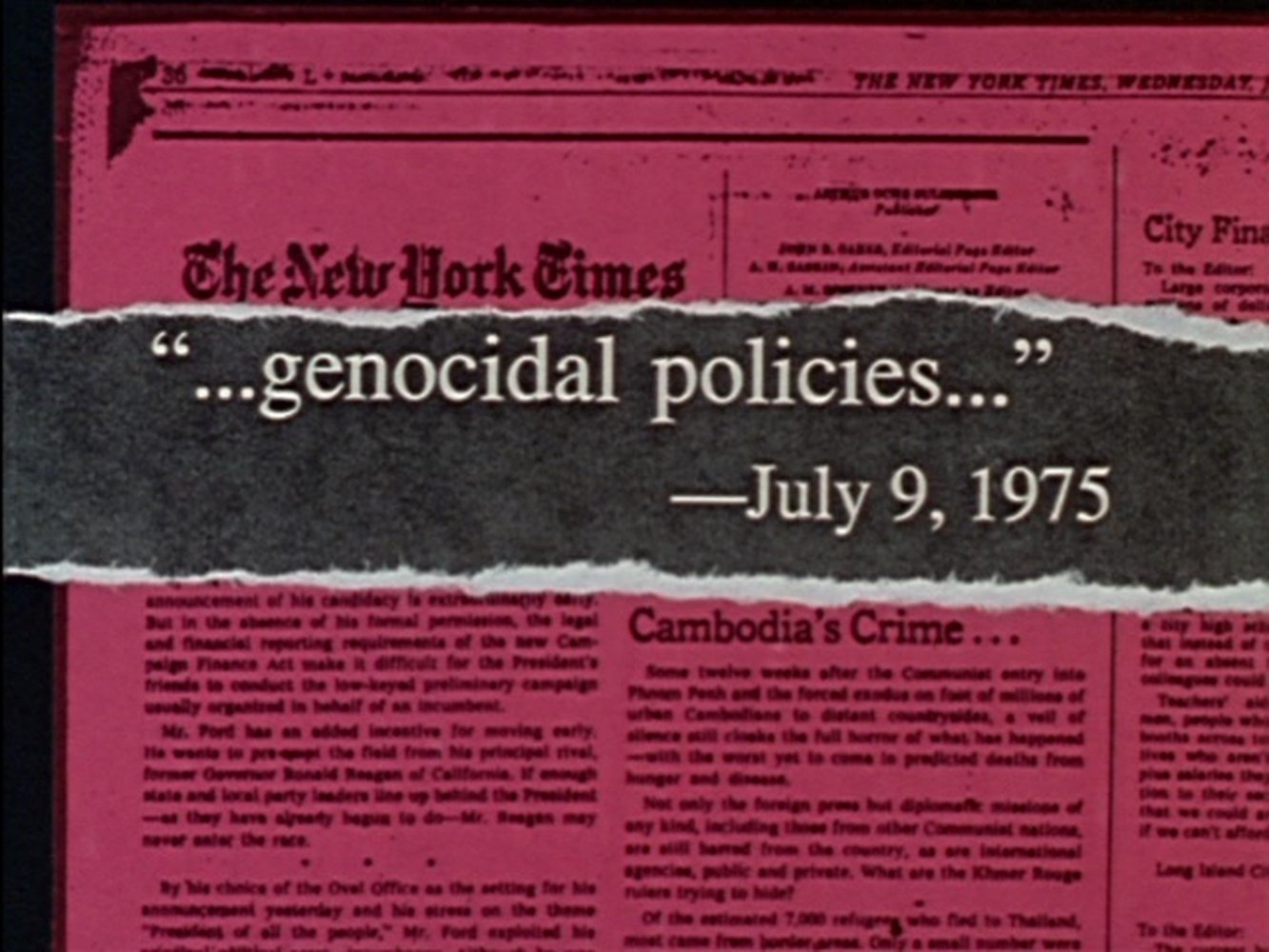
14. Der kambodschanische Genozid
15. 'Nicht geeignet für den Druck'
16. Unabhängigkeit und Verantwortung
Teil 2 'Widerspruch anregen!':
17. Hinter den Kulissen des Films
18. Die holländische Debatte
19. Marginalisierung und Präsenz in den Medien
20. Das freieste Land der Welt
21. Die Faurisson-Affäre
22. Die Basis sozialer Revolutionen
23. Alternative Medien
24. Innenpolitische Machtgefüge
25. Ein philosophischer Superstar
26. Abspann
Weiterlesen »
Entertaining, provocative and vivid, the documentary 'The Consensus Factory' (1992) approaches the work and life of the renowned linguist, intellectual and political activist Noam Chomsky. In a collage of old and new interviews, archival materials and biographical elements, he sheds light on Chomsky's critical analysis of the mass media - especially in democratic societies where the population is not disciplined by violence, but is subjected to more subtle forms of ideological control. Despite its length, the two-part mammoth work comes across as light-footed. Directors Mark Achbar and Peter Wintonick encourage their viewers to question the workings of the film itself, just as Chomsky urges and encourages his listeners to free themselves from the web of myths and deceptions and to practice 'intellectual self-defence'.
Part 1 'Mind Control in a Democratic Society':
01. Mind Control
02. Language Acquisition
03. Language and creativity
04. Freedom of the Press
05. The Consensus Factory
06. Biographical
07. The function of the US media
08. Media and Historiography
09. Helping the Oppressed
10. Media wars
11. Media and advertising
12. Media and Entertainment
13. East Timor
14. The Cambodian Genocide
15. 'Not suitable for printing'
16. Independence and responsibility
Part 2 'Encourage dissent!':
17. Behind the Scenes of the Film
18. The Dutch debate
19. Marginalization and presence in the media
20. The freest country in the world
21. The Faurisson Affair
22. The Basis of Social Revolutions
23. Alternative Media
24. Domestic political power structure
25. A Philosophical Superstar
26. End Credits
Automatically translated with AI
More »