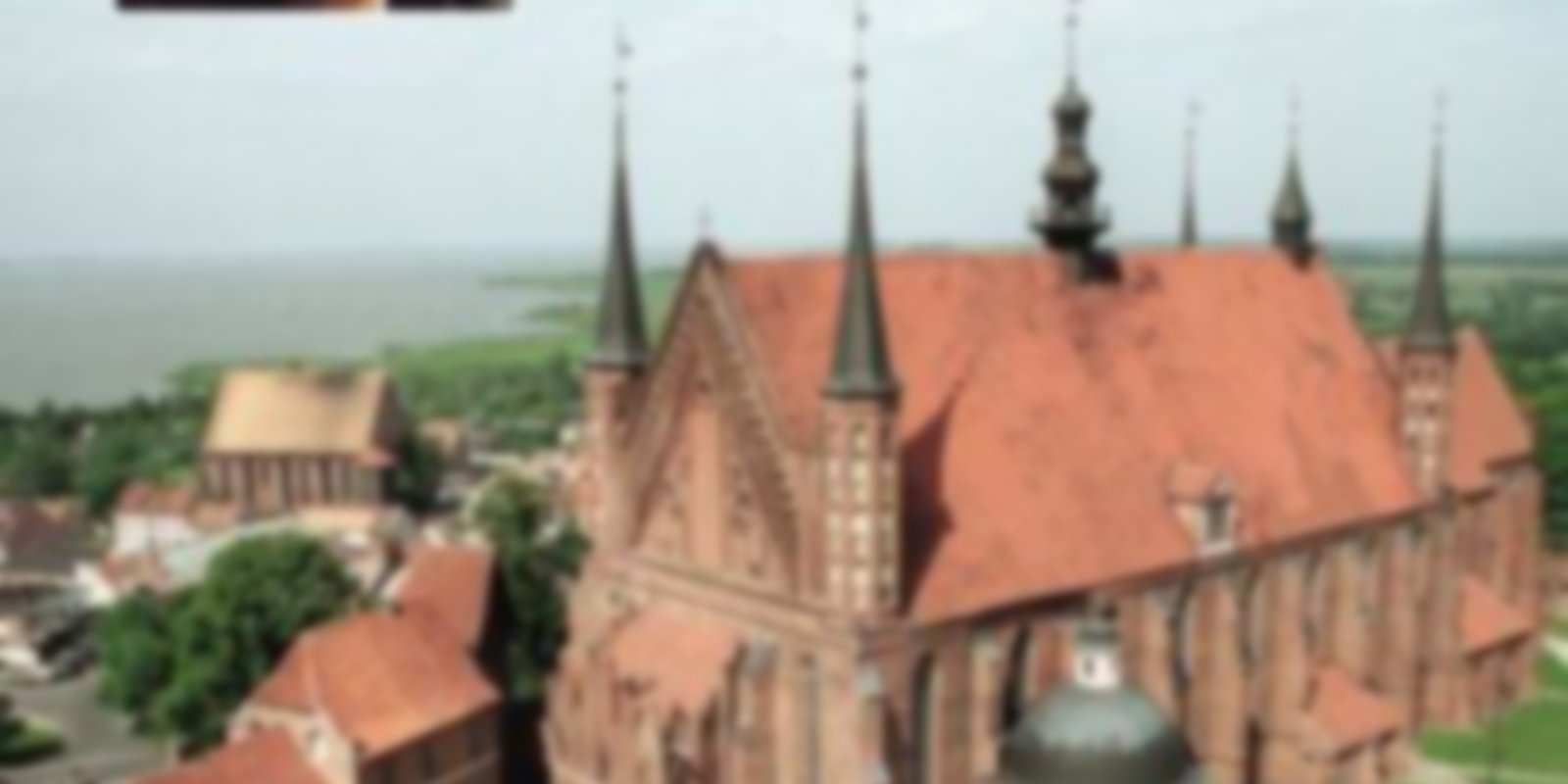
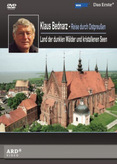
Ostpreußen, das Land der dunklen Wälder und kristallenen Seen. Ein Land, versunken in der Geschichte und dennoch für Millionen Menschen unvergessen - 50 Jahre nach dem Ende des Zweiten Weltkriegs hat Klaus Bednarz diese einst östliche Provinz Deutschlands besucht. Von Danzig über das Ermland und Masuren bis nach Königsberg, die Kurische Nehrung und Tilsit. Sein Team bestand aus deutschen, polnischen und russischen Kameraleuten und Tontechnikern, mit denen er mehrere Wochen kreuz und quer durch diese heute zwischen Russland und Polen aufgeteilte Land gereist ist - fast 50.000 Kilometer. Außerdem ist Klaus Bednarz den Weg nachgefahren, auf dem seine Familie im Januar 1945 aus Ostpreußen flüchtete - von Ukta, im Herzen Masurens, über das Eis des Frischen Haffs. Er hat die Spuren deutscher Kultur und Geschichte gesucht und dabei Zerstörtes und Versunkenes gefunden. Aber auch mühsam Bewahrtes und liebevoll Restauriertes - etwa den historischen Dom zu Frauenburg und das Grabmal Kants in Königsberg. Klaus Bednarz hat sich faszinieren lassen von der Landschaft Ostpreußens, die noch immer so schön ist, wie sie in unzähligen Liedern und Gedichten beschrieben wird. Die Eiszeit hinterließ Moränen und Seen und schuf so die wundervolle und vielfältige Natur Ostpreußens. Im Westen begrenzt die Weichsel Ostpreußen, Im Norden die Memel, die beide in die Ostsee münden. Die Ostseeküste Ostpreußens ist rund 200 km lang und wird durch das Frische und das Kurische Haff geprägt. Zwischen diesen Haffs liegt die Halbinsel Samland - sie ist eine der bekanntesten Fundregionen für das 'Gold der Ostsee': Bernstein. Seit jeher führen uralte Bernsteinstraßen durch Ostpreußen, und Königsberg war das Zentrum des Bernsteinhandels und des Kunsthandwerks für Bernstein.
Weiterlesen »
East Prussia, the land of dark forests and crystalline lakes. A country immersed in history and yet unforgotten for millions of people - 50 years after the end of the Second World War, Klaus Bednarz visited this once eastern province of Germany. From Gdansk via Warmia and Masuria to Königsberg, the Curonian Spit and Tilsit. His team consisted of German, Polish and Russian cameramen and sound technicians, with whom he spent several weeks crisscrossing this country, which is now divided between Russia and Poland - almost 50,000 kilometres. In addition, Klaus Bednarz has retraced the route on which his family fled East Prussia in January 1945 - from Ukta, in the heart of Masuria, over the ice of the Vistula Lagoon. He searched for traces of German culture and history and found destroyed and sunken things. But also painstakingly preserved and lovingly restored - such as the historic cathedral of Frauenburg and the tomb of Kant in Königsberg. Klaus Bednarz was fascinated by the landscape of East Prussia, which is still as beautiful as it is described in countless songs and poems. The Ice Age left behind moraines and lakes, creating the wonderful and diverse nature of East Prussia. In the west the Vistula borders East Prussia, in the north the Memel, both of which flow into the Baltic Sea. The Baltic Sea coast of East Prussia is about 200 km long and is characterized by the Frische and the Curonian Lagoon. Between these lagoons lies the Samland peninsula - it is one of the most famous discovery regions for the 'gold of the Baltic Sea': amber. Ancient amber roads have always run through East Prussia, and Königsberg was the center of the amber trade and the arts and crafts for amber.
More »