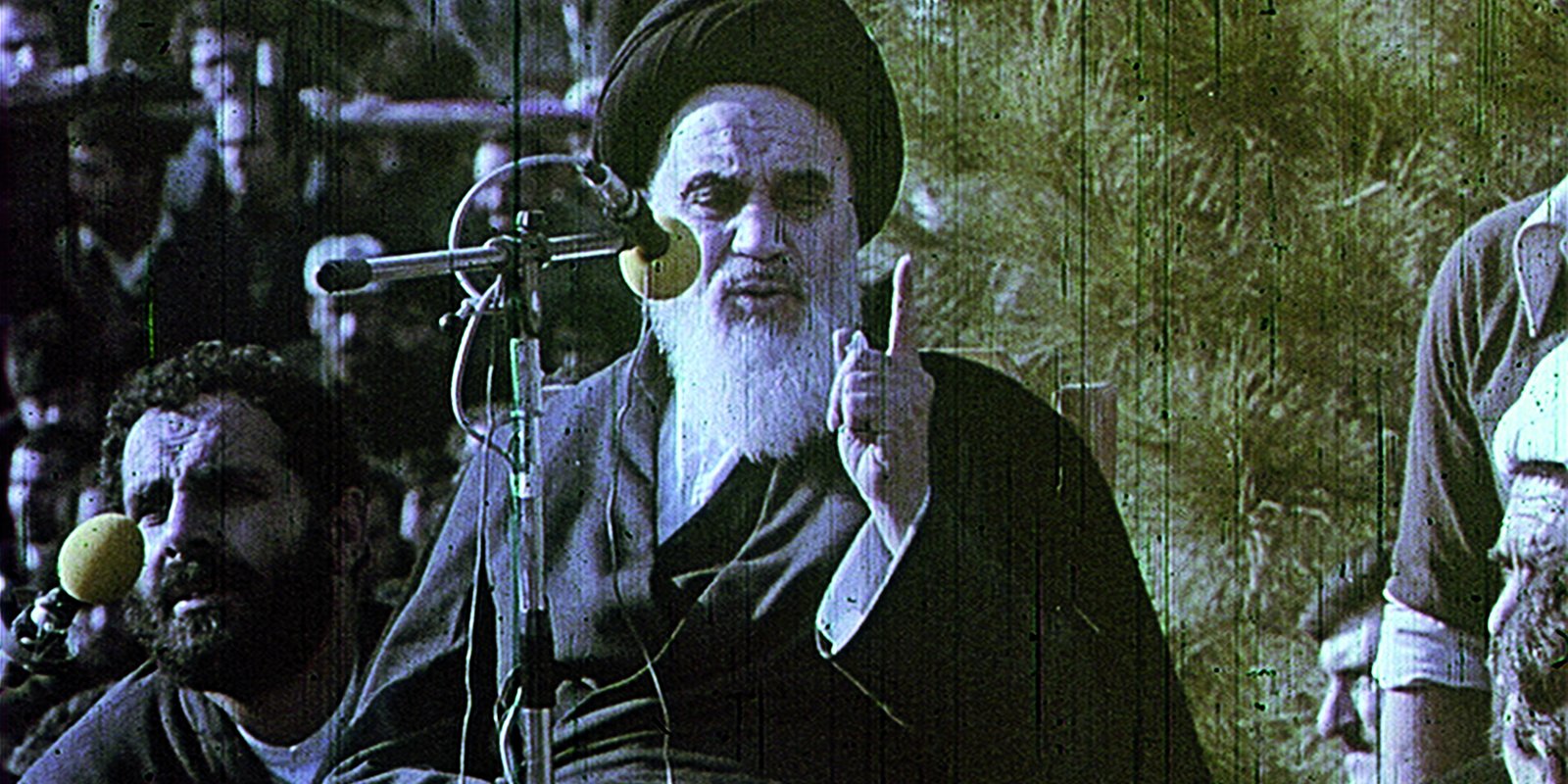
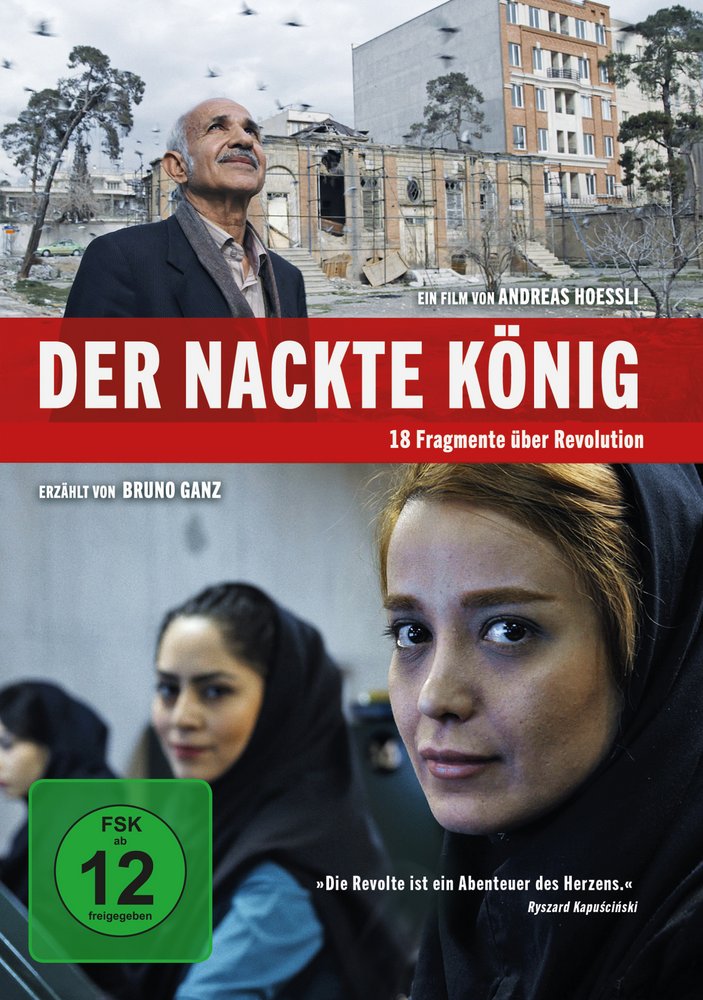
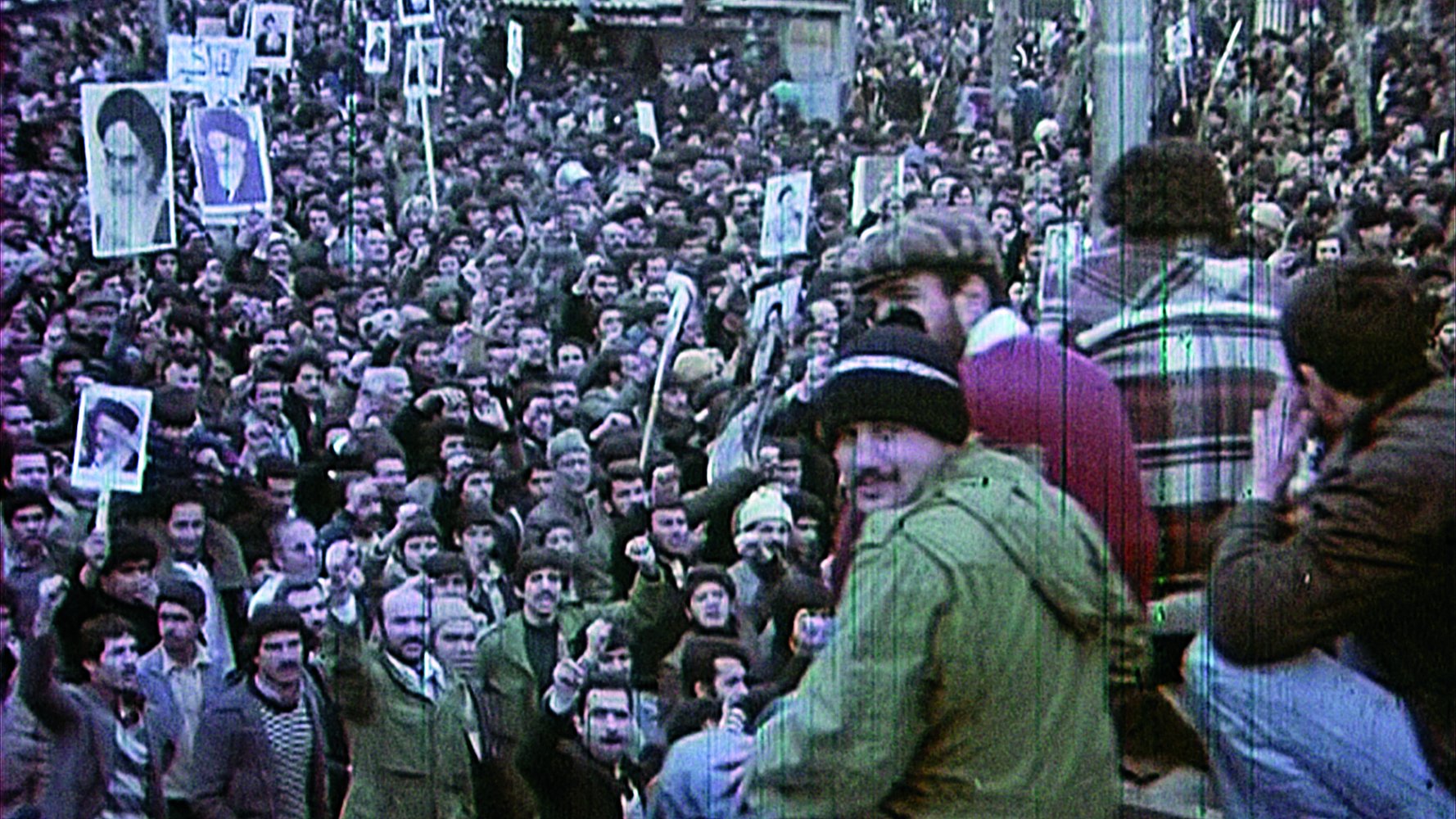
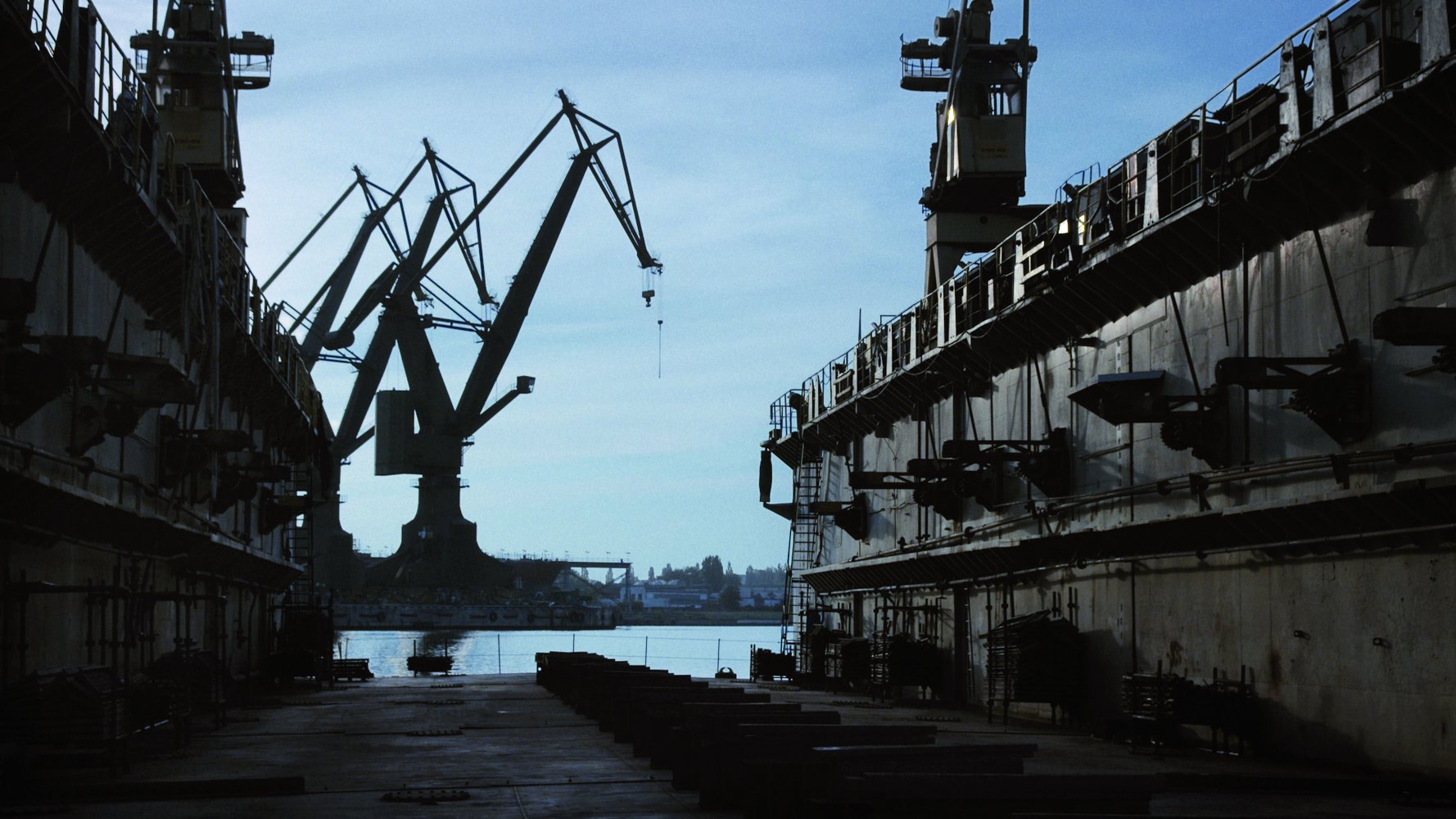
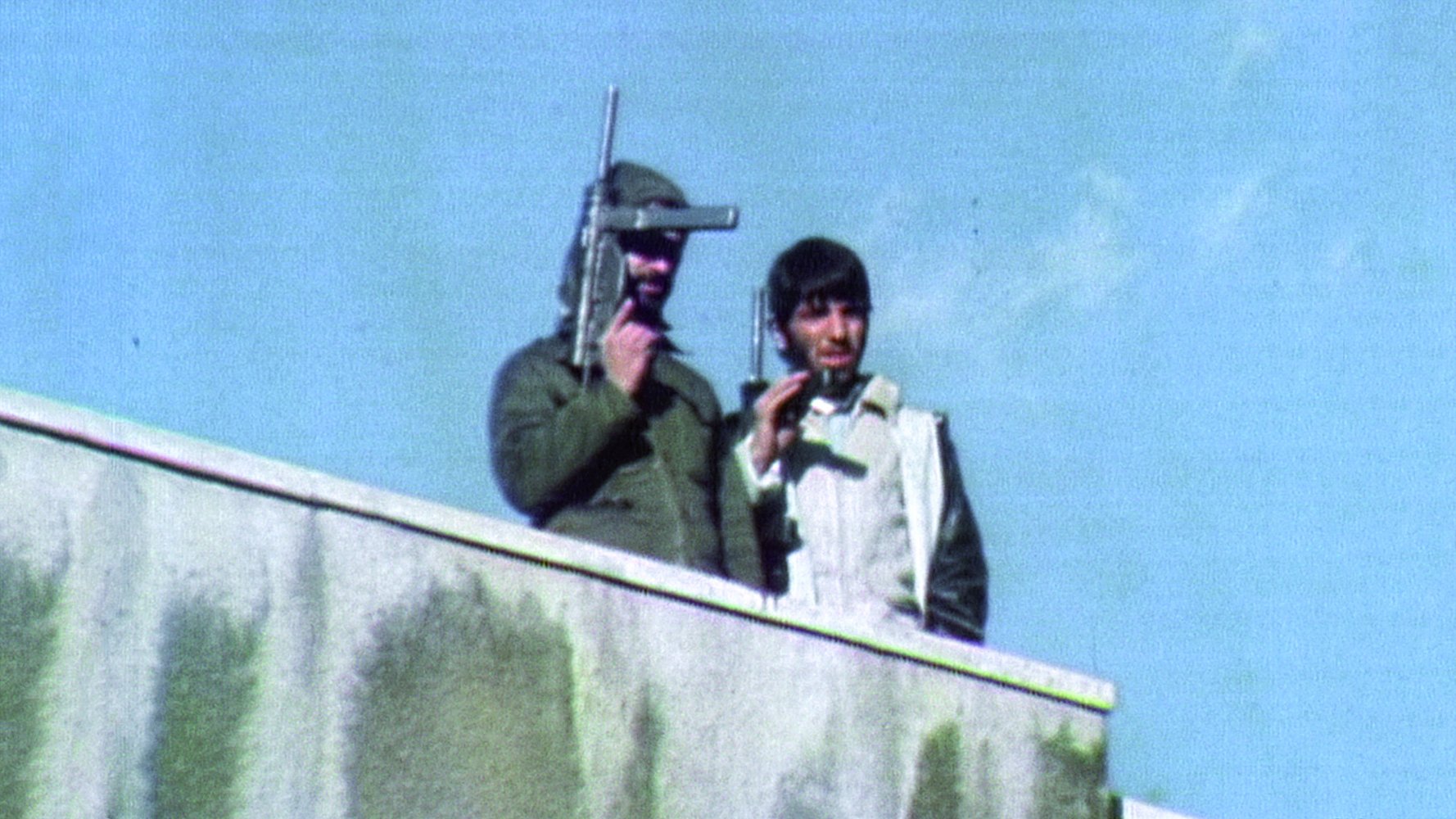
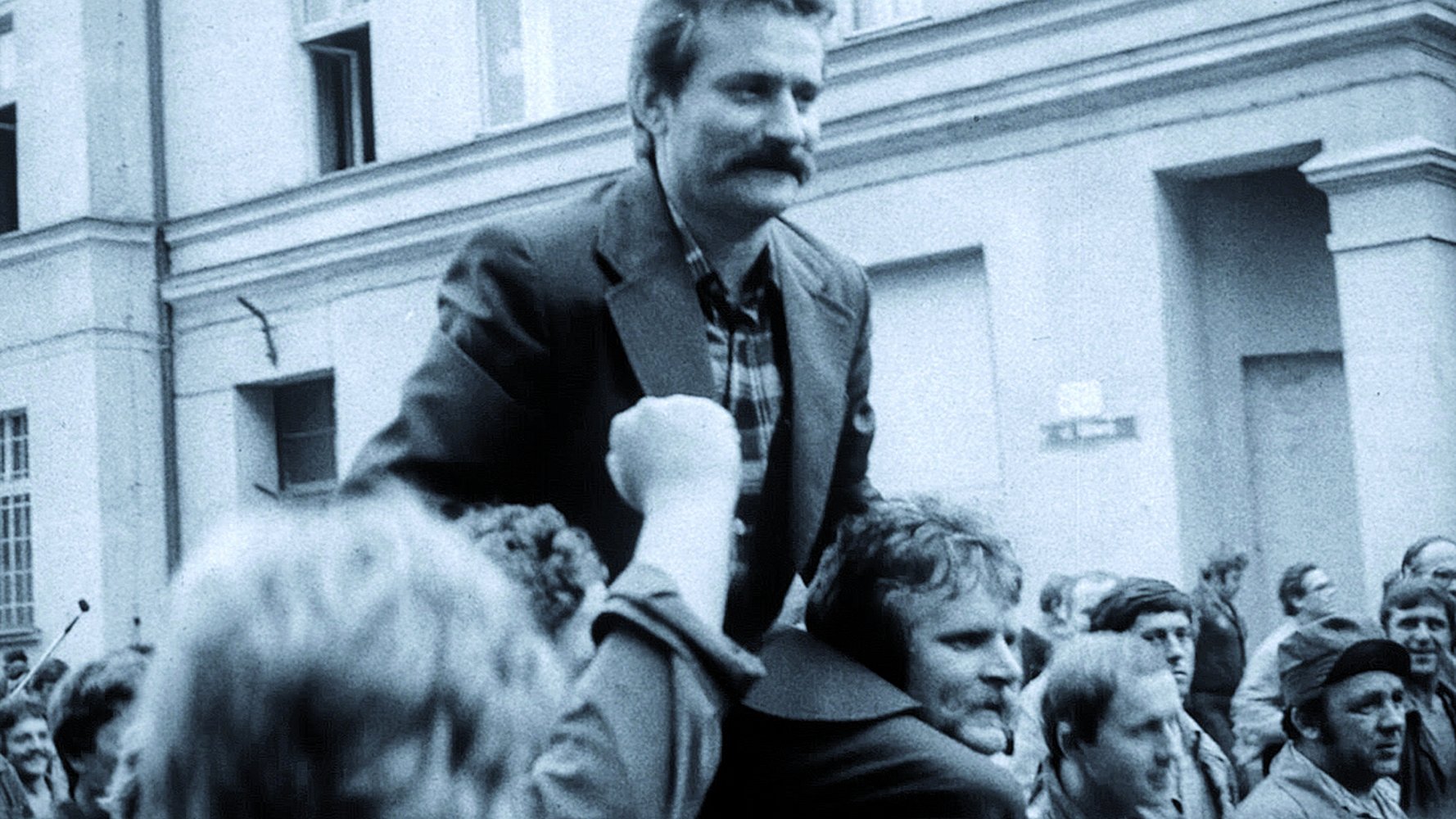
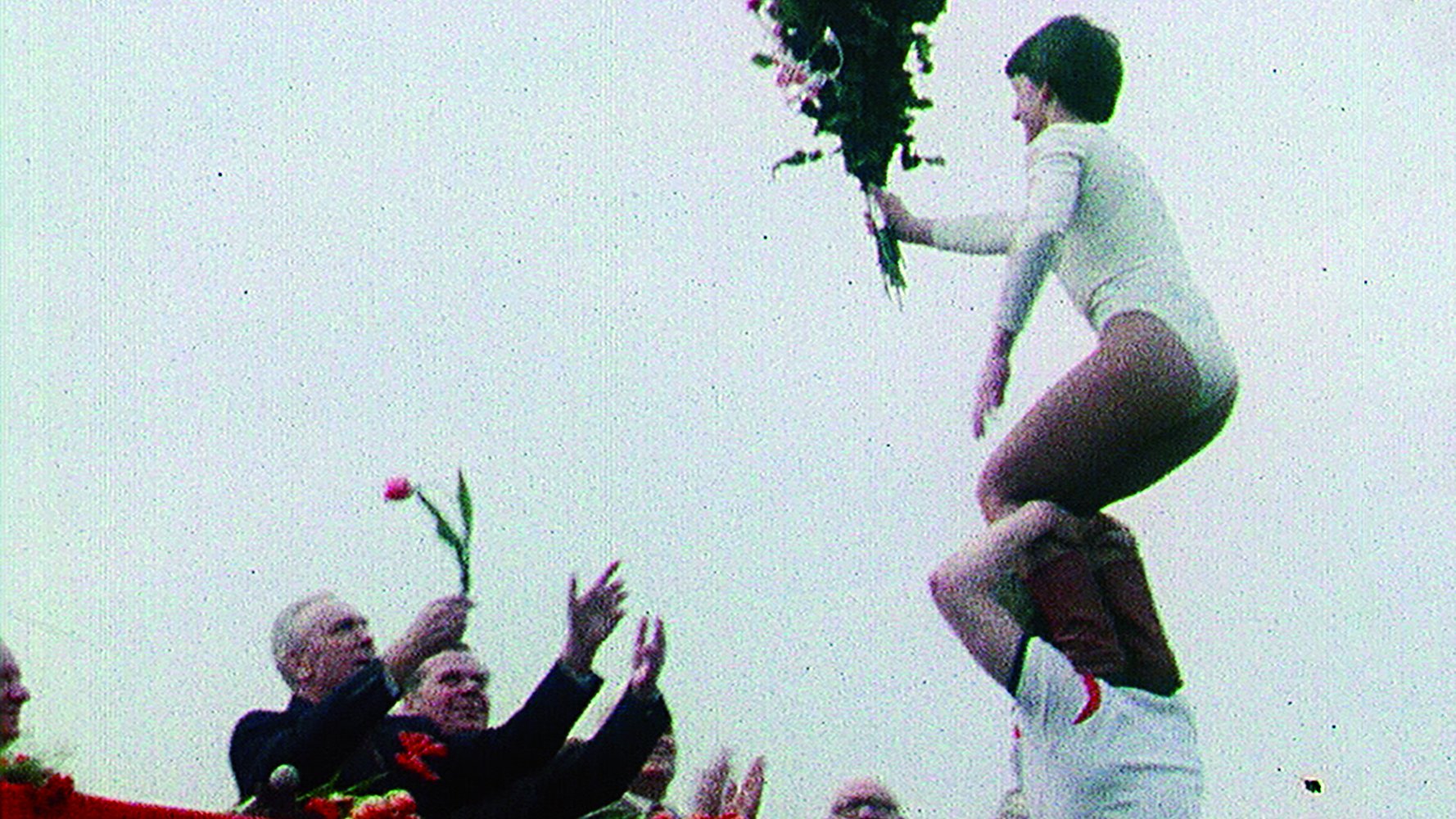
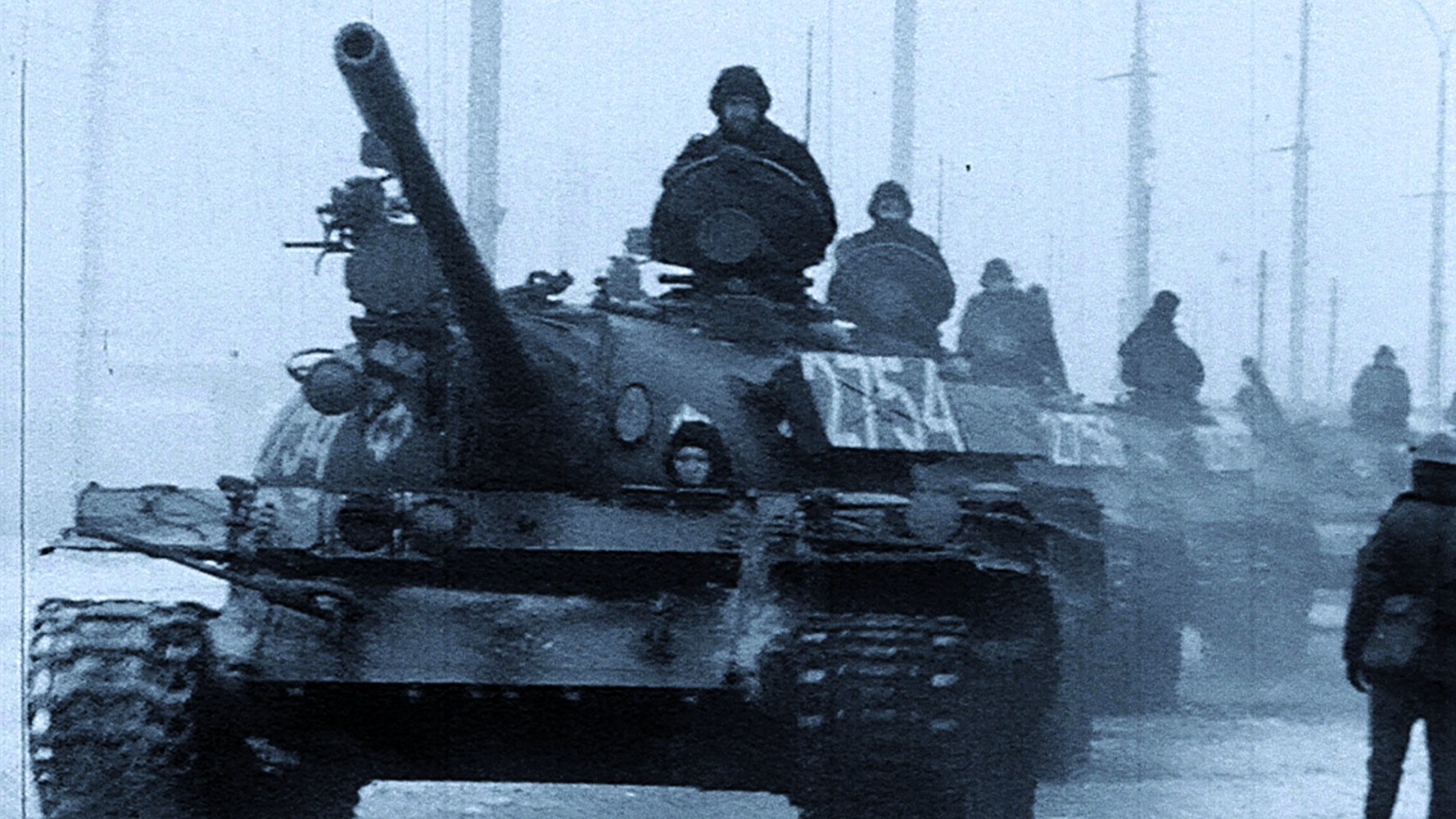
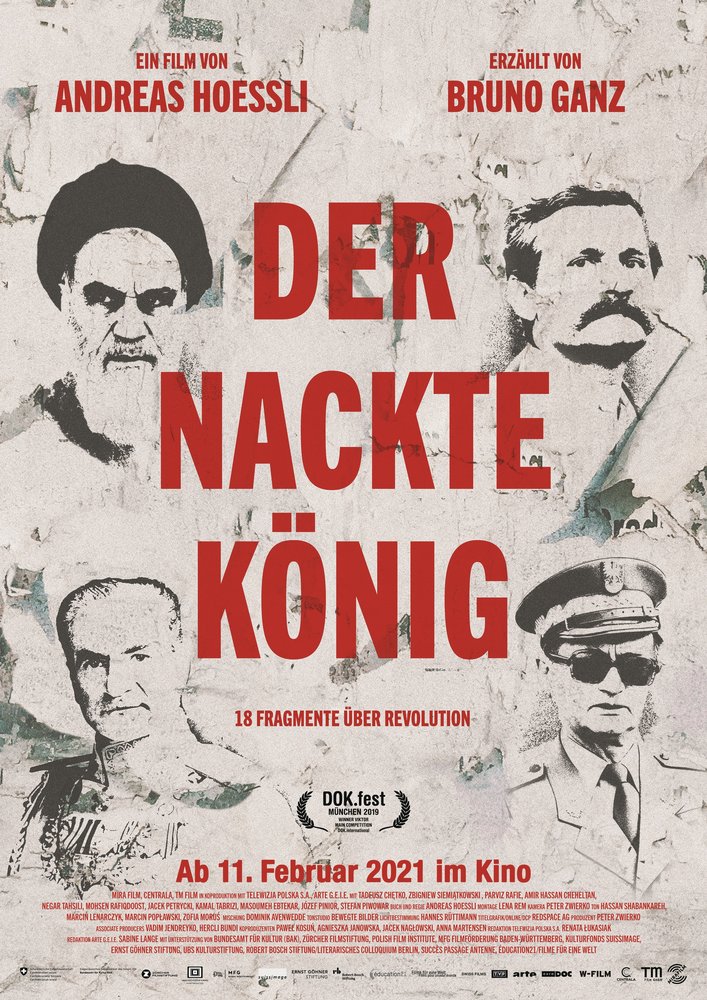
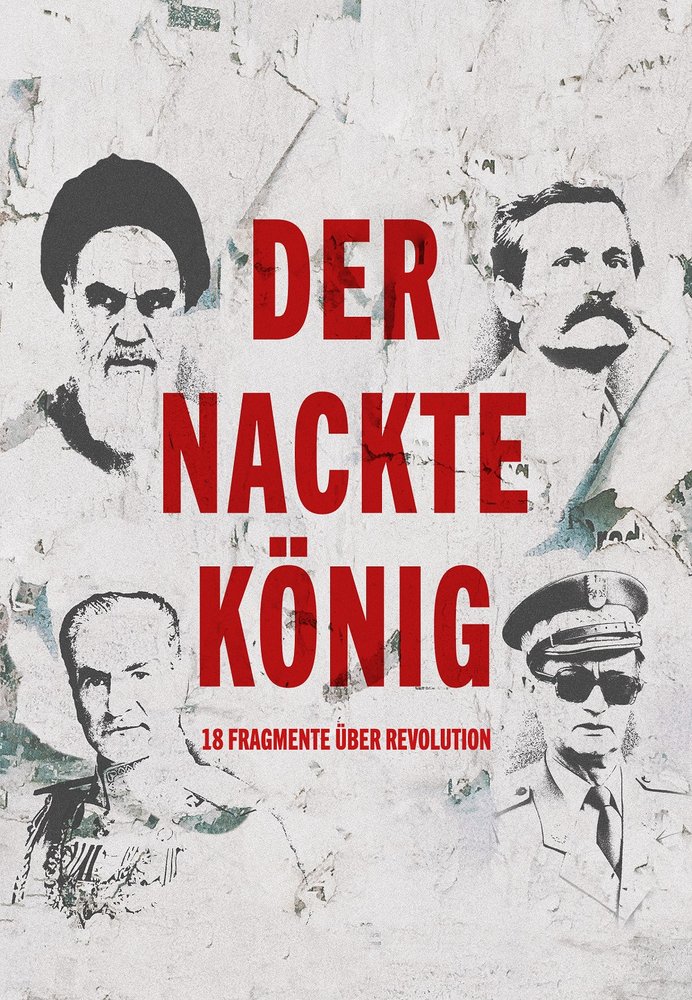
'Der nackte König - 18 Fragmente über Revolution' ist ein spannender Filmessay über Menschen und ihre Sehnsucht nach Veränderung. Die Welt ist in Aufruhr! Überall protestieren Menschen für demokratische Freiheit und Menschenrechte, wo aber liegt der Kippmoment vom Protest zur Revolution? In seinem Filmessay spürt Regisseur Andreas Hoessli genau dieser Frage nach. Er reist ins Herz der Islamischen Revolution 1979 im Iran und der Solidarno??-Bewegung 1980 in Polen. Was geschah in den Köpfen der jungen Frauen und Männer, die sich damals an den Revolutionen beteiligten? Was ging in ihnen vor, als die Revolution niedergeschlagen wurde, oder - wie im Iran - eine religiös-autoritäre Elite die Macht übernahm? Hoessli lebte damals als Forschungsstipendiat in Polen. Dort lernte er den bedeutenden Schriftsteller Ryszard Kapuscinski kennen, der als Reporter von der Revolution im Iran berichtete. Kapuscinskis Aufzeichnungen bilden den Ausgangspunkt der Filmerzählung, in der Hoessli auch entdeckt, dass er selbst damals vom polnischen Geheimdienst überwacht wurde und sogar für dessen Machenschaften angeworben werden sollte...
"Die Revolte ist ein Abenteuer des Herzens. Der Mensch schüttelt die Angst ab und fühlt sich frei." sagte Kapuscinski. Wenn die Macht entblößt ist, erhebt sich das Volk: In seinem Filmessay 'Der nackte König - 18 Fragmente über Revolution' (2019) nimmt uns Andreas Hoessli mit auf eine philosophische Spurensuche nach dem mitreißenden Sog von Revolutionen. Warum berauschen sie ganze Völker? Was macht ihre Faszination aus? Bruno Ganz führt als Erzähler durch den Film, der mit dem Hauptpreis beim 'DOK.fest' in München in der Reihe 'DOK.international Main Competition' ausgezeichnet wurde.
Weiterlesen »
'The Naked King - 18 Fragments about Revolution' is an exciting film essay about people and their longing for change. The world is in turmoil! Everywhere people are protesting for democratic freedom and human rights, but where is the tipping point from protest to revolution? In his film essay, director Andreas Hoessli explores precisely this question. He travels to the heart of the Islamic Revolution in Iran in 1979 and Solidarno?? movement in Poland in 1980. What happened in the minds of the young women and men who took part in the revolutions at that time? What was going on in their minds when the revolution was crushed, or - as in Iran - a religious-authoritarian elite took power? Hoessli was living in Poland as a research fellow at the time. There he met the important writer Ryszard Kapuscinski, who reported on the revolution in Iran as a reporter. Kapuscinski's notes form the starting point of the film's narrative, in which Hoessli also discovers that he himself was under surveillance by the Polish secret service at the time and was even supposed to be recruited for its machinations...
"The revolt is an adventure of the heart. People shake off fear and feel free," Kapuscinski said. When power is exposed, the people rise up: In his film essay 'The Naked King - 18 Fragments on Revolution' (2019), Andreas Hoessli takes us on a philosophical search for traces of the rousing pull of revolutions. Why do they intoxicate entire peoples? What makes them so fascinating? Bruno Ganz is the narrator of the film, which was awarded the main prize at the 'DOK.fest' in Munich in the 'DOK.international Main Competition' section.
More »