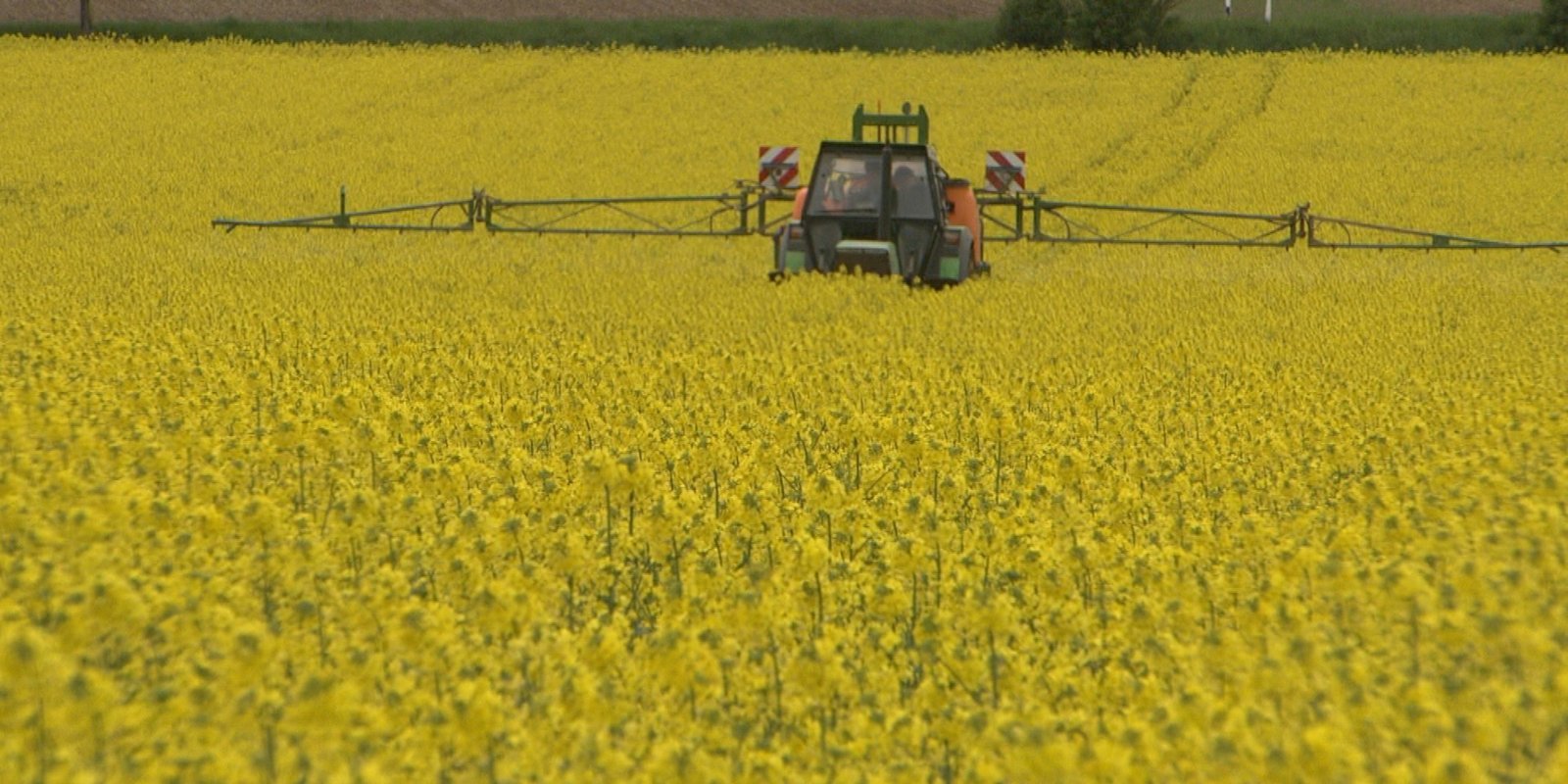
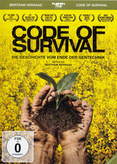
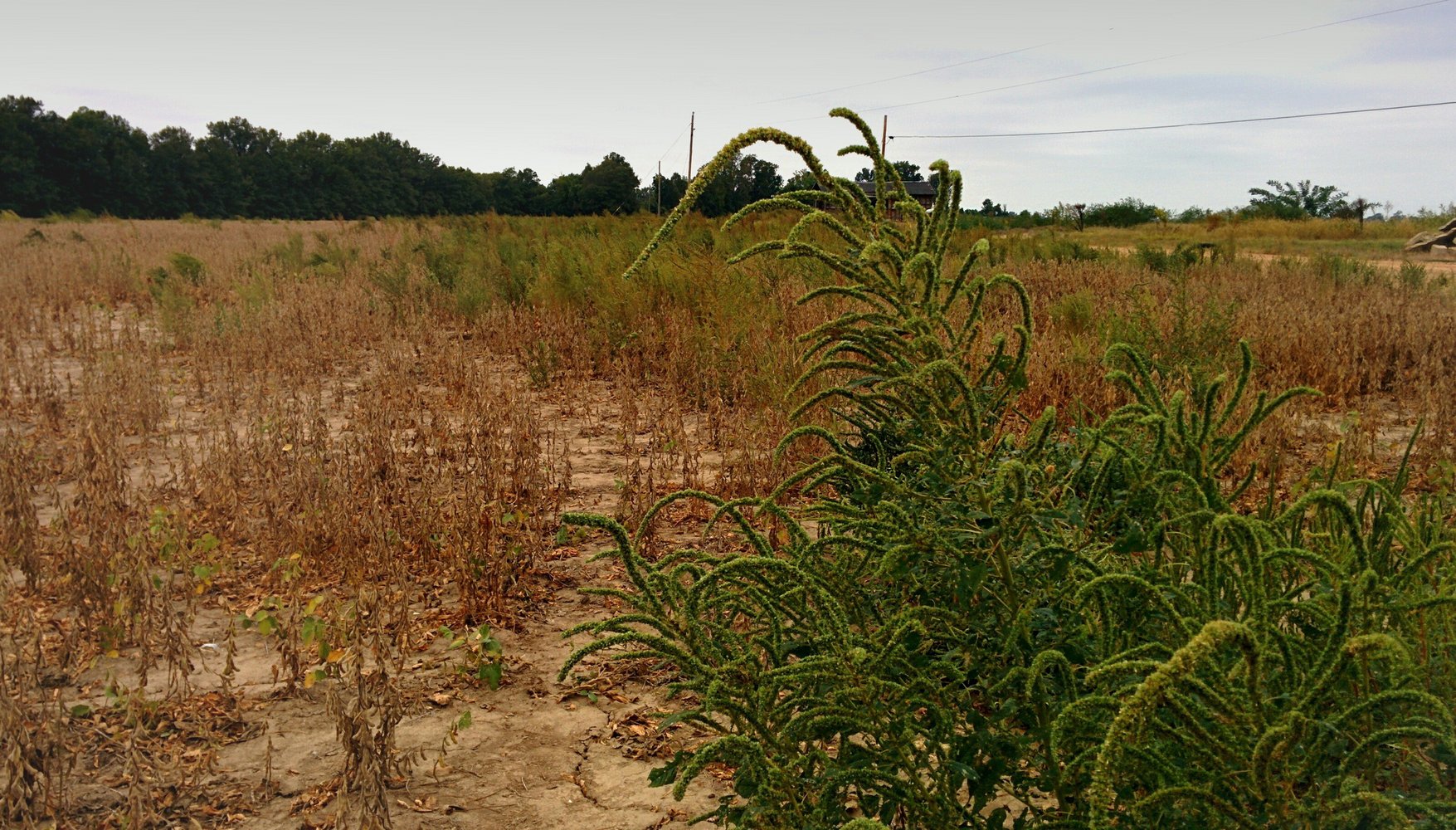
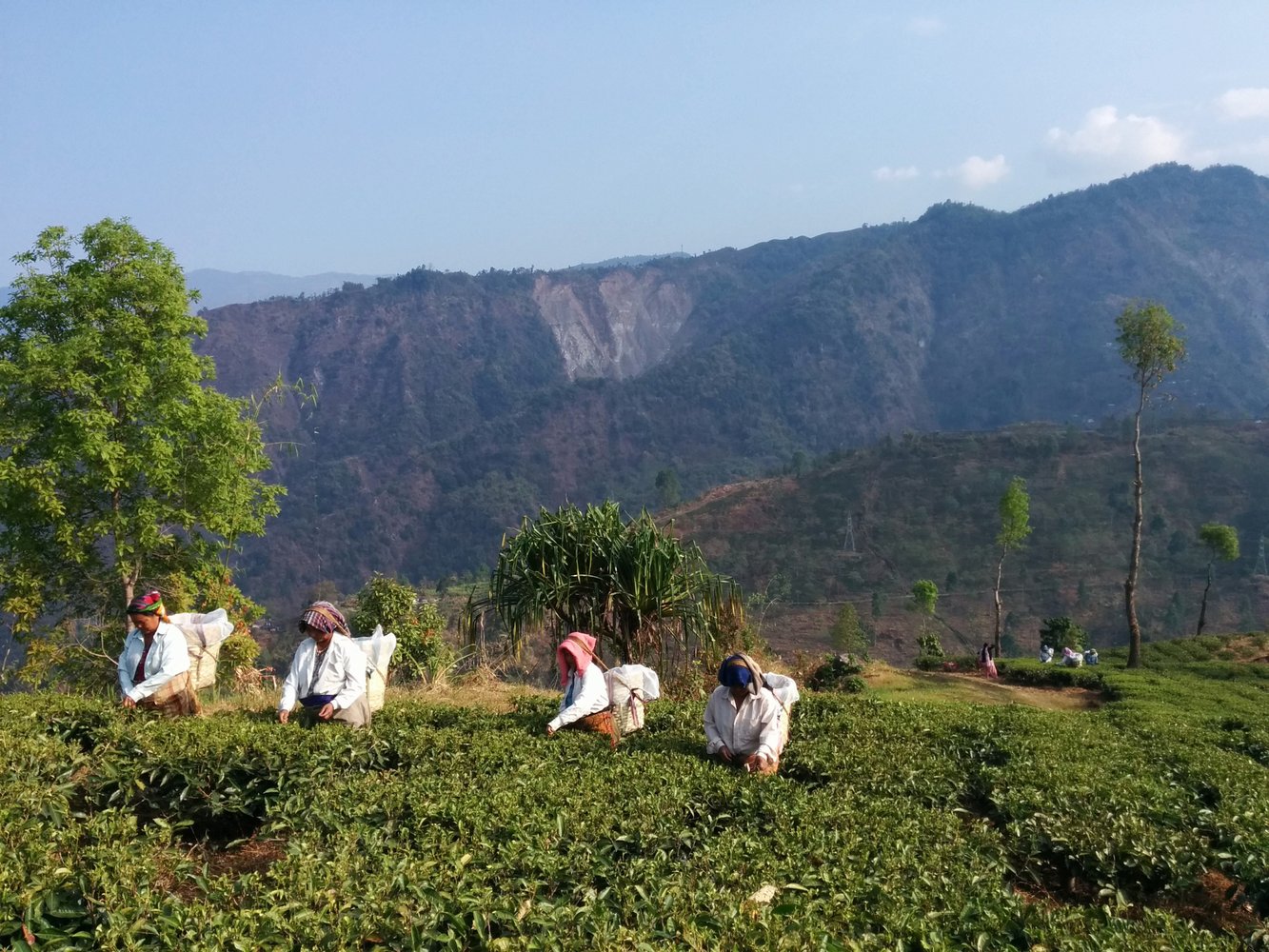
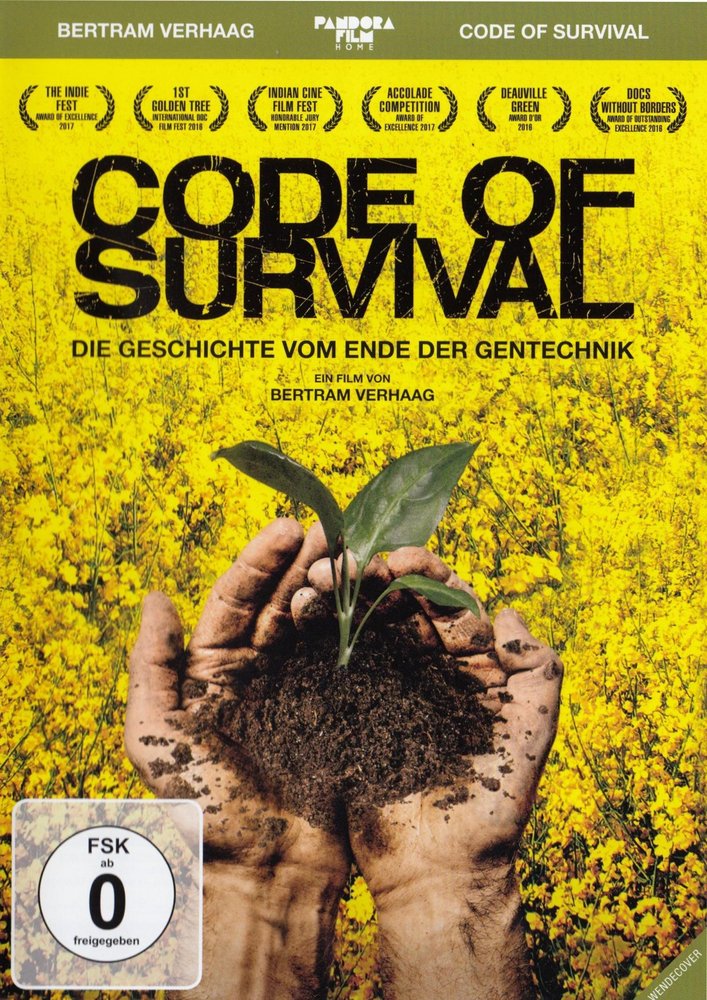
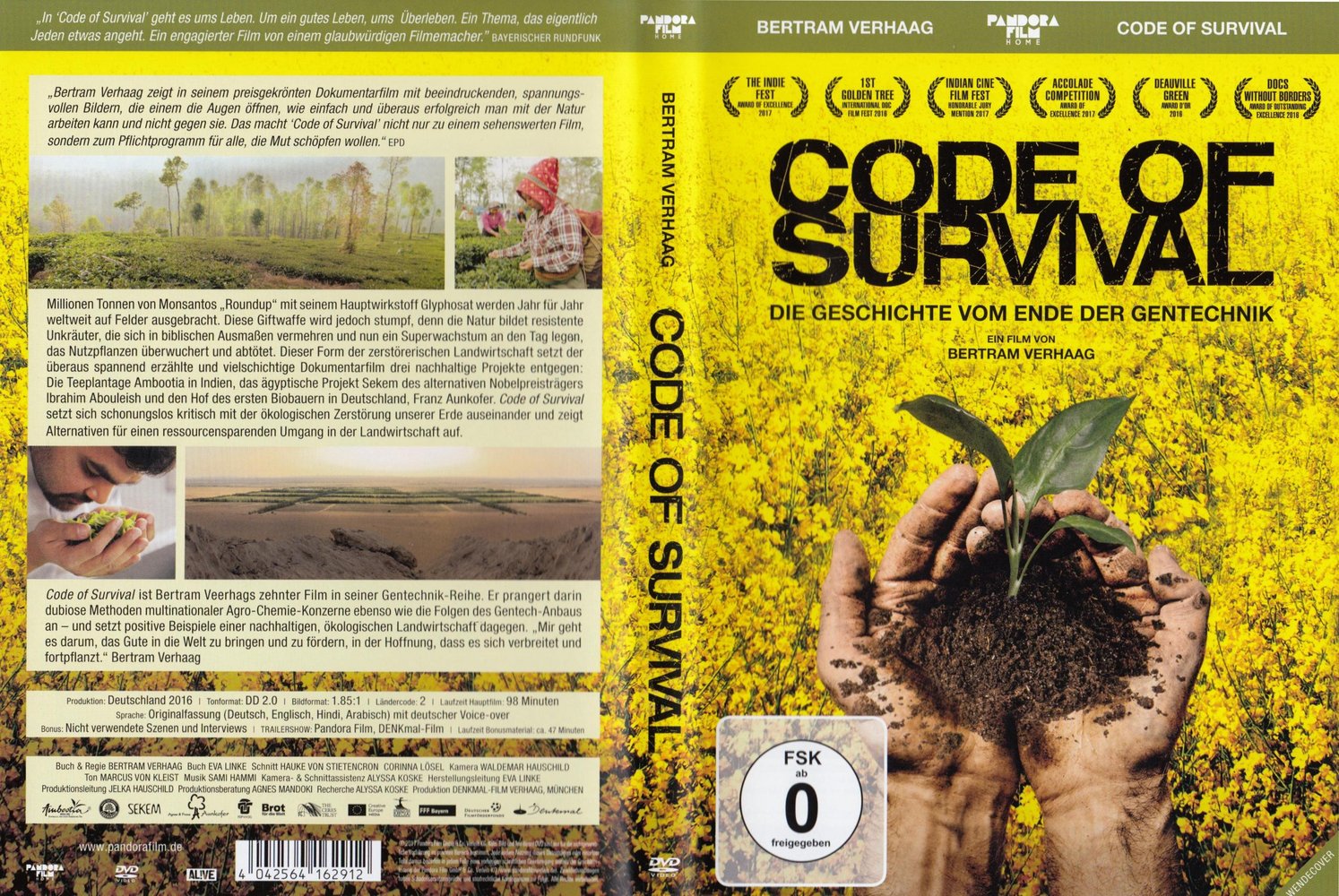
Millionen Tonnen von Monsantos 'Roundup' mit seinem Hauptwirkstoff 'Glyphosat' werden Jahr für Jahr weltweit auf Felder ausgebracht. Diese Giftwaffe wird jedoch stumpf, denn die Natur bildet resistente Unkräuter, die sich in biblischen Ausmaßen vermehren und nun ein Superwachstum an den Tag legen, das Nutzpflanzen überwuchert und abtötet. Dieser Form der zerstörerischen Landwirtschaft setzt der überaus spannend erzählte und vielschichtige Dokumentarfilm drei nachhaltige Projekte entgegen: die Teeplantage 'Ambootia' in Indien, das ägyptische Projekt 'Sekem' des alternativen Nobelpreisträgers Ibrahim Abouleish und den Hof des ersten Biobauern in Deutschland, Franz Aunkofer...
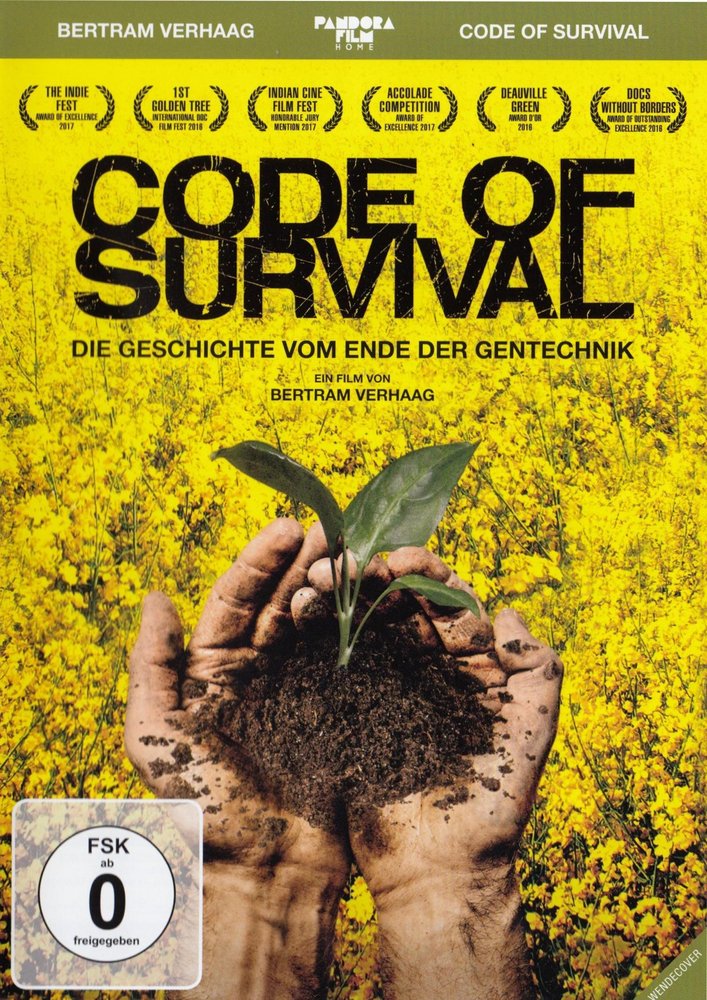
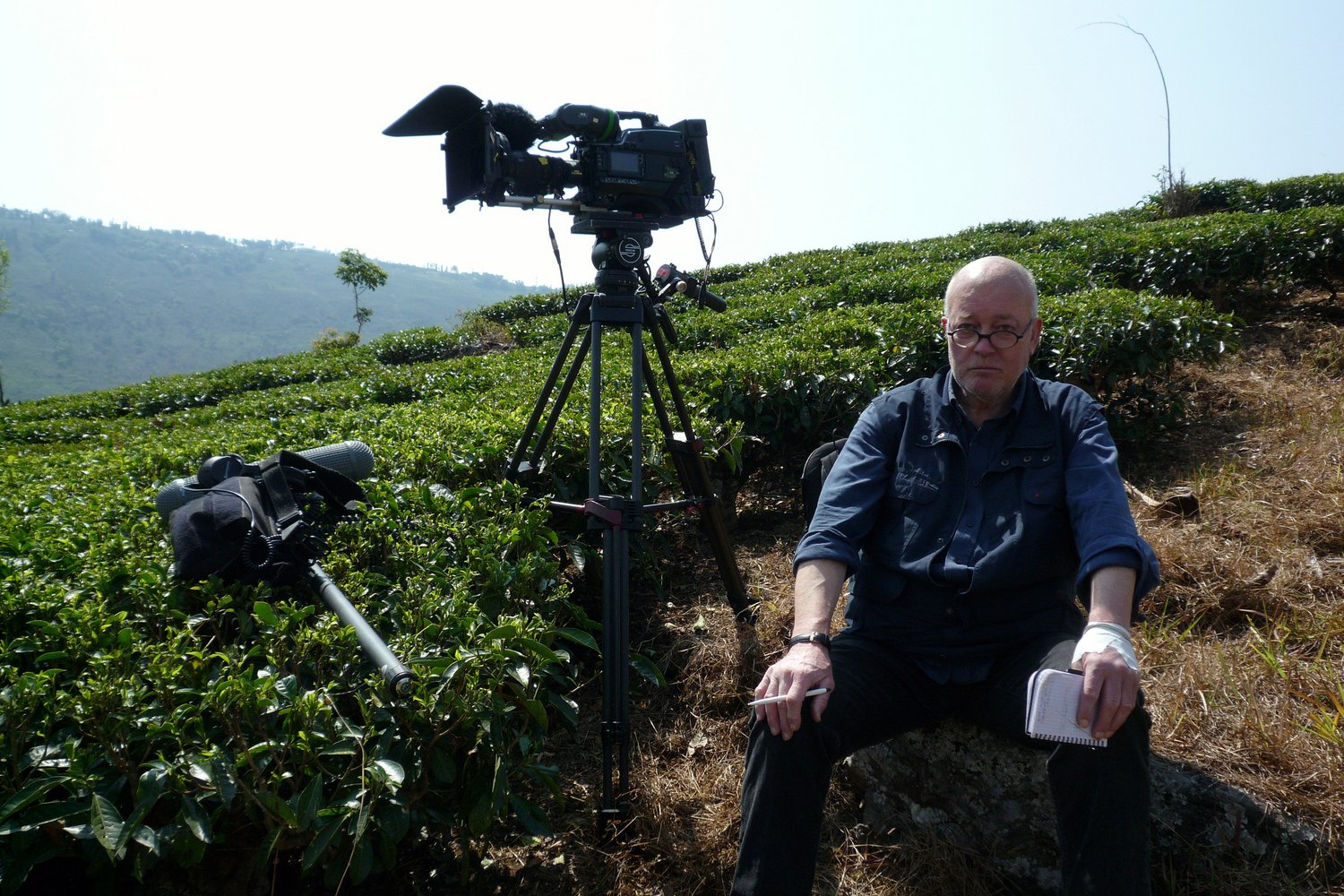
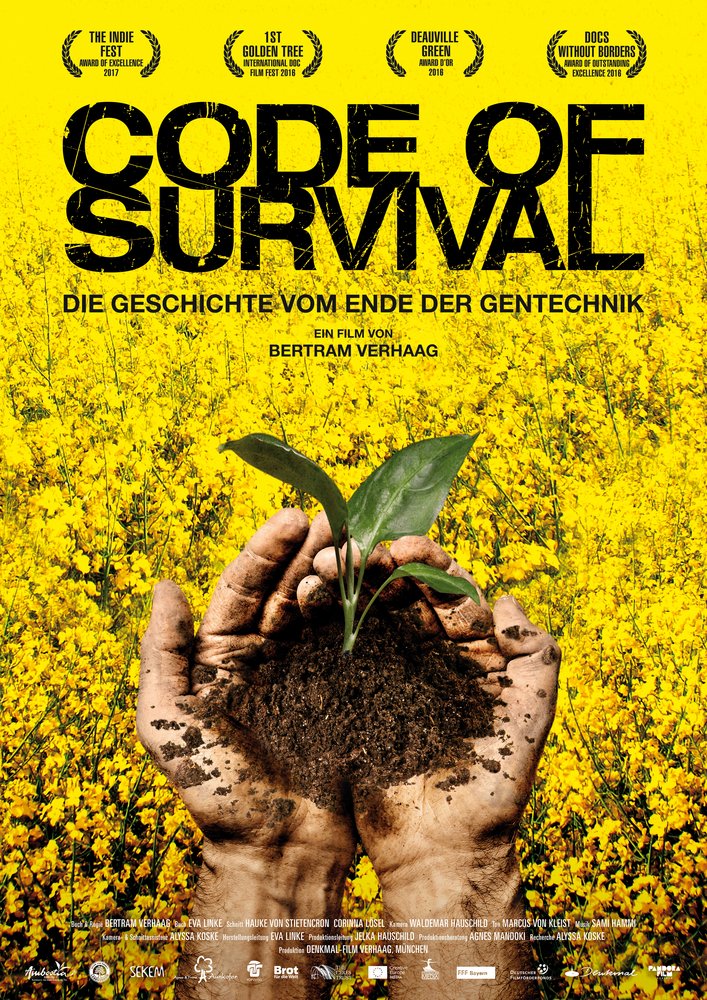
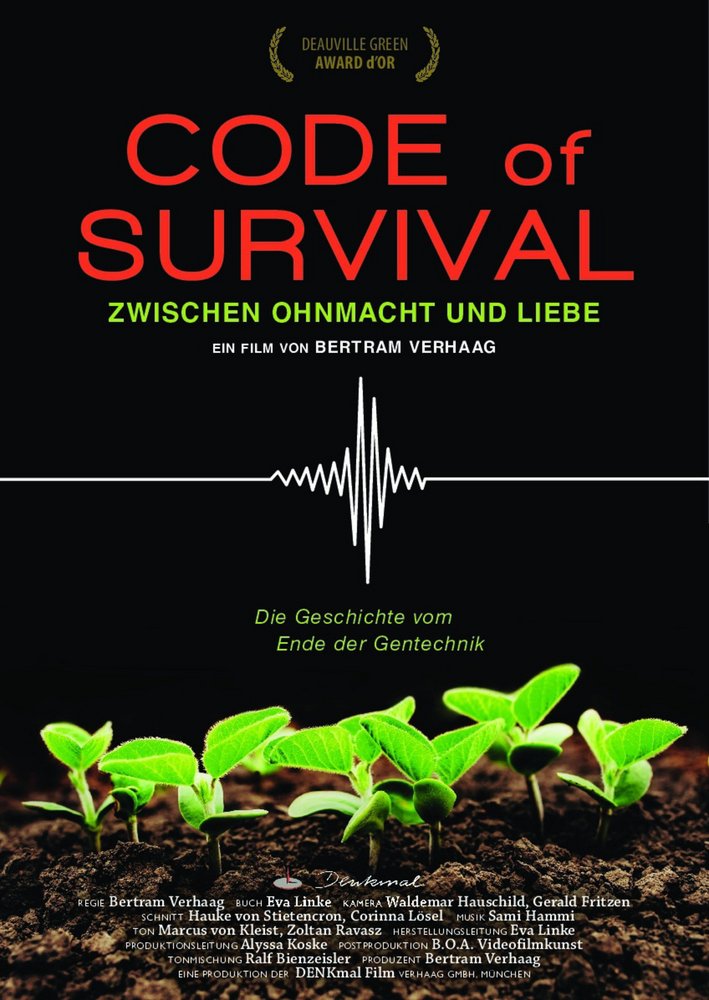
Die Dokumentation 'Code of Survival - Die Geschichte vom Ende der Gentechnik' (2017) setzt sich schonungslos kritisch mit der ökologischen Zerstörung unserer Erde auseinander und zeigt Alternativen für einen ressourcensparenden Umgang in der Landwirtschaft auf. Seit mehr als 30 Jahren macht Bertram Verhaag Filme, darunter etliche zum Thema Gentechnik. 'Code of Survival' ist Verhaags zehnter Film in seiner Gentechnik-Reihe. Er prangert darin dubiose Methoden multinationaler Agro-Chemie-Konzerne ebenso wie die Folgen des Gentech-Anbaus an. Dagegen setzt er positive Beispiele einer nachhaltigen, ökologischen Landwirtschaft. Als Filmemacher geht es ihm nicht nur darum, Missstände aufzudecken, sondern "das Gute in die Welt zu bringen und zu fördern, in der Hoffnung, dass es sich verbreitet und fortpflanzt". Verhaags vorheriger Film 'Der Bauer und sein Prinz', ebenso dem Thema nachhaltige Landwirtschaft gewidmet, lief äußerst erfolgreich im Kino. "Meine Filme sollen Mut machen, Dinge zu verändern, und nicht die Arme hängen zu lassen und zu meinen, dass man eh nichts machen kann", so Verhaag. Porträtiert werden in diesem Film unter anderem der Träger des alternativem Nobelpreises, Ibrahim Abouleish, zu Wort kommen international bekannte Persönlichkeiten wie die Britin Jane Goodall und die indische Friedens- und Ökoaktivistin Vandana Shiva.
Weiterlesen »
Millions of tons of Monsanto's 'Roundup' with its main active ingredient 'glyphosate' are applied to fields worldwide every year. However, this poison weapon becomes blunt, because nature forms resistant weeds that multiply on biblical proportions and now exhibit supergrowth that overgrows and kills crops. This form of destructive agriculture is countered by three sustainable projects in the extremely excitingly narrated and multi-layered documentary: the tea plantation 'Ambootia' in India, the Egyptian project 'Sekem' of the alternative Nobel Prize winner Ibrahim Abouleish and the farm of the first organic farmer in Germany, Franz Aunkofer...
The documentary 'Code of Survival - The Story of the End of Genetic Engineering' (2017) takes a relentlessly critical look at the ecological destruction of our earth and shows alternatives for resource-saving use in agriculture. Bertram Verhaag has been making films for more than 30 years, including several on the subject of genetic engineering. 'Code of Survival' is Verhaag's tenth film in his genetic engineering series. In it, he denounces dubious methods of multinational agrochemical companies as well as the consequences of GM cultivation. On the other hand, he sets positive examples of sustainable, ecological agriculture. As a filmmaker, he is not only concerned with exposing grievances, but also with "bringing good into the world and promoting it, in the hope that it will spread and reproduce". Verhaag's previous film 'The Farmer and His Prince', also dedicated to the topic of sustainable agriculture, was extremely successful in cinemas. "My films should give courage to change things, and not to let your arms hang down and think that you can't do anything anyway," says Verhaag. Among other things, the winner of the Alternative Nobel Prize, Ibrahim Abouleish, are portrayed in this film, internationally known personalities such as the British Jane Goodall and the Indian peace and ecological activist Vandana Shiva have their say.
More »