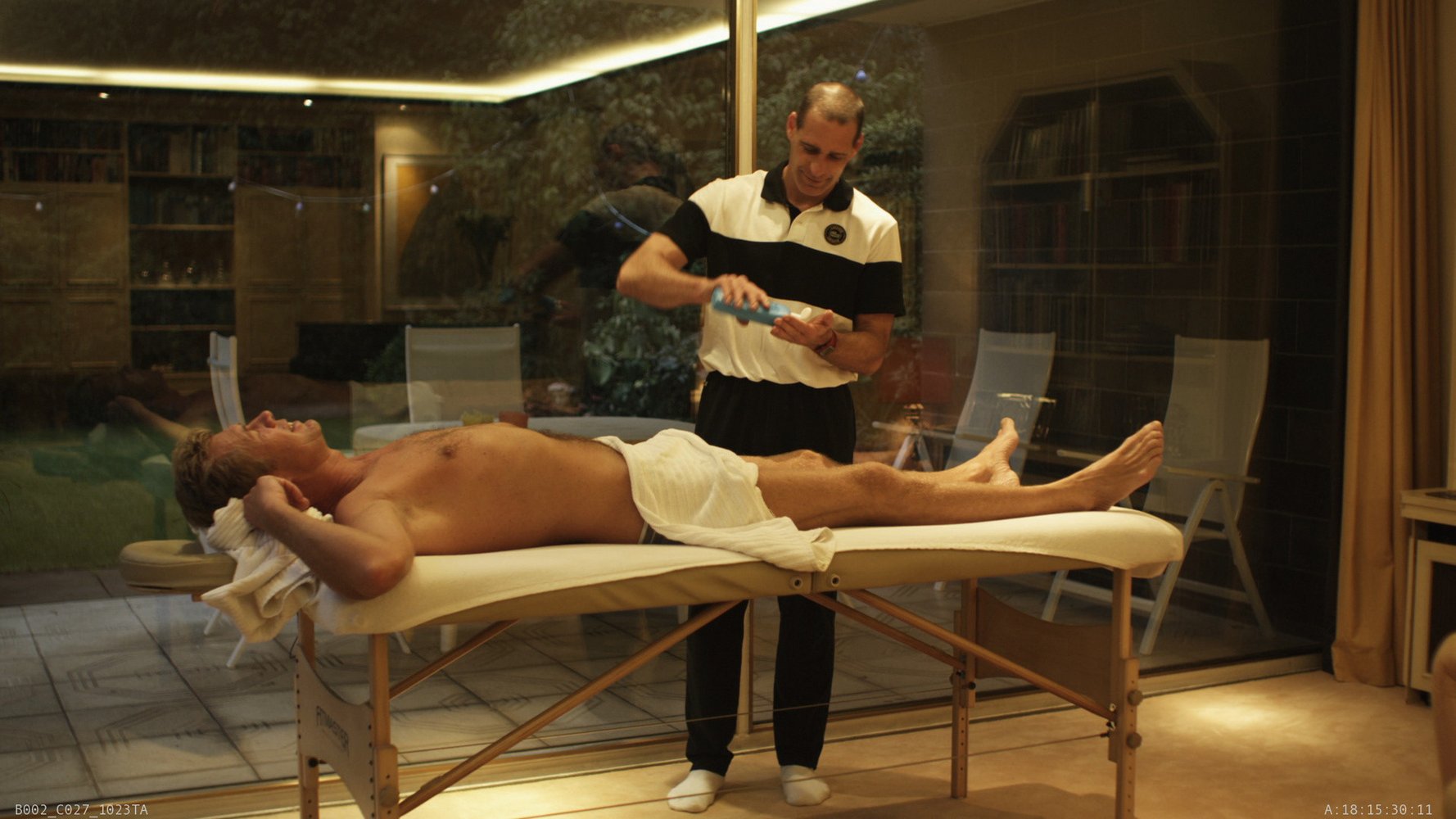
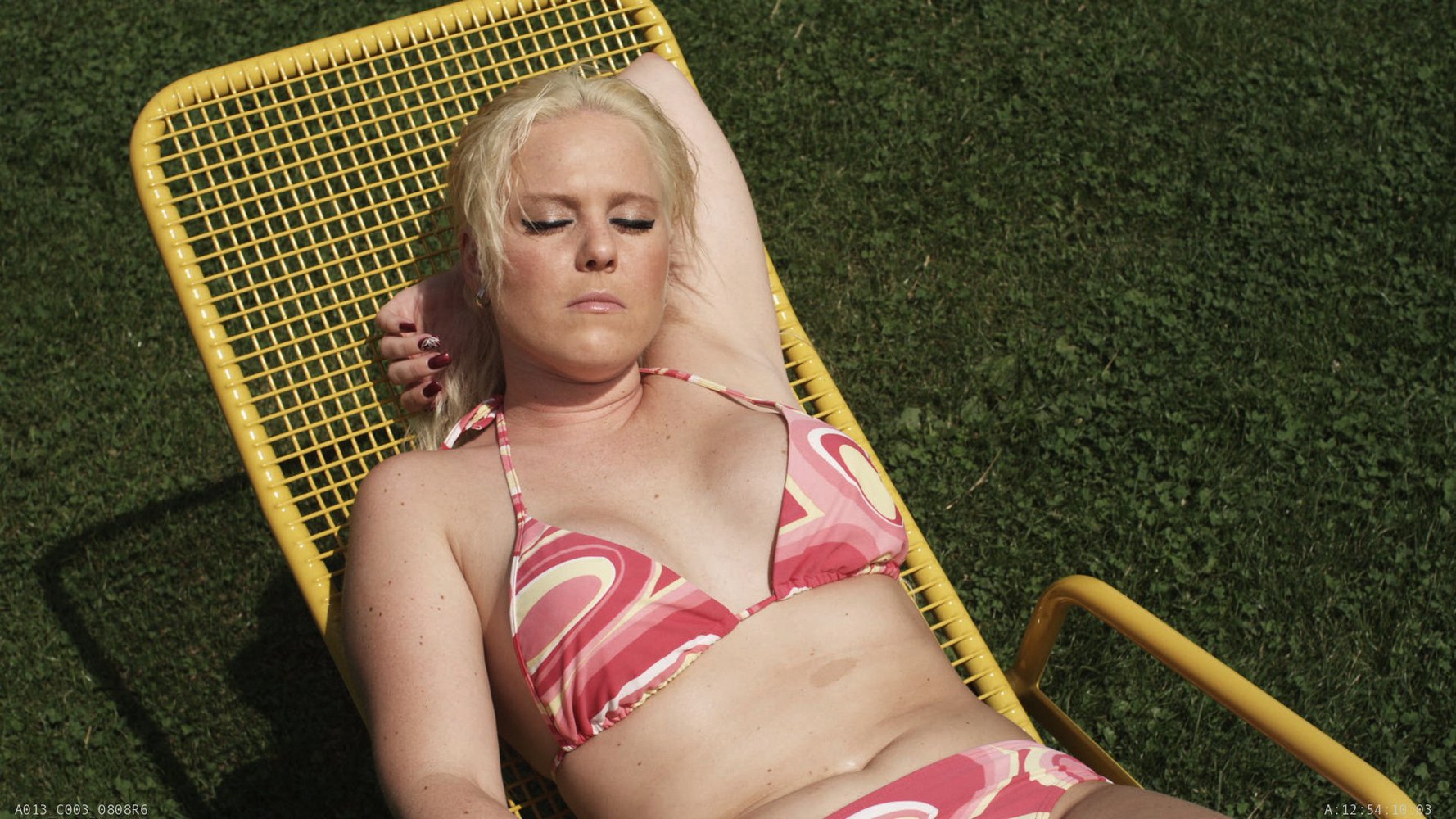
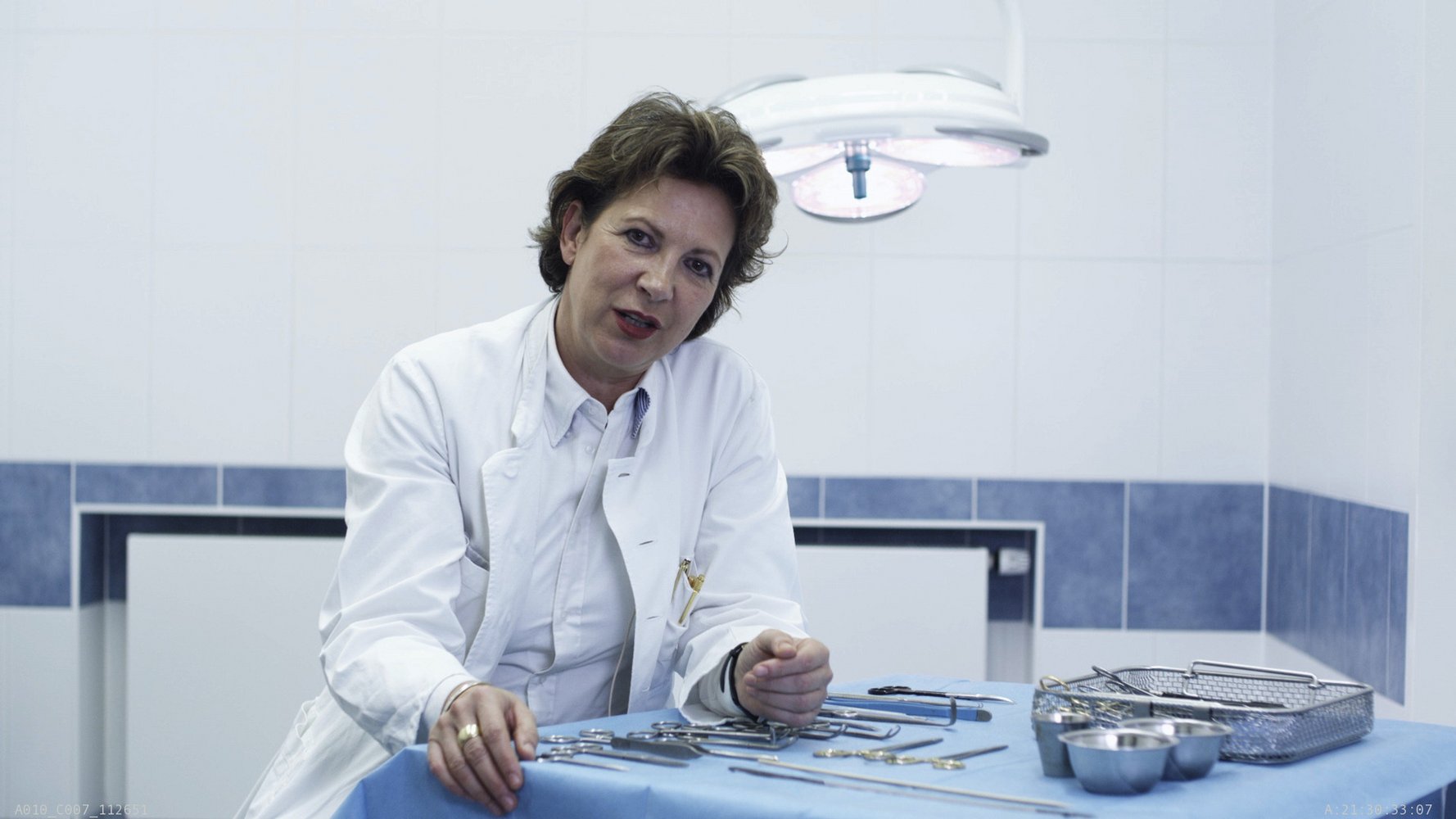
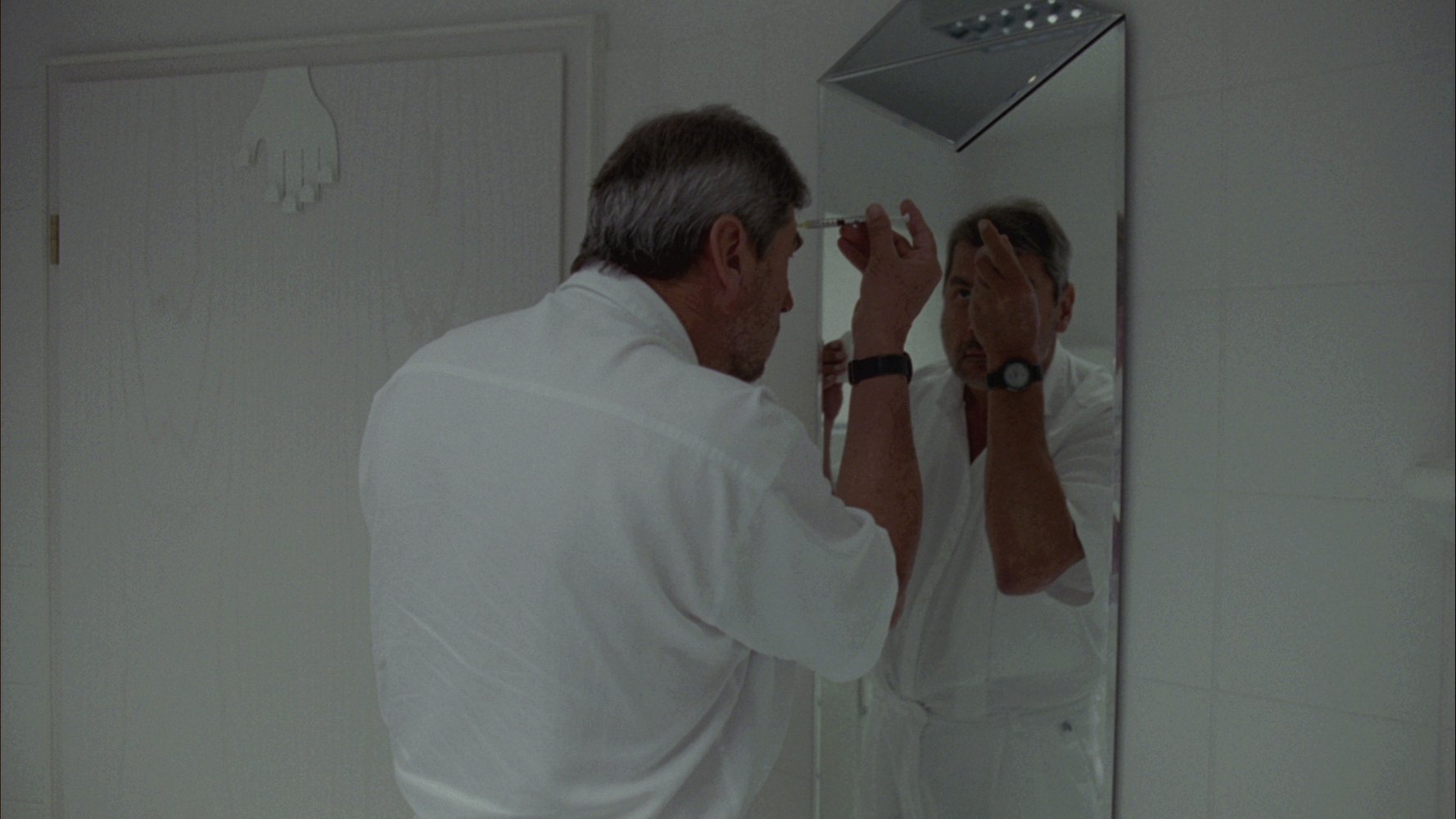
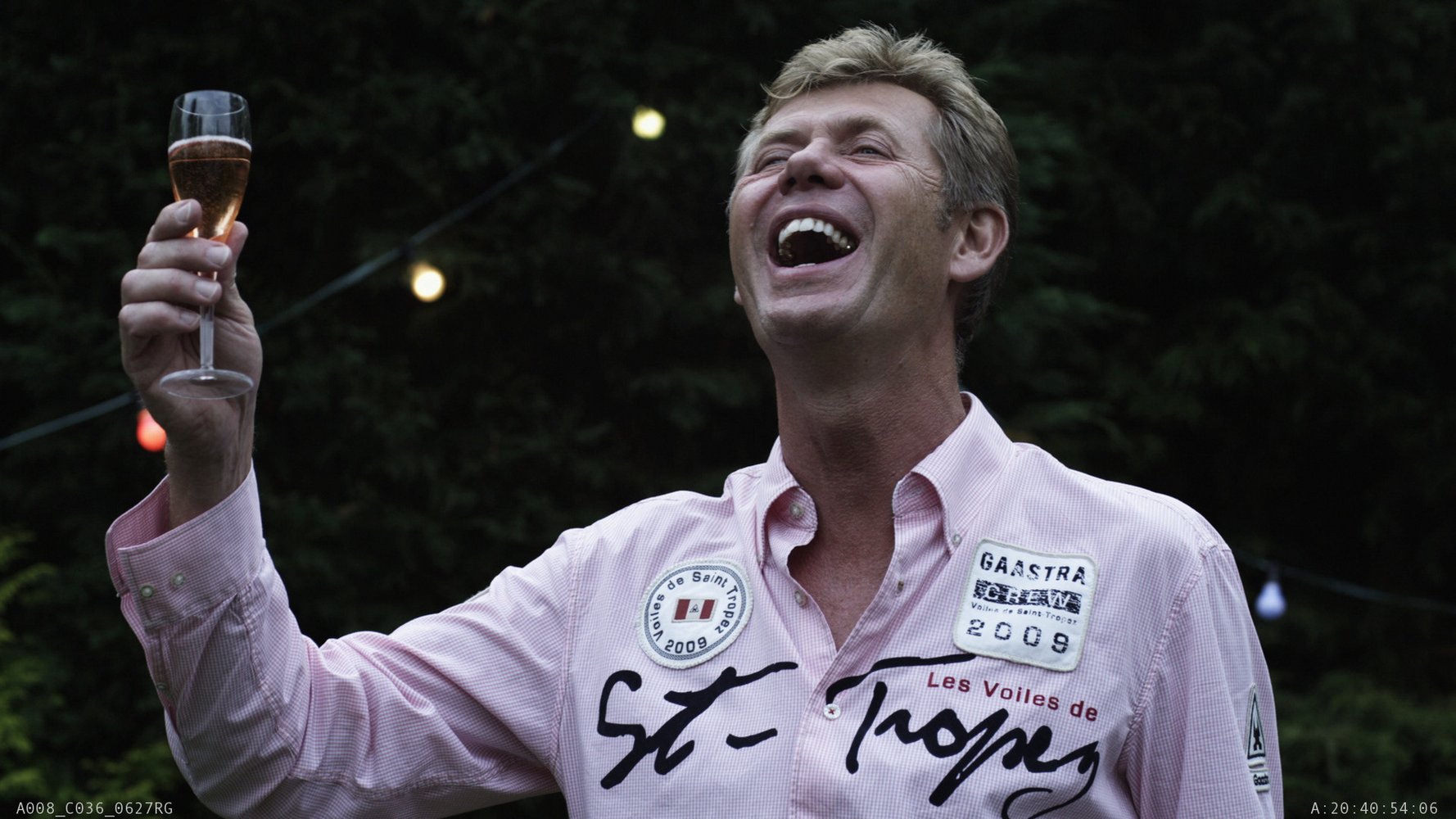
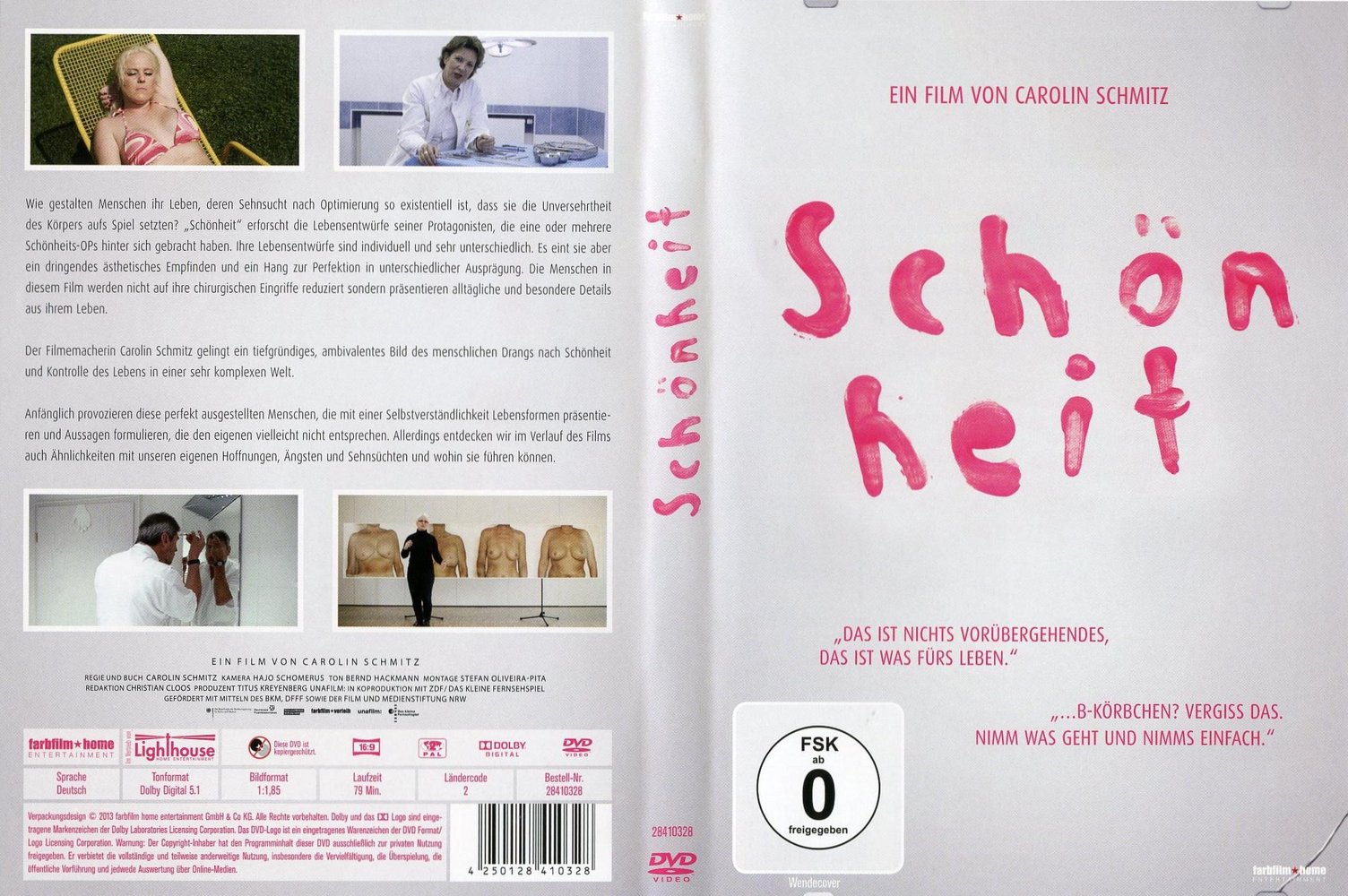
Eine Automobilkauffrau, die Karriere machen möchte, eine alleinstehende Bankangestellte, die eine Schuhsammlung besitzt und mit ihren Katzen lebt. Eine Mutter, die Gründerin eines Internetforums ist, das sich mit ästhetischen Operationen befasst. Eine Frau, die Probleme mit ihrem Übergewicht hatte und ein Friedhofsgärtner, der sein Leben bis ins Endliche vorgeplant hat. Menschen aus der deutschen Mittelschicht. Auf den ersten Blick scheint an den Protagonisten in 'Schönheit' nichts ungewöhnlich zu sein, allerdings haben sie alle etwas vermeintlich Außergewöhnliches gemeinsam - eine Schönheitsoperation...
Regisseurin Carolin Schmitz gewährt dem Zuschauer in ihrem Dokumentarfilm 'Schönheit' (2011) einen Einblick in das Leben von Menschen, die sich im Namen der Schönheit unters Messer gelegt haben, aber auch von Menschen, die plastische Operationen durchführen. Welche Lebensentwürfe haben diese Personen? Was verstehen sie unter Schönheit? Dieser Film zeigt neben den vielfältigen Möglichkeiten, die die heutige Chirurgie bietet, auch die vielschichtigen Aspekte von Kontrolle, Sehnsucht und Optimierung der eigenen Lebenswelt, die einen solchen Eingriff begleiten. Im Bereich der körperlichen Verschönerung scheint nichts unmöglich, angefangen von der Entfernung lästiger Schlupflieder und Nasenhöcker, über die Vergrößerung der Brüste bis hin zur Optimierung des Unterleibs für ein höheres Lustempfinden. Die Protagonisten in 'Schönheit' reden offen und nicht ohne Stolz über ihre Eingriffe. Sie verstehen die OP nur als Baustein, der das Leben insgesamt besser und schöner machen soll. Das Ergebnis des Eingriffs gehört gewissermaßen zum guten Lebensstandard, wie ein schnelles Auto, einen Personaltrainer, teure Kleidung oder der regelmäßige Besuch beim Friseur und der Kosmetikerin. Im Verlauf des Films wird klar, dass sich die Protagonisten im Spannungsfeld zwischen individueller Autonomie und Hörigkeit gegenüber sozialen Normen bewegen. Es wird jedoch auch immer deutlicher, welche ganz eigene Bedeutung Schönheit und Schönsein für jeden Einzelnen hat.
Weiterlesen »
A car saleswoman who wants to make a career, a single bank employee who owns a shoe collection and lives with her cats. A mother who is the founder of an Internet forum dedicated to aesthetic surgeries. A woman who had problems with her obesity and a cemetery gardener who planned his life to the end. People from the German middle class. At first glance, there seems to be nothing unusual about the protagonists in 'Beauty', but they all have something supposedly extraordinary in common - a cosmetic surgery...
In her documentary 'Beauty' (2011), director Carolin Schmitz gives the viewer an insight into the lives of people who have gone under the knife in the name of beauty, but also of people who perform plastic surgery. What life plans do these people have? What do they mean by beauty? In addition to the many possibilities offered by today's surgery, this film also shows the multi-layered aspects of control, longing and optimization of one's own living environment that accompany such an operation. In the field of physical beautification, nothing seems impossible, starting with the removal of annoying drooping eyelids and nasal humps, to the enlargement of the breasts and the optimization of the abdomen for a higher sense of pleasure. The protagonists in 'Schönheit' talk openly and not without pride about their interventions. They see surgery only as a building block that is supposed to make life better and more beautiful overall. The result of the procedure is part of the good standard of living, so to speak, like a fast car, a personal trainer, expensive clothes or regular visits to the hairdresser and beautician. In the course of the film, it becomes clear that the protagonists move in the field of tension between individual autonomy and dependence on social norms. However, it is also becoming increasingly clear what very special meaning beauty and beauty have for each individual.
More »