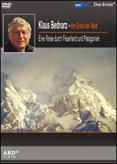
Eine Reise durch Feuerland und Patagonien: Gletscher, Vulkane und Regenwälder - in seiner Reihe großartiger Reisedokumentationen zog es Klaus Bednarz diesmal in die vielfältige Natur ans südlichste Ende der Welt. Bednarz durchquerte mit seinem Team die Weiten der südamerikanischen Pampa bis an die windgepeitschten Felsenküsten Feuerlands. Hierbei spürt er dem Charme des südlichen Kontinents nach und fragt, was aus den Ureinwohnern der Region geworden ist, deren Vorfahren einst über die Beringstraße und Alaska einwanderten und bis in den äußersten Süden weiterzogen. In atemberaubenden Bildern zeigen der erste Teil "Patagonien" und der zweite Teil "Feuerland" des Films von Klaus Bednarz die geheimnisvolle Landschaft am südlichen "Ende der Welt": ihre raue und zugleich wunderschöne, ebenso abweisende wie faszinierende Natur. Im Mittelpunkt des Berichts aber stehen die Menschen der Region und ihr nicht enden wollender Kampf um das Überleben in einer extrem lebensfeindlichen Region. Klaus Bednarz trifft die Ureinwohner, die Gauchos und auch einen Missionar. Die erste Etappe beginnt bei den Mapuche-Indianern im Süden Chiles, dem einzigen Indianervolk Südamerikas, das die Spanier nicht besiegen konnten. Durch die von Gletschern und Regenwäldern gesäumten patagonischen Fjorde, die faszinierende Gebirgswelt der Anden und die unendliche Pampa geht es bis hinunter zur Magellanstraße, die den amerikanischen Kontinent von Feuerland trennt. Endpunkt der mehrmonatigen Reise ist das von allen Seefahrern der Welt gefürchtete Kap Hoorn, dessen gewaltige Stürme und tückische Strömungen unzählige Schiffe in die Tiefe gerissen haben und das dennoch ein Ort magischer Anziehungskraft geblieben ist.
Weiterlesen »
A journey through Tierra del Fuego and Patagonia: glaciers, volcanoes and rainforests - in his series of great travel documentaries, Klaus Bednarz was drawn to the diverse nature at the southernmost end of the world. Bednarz and his team crossed the expanses of the South American pampas to the windswept rocky coasts of Tierra del Fuego. In doing so, he traces the charm of the southern continent and asks what has become of the indigenous people of the region, whose ancestors once immigrated via the Bering Strait and Alaska and moved on to the far south. In breathtaking images, the first part "Patagonia" and the second part "Tierra del Fuego" of Klaus Bednarz's film show the mysterious landscape at the southern "end of the world": its rugged and at the same time beautiful, as forbidding as it is fascinating nature. But the report focuses on the people of the region and their never-ending struggle for survival in an extremely hostile region. Klaus Bednarz meets the indigenous people, the gauchos and also a missionary. The first stage begins with the Mapuche Indians in southern Chile, the only Indian people in South America that the Spaniards were unable to defeat. Through the Patagonian fjords lined with glaciers and rainforests, the fascinating mountain world of the Andes and the endless pampas, it goes down to the Strait of Magellan, which separates the American continent from Tierra del Fuego. The end point of the journey, which lasts several months, is Cape Horn, feared by all seafarers in the world, whose violent storms and treacherous currents have torn countless ships into the depths and which has nevertheless remained a place of magical attraction.
More »