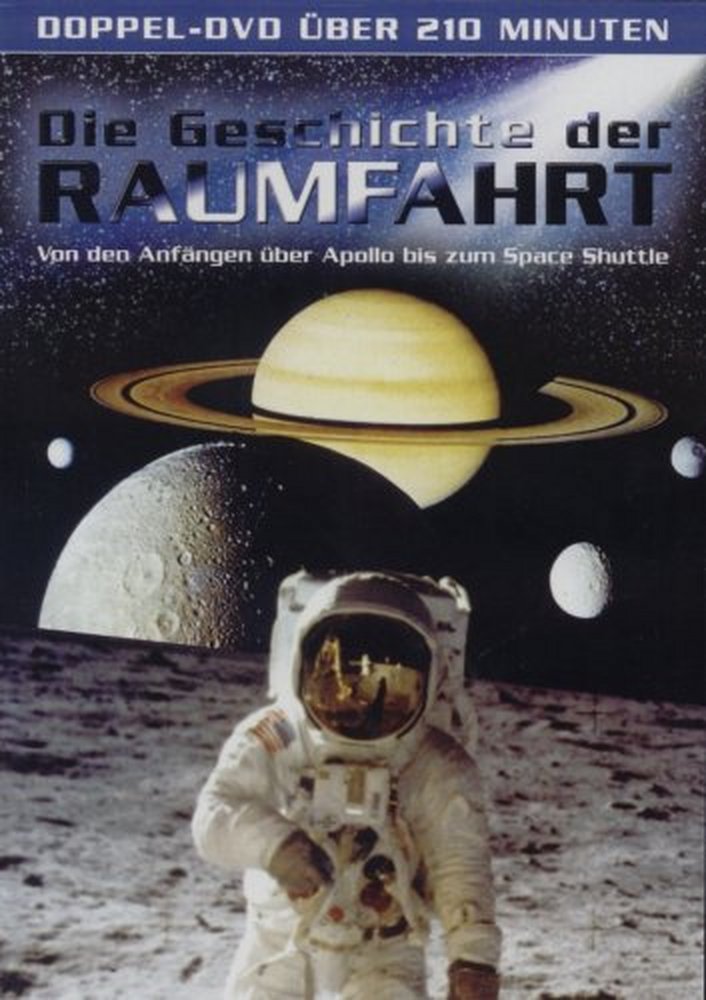
Die 40er Jahre: Das Aggregat 4. Wernher von Braun und die erste Großrakete.
Die 50er Jahre: Sputnik 1 und 2. Sowjetische Satelliten erschrecken die westliche Welt. NASA und Explorer 1: Auch die USA schaffen den Sprung in den Erdorbit.
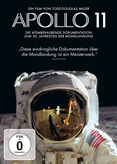
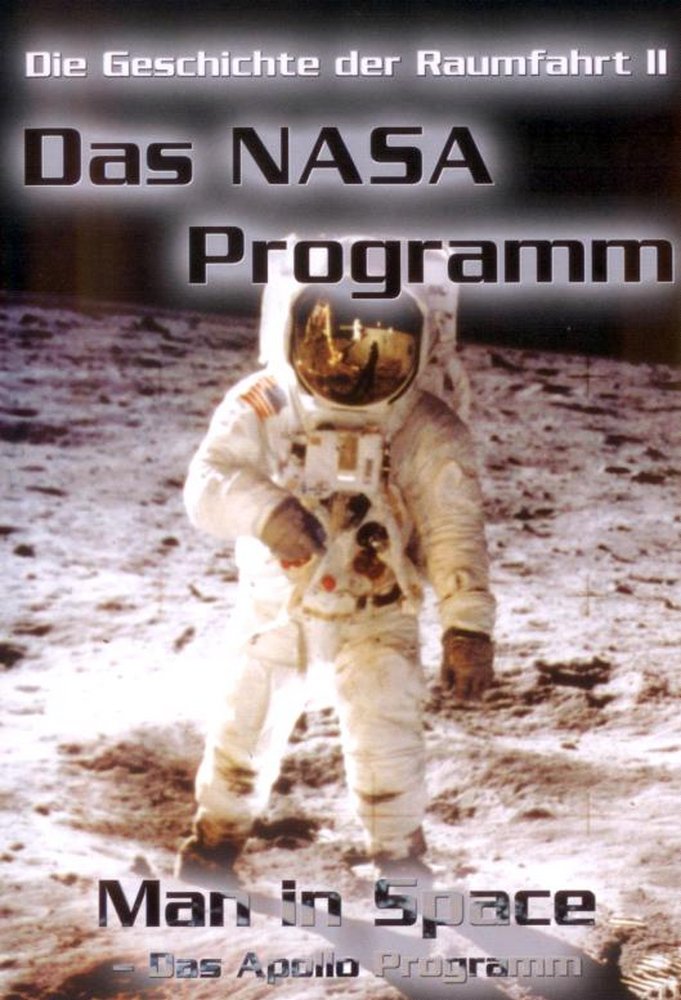
Die 60er Jahre: Wostock 1. Gagarin, der erste Mensch im Weltraum. Projekt Mercury: Die USA bejubeln ihre ersten Astronauten. Projekt Gemini: Weltraumspaziergänge Kopplungsmanöver und Langzeitaufenthalte im All - Training für den ersten Flug zum Mond. Apollo 1, Sojus 1: Die ersten Katastrophen im Wettlauf zum Mond. Apollo 8, 9, 10: der Erdtrabant rückt in greifbare Nähe. Apollo 11: Die ersten Menschen betreten den Mond.
Die 70er Jahre: Katzenjammer nach dem Mondprogramm. Mit Apollo 13 entgeht die NASA knapp der größten Katastrophe Ihrer noch jungen Geschichte. Die folgenden Mondmissionen verliefen darauf aber wieder planmäßig. Mit dem pannengeplagten Skylab gelingt der NASA erstmals der Einsatz einer bemannten Raumstation. Das Apollo-Sojus Programm ist die erste Kooperation der damaligen Supermächte USA und Sowjetunion.
Die 80er und 90er Jahre: Unbemannte Raumsonden erkunden seit den 60er Jahren unser Sonnensystem. Die Voyagersonden stehen kurz davor es zu verlassen. Das wiederverwendbare Space Shuttle bildet seit Anfang der 80er Jahre das Rückrat der NASA. Trotz eines schwerwiegenden Unglücks sichert es noch heute, zusammen mit russischen Raumkapseln, die Versorgung der Internationalen Raumstation ISS.
Weiterlesen »
The 40s: The 4th unit Wernher von Braun and the first large rocket.
The 50s: Sputnik 1 and 2. Soviet satellites frighten the Western world. NASA and Explorer 1: The USA also makes the leap into Earth orbit.
The 60s: Wostock 1. Gagarin, the first man in space. Project Mercury: The USA cheers its first astronauts. Project Gemini: Spacewalks, docking manoeuvres and long-term stays in space - training for the first flight to the moon. Apollo 1, Soyuz 1: The first catastrophes in the race to the moon. Apollo 8, 9, 10: the Earth's satellite is within reach. Apollo 11: The first humans set foot on the moon.
The 70s: Katzenjammer after the moon program. With Apollo 13, NASA narrowly escapes the biggest catastrophe in its still young history. However, the following lunar missions went according to plan. With the glitch-plagued Skylab, NASA succeeds in using a manned space station for the first time. The Apollo-Soyuz program is the first cooperation between the former superpowers USA and Soviet Union.
The 80s and 90s: Unmanned space probes have been exploring our solar system since the 60s. The Voyager probes are about to leave it. The reusable Space Shuttle has been the backbone of NASA since the early 1980s. Despite a serious accident, it still secures the supply of the International Space Station ISS today, together with Russian space capsules.
More »