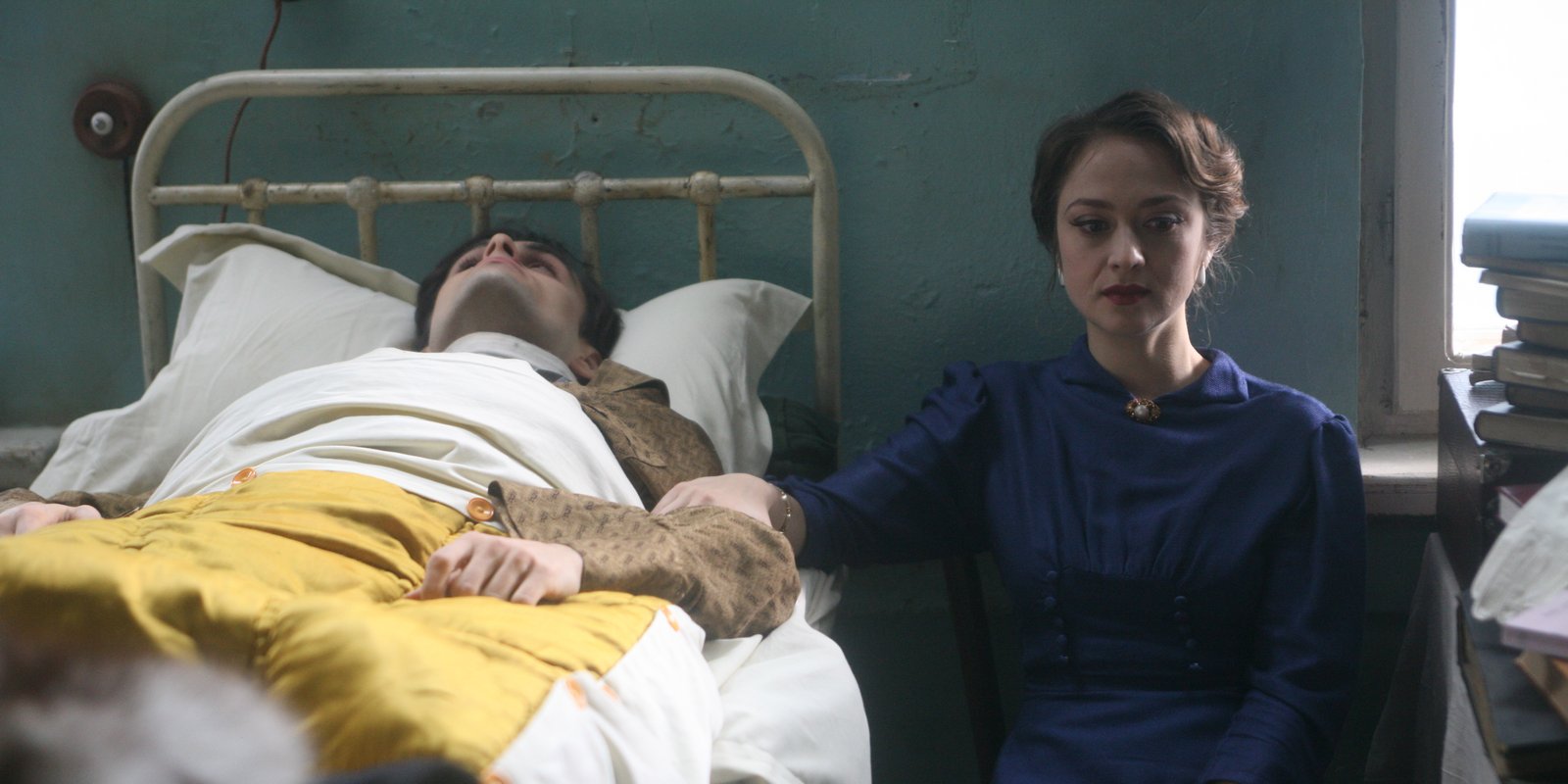
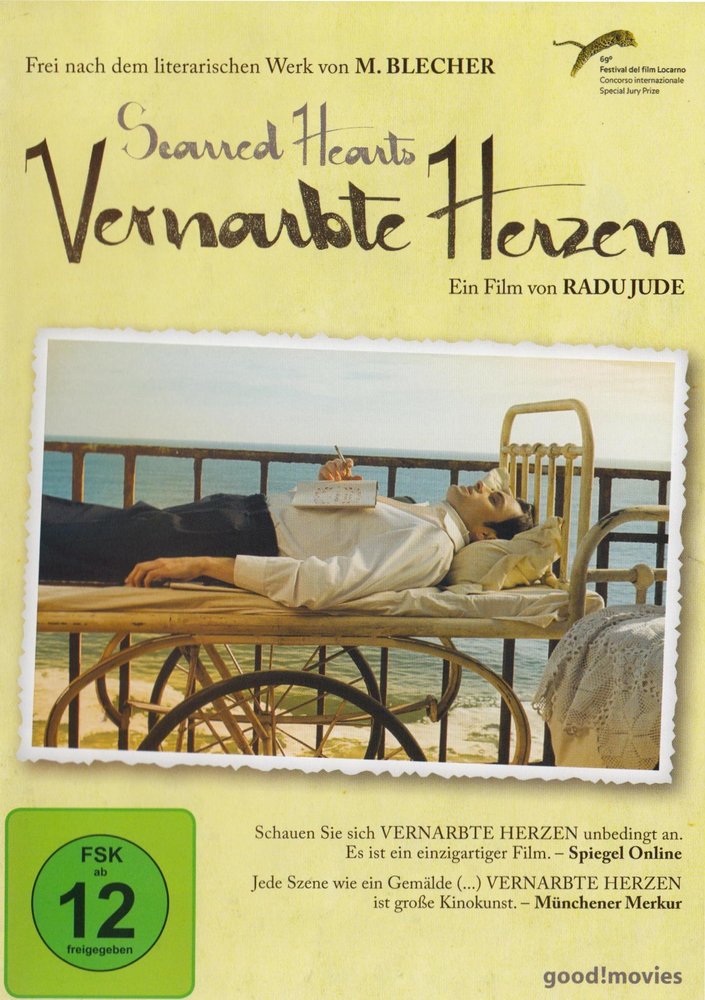
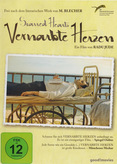
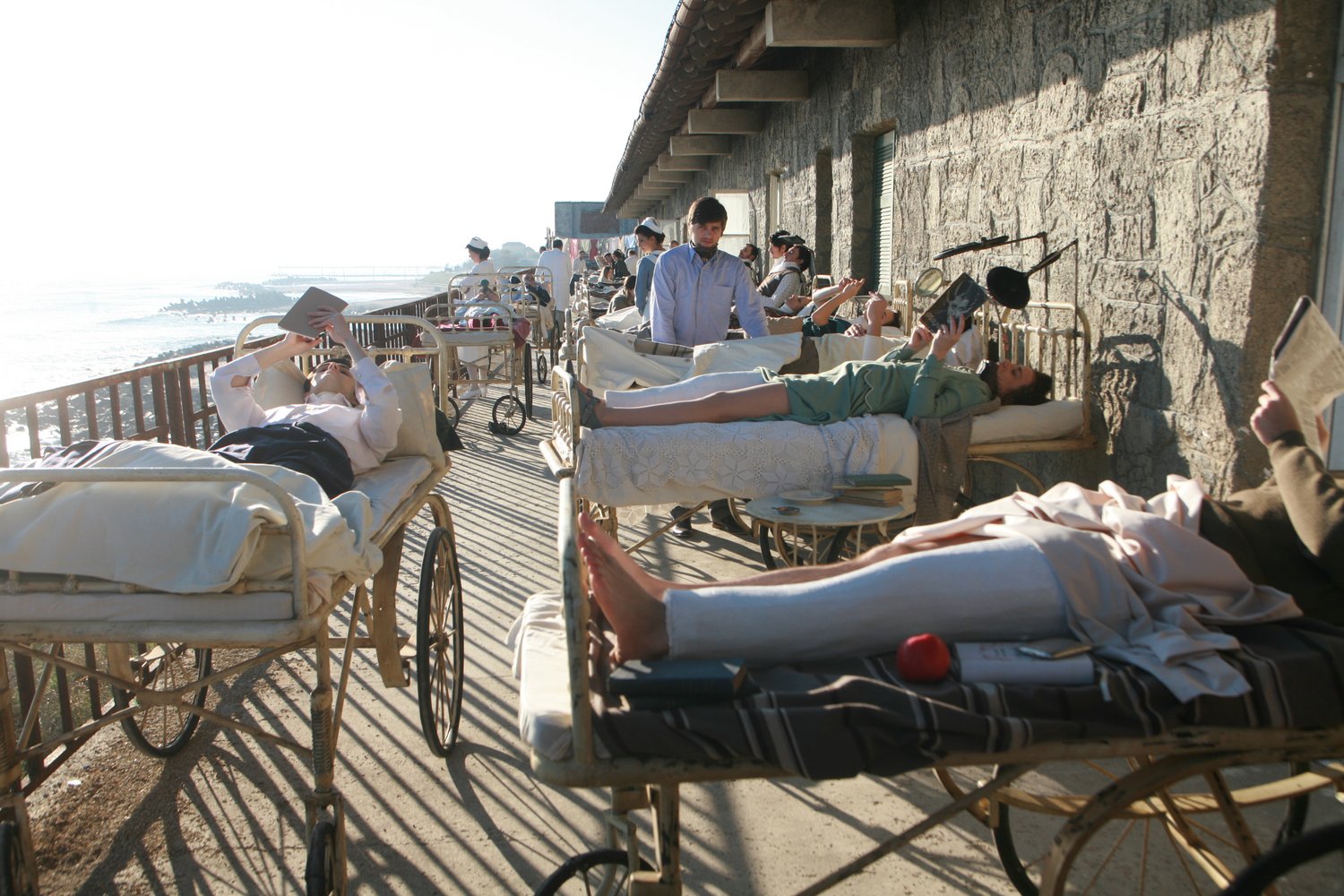
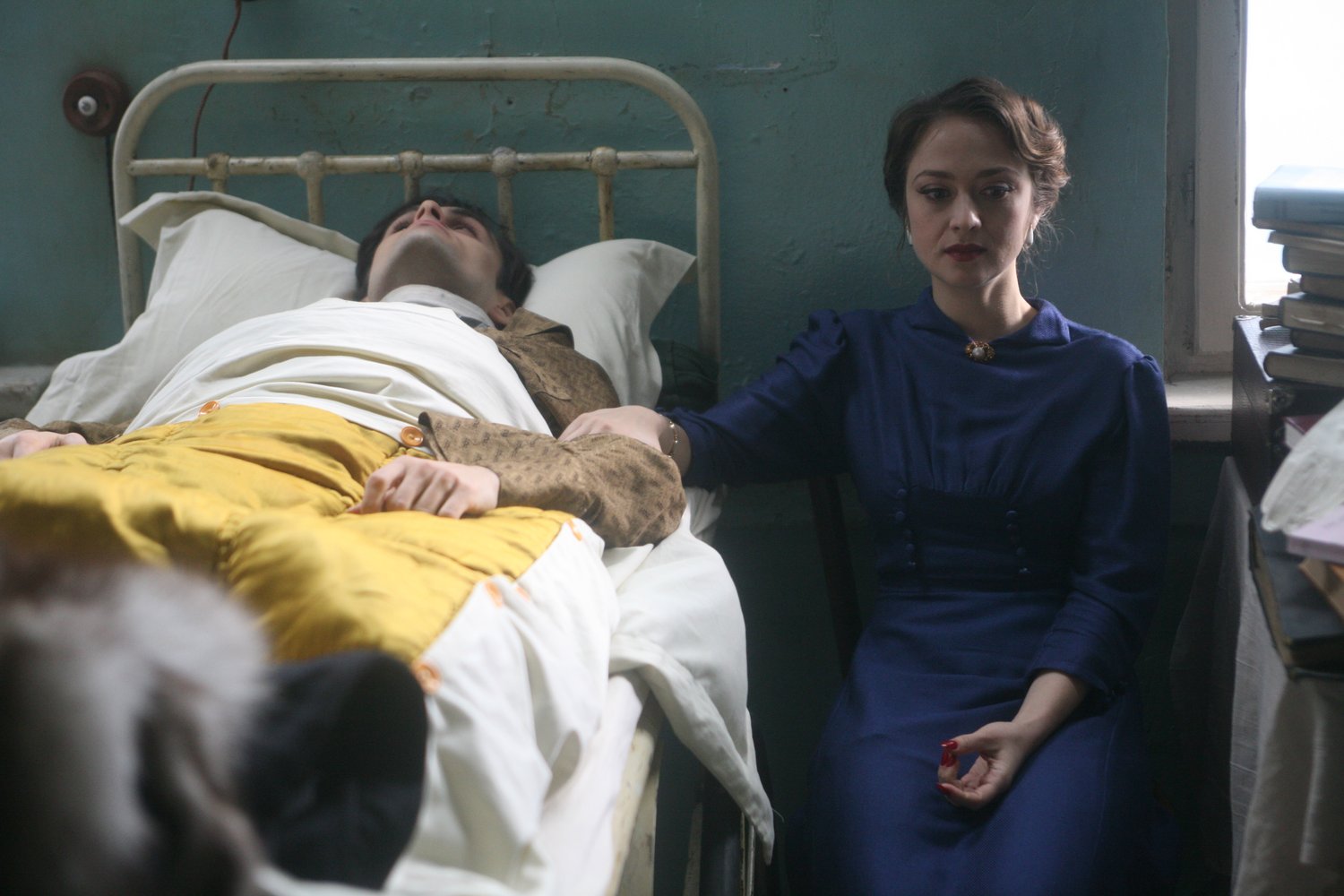
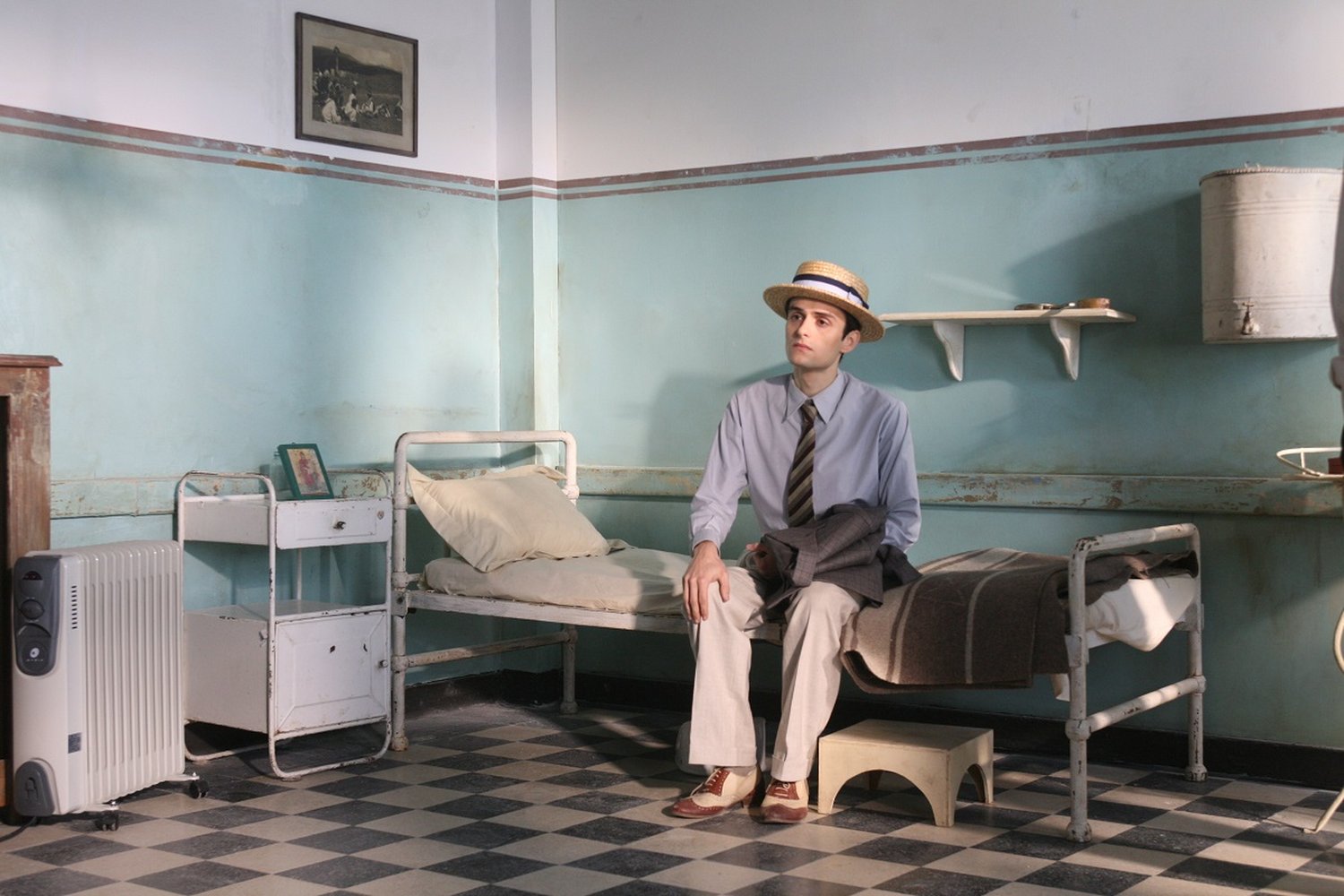
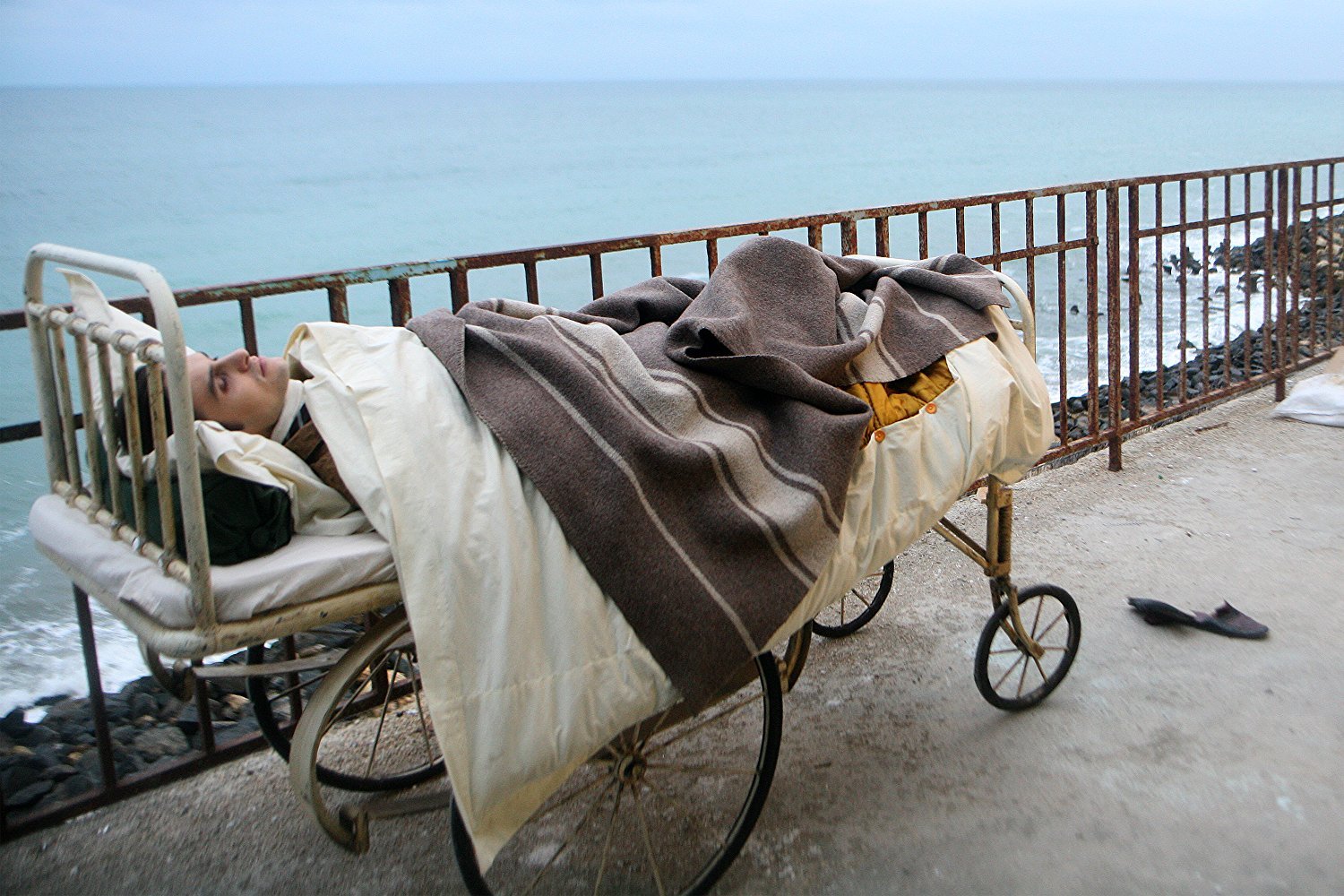
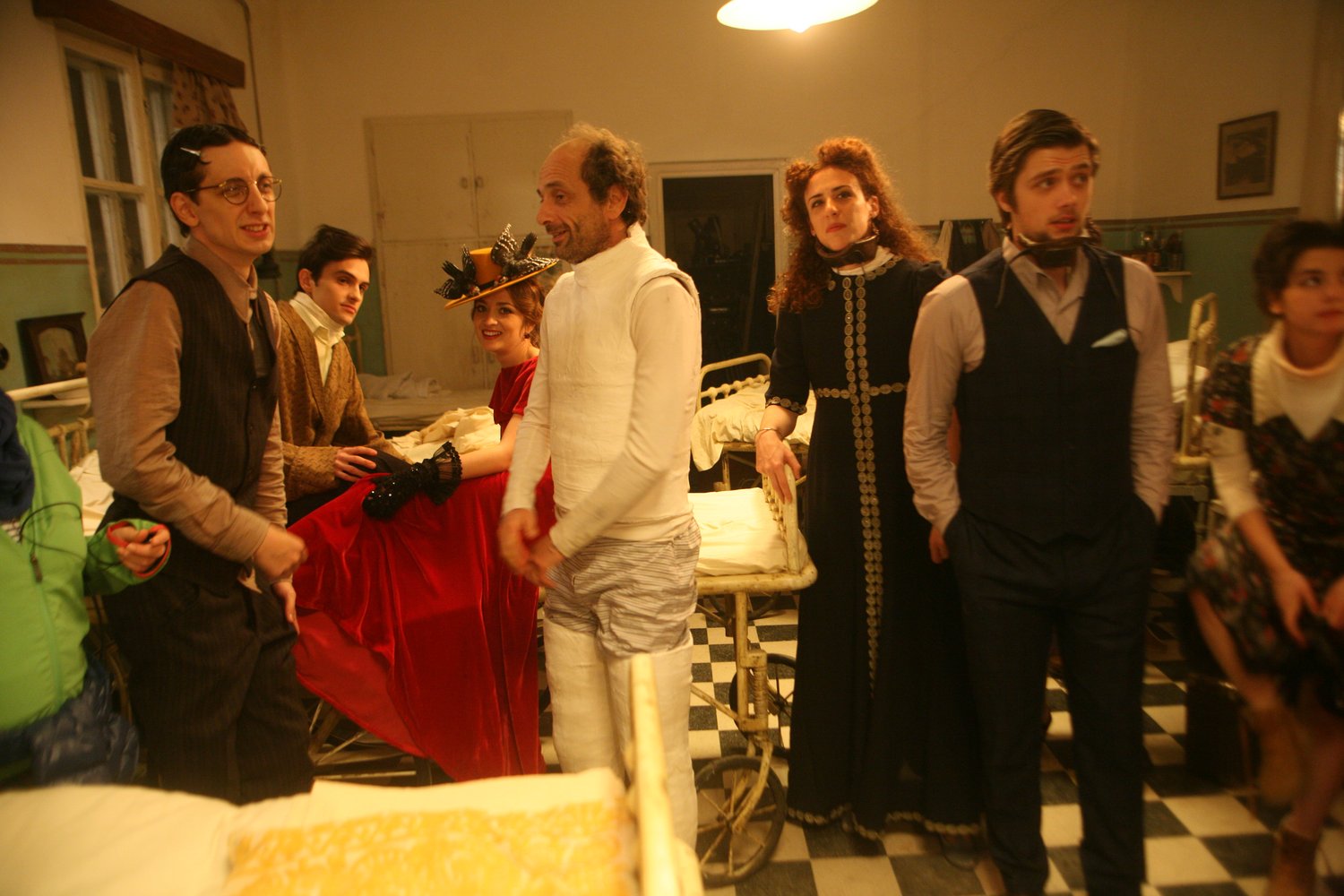
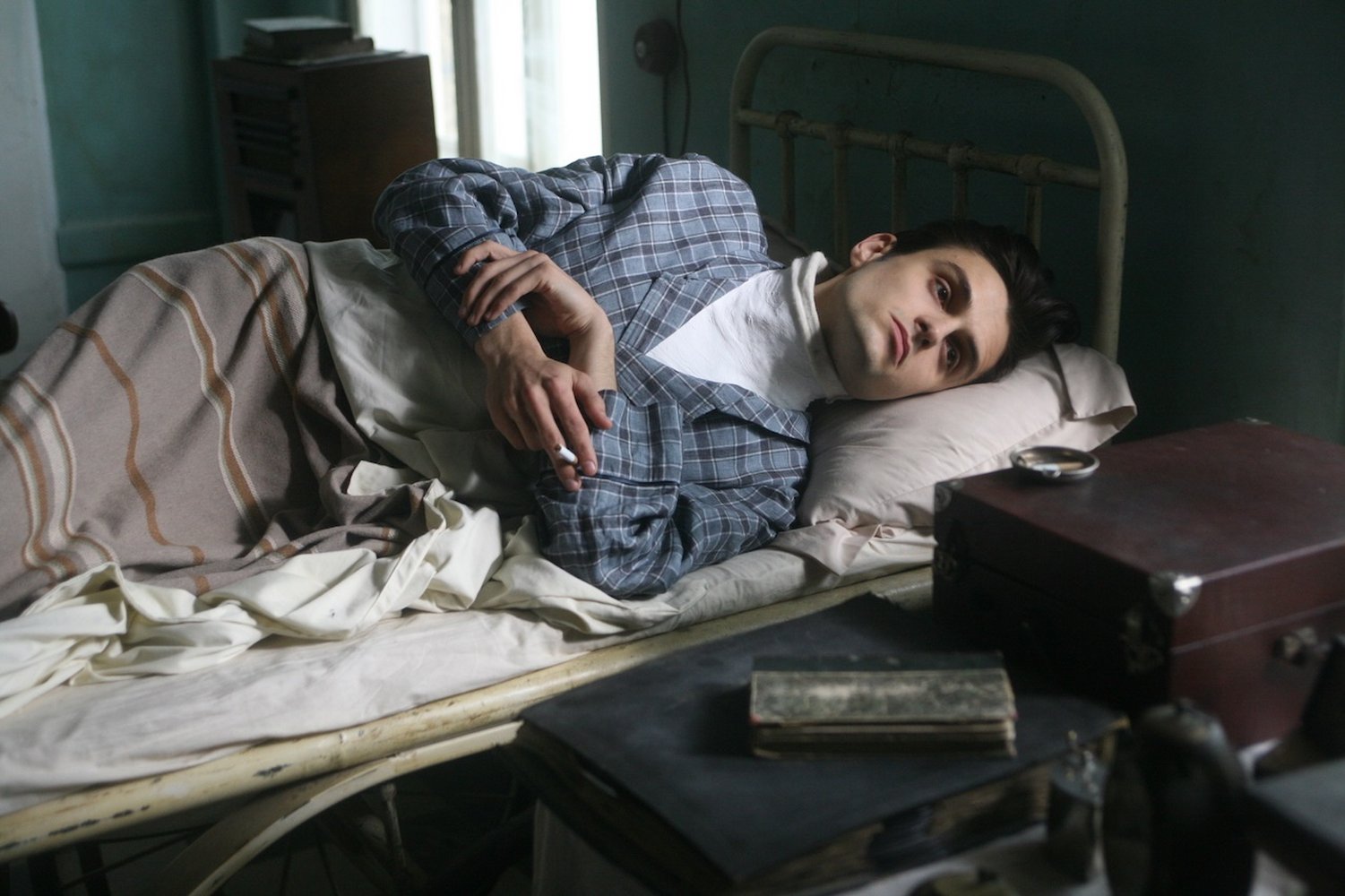
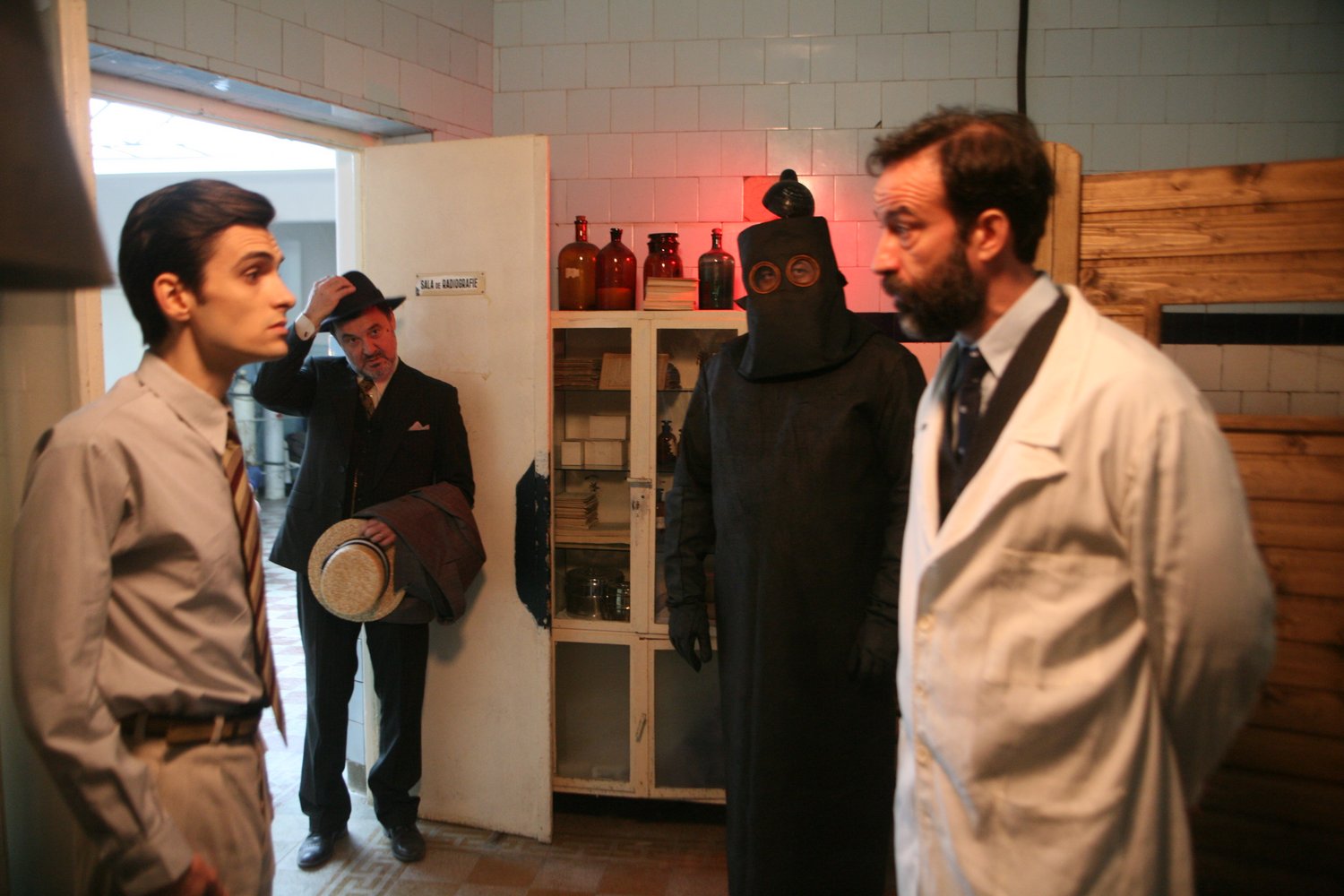
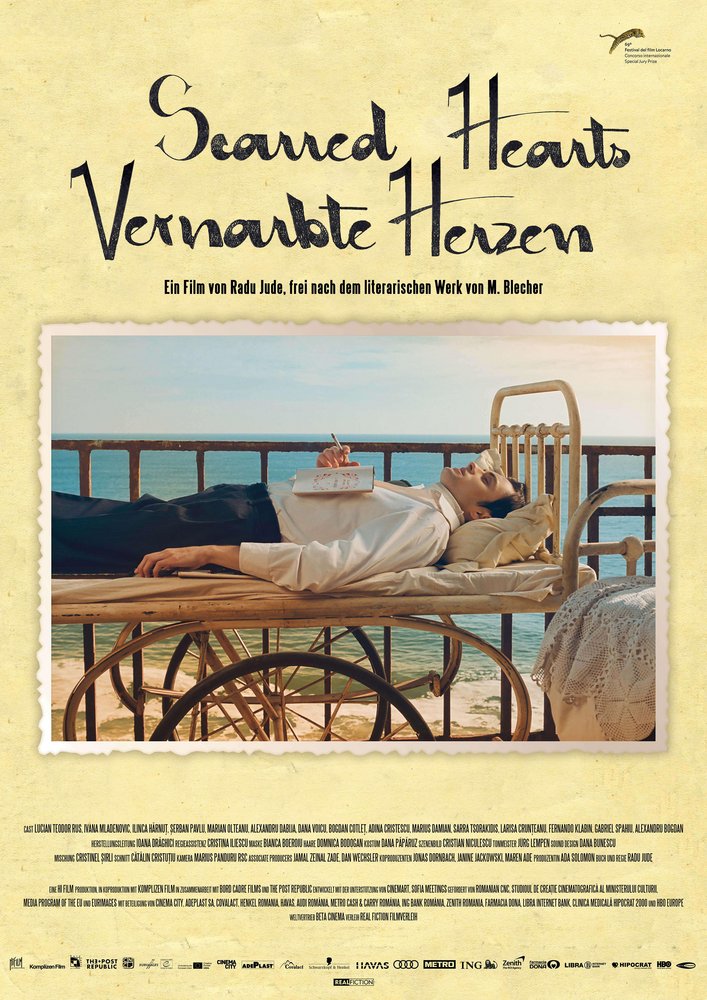
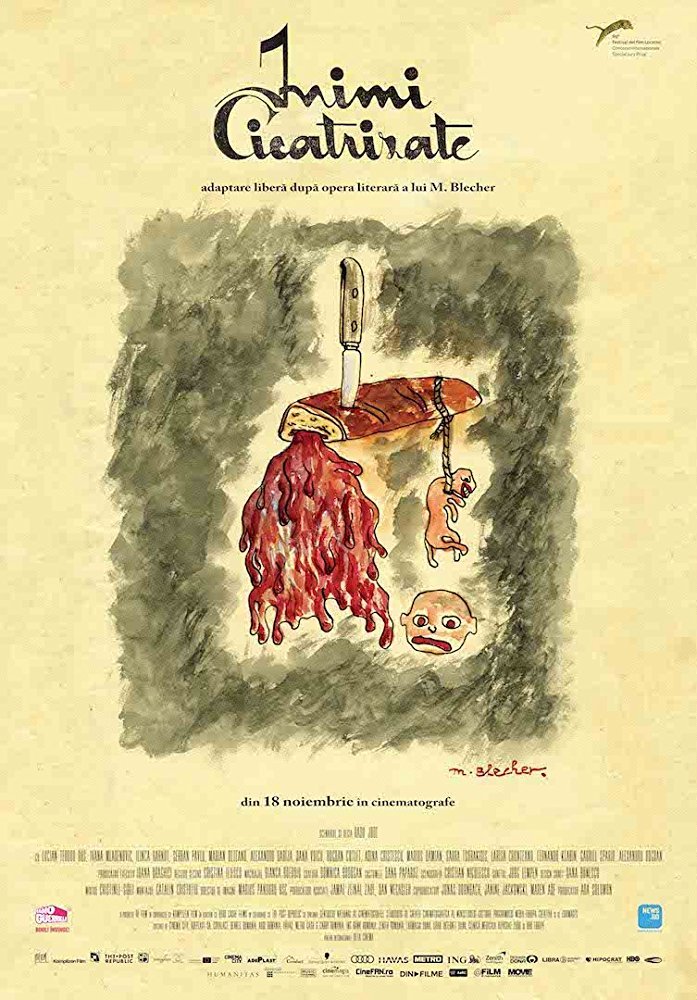
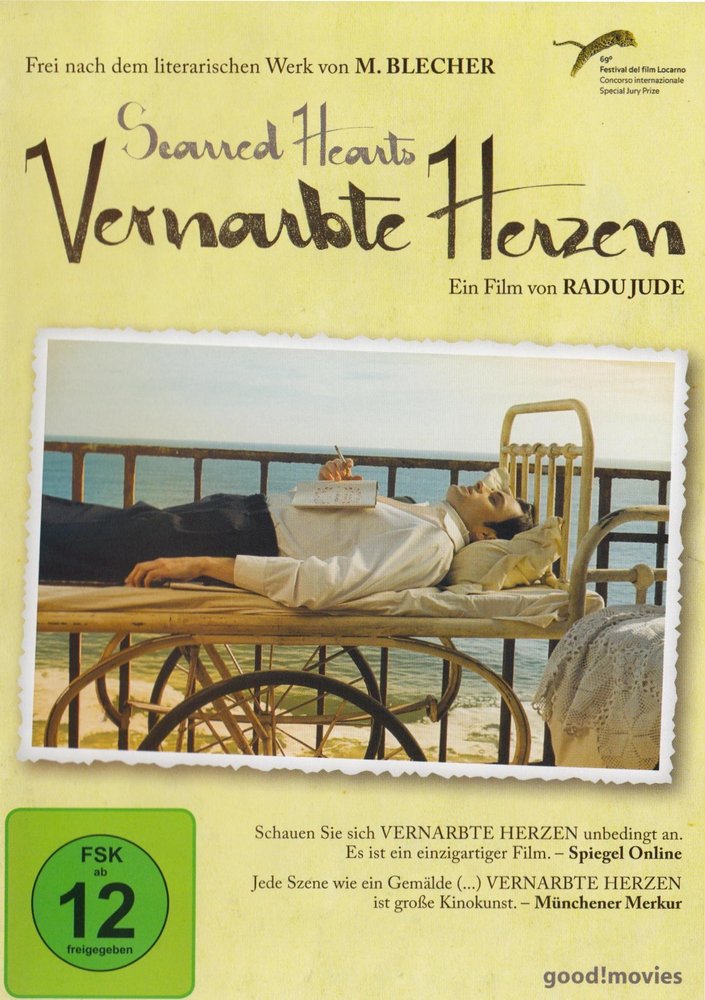
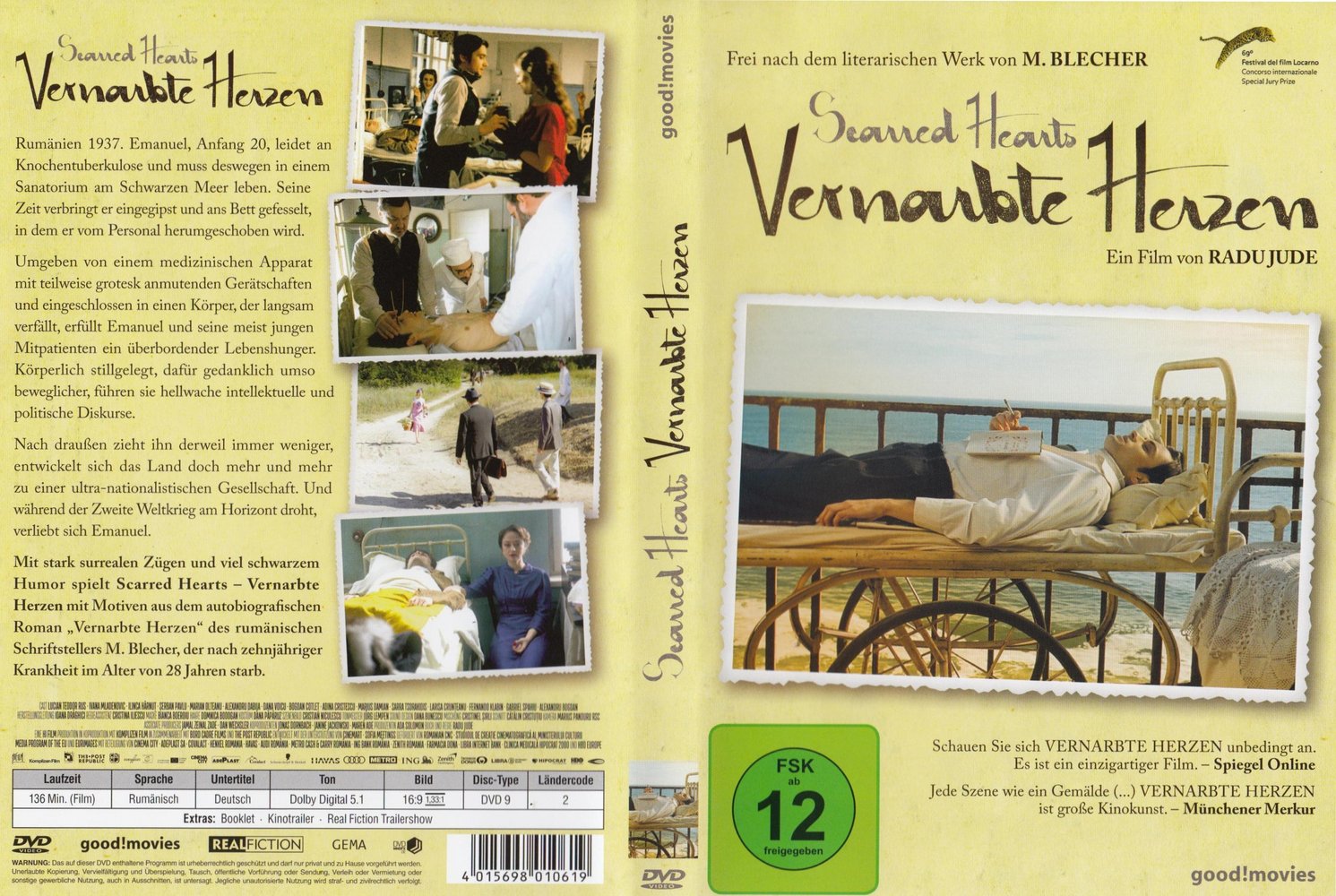
Rumänien 1937. Emanuel (Lucian Teodor Rus), Anfang 20, leidet an Knochentuberkulose und lebt in einem Sanatorium am Schwarzen Meer. Seine Zeit verbringt er in einem Gipsbett und wird vom Personal herumgeschoben. Umgeben von einem medizinischen Apparat mit teilweise grotesk anmutenden Gerätschaften und eingeschlossen in einen Körper, der langsam verfällt, erfüllt Emanuel wie auch seine meist jungen Mitpatienten ein überbordender Lebenshunger. Körperlich stillgelegt, dafür gedanklich umso beweglicher, führen sie hellwache intellektuelle, politische Diskurse. Nach draußen in Rumänien zieht ihn immer weniger, entwickelt sich das Land doch mehr und mehr zu einer ultranationalistischen Gesellschaft. Und während der Zweite Weltkrieg am Horizont droht, verliebt sich Emanuel...
Historischer Kontext: Obwohl der Film 'Scarred Hearts - Vernarbte Herzen' den historisch-politischen Kontext nicht direkt untersucht, ist dessen Einfluss indirekt im Leben der Charaktere spürbar (wie auch in M. Blechers Leben und insbesondere wie er es in den Jahren nach seinem Tod getan hätte). "Uniformen und Beifallsrufe, Elend und dummes Geschwätz, Terror und Versprechungen, Bewaffnung und Friedenserklärungen, Dunkelheit und Karneval", so präsentierte Norman Manea Europa in den 30er Jahren. Rumänien ist keine Ausnahme. Auf der einen Seite haben wir hier ein gewisses Aufblühen von Bildung, Kultur, Kunst, auf der anderen ist König Carol II kurz davor, eine Diktatur zu installieren und die weit rechts stehende Bewegung Iron Guard erhält mehr und mehr fanatische Jünger. Befürworter dieser Bewegung gehören natürlich allen Klassen an, und es ist überraschend, Anhänger unter intellektuellen Markennamen wie Emil Cioran und Mircea Eliade zu finden. Ein Regiestatement von Radu Jude: "Auch wenn es wahrscheinlich normal ist, dass ein Autor sein Werk erklärt, finde ich es persönlich sehr schwierig. Weil ich mir viel vornehme und nicht weiß, wie viele dieser Ideen tatsächlich aufgehen. Und weil ich gerne möchte, dass die Zuschauer die Essenz des Filmes selber entdecken, dass sie seine Qualitäten (wenn es welche gibt) ermitteln und seine Schwächen kritisieren, dass sie seine Bedeutung, seinen Humor und seine Poesie finden. Was ich auf jeden Fall sagen kann, ist, dass es ein Liebesbrief an M. Blechers Literatur ist und eine Einladung an die Öffentlichkeit, seine Bücher zu lesen. Selbst wenn man dann sagen wird 'Das Buch ist so viel cooler als der Film'."
Weiterlesen »
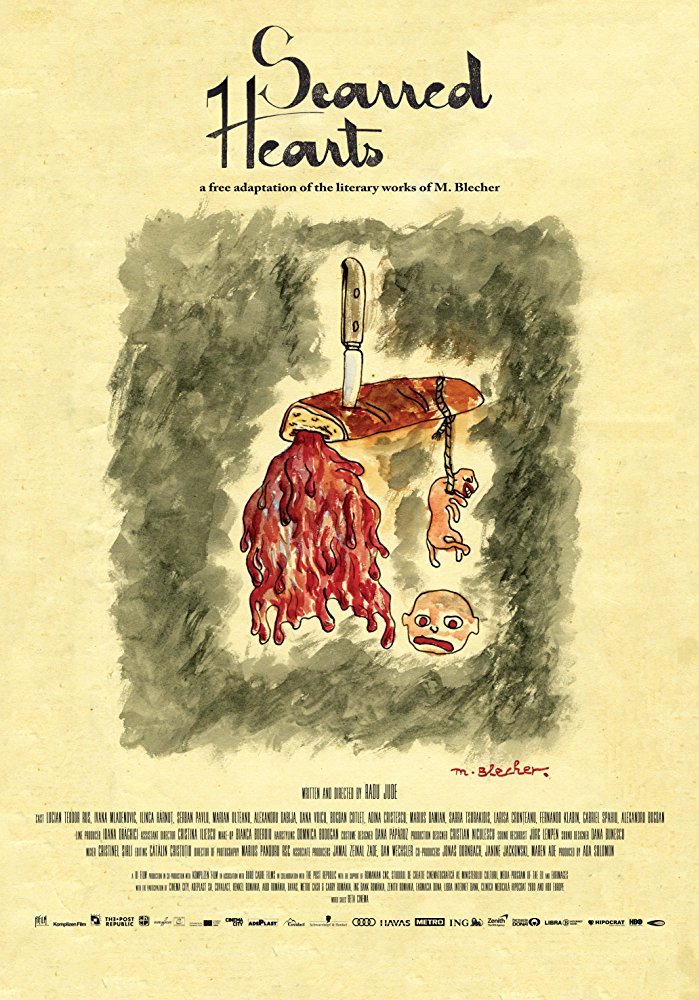
Romania 1937: Emanuel (Lucian Teodor Rus), in his early 20s, suffers from bone tuberculosis and lives in a sanatorium on the Black Sea. He spends his time in a plaster bed and is pushed around by the staff. Surrounded by a medical apparatus with sometimes grotesque-looking equipment and enclosed in a body that is slowly decaying, Emanuel and his mostly young fellow patients are filled with an exuberant hunger for life. Physically immobilized, but all the more mentally agile, they lead wide-awake intellectual, political discourses. He is less and less drawn to the outside world in Romania, as the country is developing more and more into an ultranationalist society. And while the Second World War looms on the horizon, Emanuel falls in love...
Historical context: Although the film 'Scarred Hearts' does not directly examine the historical-political context, its influence is indirectly felt in the lives of the characters (as well as in M. Blecher's life and especially as he would have done in the years after his death). "Uniforms and shouts of applause, misery and stupid chatter, terror and promises, armament and declarations of peace, darkness and carnival", this is how Norman Manea presented Europe in the 1930s. Romania is no exception. On the one hand, we have a certain blossoming of education, culture, art here, on the other hand, King Carol II is on the verge of installing a dictatorship and the far-right movement Iron Guard is getting more and more fanatical disciples. Proponents of this movement, of course, belong to all classes, and it is surprising to find followers under intellectual brand names such as Emil Cioran and Mircea Eliade. A director's statement by Radu Jude: "Even though it is probably normal for an author to explain his work, I personally find it very difficult. Because I have a lot of plans and don't know how many of these ideas will actually work out. And because I would like the audience to discover the essence of the film for themselves, to determine its qualities (if there are any) and criticize its weaknesses, to find its meaning, humor and poetry. What I can say in any case is that it is a love letter to M. Blecher's literature and an invitation to the public to read his books. Even if you're going to say, 'The book is so much cooler than the movie.'"
Automatically translated with AI
More »