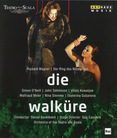
Der Ring in Weimar geht als Aufklärungsmärchen und Erziehungsdrama eines Helden und Antihelden, der seine Ursprünge sucht und seine Geschlechtlichkeit entdeckt, in die dritte Runde. Was mit als heiteres Satyrspiel gedacht war, wird zum Traum und Trauma von Wiederbegegnungen und Entdeckungsreisen im atemberaubenden Zeitraffer. Wotan und Alberich können nicht vom Hass aufeinander lassen. Das Menetekel, das Alle und Alles umfasst, heißt Erinnerung. Das erste musikalische Motiv, das Wagner für Siegfried entwirft, ist jenes, das den Ring hütenden Fafner charakterisiert, zu dem es alle Figuren wie zu einer Keimzelle ihres Lebensdramas zieht. Siegfried, der unschuldige Schlagetot, rast durch eine Existenz zwischen Horrorfi lm und Slapstickkomödie. In der heiß ersehnten Rückkehr zu Erda bekommt Wotan erbarmungslos den Spiegel des endgültigen Scheiterns vorgehalten. "Wie über der dampfenden Erdspalte von Delphi", so Wagner, "ist alles erhabene Grauen nur noch in Rätseln ansprechbar." Im Kampf der Generationen wird Mythos zum Lebensgleichnis. "Nicht eher sind wir das, was wir sein können und sollen, bis das Weib nicht erweckt ist", schreibt Wagner über den Übergang seines Märchens ins erotische Gleichnis. Während Brünnhilde und Siegfried als Paar der Paare ekstatisch ihre Loslösung vom Schicksalsdrama der Väter feiern, kündigt sich bereits das apokalyptische Ende in der Tragödie der ewig verlassenen Kinder an.
Weiterlesen »
The Ring in Weimar enters its third round as an enlightenment fairy tale and educational drama of a hero and anti-hero who searches for his origins and discovers his sexuality. What was intended as a cheerful satyr play becomes a dream and trauma of reencounters and journeys of discovery in breathtaking time-lapse. Wotan and Alberich cannot let go of their hatred of each other. The warning sign that encompasses everyone and everything is called memory. The first musical motif that Wagner designed for Siegfried is that of Fafner, who guards the ring, to which all the characters are drawn as if to a nucleus of their life drama. Siegfried, the innocent Schlagetot, races through an existence between horror film and slapstick comedy. In the eagerly awaited return to Erda, Wotan is mercilessly held up to the mirror of final failure. "As over the steaming fissure of Delphi," says Wagner, "all sublime horror can only be addressed in riddles." In the battle of the generations, myth becomes a parable of life. "We are not what we can and should be until the woman is awakened," Wagner writes about the transition of his fairy tale into an erotic parable. While Brünnhilde and Siegfried, as a couple of couples, ecstatically celebrate their detachment from the fateful drama of their fathers, the apocalyptic end in the tragedy of the eternally abandoned children is already announced.
Automatically translated with AI
More »