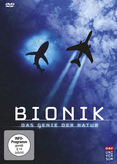
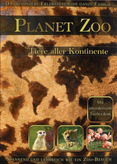
Alfred Vendl und Steve Nicholls führen Regie bei dieser internationalen Großproduktion. Sie verwenden spezielle Filmtechniken, um bisher noch nie gezeigte Einblicke in die geheimen Werkstätten der Natur zu gewähren. Komplizierte Bewegungsabläufe werden durch den Einsatz von Superzeitlupe mit mehreren tausend Bildern pro Sekunde entschlüsselt und geben Einblick in die ausgefeilten Fortbewegungstechniken der Tiere. Pinguine, Delfine und Fische zeigen, wie man sich optimal unter Wasser bewegt. Küchenschaben und Tausendfüßler demonstrieren eindrucksvoll, wie die rationelle und schnelle Fortbewegung der Insekten jenen von Menschen gemachten Roboter zum Vorbild wurde. Erst zigtausendfache Vergrößerungen im Elektronenmikroskop machen diese Einblicke möglich. In Kombination mit 3-D-Animation können die verborgensten Tricks der Natur nun einem breiten Publikum vermittelt werden.
Seit vier Milliarden Jahren existiert der Planet Erde. In dieser Zeit hat die Natur unzählige Antworten auf die Herausforderungen des Lebens gefunden, zum Beispiel wie man sich am besten fortbewegt, an Nahrung kommt, Partner findet und sich an Extreme aller Art anpasst. Zu Anfang war auch der Mensch nur Teil der atemberaubenden Artenvielfalt, doch dann verhalf ihm sein großes Gehirn zu einer Sonderstellung. Als einzige Spezies musste er sich nicht länger an die Natur anpassen, sondern formte sie nach seinen Bedürfnissen. Technik war das Werkzeug dafür - und das oft im Widerspruch zur Natur. Je weiter der Mensch sich von der Natur entfremdete, umso erfolgreicher wurde er - auf Kosten des Planeten. Doch jetzt, zu Beginn des dritten Jahrtausends, steht der Mensch am Anfang einer Revolution. "Bionik" ist das Zauberwort - eine Denkweise, die Natur und Technik zusammenführt. In der Wildnis ist fast jedes technische Problem bereits gelöst. Der Mensch muss nur das Genie der Natur erkunden.
Folge 1: Die Magie der Bewegung
Folge 2: Material ist alles
Folge 3: Energie ist der Schlüssel
Weiterlesen »
Alfred Vendl and Steve Nicholls are directing this major international production. They use special filming techniques to provide never-before-seen insights into nature's secret workshops. Complicated movement sequences are deciphered by the use of super slow motion at several thousand frames per second and provide insight into the sophisticated locomotion techniques of the animals. Penguins, dolphins and fish show how to move optimally underwater. Cockroaches and centipedes impressively demonstrate how the rational and fast locomotion of insects became a model for those man-made robots. Only tens of thousands of magnifications in the electron microscope make these insights possible. In combination with 3D animation, nature's most hidden tricks can now be conveyed to a wide audience.
Planet Earth has existed for four billion years. During this time, nature has found countless answers to life's challenges, such as how best to get around, get food, find partners, and adapt to extremes of all kinds. In the beginning, humans were only part of the breathtaking biodiversity, but then their large brain helped them to achieve a special position. He was the only species that no longer had to adapt to nature, but shaped it according to his needs. Technology was the tool for this - and often in contradiction to nature. The further man alienated himself from nature, the more successful he became - at the expense of the planet. But now, at the beginning of the third millennium, man is at the beginning of a revolution. "Bionics" is the magic word - a way of thinking that brings nature and technology together. In the wilderness, almost every technical problem has already been solved. Man only has to explore the genius of nature.
Episode 1: The Magic of Movement
Episode 2: Material is everything
Episode 3: Energy is the key
More »